


| Product Showcase | Content | ||||||||||||||||||||||||||||||||||||
| Product Name | CO2 Sensor for Livestock Ventilation Control | ||||||||||||||||||||||||||||||||||||
| Product Image | 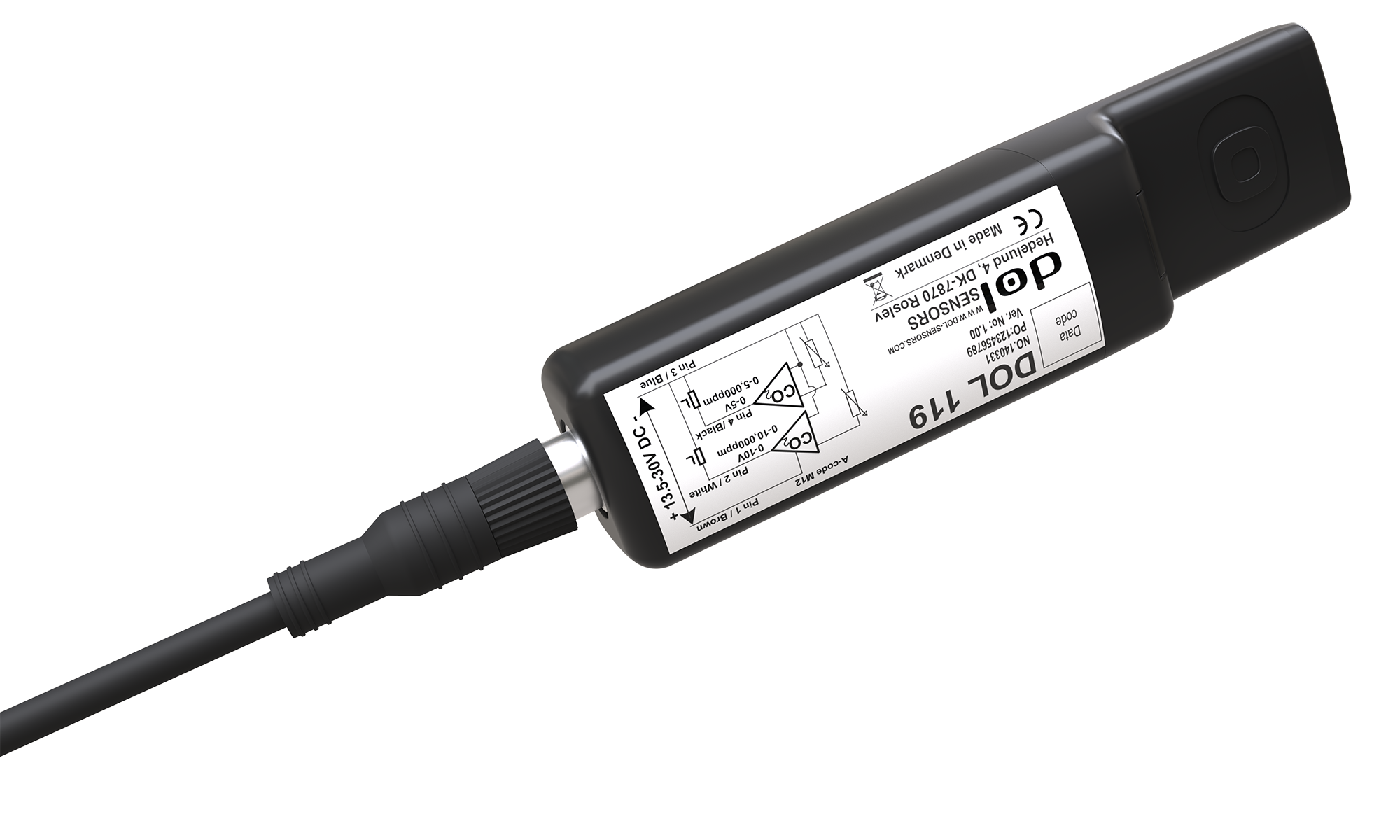 |
||||||||||||||||||||||||||||||||||||
| Product Overview | The CO2 Sensor for Livestock Ventilation Control is designed for continuous carbon dioxide monitoring in commercial livestock houses and controlled-environment agricultural buildings. It provides reliable indoor air-quality data that can be used by compatible climate controllers to regulate ventilation, coordinate heating and maintain suitable environmental conditions for animals. In pig houses, poultry houses and other enclosed livestock facilities, CO2 concentration can rise when minimum ventilation is insufficient or when direct-fired heating equipment is operating. Continuous measurement gives farm operators and automatic climate-control systems an additional environmental parameter for balancing fresh-air supply, heat retention and energy consumption. The sensor is suitable for new pig farm construction, poultry projects, steel structure livestock buildings and climate-system retrofit projects. Interface configuration, wiring arrangement and installation accessories can be selected according to project requirements. |
||||||||||||||||||||||||||||||||||||
| Key Features |
|
||||||||||||||||||||||||||||||||||||
| Structural Components |
|
||||||||||||||||||||||||||||||||||||
| Working Principle / Structural Principle | The sensor continuously measures the concentration of carbon dioxide in the surrounding livestock-house air. Internal electronics process the measured concentration and transmit a corresponding electrical signal to a compatible climate controller or farm management system. The controller can use CO2 information together with temperature, humidity and other environmental inputs to evaluate indoor air quality and adjust ventilation output. During cold weather, CO2 monitoring is particularly useful for minimum-ventilation control because excessive ventilation can increase heating demand, while insufficient ventilation can allow carbon dioxide and other indoor contaminants to accumulate. In livestock buildings equipped with direct combustion heaters, CO2 measurement can also provide useful information for identifying abnormal combustion-related environmental conditions. |
||||||||||||||||||||||||||||||||||||
| Technical Specifications |
Technical values above are based on a representative livestock CO2 sensor configuration. Final measuring range, signal output, cable length and controller compatibility should be confirmed according to the selected model and project requirements. |
||||||||||||||||||||||||||||||||||||
| Applications |
|
||||||||||||||||||||||||||||||||||||
| Customization Options |
|
||||||||||||||||||||||||||||||||||||
| Installation & Maintenance | For representative CO2 measurement, the sensor should be positioned within the livestock-house environment rather than directly against an outside wall or immediately beside an air inlet. The reference installation recommends placement toward the central part of the house, where the sensor can measure air representative of the animals' occupied environment. The sensing position should be at least approximately 50 cm above the floor and out of reach of animals when following the reference installation arrangement. Final mounting height should also consider animal type, house structure and ventilation design. Avoid installation immediately beside fresh-air openings, exhaust fans, heaters or other locations where highly localized airflow could distort representative readings. Inspect the housing, connector, cable and sensing area periodically. The protection cap should be used according to the installation instructions during cleaning and disinfection where required. Verify controller readings after installation and whenever electrical or ventilation modifications are made. |
||||||||||||||||||||||||||||||||||||
| Project Cases | Commercial Pig House Climate Control: CO2 sensors can be incorporated into the climate-control system of nursery, finishing, gestation and other enclosed pig houses. The controller uses CO2 data together with temperature and other environmental inputs to support minimum-ventilation management during cold periods. Poultry House Ventilation: Continuous CO2 monitoring can support ventilation management in densely stocked poultry buildings where indoor air quality changes rapidly with animal activity, heating demand and ventilation rate. Direct-Fired Heating Project: In buildings using direct combustion heaters, CO2 monitoring provides additional environmental information that can help operators detect unsuitable indoor conditions and evaluate ventilation performance. Sensor quantity and location should be determined according to building dimensions, stocking zones, ventilation layout and the required level of environmental monitoring. |
||||||||||||||||||||||||||||||||||||
| Product FAQ | Q1: Why is CO2 monitoring important in livestock ventilation? CO2 concentration provides useful information about indoor air quality and ventilation performance. It can help climate controllers maintain sufficient fresh-air exchange while reducing unnecessary heating losses. Q2: Can the sensor control ventilation fans directly? The sensor normally provides measurement data to a compatible climate controller. The controller then regulates fans, air inlets, heating or other equipment according to the configured control strategy. Q3: Is the sensor suitable for pig houses? Yes. CO2 sensing can be used in commercial pig houses as part of an integrated ventilation and environmental monitoring system. Q4: Can it also be used in poultry houses? Yes. Poultry production is one of the primary applications for continuous livestock-house CO2 monitoring. Q5: Can the sensor be used with direct-fired heaters? Yes. CO2 monitoring can provide additional information for detecting abnormal indoor conditions in livestock houses using direct-combustion heating. Q6: Can it withstand livestock-house cleaning? The reference sensor has an IP67-rated enclosure and is designed for demanding agricultural cleaning environments when installed and protected according to the manufacturer's instructions. Q7: Can the output signal be customized? Signal and controller configurations can be selected according to project requirements. Compatibility should be confirmed before ordering. Q8: Where should the sensor be installed? It should be installed where the measured air is representative of the livestock occupied zone, away from highly localized fresh-air jets, exhaust points and direct heat sources. |
||||||||||||||||||||||||||||||||||||
| Product Gallery | 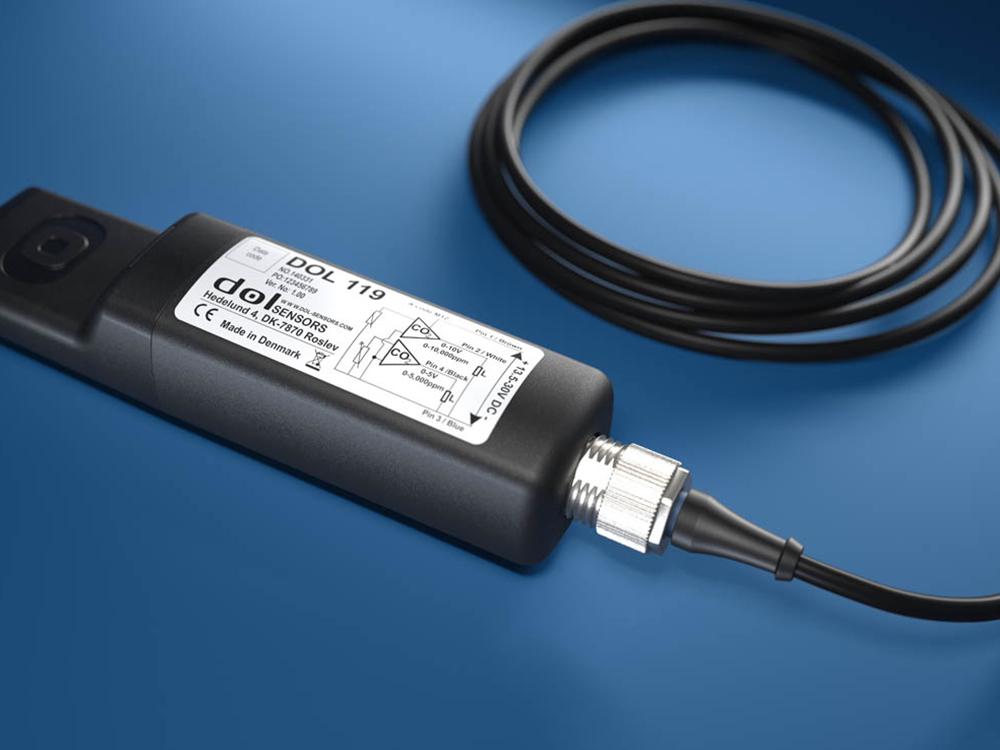  |
- Home
-
Products
- Pig Farming Equipment
- Cattle Farming Equipment
- Sheep & Goat Farming Equipment
- Poultry Farming Equipment
- Feeding & Drinking Systems
- Veterinary & Breeding Equipment
- Testing & Diagnostic Equipment
- Cleaning & Biosecurity Equipment
- Climate Control Equipment
- Livestock Weighing Equipment
- Manure & Waste Management
- Farm Transport & Handling
-
Solutions
- Pig Farm Solutions
- Dairy Farm Solutions
- Beef Cattle Farm Solutions
- Sheep & Goat Farm Solutions
- Layer Farm Solutions
- Broiler Farm Solutions
- Feeding & Drinking System Solutions
- Climate Control Solutions
- Biosecurity & Disinfection Solutions
- Manure & Waste Management
- Smart Farming Solutions
- Farm Renovation and Upgrade Solutions
- Partners
- Projects
- Resources
- News
- About Us
- Contact

Comments & Inquiries
Leave your questions or requirements below. We will reply as soon as possible.