
| Product Showcase | Content | ||||||||||||||||||||||||
| Product Name | Pig House Negative Pressure Sensor | ||||||||||||||||||||||||
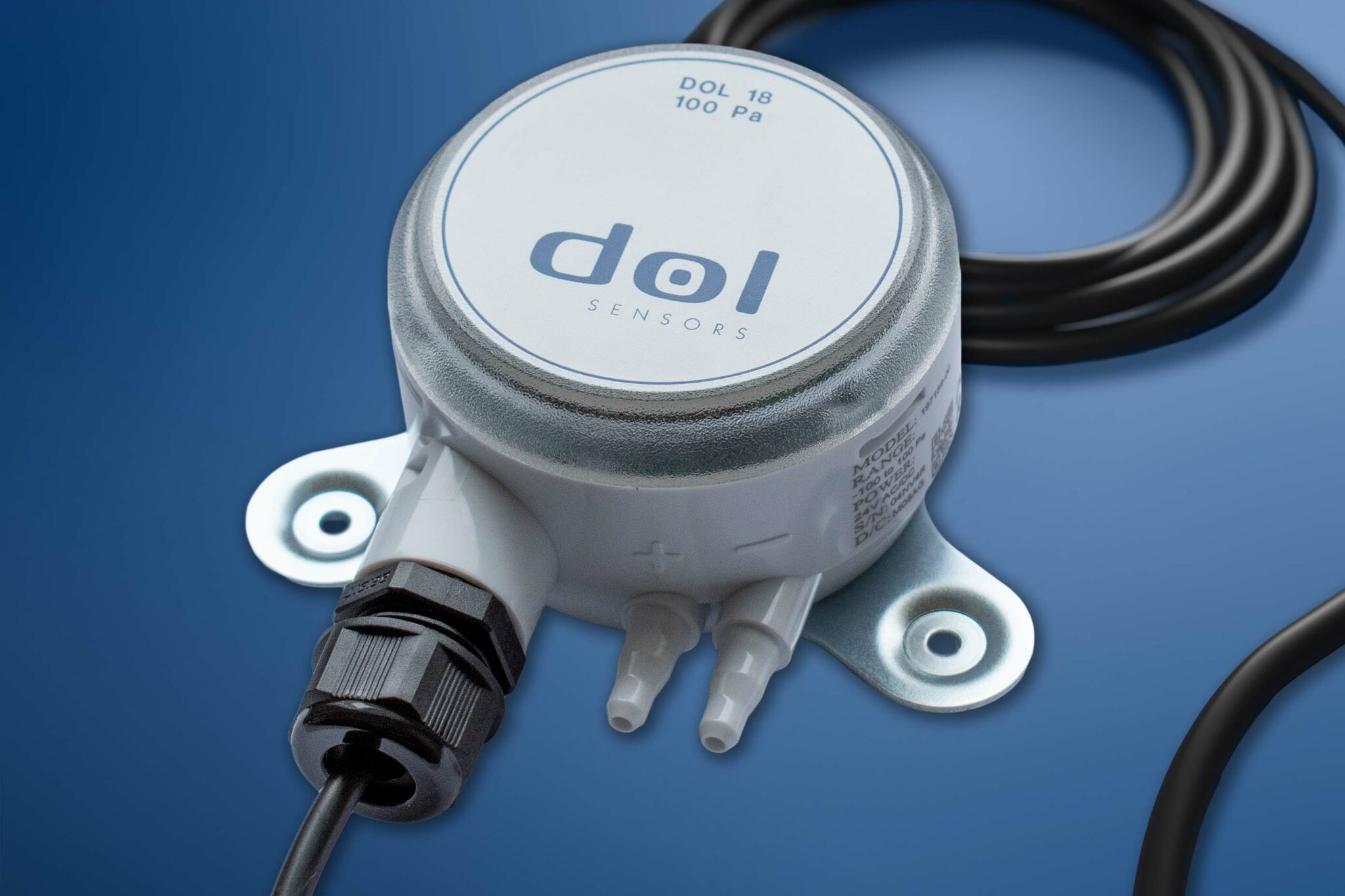
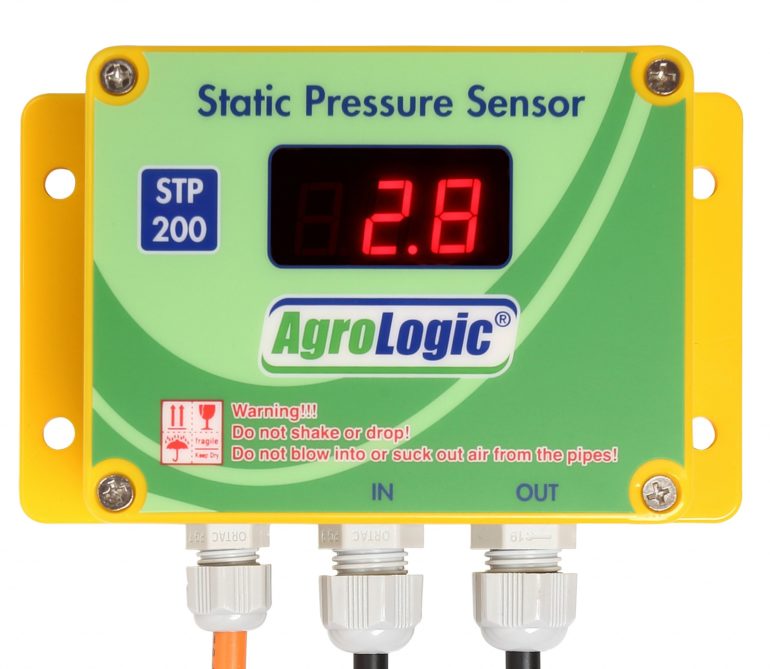
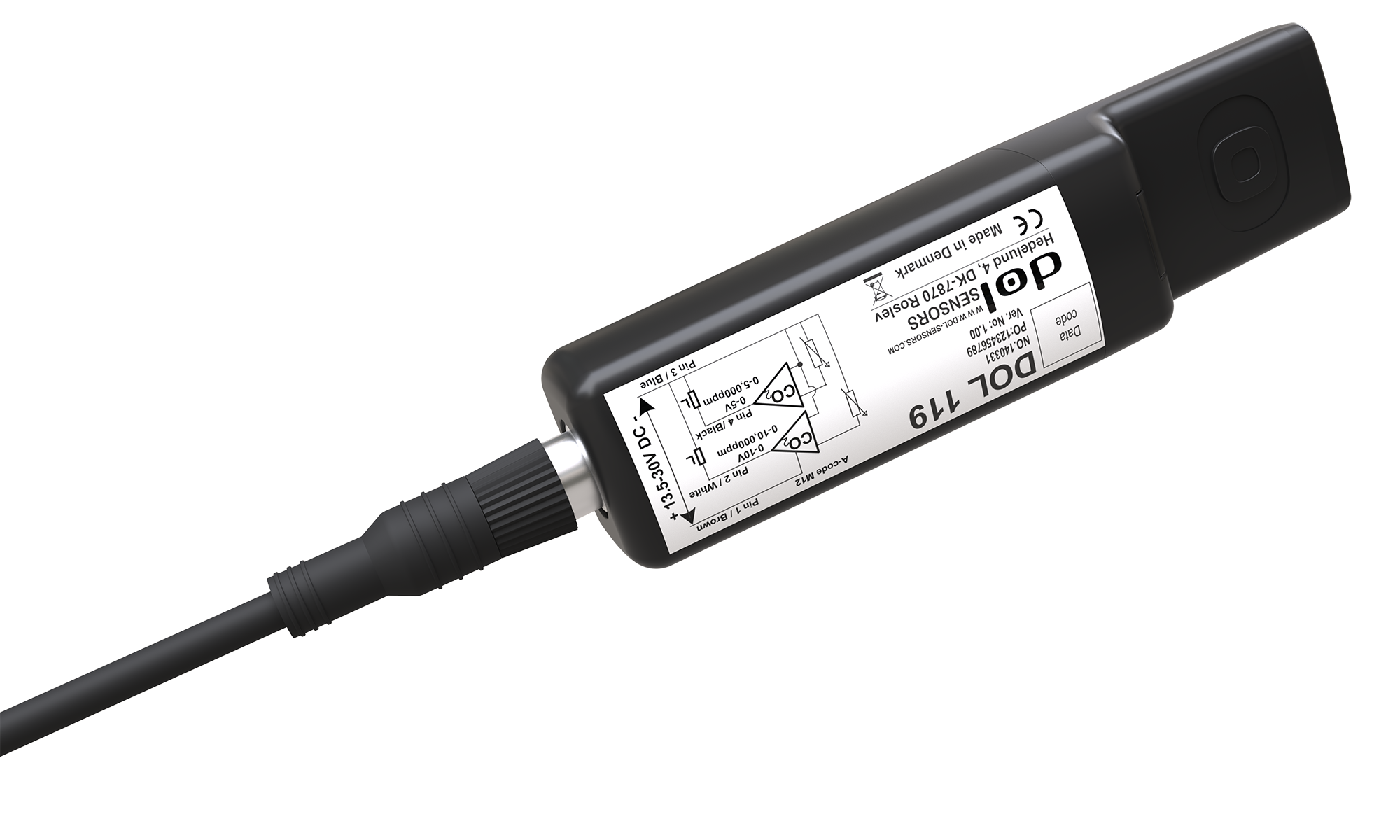
| Product Image |  |
||||||||||||||||||||||||
| Product Overview | The Pig House Negative Pressure Sensor is designed to monitor the pressure difference between the interior of a livestock building and a reference pressure point. It is an important sensing component for modern negative-pressure ventilation systems used in commercial pig production facilities. By continuously providing pressure information to a compatible climate controller, the sensor helps ventilation equipment maintain the required relationship between exhaust airflow and fresh-air inlet opening. Stable static pressure supports controlled air distribution, better inlet air throw, more uniform mixing of fresh and indoor air, and more predictable environmental conditions throughout the pig house. The sensor can be integrated into new pig farm construction projects or ventilation renovation projects and can also be applied to central exhaust ducts, filtered-air systems and other livestock ventilation installations requiring differential pressure monitoring. |
||||||||||||||||||||||||
| Key Features |
|
||||||||||||||||||||||||
| Structural Components |
|
||||||||||||||||||||||||
| Working Principle / Structural Principle | Negative-pressure ventilation removes air from the pig house with exhaust fans, creating a pressure level slightly below the outdoor or reference pressure. This pressure difference draws fresh air through designated wall or ceiling inlets. The sensor compares the pressure at two sampling points and converts the differential pressure into an electrical signal. The climate controller uses this signal as part of its ventilation strategy. Depending on the system design, the controller can adjust inlet actuators, fan stages or variable-speed fans to maintain the required pressure condition. Correct pressure control is particularly important during minimum ventilation because sufficient pressure is required to achieve appropriate inlet air velocity and air throw before fresh air enters the animal-occupied zone. :chatgpt-content-reference{index="1"} |
||||||||||||||||||||||||
| Technical Specifications |
|
||||||||||||||||||||||||
| Applications |
|
||||||||||||||||||||||||
| Customization Options | SHEWUYOU can configure the Pig House Negative Pressure Sensor according to the ventilation design and controller requirements of different livestock projects. Available options may include pressure measurement range, signal output, cable configuration, pressure tubing accessories, mounting arrangement and climate-controller interface. For complete pig farm projects, the sensor can be supplied together with climate controllers, exhaust fans, wall or ceiling air inlets, inlet actuators, air filtration equipment and other ventilation components. Final configuration is designed according to local climate, pig house dimensions, ventilation mode and farm operating requirements. |
||||||||||||||||||||||||
| Installation & Maintenance | Install the sensor on a stable wall or equipment surface where it is protected from direct water impact, mechanical damage and severe local air turbulence. Pressure sampling points should be positioned according to the ventilation design so that they represent the required indoor and reference pressure conditions. Pressure tubing should be routed without sharp bends, crushing, blockage or unnecessary length. Confirm that the positive and negative pressure ports are connected correctly before commissioning. Electrical wiring should follow the selected controller and signal configuration. During routine farm maintenance, inspect the pressure tubes and sampling points for dust, moisture, insects or other obstructions. Check mounting security, cable connections and sensor readings periodically, especially after building washing, ventilation servicing or major seasonal changes. :chatgpt-content-reference{index="2"} |
||||||||||||||||||||||||
| Project Cases | Typical project configurations include pressure monitoring for mechanically ventilated nursery and finisher houses, negative-pressure control in breeding facilities, central exhaust duct monitoring and integration with filtered-air pig houses. In new pig farm construction, pressure sensors can be integrated into the complete ventilation and climate-control package during the electrical and equipment installation stage. For existing farms, they can also be incorporated into ventilation retrofit projects when upgrading controllers, air inlets, fans or environmental monitoring equipment. |
||||||||||||||||||||||||
| Product FAQ | Q1: What does a negative pressure sensor measure in a pig house? It measures the pressure difference between the pig house interior and a selected reference pressure point, normally outside the building or another designated reference location. Q2: Why is static pressure important in pig house ventilation? Proper static pressure helps fresh air enter through the designed air inlets with sufficient velocity and direction, supporting better air mixing and more predictable ventilation performance. Q3: Can the sensor be connected to an automatic climate controller? Yes. Suitable electrical output and controller compatibility can be configured according to project requirements. Q4: Can the pressure range be customized? Yes. The required measuring range can be selected according to the ventilation design, building dimensions and control strategy. Q5: Is the sensor suitable for filtered pig houses? Yes. Differential pressure monitoring can be used in filtered-air ventilation projects, central ducts and other installations where pressure conditions must be monitored or controlled. Q6: What information is required before ordering? Please provide the pig house dimensions, ventilation type, required pressure range if known, climate controller model, preferred signal type and project electrical requirements. |
||||||||||||||||||||||||
| Product Gallery | 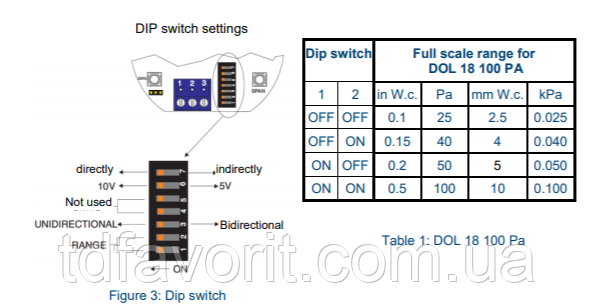 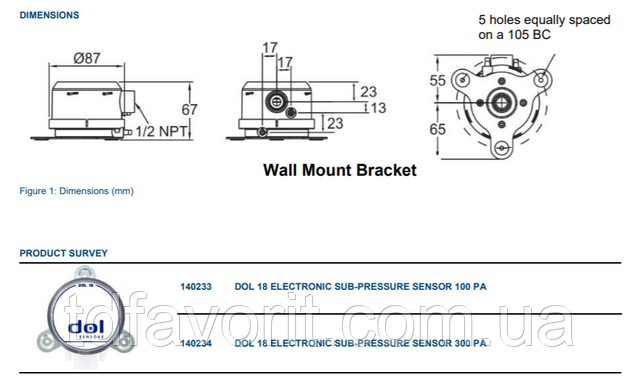 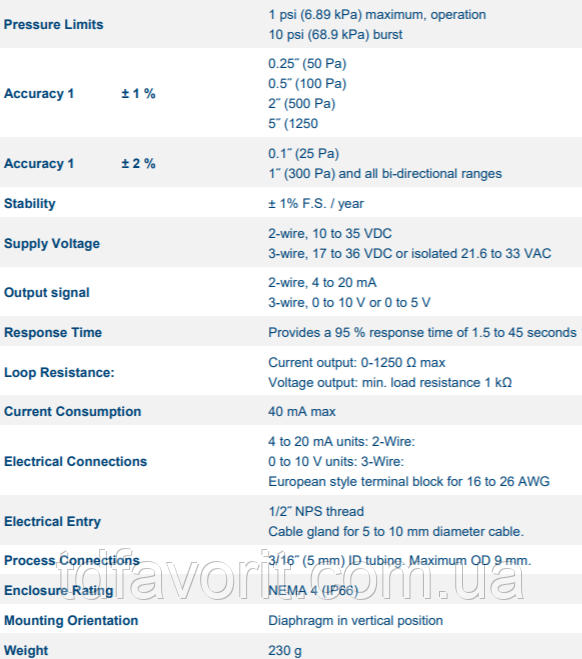 |
- Home
-
Products
- Pig Farming Equipment
- Cattle Farming Equipment
- Sheep & Goat Farming Equipment
- Poultry Farming Equipment
- Feeding & Drinking Systems
- Veterinary & Breeding Equipment
- Testing & Diagnostic Equipment
- Cleaning & Biosecurity Equipment
- Climate Control Equipment
- Livestock Weighing Equipment
- Manure & Waste Management
- Farm Transport & Handling
-
Solutions
- Pig Farm Solutions
- Dairy Farm Solutions
- Beef Cattle Farm Solutions
- Sheep & Goat Farm Solutions
- Layer Farm Solutions
- Broiler Farm Solutions
- Feeding & Drinking System Solutions
- Climate Control Solutions
- Biosecurity & Disinfection Solutions
- Manure & Waste Management
- Smart Farming Solutions
- Farm Renovation and Upgrade Solutions
- Partners
- Projects
- Resources
- News
- About Us
- Contact


Comments & Inquiries
Leave your questions or requirements below. We will reply as soon as possible.