
| Product Showcase | Content | ||||||||||||||||||||||||
|---|---|---|---|---|---|---|---|---|---|---|---|---|---|---|---|---|---|---|---|---|---|---|---|---|---|
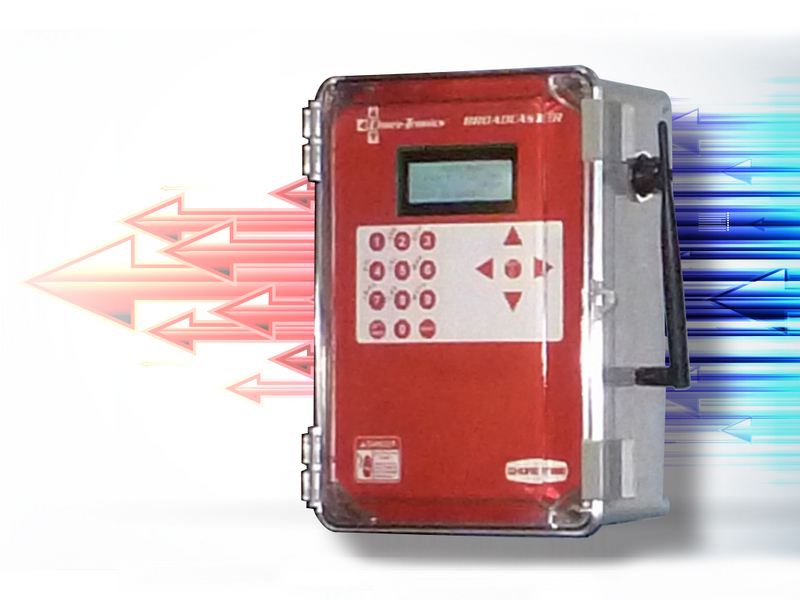
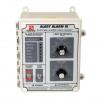
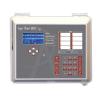
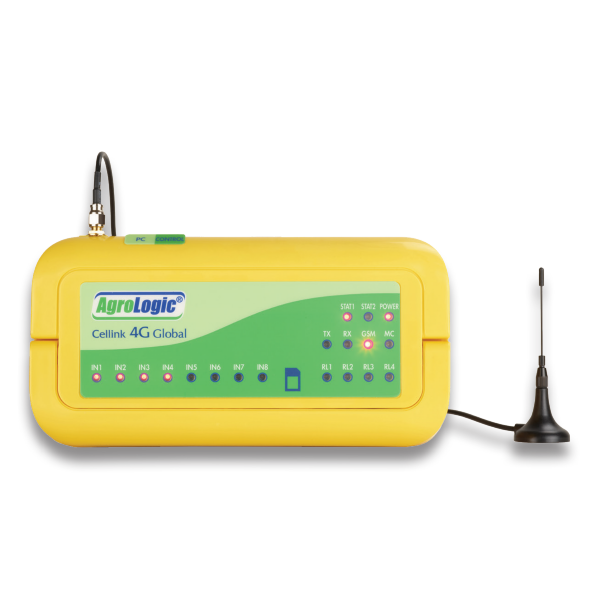
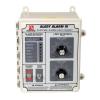
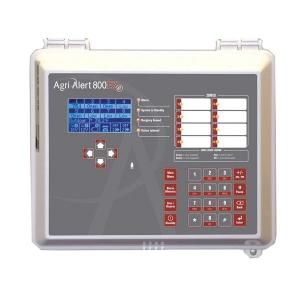
| Product Name | Remote Power Failure Alarm Gateway for Livestock Farms | ||||||||||||||||||||||||
| Product Image | 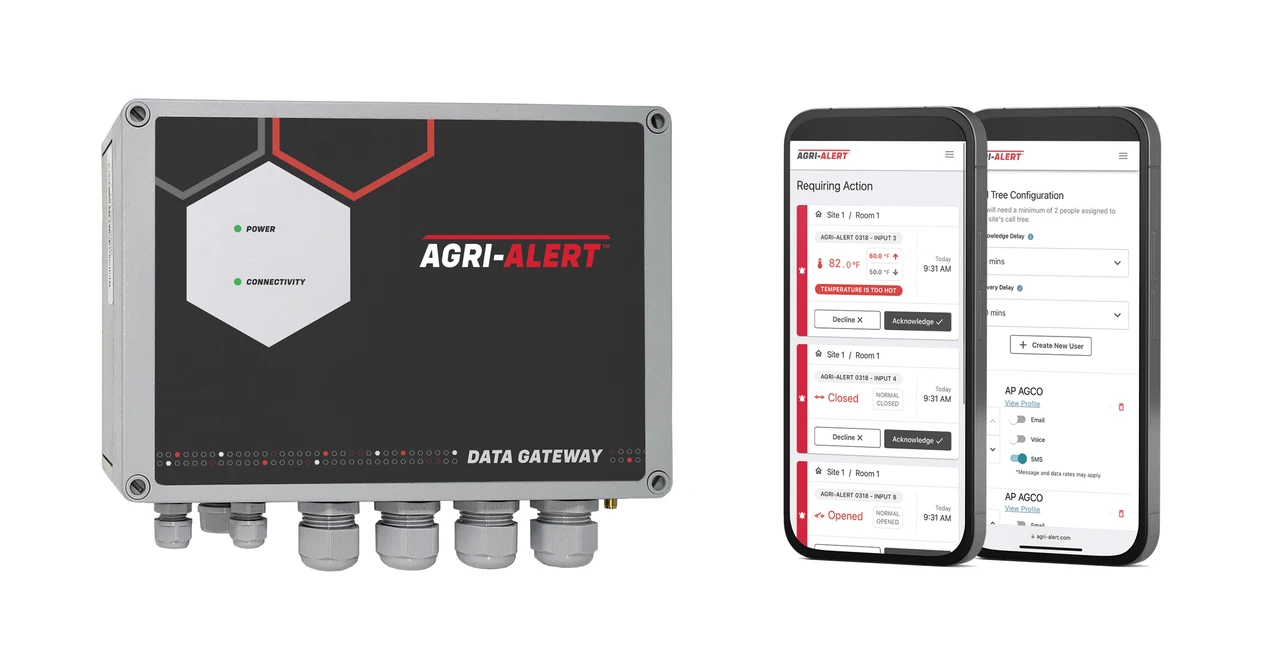 |
||||||||||||||||||||||||
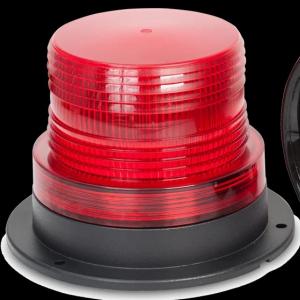
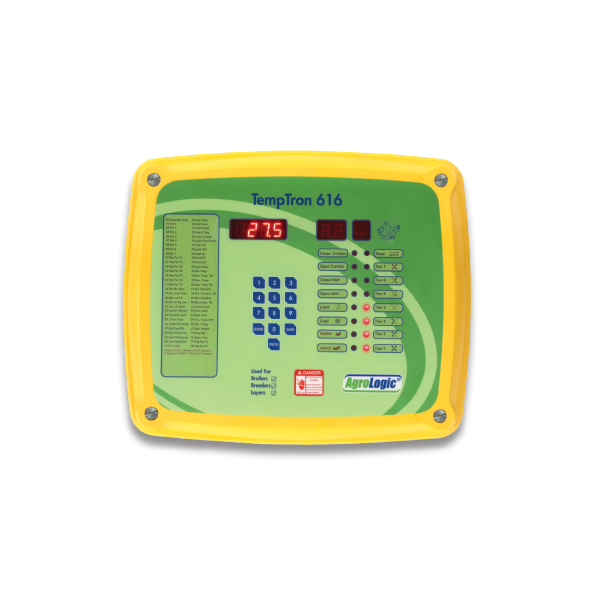
| Product Overview | The Remote Power Failure Alarm Gateway for Livestock Farms is designed to provide centralized monitoring and remote alarm communication for commercial poultry houses, pig farms, dairy barns and other livestock facilities. The gateway can connect to existing wired sensors and alarm circuits to monitor critical operating conditions such as electrical power, temperature, water supply and other farm equipment status signals. Remote access allows farm managers and service teams to check operating conditions from compatible phones, tablets or computers and respond quickly when an abnormal condition occurs. The system is especially suitable for modern livestock projects where ventilation, cooling, heating, feeding and watering equipment depend on continuous electrical power and reliable environmental monitoring. |
||||||||||||||||||||||||
| Key Features |
|
||||||||||||||||||||||||
| Structural Components | A typical remote alarm gateway system may include:
|
||||||||||||||||||||||||
| Working Principle / Structural Principle | The gateway receives operating signals from connected sensors and alarm circuits installed throughout the livestock facility. These signals may include electrical power status, temperature, water-system conditions and other equipment alarm contacts. During normal operation, the gateway continuously collects and transmits monitored information to the remote management platform. Authorized users can review current conditions and adjust supported notification settings. If a monitored parameter exceeds its configured threshold or if a power failure is detected, the system generates an alarm and sends a remote notification according to the selected communication and user settings. This architecture allows critical livestock-house conditions to be monitored without requiring staff to remain continuously inside the barn or control room. |
||||||||||||||||||||||||
| Technical Specifications |
|
||||||||||||||||||||||||
| Applications |
|
||||||||||||||||||||||||
| Customization Options | The remote monitoring gateway can be configured according to livestock species, building quantity, electrical system design and existing farm automation equipment. Available customization may include the number of monitoring zones, sensor types, alarm contact interfaces, network communication method, antenna arrangement, notification configuration and enclosure installation method. Project configurations can be designed according to local climate and farm conditions, including hot-climate poultry houses, enclosed pig barns, steel structure livestock buildings and multi-building agricultural projects. |
||||||||||||||||||||||||
| Installation & Maintenance | Install the gateway in an accessible electrical or environmental control area protected from direct washdown, excessive moisture and physical impact unless a suitable protective enclosure is specified. Connect compatible sensors and alarm contacts according to the approved wiring diagram. Where cellular communication is used, the antenna should be positioned to obtain stable network reception. Where wired internet is used, network cabling should be installed according to local electrical and low-voltage wiring practices. Commissioning should include verification of all monitoring zones, simulated power-loss testing, sensor alarm tests and confirmation that remote notifications are received by designated personnel. Routine maintenance should include inspection of cable connections, sensor condition, antenna installation, network status and alarm transmission performance. |
||||||||||||||||||||||||
| Project Cases | Commercial Poultry House Monitoring: A gateway can collect power, temperature and water-related alarm signals from a poultry house and transmit operating information to farm managers for remote supervision. Pig Farm Environmental Control Project: The gateway can be connected to compatible alarm contacts from ventilation and environmental control systems, helping operators respond quickly to power interruptions or abnormal barn conditions. Multi-Barn Livestock Complex: Multiple monitored zones can be planned for separate animal houses, utility rooms or production areas, with alarm information centralized for farm management personnel. Existing Farm Upgrade: Compatible existing wired sensors may be retained where suitable, reducing unnecessary replacement of field devices during modernization projects. |
||||||||||||||||||||||||
| Product FAQ | Q: Can this gateway send an alarm when the livestock house loses power? A: Yes. Power-failure monitoring is one of the primary applications of this type of livestock alarm gateway. Q: Can it monitor conditions other than electrical power? A: Yes. Compatible systems can monitor temperature, water and other connected sensor or alarm signals according to the selected configuration. Q: Can farm staff view the system remotely? A: Yes. Remote monitoring can be provided through compatible web or mobile platforms using a phone, tablet or computer. Q: Is cellular communication available? A: Cellular connectivity can be provided according to regional network conditions and project configuration. Existing internet connectivity may also be used where appropriate. Q: Can existing farm sensors be reused? A: Compatible wired sensors and alarm contacts can often be integrated, subject to electrical and signal compatibility. Q: Can this system be customized for large pig or poultry projects? A: Yes. Monitoring zones, sensor arrangement, communication method and alarm configuration can be designed according to project requirements. |
||||||||||||||||||||||||
| Product Gallery | 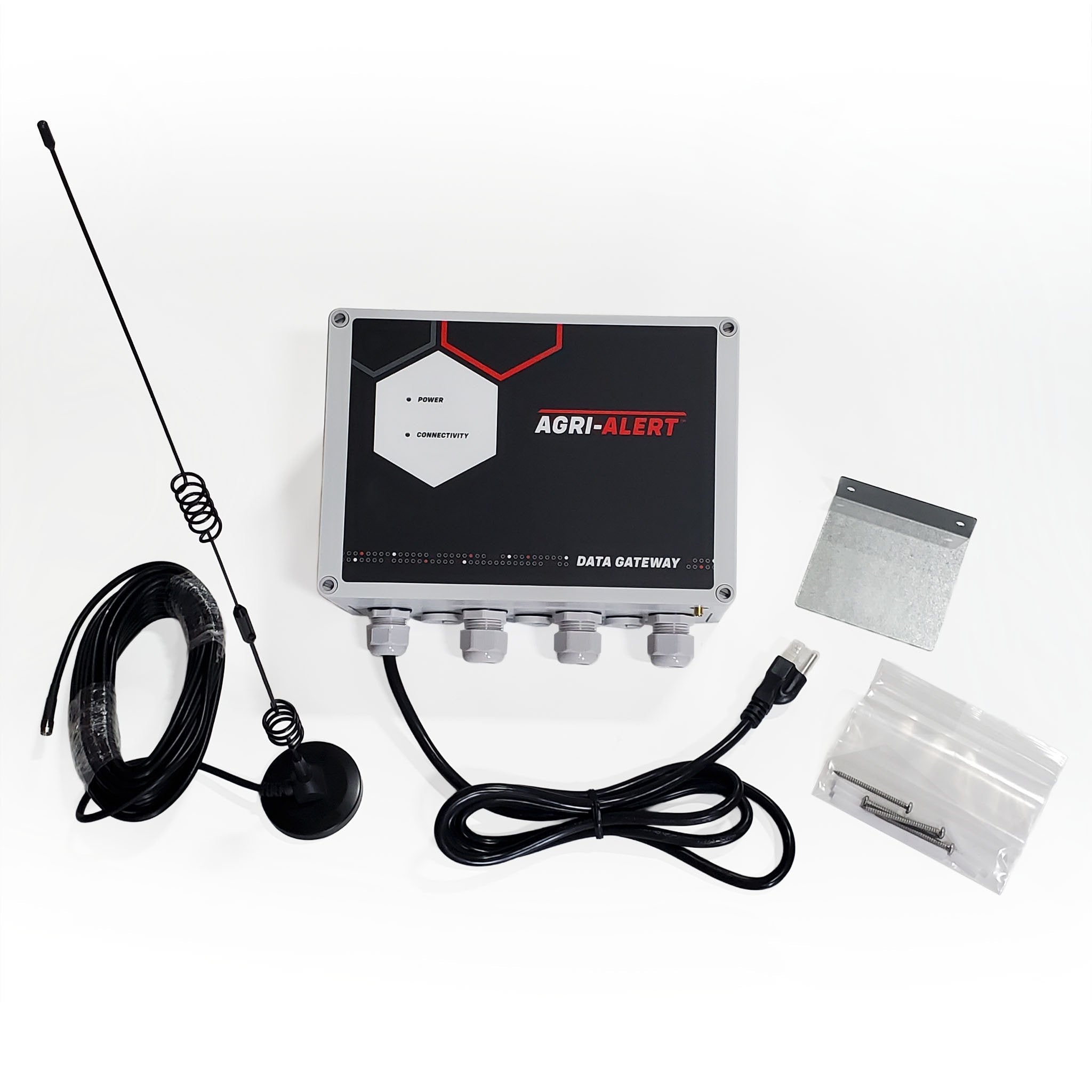 |
- Home
-
Products
- Pig Farming Equipment
- Cattle Farming Equipment
- Sheep & Goat Farming Equipment
- Poultry Farming Equipment
- Feeding & Drinking Systems
- Veterinary & Breeding Equipment
- Testing & Diagnostic Equipment
- Cleaning & Biosecurity Equipment
- Climate Control Equipment
- Livestock Weighing Equipment
- Manure & Waste Management
- Farm Transport & Handling
-
Solutions
- Pig Farm Solutions
- Dairy Farm Solutions
- Beef Cattle Farm Solutions
- Sheep & Goat Farm Solutions
- Layer Farm Solutions
- Broiler Farm Solutions
- Feeding & Drinking System Solutions
- Climate Control Solutions
- Biosecurity & Disinfection Solutions
- Manure & Waste Management
- Smart Farming Solutions
- Farm Renovation and Upgrade Solutions
- Partners
- Projects
- Resources
- News
- About Us
- Contact


Comments & Inquiries
Leave your questions or requirements below. We will reply as soon as possible.