

| Product Showcase | Content | ||||||||||||||||||||||
| Product Name | Poultry House Remote SMS and Voice Alarm System | ||||||||||||||||||||||
| Product Image | 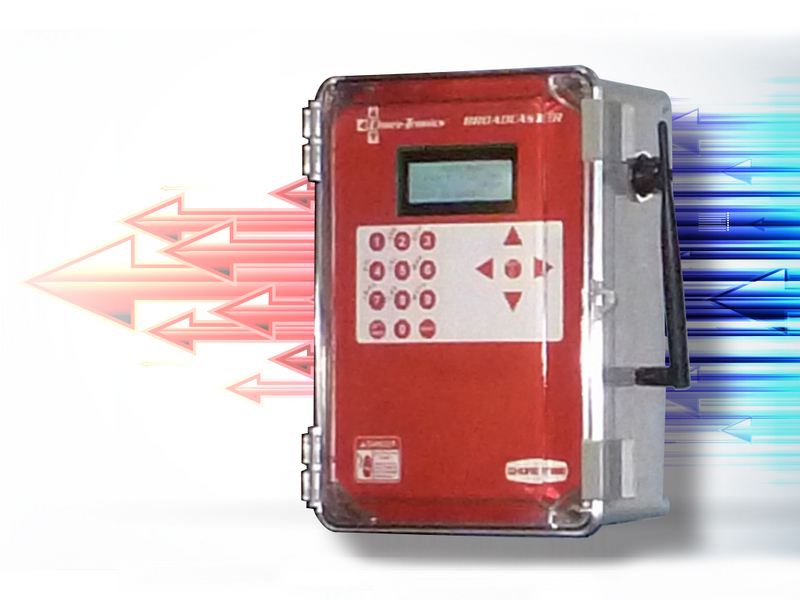 |
||||||||||||||||||||||
| Product Overview | The Poultry House Remote SMS and Voice Alarm System is designed for commercial poultry farms that require rapid remote notification when a critical house alarm occurs. It can be integrated with poultry environmental controllers, alarm contacts and other monitoring devices to transmit alarm information to designated personnel by SMS and/or voice call according to the selected project configuration. The system provides an additional communication layer between the poultry house and farm management personnel, helping operators respond to ventilation failure, abnormal environmental conditions, power-related alarms, equipment faults and other user-defined events. Local audible or visual warning devices can also be incorporated when required. |
||||||||||||||||||||||
| Key Features |
|
||||||||||||||||||||||
| Structural Components |
|
||||||||||||||||||||||
| Working Principle / Structural Principle | Alarm signals from the poultry house controller or auxiliary monitoring devices are connected to the remote alarm unit. When a configured alarm condition is detected, the controller processes the alarm and initiates the programmed notification sequence. Depending on system configuration, designated personnel receive an SMS message, voice call or both. The unit can continue through a programmed notification list until the alarm is acknowledged or the configured sequence is completed. At the same time, an optional relay output can activate a local siren or flashing warning light. This architecture provides both local alarm indication and remote notification, helping farms maintain alarm visibility even when managers are away from the poultry house. |
||||||||||||||||||||||
| Technical Specifications |
|
||||||||||||||||||||||
| Applications |
|
||||||||||||||||||||||
| Customization Options |
|
||||||||||||||||||||||
| Installation & Maintenance | The alarm controller should be installed in a dry and accessible control location where technicians can safely inspect the unit and wiring. Alarm input cables should be routed separately from high-power motor circuits where practical to reduce electrical interference. Before commissioning, each alarm input, recipient contact, notification method, acknowledgement function and external siren or beacon should be tested individually. Farms should also perform periodic functional alarm tests to verify communication availability and ensure emergency contact information remains current. For steel structure poultry houses and large farm complexes, cable routing, surge protection, grounding and communication coverage should be considered during the electrical and automation design stage. |
||||||||||||||||||||||
| Project Cases | Commercial Broiler Farm: Remote alarm notification can be connected to the main poultry climate controller so that ventilation, temperature and equipment alarms are transmitted to farm personnel. Multi-House Poultry Complex: Alarm inputs from several poultry houses can be organized into a centralized notification architecture according to the farm layout and control system design. Breeder or Layer Project: Remote notification can be combined with local audible and visual warning devices to provide both on-site and off-site alarm indication. |
||||||||||||||||||||||
| Product FAQ | Q1: Can the system send both SMS messages and voice calls? Yes. SMS, voice call or combined notification can be configured according to the selected communication system and local network conditions. Q2: Can it work with an existing poultry house controller? Integration is possible when the existing controller provides a compatible alarm output or interface. The controller model and alarm signal type should be confirmed before ordering. Q3: Can an external siren or warning light be connected? Yes. An external audible alarm, flashing beacon or combined audible and visual warning device can be supplied according to project requirements. Q4: Can the system monitor several types of farm alarms? Yes. Typical alarm points may include temperature, ventilation, generator status, power condition, water pressure, door status and equipment fault signals, subject to the selected input configuration. Q5: Can it be used for several poultry houses? Yes. Multi-house solutions can be designed according to the number of houses, controller interfaces and farm communication architecture. Q6: Is backup power available? Backup power options are available upon request and should be selected according to the farm electrical system and required emergency operating strategy. Q7: What information is required for quotation? Please provide the number of poultry houses, existing controller model, required alarm points, preferred SMS or voice notification method, local communication network, supply voltage and requirement for external sirens or flashing beacons. |
||||||||||||||||||||||
| Product Gallery | 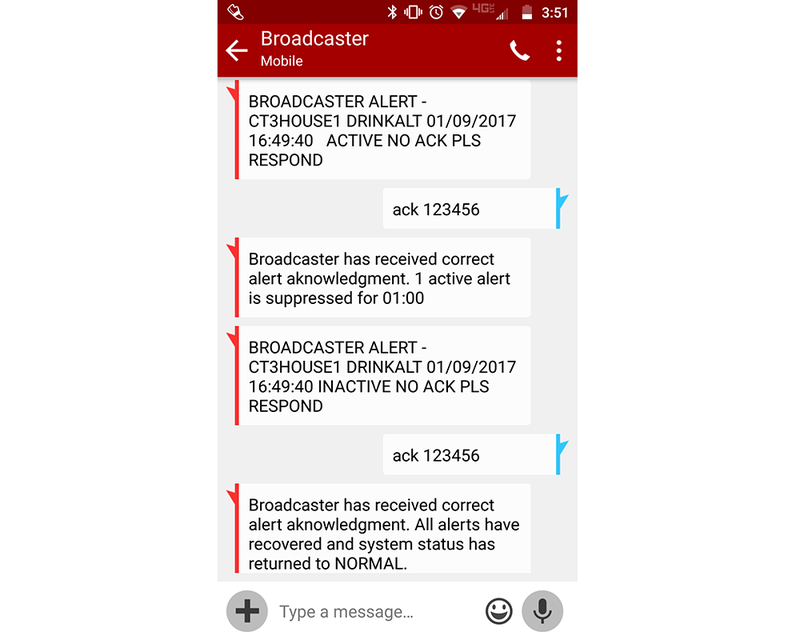 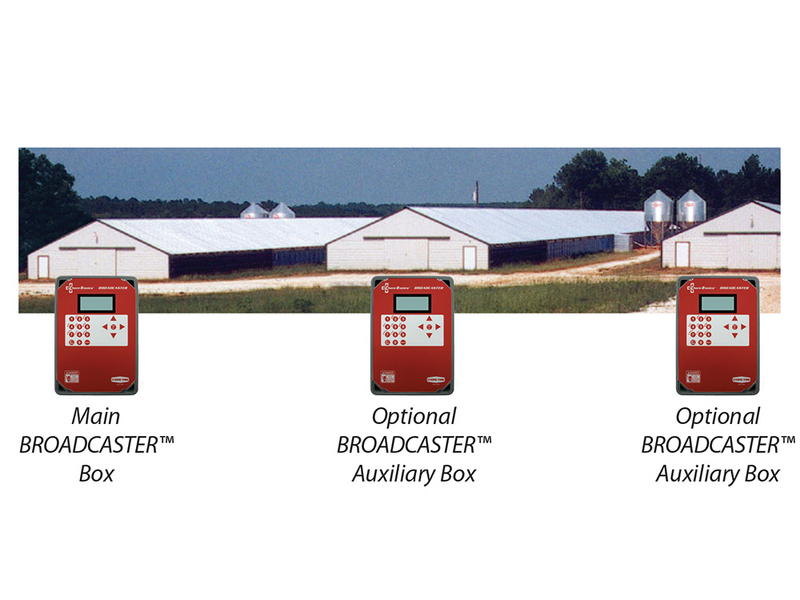 |
- Home
-
Products
- Pig Farming Equipment
- Cattle Farming Equipment
- Sheep & Goat Farming Equipment
- Poultry Farming Equipment
- Feeding & Drinking Systems
- Veterinary & Breeding Equipment
- Testing & Diagnostic Equipment
- Cleaning & Biosecurity Equipment
- Climate Control Equipment
- Livestock Weighing Equipment
- Manure & Waste Management
- Farm Transport & Handling
-
Solutions
- Pig Farm Solutions
- Dairy Farm Solutions
- Beef Cattle Farm Solutions
- Sheep & Goat Farm Solutions
- Layer Farm Solutions
- Broiler Farm Solutions
- Feeding & Drinking System Solutions
- Climate Control Solutions
- Biosecurity & Disinfection Solutions
- Manure & Waste Management
- Smart Farming Solutions
- Farm Renovation and Upgrade Solutions
- Partners
- Projects
- Resources
- News
- About Us
- Contact



Comments & Inquiries
Leave your questions or requirements below. We will reply as soon as possible.