

| Product Showcase | Content | ||||||||||||||||||||
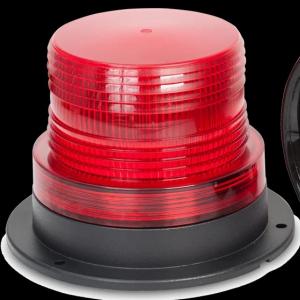
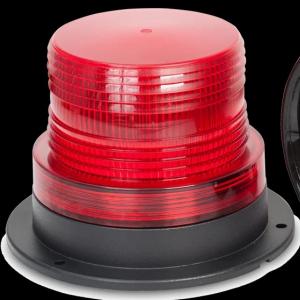
| Product Name | External Siren and Warning Light for Livestock Controllers | ||||||||||||||||||||
| Product Image | 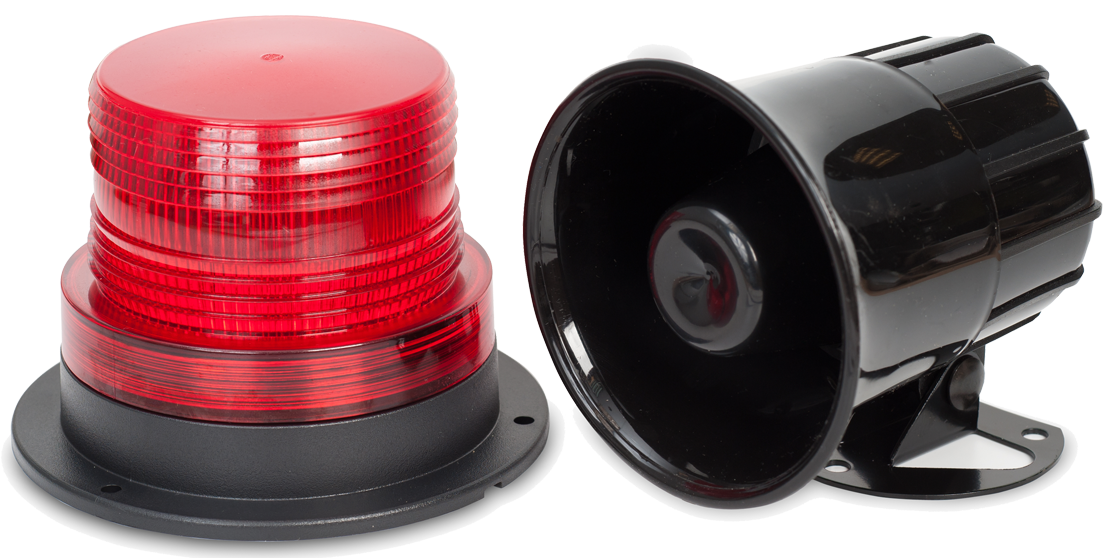 |
||||||||||||||||||||
| Product Overview | The External Siren and Warning Light for Livestock Controllers is an on-site alarm accessory designed to provide immediate audible and visual notification when a connected livestock house controller generates an alarm signal. It can be integrated with climate controllers, environmental monitoring systems, alarm panels, or farm automation equipment used in poultry houses, pig buildings, dairy barns, and other intensive livestock facilities. The system typically combines a high-visibility warning beacon with an audible siren or horn. When the controller detects a configured abnormal condition, the alarm output activates the external warning device so farm personnel can identify an emergency quickly, even when they are away from the controller cabinet. The unit is suitable for new livestock farm construction as well as modernization of existing ventilation, climate-control, and electrical systems. Electrical configuration, alarm interface, enclosure specification, and installation arrangement can be customized according to project requirements. |
||||||||||||||||||||
| Key Features |
|
||||||||||||||||||||
| Structural Components | A typical audible and visual livestock alarm assembly may include:
|
||||||||||||||||||||
| Working Principle / Structural Principle | The warning device receives an alarm activation signal from a livestock environmental controller, independent alarm controller, relay output, or compatible farm management system. Under normal operating conditions, the siren and warning light remain inactive. When the connected control system detects an abnormal condition that has been configured to trigger an alarm, its alarm output changes state. This output energizes the external alarm circuit directly or through an intermediate relay. The warning beacon and audible siren are then activated to alert farm workers. Depending on the controller configuration, alarm acknowledgement, reset, delay, priority, and activation logic are managed through the main livestock controller or alarm panel. The external unit functions as the local audible and visual notification device. |
||||||||||||||||||||
| Technical Specifications |
|
||||||||||||||||||||
| Applications |
|
||||||||||||||||||||
| Customization Options | Alarm system configuration can be adapted for different livestock farm projects. Available options may include operating voltage, warning-light color, siren type, mounting bracket, cable arrangement, connection terminal, control relay, enclosure configuration, and controller interface. For complete livestock-house projects, the external alarm can also be coordinated with environmental controllers, temperature sensors, ventilation equipment, emergency systems, and remote alarm gateways. Final configuration is designed according to the controller model, local electrical standard, livestock species, building layout, local climate, and farm operating requirements. |
||||||||||||||||||||
| Installation & Maintenance | Install the alarm unit in a position where both the warning light and audible signal can be clearly recognized by farm personnel. Typical locations include the exterior of livestock houses, technical rooms, controller areas, service corridors, or other frequently monitored positions. Electrical wiring should be carried out according to the livestock controller wiring diagram, alarm-output specification, local electrical regulations, and project drawings. Where the alarm output cannot drive the warning device directly, a suitable interface relay should be used. Cable routes should be protected from livestock contact, mechanical damage, moisture, cleaning operations, and strong electrical interference. During commissioning, verify alarm activation, reset operation, controller alarm logic, siren function, and visual indication. Routine maintenance should include periodic alarm tests, terminal inspection, cable inspection, cleaning of the beacon lens and siren opening, and confirmation that the warning device activates correctly from the controller. |
||||||||||||||||||||
| Project Cases | Commercial Pig House: External audible and visual alarm units can be connected to environmental controllers to provide local warning when configured temperature, ventilation, power, or equipment alarms occur. Poultry House: Warning beacons and sirens can be installed near house entrances or controller rooms so personnel can quickly recognize active environmental or equipment alarms. Livestock Farm Central Control System: Multiple livestock houses may use local alarm devices together with centralized control and remote notification systems to improve alarm visibility across larger farm sites. |
||||||||||||||||||||
| Product FAQ | Q: Can this siren and warning light connect directly to any livestock controller? A: Compatibility depends on the controller alarm-output type, operating voltage, and electrical load. Controller information should be confirmed before production or installation. Q: Can the alarm activate for ventilation or temperature failures? A: Yes, when the connected livestock controller is configured to generate an alarm for those conditions and provides a compatible alarm output. Q: Can it be used in both pig houses and poultry houses? A: Yes. Audible and visual local alarms are commonly used with environmental monitoring and automation systems in pig, poultry, dairy, and other livestock facilities. Q: Can the operating voltage and warning-light configuration be customized? A: Yes. Electrical configuration and warning-light options can be customized according to project requirements. Q: Can the alarm be installed outdoors? A: The required enclosure and environmental protection level should be selected according to the actual installation location, local climate, wash-down conditions, and farm environment. Q: Can it be supplied as part of a complete livestock control project? A: Yes. It can be supplied together with livestock controllers, sensors, ventilation control equipment, alarm interfaces, and other farm automation components according to project requirements. |
||||||||||||||||||||
| Product Gallery | 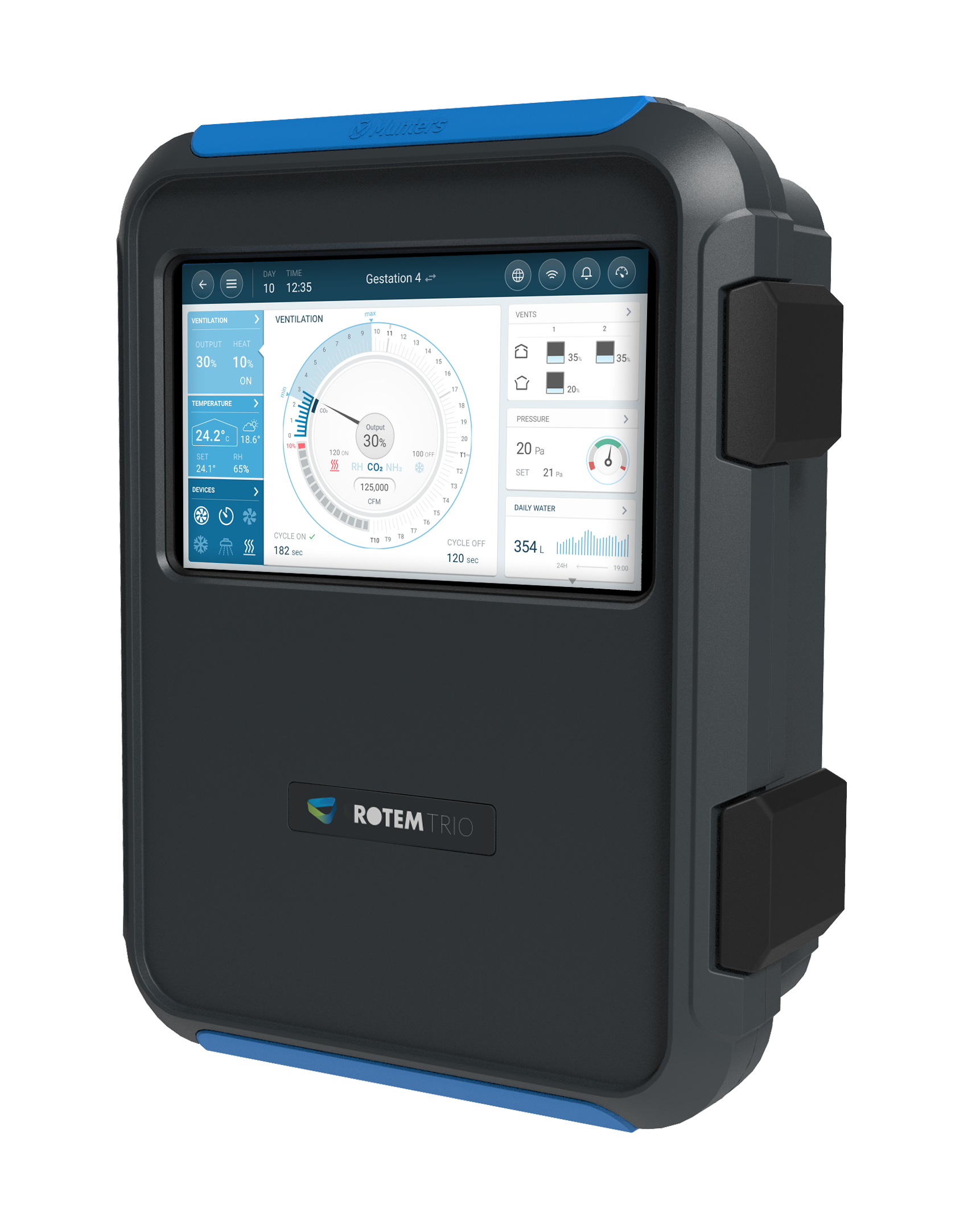  |
- Home
-
Products
- Pig Farming Equipment
- Cattle Farming Equipment
- Sheep & Goat Farming Equipment
- Poultry Farming Equipment
- Feeding & Drinking Systems
- Veterinary & Breeding Equipment
- Testing & Diagnostic Equipment
- Cleaning & Biosecurity Equipment
- Climate Control Equipment
- Livestock Weighing Equipment
- Manure & Waste Management
- Farm Transport & Handling
-
Solutions
- Pig Farm Solutions
- Dairy Farm Solutions
- Beef Cattle Farm Solutions
- Sheep & Goat Farm Solutions
- Layer Farm Solutions
- Broiler Farm Solutions
- Feeding & Drinking System Solutions
- Climate Control Solutions
- Biosecurity & Disinfection Solutions
- Manure & Waste Management
- Smart Farming Solutions
- Farm Renovation and Upgrade Solutions
- Partners
- Projects
- Resources
- News
- About Us
- Contact

Comments & Inquiries
Leave your questions or requirements below. We will reply as soon as possible.