


| Product Showcase | Content | ||||||||||||||||||||||||||||
| Product Name | 128-Zone Livestock Farm Remote Alarm Controller | ||||||||||||||||||||||||||||
| Product Image | 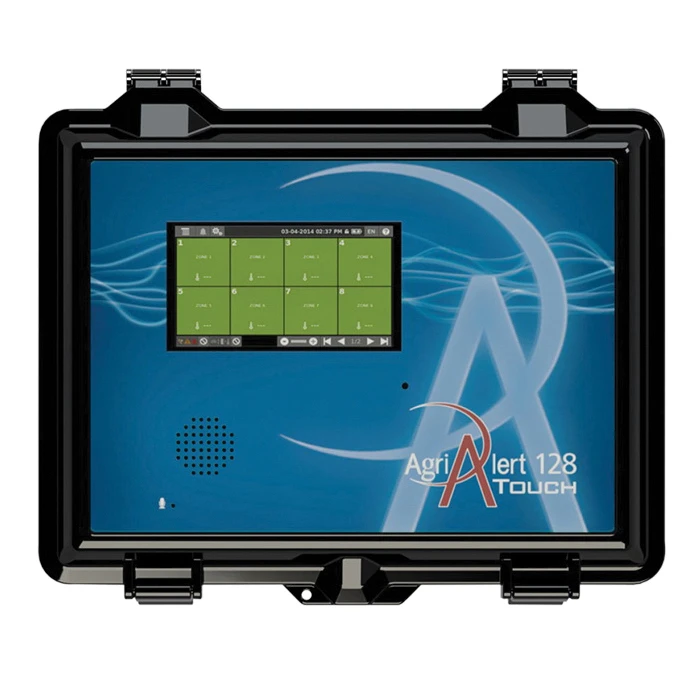 |
||||||||||||||||||||||||||||
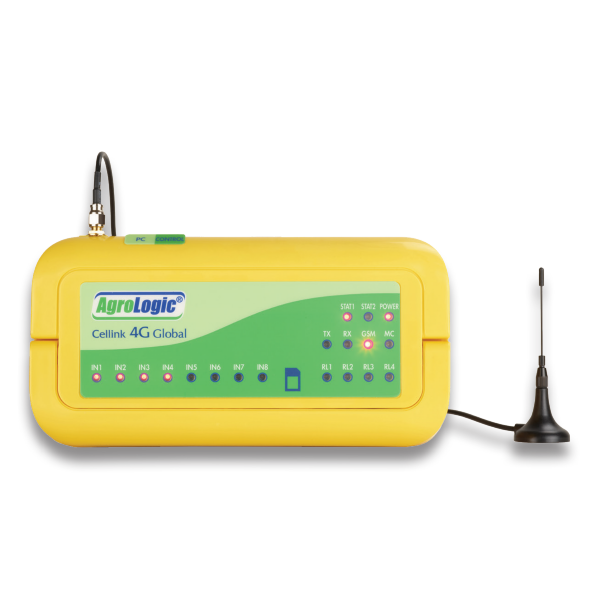
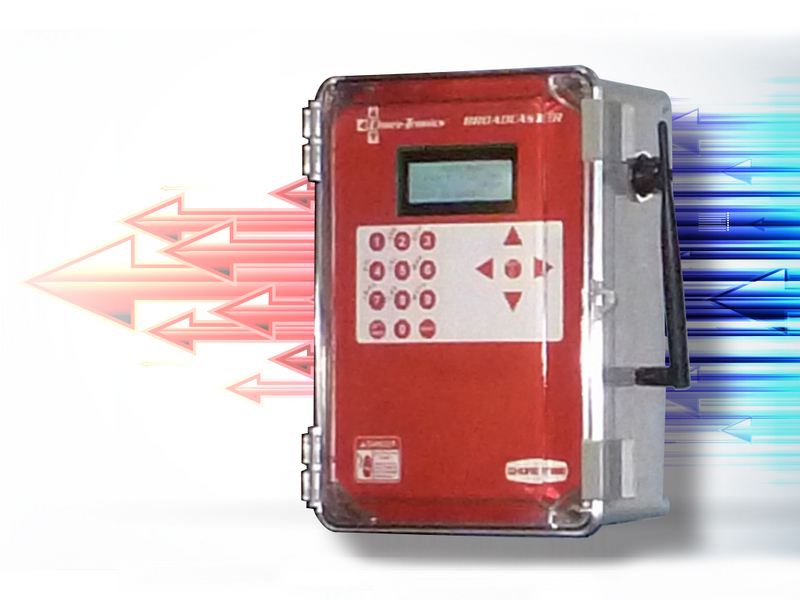
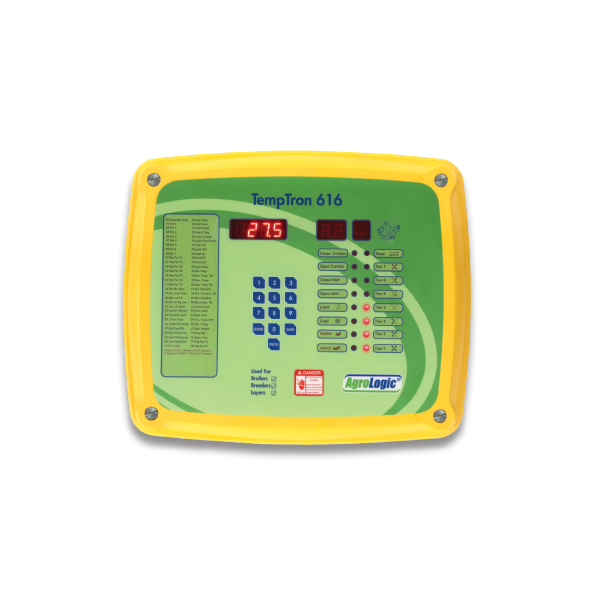
| Product Overview | The 128-Zone Livestock Farm Remote Alarm Controller is a centralized monitoring and alarm platform designed for large poultry farms, commercial pig farms, dairy facilities, hatcheries, livestock complexes, and multi-building agricultural projects. The controller can supervise up to 128 monitoring zones within a single alarm system, allowing operators to monitor multiple livestock houses, rooms, environmental systems, and critical farm equipment from one central platform. Typical monitored conditions include temperature, electrical power, feed and watering systems, equipment status, intrusion, and other sensor-based alarm points. A color touchscreen provides convenient local operation, while network connectivity can support remote system access and alarm notification. The modular architecture makes the system suitable for both smaller installations requiring future expansion and large commercial farm projects with distributed monitoring points. :chatgpt-content-reference{index="1"} |
||||||||||||||||||||||||||||
| Key Features |
|
||||||||||||||||||||||||||||
| Structural Components | A complete livestock farm alarm system can be configured with the following components according to project requirements:
|
||||||||||||||||||||||||||||
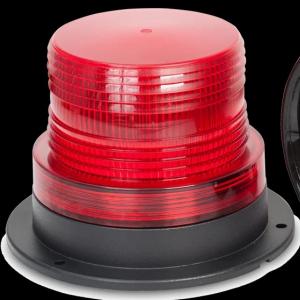
| Working Principle / Structural Principle | Sensors and equipment-status contacts installed throughout livestock houses are connected to the alarm controller directly or through compatible expansion modules. Each input is configured as an individual monitoring zone and assigned according to the required sensor or alarm function. The controller continuously evaluates incoming signals against programmed alarm conditions. For temperature monitoring, for example, high and low temperature limits can be established. Dry-contact inputs can be used for equipment status, power-failure relays, door contacts, feed-system alarms, water-system alarms, and other switch-based signals. Compatible analog inputs can be used with suitable sensors according to system configuration. When an abnormal condition occurs, the controller identifies the affected zone and activates the configured alarm sequence. Depending on system settings, the event can trigger a local siren, internal indication, telephone notification, email, SMS, or remote-access alert. Farm personnel can then locate the affected building or equipment and respond quickly. :chatgpt-content-reference{index="4"} |
||||||||||||||||||||||||||||
| Technical Specifications |
|
||||||||||||||||||||||||||||
| Applications |
|
||||||||||||||||||||||||||||
| Customization Options | The alarm system can be configured according to the number of livestock houses, production areas, monitored equipment, sensor types, communication requirements, and local farm infrastructure. Available project options may include zone quantity, temperature probes, dry-contact inputs, analog monitoring devices, remote expansion modules, audible and visual alarms, communication interfaces, programmable relays, battery backup, wireless modules, control-panel arrangement, and enclosure configuration. Monitoring points and alarm logic can be designed according to project requirements. Electrical configuration can also be adapted to local standards, while environmental protection and installation arrangements can be designed according to local climate and farm conditions. |
||||||||||||||||||||||||||||
| Installation & Maintenance | The main controller should be installed on a solid structure in a protected technical area with suitable electrical power, grounding, communication access, and convenient maintenance clearance. Sensor and zone wiring should be routed separately from high-voltage power cables where practical to reduce electrical interference. Distributed expansion modules can be installed closer to livestock houses or monitored equipment to simplify field wiring. Sensors, modules, alarm sirens, communication devices, and backup power components should be connected according to the approved project wiring diagram and controller instructions. During commissioning, each monitoring zone should be individually configured and tested. Alarm contacts, contact groups, siren operation, communication functions, temperature limits, zone labels, and remote notifications should also be verified. Routine maintenance should include testing sensors and alarm circuits, checking communication status, inspecting wiring terminals, confirming battery condition, reviewing alarm history, cleaning the control enclosure, and periodically testing remote notification functions. :chatgpt-content-reference{index="6"} |
||||||||||||||||||||||||||||
| Project Cases | Multi-House Poultry Farm: A centralized alarm controller can supervise temperature, power, ventilation, feed, and water conditions across multiple poultry houses while identifying each monitored area as an individual zone. Commercial Pig Farm: Alarm points can be distributed across farrowing, nursery, gestation, growing, and finishing buildings. The central controller enables farm staff to monitor critical environmental and equipment conditions from a single platform. Livestock Farm Expansion Project: Modular remote input devices can be added as new barns or production areas are constructed, allowing the alarm network to expand without replacing the central system. Farm Retrofit Project: Existing temperature probes, equipment contacts, power-monitoring devices, and compatible sensors can be integrated according to interface requirements to modernize an older livestock alarm installation. |
||||||||||||||||||||||||||||
| Product FAQ | Q: Can one controller monitor multiple livestock houses? A: Yes. A system with up to 128 monitoring zones is suitable for centralized monitoring of multiple buildings, production rooms, and equipment areas. Q: What conditions can the alarm system monitor? A: Typical applications include temperature, electrical power, feed and watering systems, equipment status, intrusion, and compatible sensor inputs. The exact monitoring functions depend on the installed sensors and modules. Q: Can alarm messages be sent remotely? A: Yes. Depending on configuration, the system can support internet remote access, email and SMS notifications, and telephone alarm functions. Q: Can the system be expanded after installation? A: Yes. The modular architecture allows additional monitoring zones and compatible remote modules to be added according to project requirements. Q: Can it monitor equipment failure as well as temperature? A: Yes. Compatible dry-contact and sensor inputs can be used to supervise fans, feed systems, water equipment, power relays, doors, and other farm equipment. Q: Is wireless monitoring available? A: Compatible wireless communication options can be included where required by the farm layout and project design. Q: Can it be used in pig farms as well as poultry farms? A: Yes. The alarm architecture is applicable to commercial pig farms, poultry houses, dairy barns, and other livestock facilities where centralized environmental and equipment monitoring is required. Q: Can SHEWUYOU configure a complete project package? A: Yes. Sensors, alarm inputs, remote modules, audible and visual alarm devices, communication options, control panels, and installation accessories can be configured according to project requirements. |
||||||||||||||||||||||||||||
| Product Gallery |  |
- Home
-
Products
- Pig Farming Equipment
- Cattle Farming Equipment
- Sheep & Goat Farming Equipment
- Poultry Farming Equipment
- Feeding & Drinking Systems
- Veterinary & Breeding Equipment
- Testing & Diagnostic Equipment
- Cleaning & Biosecurity Equipment
- Climate Control Equipment
- Livestock Weighing Equipment
- Manure & Waste Management
- Farm Transport & Handling
-
Solutions
- Pig Farm Solutions
- Dairy Farm Solutions
- Beef Cattle Farm Solutions
- Sheep & Goat Farm Solutions
- Layer Farm Solutions
- Broiler Farm Solutions
- Feeding & Drinking System Solutions
- Climate Control Solutions
- Biosecurity & Disinfection Solutions
- Manure & Waste Management
- Smart Farming Solutions
- Farm Renovation and Upgrade Solutions
- Partners
- Projects
- Resources
- News
- About Us
- Contact


Comments & Inquiries
Leave your questions or requirements below. We will reply as soon as possible.