


| Product Showcase | Content | ||||||||||||||||||||||||
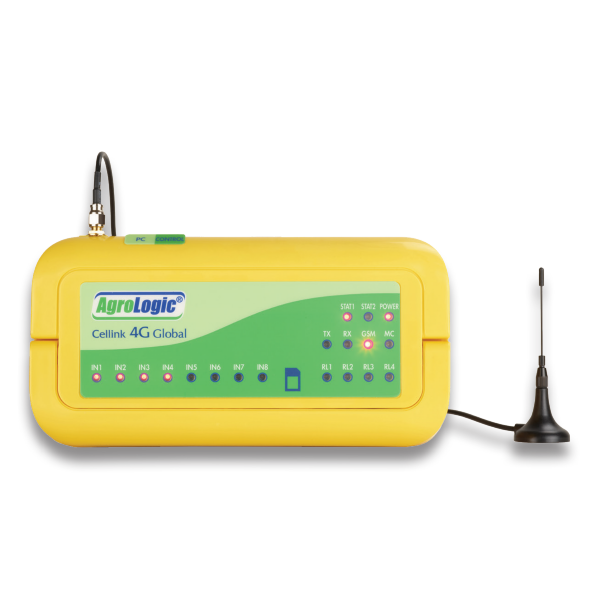
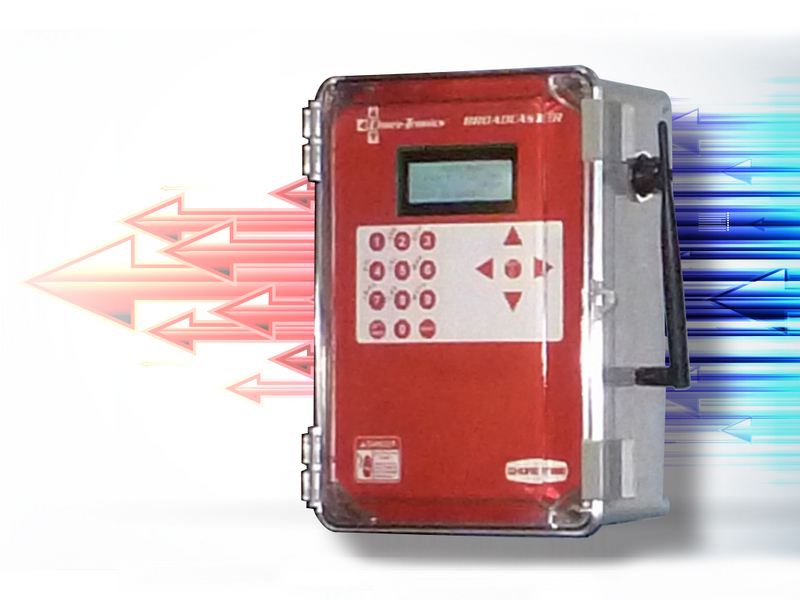
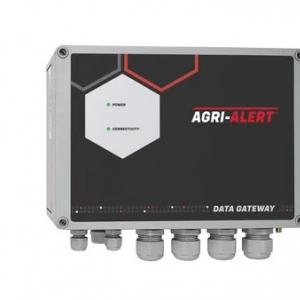
| Product Name | Remote Livestock Farm Alarm Communication Gateway | ||||||||||||||||||||||||
| Product Image |  |
||||||||||||||||||||||||
| Product Overview | The Remote Livestock Farm Alarm Communication Gateway is designed to connect critical livestock house alarm signals with remote farm management platforms. It provides a communication link between environmental sensors, alarm controllers and authorized farm personnel, allowing important operating conditions to be viewed remotely through compatible phones, tablets or computers. The gateway can be configured for poultry houses, pig farms, dairy barns and other intensive livestock facilities where continuous monitoring of temperature, power status, ventilation, water systems and equipment alarms is required. Internet, cellular or combined communication solutions can be selected according to local infrastructure and project requirements. |
||||||||||||||||||||||||
| Key Features |
|
||||||||||||||||||||||||
| Structural Components |
|
||||||||||||||||||||||||
| Working Principle / Structural Principle | Sensors, livestock house alarm controllers and equipment status contacts transmit operating information to the communication gateway. The gateway collects and processes these signals and transfers relevant data to a compatible remote monitoring platform through the configured network connection. When a monitored condition exceeds a configured threshold or an equipment alarm is activated, the system can generate a remote notification according to the selected alarm management configuration. Authorized personnel can then check current conditions remotely and determine the appropriate response. Depending on the project architecture, the gateway can also be integrated with local audible and visual alarms so that critical events are communicated both on site and remotely. |
||||||||||||||||||||||||
| Technical Specifications |
|
||||||||||||||||||||||||
| Applications |
|
||||||||||||||||||||||||
| Customization Options |
|
||||||||||||||||||||||||
| Installation & Maintenance | The gateway should be installed in an accessible control area with suitable power, grounding and communication coverage. For steel structure livestock buildings, the effect of metal wall panels, equipment rooms and building layout on cellular or wireless signal quality should be considered when selecting the installation position. Sensor cables and communication wiring should be routed according to the livestock house electrical design and separated from high-power motor circuits where practical. Antennas should be positioned according to the communication network requirements. During commissioning, technicians should verify every alarm input, sensor signal, communication connection, notification contact and optional audible or visual alarm output. Periodic alarm testing and inspection of wiring, antenna connections and power supply components are recommended. |
||||||||||||||||||||||||
| Project Cases | Commercial Pig Farm: The gateway can collect alarm signals from pig house environmental controllers and provide remote notification of power, ventilation, temperature and other critical operating conditions. Multi-House Poultry Project: Alarm information from several poultry buildings can be integrated into a centralized remote monitoring architecture, allowing farm managers to review important operating conditions without visiting each house. Livestock Farm Expansion: A modular communication and alarm architecture can be planned so that additional buildings, monitoring points and compatible equipment can be incorporated as the farm expands. |
||||||||||||||||||||||||
| Product FAQ | Q1: What does a livestock farm alarm communication gateway do? It connects compatible farm sensors and alarm systems with a remote monitoring platform so that authorized personnel can view conditions and receive alarm information away from the livestock building. Q2: Can the gateway work through cellular networks? Yes. Cellular communication can be configured according to local network availability and project requirements. Internet-based communication can also be used where suitable. Q3: Can existing wired sensors be retained? Compatible wired sensors may be integrated. The sensor type, electrical signal and existing controller interface should be confirmed before system design. Q4: What conditions can the system monitor? Typical applications include temperature, power status, water systems and compatible ventilation or equipment alarm signals. Additional monitoring functions depend on the selected sensors and system configuration. Q5: Can it be installed on a multi-house farm? Yes. Multi-building solutions can be configured according to the farm layout, number of livestock houses, communication coverage and required monitoring points. Q6: Can the system operate with local audible and visual alarms? Yes. Compatible sirens, flashing warning lights and other alarm outputs can be incorporated according to project requirements. Q7: What information is needed for system selection? Please provide the livestock type, number of buildings, existing alarm or climate controller models, required monitoring points, available communication network, supply voltage and preferred remote alarm functions. |
||||||||||||||||||||||||
| Product Gallery | 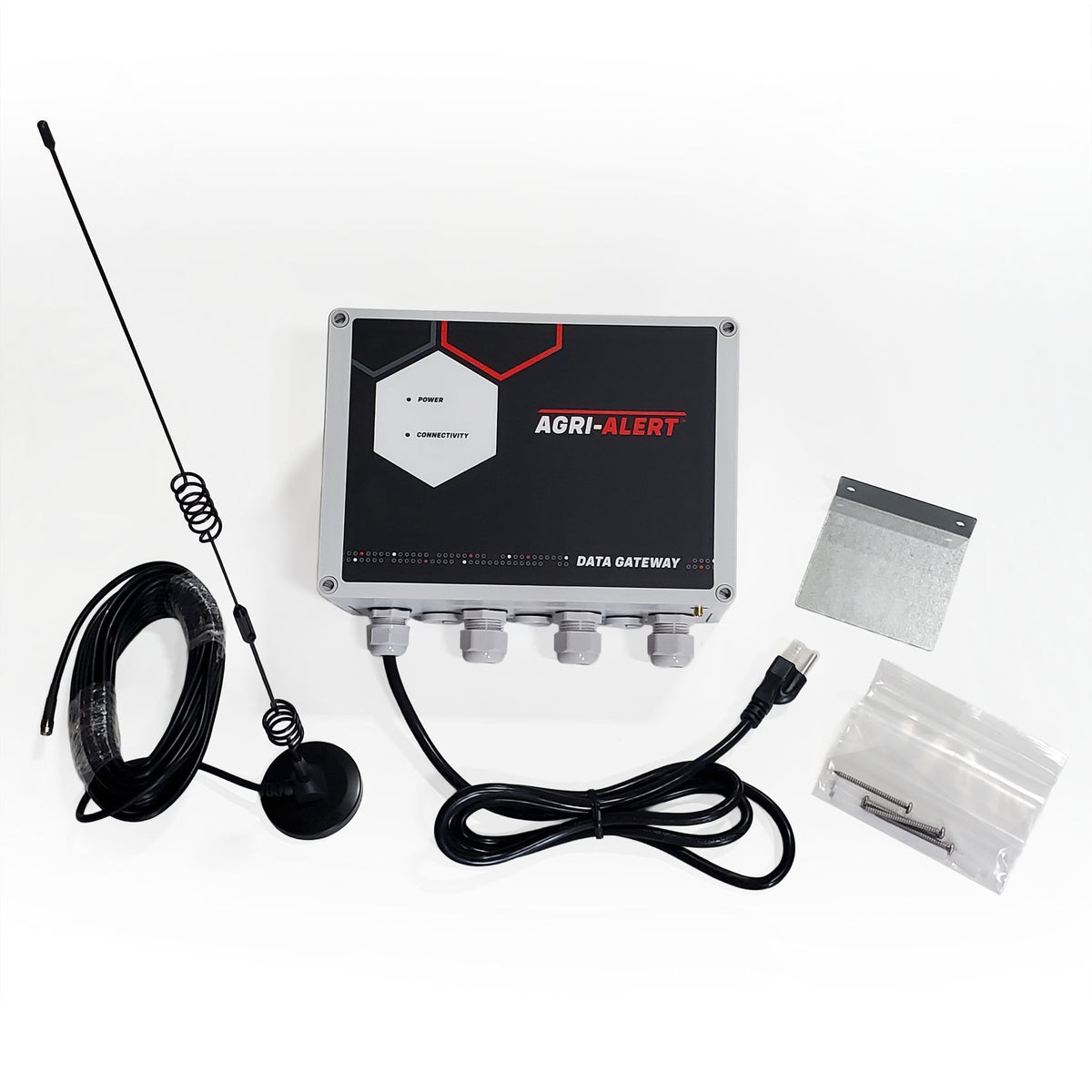  |
- Home
-
Products
- Pig Farming Equipment
- Cattle Farming Equipment
- Sheep & Goat Farming Equipment
- Poultry Farming Equipment
- Feeding & Drinking Systems
- Veterinary & Breeding Equipment
- Testing & Diagnostic Equipment
- Cleaning & Biosecurity Equipment
- Climate Control Equipment
- Livestock Weighing Equipment
- Manure & Waste Management
- Farm Transport & Handling
-
Solutions
- Pig Farm Solutions
- Dairy Farm Solutions
- Beef Cattle Farm Solutions
- Sheep & Goat Farm Solutions
- Layer Farm Solutions
- Broiler Farm Solutions
- Feeding & Drinking System Solutions
- Climate Control Solutions
- Biosecurity & Disinfection Solutions
- Manure & Waste Management
- Smart Farming Solutions
- Farm Renovation and Upgrade Solutions
- Partners
- Projects
- Resources
- News
- About Us
- Contact


Comments & Inquiries
Leave your questions or requirements below. We will reply as soon as possible.