
| Product Showcase | Content | ||||||||||||||||||||||||
| Product Name | Poultry House Siren and Flashing Beacon Alarm | ||||||||||||||||||||||||
| Product Image |  |
||||||||||||||||||||||||
| Product Overview | The Poultry House Siren and Flashing Beacon Alarm is an audible and visual warning device designed for commercial poultry houses, livestock buildings and agricultural equipment rooms. It provides an immediate local warning when a connected environmental controller, alarm panel or farm management system detects an abnormal operating condition. By combining a high-visibility flashing beacon with an audible siren, the unit helps farm personnel recognize alarm events quickly in noisy livestock environments, long poultry houses and service areas where a single warning method may not be sufficient. Typical monitored conditions can include high or low temperature, ventilation failure, power interruption, controller alarm, feed system malfunction, water supply problems and other equipment faults, depending on the connected control system. Commercial poultry control systems commonly provide alarm outputs for external sirens or warning lights, and dedicated farm alarm accessories use combined audible and visual signaling for immediate notification. :chatgpt-content-reference{index="0"} |
||||||||||||||||||||||||
| Key Features |
|
||||||||||||||||||||||||
| Structural Components |
|
||||||||||||||||||||||||
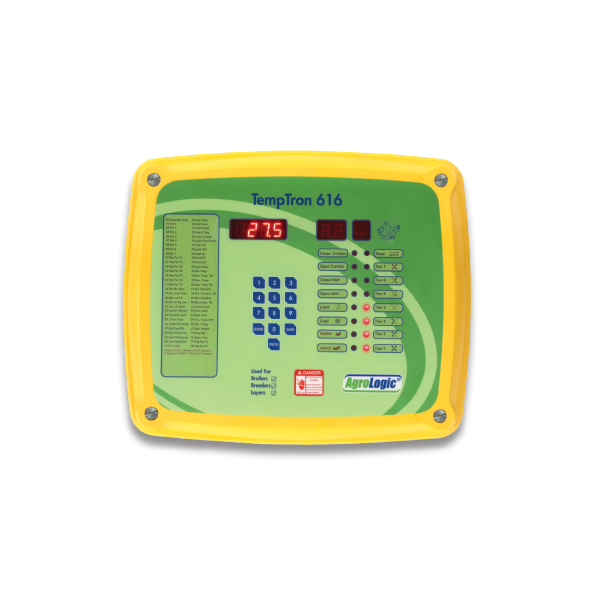
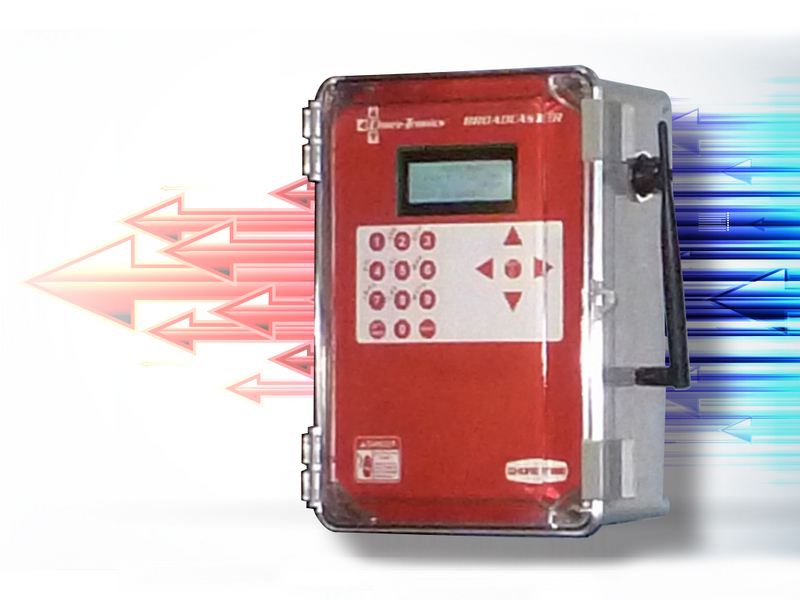
| Working Principle / Structural Principle | The alarm unit normally operates as an external warning device connected to a poultry-house climate controller, environmental alarm system or centralized farm management panel. When the monitoring controller detects a programmed abnormal condition, its alarm output or relay changes state and activates the siren and flashing beacon. The audible signal alerts personnel working nearby, while the flashing light provides a visible indication that can be identified from a distance or in areas with high ambient noise. Depending on the project design, alarm activation can be linked to one general alarm output or to selected emergency conditions such as excessive temperature, ventilation failure, power failure or critical equipment malfunction. Compatible poultry control systems can use dedicated alarm relays to operate external sirens or lights. :chatgpt-content-reference{index="1"} |
||||||||||||||||||||||||
| Technical Specifications |
|
||||||||||||||||||||||||
| Applications |
|
||||||||||||||||||||||||
| Customization Options | SHEWUYOU can configure the alarm according to livestock-house layout, controller type, electrical standards and environmental conditions.
|
||||||||||||||||||||||||
| Installation & Maintenance | Installation:
|
||||||||||||||||||||||||
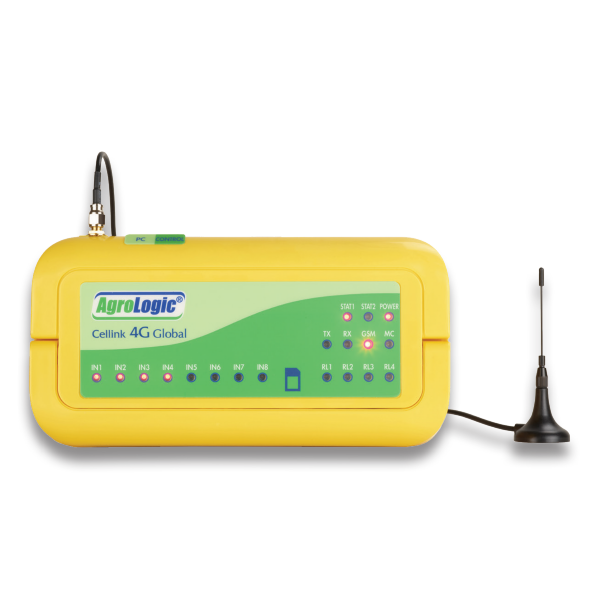
| Project Cases | Typical Broiler House Configuration: The audible and visual alarm is installed near the poultry-house entrance and connected to the environmental controller's general alarm output. Abnormal temperature, ventilation or controller conditions can activate the external warning point. Layer Farm Central Alarm Configuration: Alarm devices can be positioned at selected equipment-room or corridor locations to provide local warning when the farm's monitoring or environmental control system reports a critical condition. Multi-House Poultry Project: Individual poultry houses can use local siren and beacon units connected to house controllers, while centralized remote alarm equipment provides additional notification for farm management personnel. The final configuration is designed according to the controller architecture, farm layout and project safety requirements. |
||||||||||||||||||||||||
| Product FAQ | Q1: What types of poultry-house alarms can activate the siren and beacon? A: The device can be integrated with compatible controllers or alarm panels for events such as temperature alarms, ventilation faults, power problems, feeding-system faults and other programmable equipment alarms. The exact functions depend on the connected controller. Q2: Can the alarm work with an existing poultry climate controller? A: In many projects, yes. Compatibility depends on the controller's alarm output type, relay capacity, operating voltage and wiring configuration. Controller information should be confirmed before production. Q3: Can the siren and flashing beacon operate during a power failure? A: A backup-powered or independently powered configuration can be designed according to project requirements. The alarm power architecture should be selected together with the farm's emergency power and controller system. Q4: Can the alarm specifications be customized for different countries? A: Yes. Voltage, alarm interface, beacon configuration, siren specification, mounting arrangement and other details can be customized according to local electrical standards and farm conditions. Q5: Where should the alarm be installed? A: It should be positioned where farm personnel can clearly see and hear the warning, while remaining protected from physical damage, direct washing and unsuitable environmental exposure. Q6: Is it suitable only for poultry farms? A: Poultry houses are the primary application, but the same alarm concept can also be used in pig barns, livestock buildings, feed rooms and other agricultural facilities when matched to a compatible alarm controller. |
||||||||||||||||||||||||
| Product Gallery | 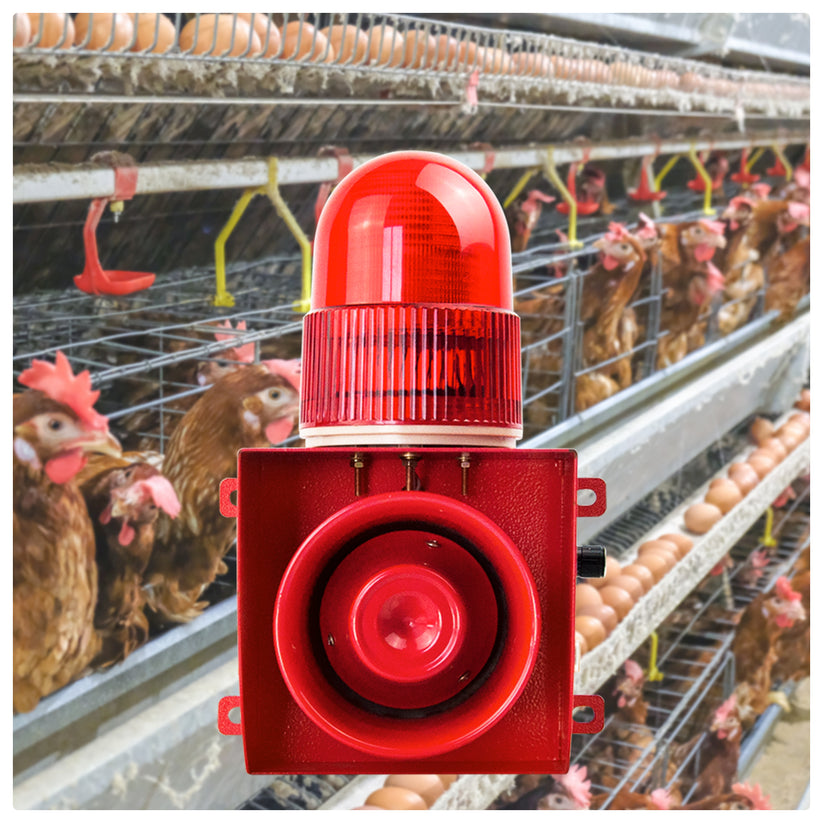  |
- Home
-
Products
- Pig Farming Equipment
- Cattle Farming Equipment
- Sheep & Goat Farming Equipment
- Poultry Farming Equipment
- Feeding & Drinking Systems
- Veterinary & Breeding Equipment
- Testing & Diagnostic Equipment
- Cleaning & Biosecurity Equipment
- Climate Control Equipment
- Livestock Weighing Equipment
- Manure & Waste Management
- Farm Transport & Handling
-
Solutions
- Pig Farm Solutions
- Dairy Farm Solutions
- Beef Cattle Farm Solutions
- Sheep & Goat Farm Solutions
- Layer Farm Solutions
- Broiler Farm Solutions
- Feeding & Drinking System Solutions
- Climate Control Solutions
- Biosecurity & Disinfection Solutions
- Manure & Waste Management
- Smart Farming Solutions
- Farm Renovation and Upgrade Solutions
- Partners
- Projects
- Resources
- News
- About Us
- Contact



Comments & Inquiries
Leave your questions or requirements below. We will reply as soon as possible.