
| Product Showcase | Content | ||||||||||||||||||||||||
| Product Name | 4G GSM Temperature Alarm for Livestock Farms | ||||||||||||||||||||||||
| Product Image | 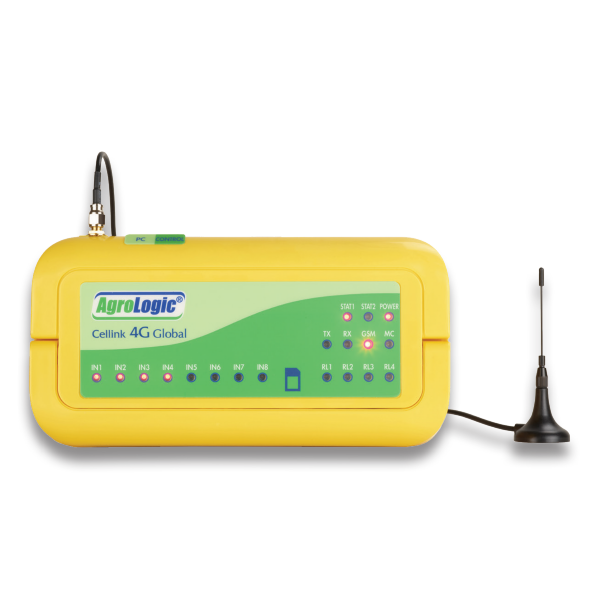 |
||||||||||||||||||||||||
| Product Overview | The 4G GSM Temperature Alarm for Livestock Farms is a remote monitoring and alarm communication solution designed for poultry houses, pig barns, dairy facilities and other commercial livestock buildings. It can receive signals from temperature sensors and connected farm equipment, compare operating conditions with programmed alarm limits, and send remote notifications when abnormal conditions occur. The system is particularly suitable for livestock facilities where ventilation, heating and cooling equipment must operate continuously. High temperature, low temperature, power interruption or equipment alarm signals can be transmitted to farm managers without requiring permanent staff presence inside the livestock house. Depending on project configuration, the alarm unit can also be integrated with livestock climate controllers, dry-contact alarm outputs, humidity sensors and other environmental monitoring devices. |
||||||||||||||||||||||||
| Key Features |
|
||||||||||||||||||||||||
| Structural Components | A typical system can include:
|
||||||||||||||||||||||||
| Working Principle / Structural Principle | Temperature sensors are installed at representative locations inside the livestock house and connected to the alarm controller. The controller continuously receives sensor signals and compares them with the programmed high and low alarm limits. When the measured temperature exceeds an upper limit or falls below a lower limit, the alarm unit generates an alarm and transmits a notification through the 4G GSM cellular network. Additional alarm contacts from ventilation controllers, power monitoring devices or other farm equipment can also be connected to the alarm inputs. Depending on the selected configuration, farm personnel may request current operating information remotely or operate designated relay outputs. A rechargeable backup power system can maintain essential alarm communication for a period after mains power interruption. |
||||||||||||||||||||||||
| Technical Specifications |
|
||||||||||||||||||||||||
| Applications |
|
||||||||||||||||||||||||
| Customization Options | The alarm system can be configured according to livestock type, house layout, local communication network and existing climate-control equipment. Available customization may include:
|
||||||||||||||||||||||||
| Installation & Maintenance | Install the alarm controller in a protected service area, electrical room or suitable equipment location with stable power supply and adequate cellular signal. The external GSM antenna should be positioned to achieve reliable communication without interference from large steel structural components where possible. Temperature sensors should be installed at representative animal level or environmental monitoring positions and kept away from direct heater radiation, cooling pad discharge, doors or other locations that could create misleading readings. Alarm contacts from ventilation or climate controllers should be wired according to the project electrical diagram. During commissioning, verify sensor readings, high and low alarm limits, cellular communication, recipient numbers, power failure response and backup battery operation. Periodic maintenance should include alarm testing, sensor inspection, cable inspection, terminal tightening, antenna inspection and backup battery checking. |
||||||||||||||||||||||||
| Project Cases | Typical project configurations include multi-house poultry farms requiring centralized remote alarm notification, commercial pig farms monitoring ventilation and temperature conditions, and livestock construction projects where alarm equipment must interface with existing environmental controllers. For large farms, individual alarm zones can be assigned to different houses or equipment groups so that maintenance personnel can quickly identify the source of an abnormal condition. System architecture, sensor quantity and communication configuration are selected according to the actual farm layout. |
||||||||||||||||||||||||
| Product FAQ | Q: Can the alarm send notifications when livestock house temperature becomes too high or too low? A: Yes. High and low temperature limits can be configured, and the system can send remote alarm notifications when measured values exceed the programmed limits. Q: Can the system monitor more than temperature? A: Yes. Depending on the selected configuration, it can accept humidity sensors, power failure signals, ventilation alarms and other digital or analog inputs. Q: Can it work with an existing poultry or pig house climate controller? A: In many projects, the alarm unit can receive alarm relay signals or communicate with compatible controllers. The exact interface should be confirmed before production. Q: Does the system continue working during a power failure? A: A rechargeable backup battery configuration is available. Backup duration depends on battery capacity, communication conditions and project configuration. Q: Can the 4G communication module be supplied for different countries? A: Network configuration can be selected according to destination-country frequency bands, SIM requirements and local operator conditions. Q: Can alarm inputs and relay outputs be customized? A: Yes. Input and output configuration can be customized according to the livestock house electrical design and monitoring requirements. |
||||||||||||||||||||||||
| Product Gallery |    |
- Home
-
Products
- Pig Farming Equipment
- Cattle Farming Equipment
- Sheep & Goat Farming Equipment
- Poultry Farming Equipment
- Feeding & Drinking Systems
- Veterinary & Breeding Equipment
- Testing & Diagnostic Equipment
- Cleaning & Biosecurity Equipment
- Climate Control Equipment
- Livestock Weighing Equipment
- Manure & Waste Management
- Farm Transport & Handling
-
Solutions
- Pig Farm Solutions
- Dairy Farm Solutions
- Beef Cattle Farm Solutions
- Sheep & Goat Farm Solutions
- Layer Farm Solutions
- Broiler Farm Solutions
- Feeding & Drinking System Solutions
- Climate Control Solutions
- Biosecurity & Disinfection Solutions
- Manure & Waste Management
- Smart Farming Solutions
- Farm Renovation and Upgrade Solutions
- Partners
- Projects
- Resources
- News
- About Us
- Contact


Comments & Inquiries
Leave your questions or requirements below. We will reply as soon as possible.