

| Product Showcase | Content | ||||||||||||||||||||
| Product Name | Livestock House Power and Equipment Failure Alarm System | ||||||||||||||||||||
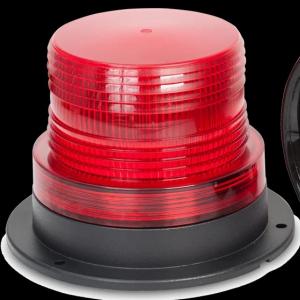
| Product Image | 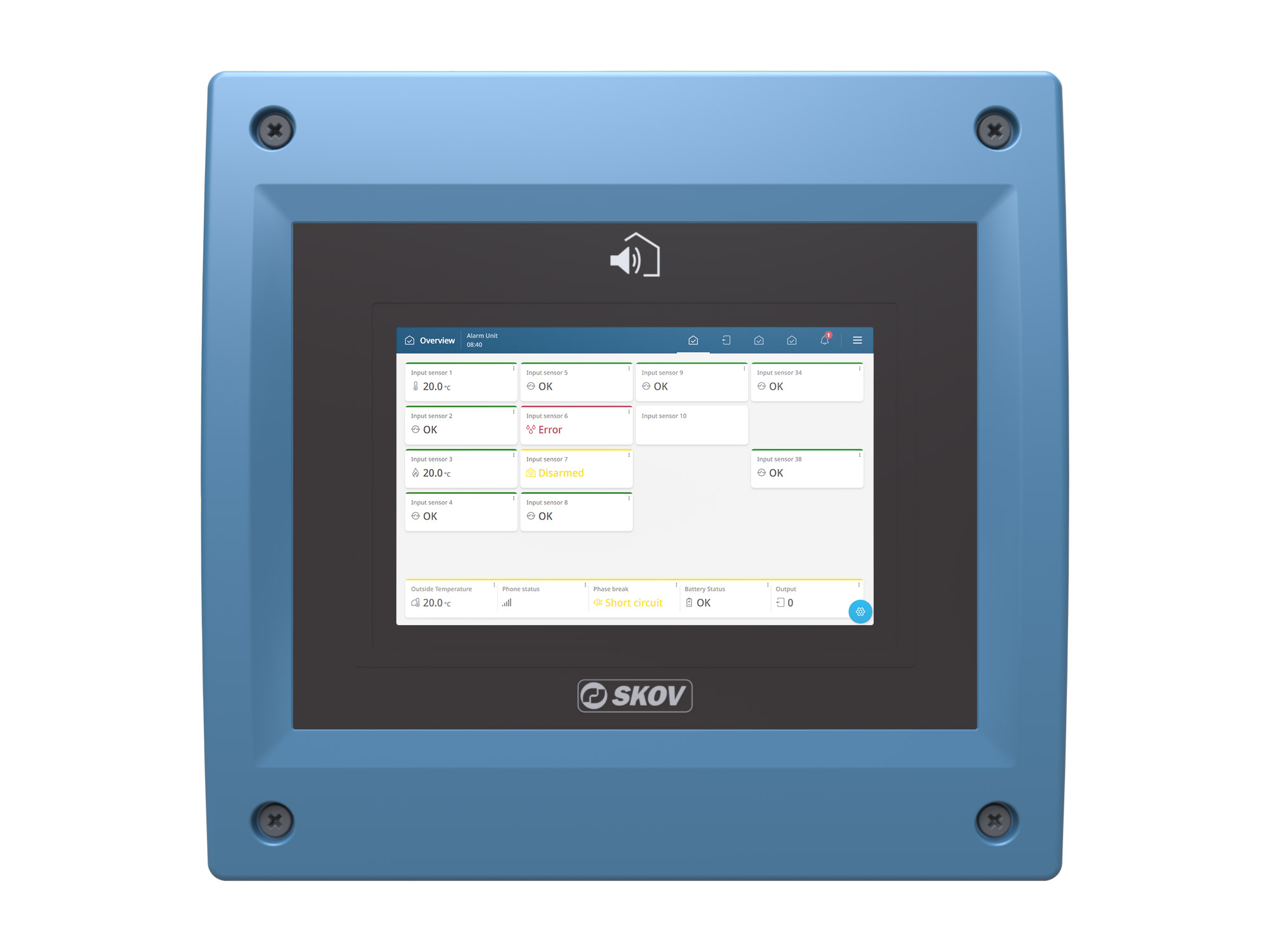 |
||||||||||||||||||||
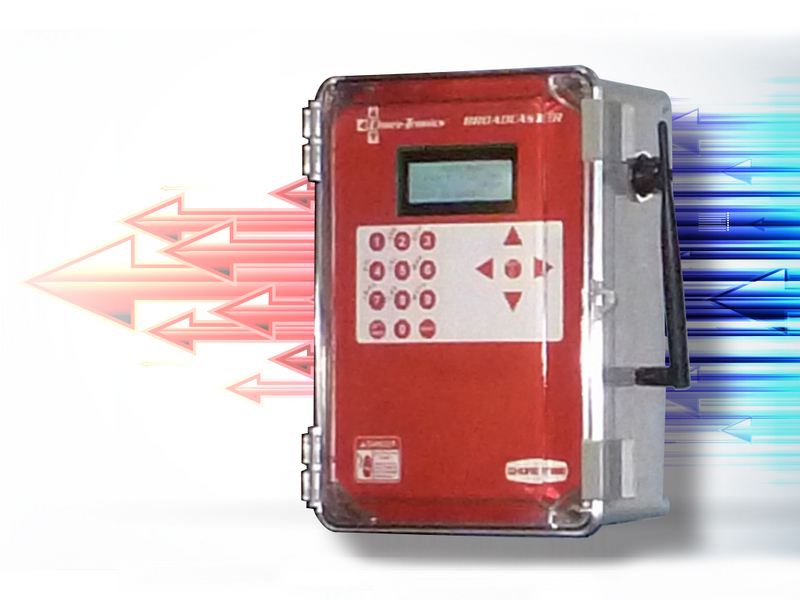
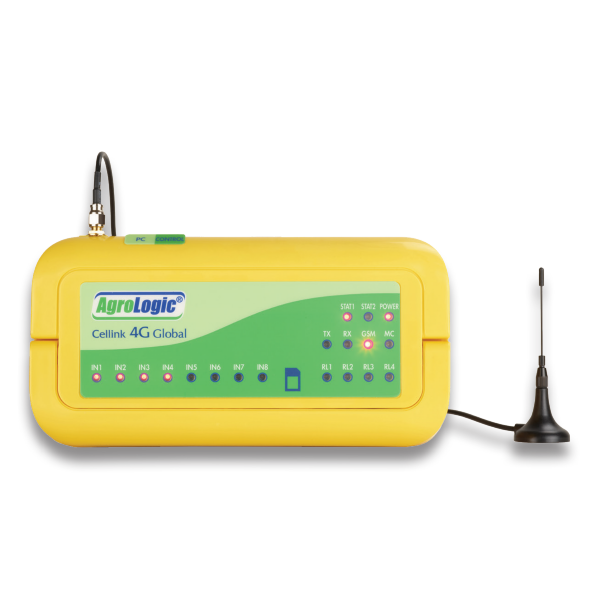
| Product Overview | The Livestock House Power and Equipment Failure Alarm System is designed for continuous supervision of critical operating conditions in commercial pig houses, poultry houses and other livestock facilities. It helps farm operators detect power interruptions, ventilation faults, abnormal temperatures and selected equipment failures before they develop into serious production or animal welfare risks. The system can be configured as an independent alarm platform or integrated with compatible livestock house climate controllers, sensors and equipment status contacts. It is suitable for both new livestock farm construction and retrofit projects where reliable emergency notification is required. |
||||||||||||||||||||
| Key Features |
|
||||||||||||||||||||
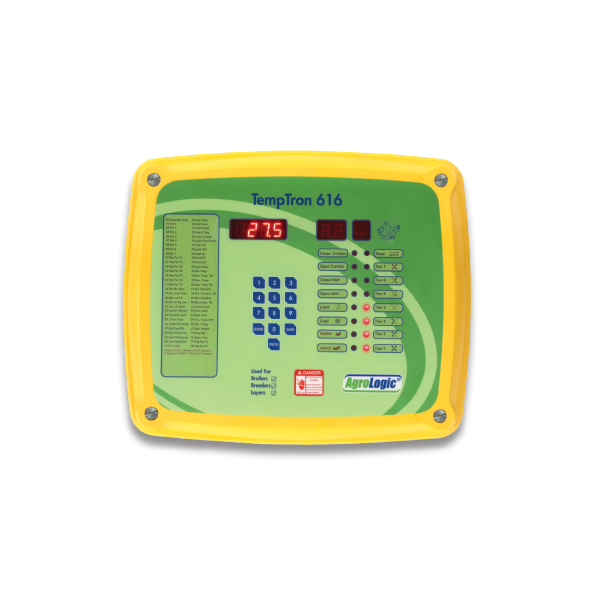
| Structural Components | A typical system consists of an alarm control unit, display or operating interface, alarm inputs, sensor connections, equipment status terminals, communication interfaces and local alarm outputs. Depending on project requirements, optional components may include temperature sensors, humidity sensors, power failure relays, dry-contact interfaces, silo level sensors, water monitoring inputs, sirens, flashing lights, communication modules and backup batteries. |
||||||||||||||||||||
| Working Principle / Structural Principle | The alarm controller continuously receives operating signals from connected sensors, electrical circuits and livestock house equipment. Each monitored point is assigned an acceptable operating condition or alarm threshold. If the mains supply fails, ventilation equipment stops, temperature exceeds the configured limit or another connected device reports a fault, the controller activates the corresponding alarm procedure. Depending on the selected configuration, the warning can be transmitted through local sirens, flashing lights, telephone communication, text notification or other compatible remote communication methods. Independent alarm supervision provides an additional safety layer when livestock house climate and production equipment depend heavily on continuous electrical power and mechanical ventilation. |
||||||||||||||||||||
| Technical Specifications |
|
||||||||||||||||||||
| Applications |
|
||||||||||||||||||||
| Customization Options | Alarm configurations can be customized according to livestock house quantity, farm layout, monitored equipment and local communication infrastructure. Available options may include additional alarm inputs, temperature monitoring points, external alarm devices, dry-contact interfaces, communication modules, backup power components and integration with compatible climate or production controllers. Electrical supply, communication method, enclosure configuration and installation accessories can be designed according to local climate and farm conditions. |
||||||||||||||||||||
| Installation & Maintenance | The alarm controller should be installed in a protected, accessible location near the livestock house climate controller, electrical cabinet or equipment control area. Monitoring inputs should be clearly identified and connected according to the approved electrical drawings. Signal wiring should be routed carefully to reduce interference from motors, frequency converters and other high-power livestock equipment. Alarm outputs, communication functions and backup power should be tested during commissioning. Routine maintenance should include inspection of wiring terminals, sensors, alarm devices, batteries and communication status. Regular functional alarm testing is recommended to confirm that farm personnel receive warnings correctly. |
||||||||||||||||||||
| Project Cases | Typical applications include pig farms where mechanical ventilation operates continuously, poultry projects with multiple climate-controlled houses, breeder farms, livestock buildings with automated feeding systems and large agricultural projects requiring centralized emergency monitoring. For multi-building projects, individual alarm points can be assigned to separate livestock houses, production rooms or equipment groups to simplify fault identification and emergency response. |
||||||||||||||||||||
| Product FAQ | Q: What failures can the system monitor? A: The system can be configured to monitor power loss, abnormal temperature, ventilation faults and selected equipment alarm signals according to the project design. Q: Can it monitor livestock house ventilation? A: Yes. Ventilation supervision is one of the important applications because mechanical ventilation failure can quickly affect livestock house conditions. Q: Can it connect to feed or water equipment? A: Compatible sensor or alarm signals from feed, water, silo and other farm equipment can be integrated according to project requirements. Q: Are remote alarms available? A: Yes. Remote alarm communication can be configured according to the selected communication equipment and local network conditions. Q: Can the system operate during a mains power failure? A: Backup power can be included according to system configuration so that the alarm function can remain available during a power interruption. Q: Can it be installed in an existing pig or poultry house? A: Yes. Retrofit installations can be designed around compatible existing controllers, sensors, alarm contacts and electrical systems. |
||||||||||||||||||||
| Product Gallery |  |
- Home
-
Products
- Pig Farming Equipment
- Cattle Farming Equipment
- Sheep & Goat Farming Equipment
- Poultry Farming Equipment
- Feeding & Drinking Systems
- Veterinary & Breeding Equipment
- Testing & Diagnostic Equipment
- Cleaning & Biosecurity Equipment
- Climate Control Equipment
- Livestock Weighing Equipment
- Manure & Waste Management
- Farm Transport & Handling
-
Solutions
- Pig Farm Solutions
- Dairy Farm Solutions
- Beef Cattle Farm Solutions
- Sheep & Goat Farm Solutions
- Layer Farm Solutions
- Broiler Farm Solutions
- Feeding & Drinking System Solutions
- Climate Control Solutions
- Biosecurity & Disinfection Solutions
- Manure & Waste Management
- Smart Farming Solutions
- Farm Renovation and Upgrade Solutions
- Partners
- Projects
- Resources
- News
- About Us
- Contact


Comments & Inquiries
Leave your questions or requirements below. We will reply as soon as possible.