
| Product Showcase | Content | ||||||||||||||||||||||||
|---|---|---|---|---|---|---|---|---|---|---|---|---|---|---|---|---|---|---|---|---|---|---|---|---|---|
| Product Name | 4G GSM Power Failure Alarm for Poultry and Livestock Farms | ||||||||||||||||||||||||
| Product Image | 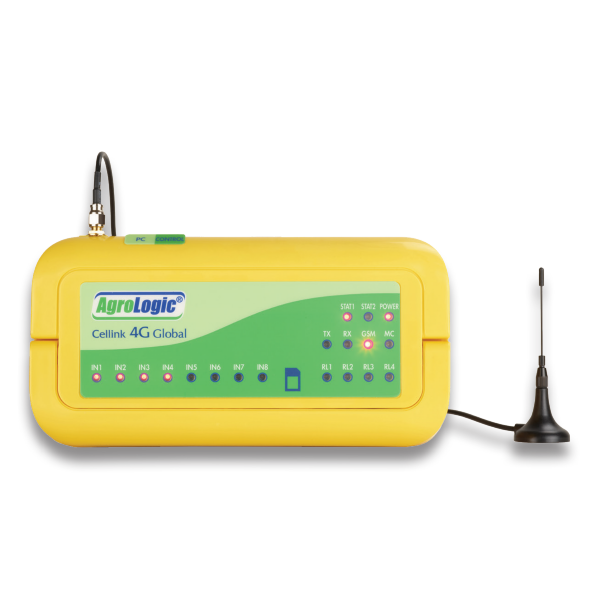 |
||||||||||||||||||||||||
| Product Overview | The 4G GSM Power Failure Alarm for Poultry and Livestock Farms is designed for remote monitoring of electrical power and critical alarm signals in commercial animal housing facilities. When a monitored power supply or connected alarm circuit changes to an abnormal condition, the unit can transmit an SMS notification through the cellular network, allowing farm managers and maintenance personnel to respond quickly. It is suitable for poultry houses, pig barns, dairy facilities, livestock buildings, feed rooms, ventilation control rooms and other agricultural installations where interruption of electricity may affect ventilation, cooling, heating, feeding or environmental control equipment. |
||||||||||||||||||||||||
| Key Features |
|
||||||||||||||||||||||||
| Structural Components | A typical system consists of a cellular alarm controller, 4G/GSM communication module, external or integrated antenna, alarm input terminals, relay or control outputs where required, status indicators, power supply connection and rechargeable backup battery. Depending on the application, additional components may include temperature or humidity sensors, dry-contact alarm connections, generator status contacts, external sirens and communication interfaces for integration with livestock-house control equipment. |
||||||||||||||||||||||||
| Working Principle / Structural Principle | The alarm controller continuously monitors the connected power supply and configured input circuits. During normal operation, the system remains in standby while checking the status of the monitored circuits. If the electrical supply fails, a connected controller generates an alarm, or an optional sensor exceeds its preset alarm condition, the control unit processes the signal and sends a notification through the 4G/GSM cellular network. The internal backup battery can support alarm communication when the main supply is unavailable. Depending on the selected configuration, relay outputs or communication interfaces may also be used for remote control, alarm linkage or connection with livestock-house automation equipment. |
||||||||||||||||||||||||
| Technical Specifications |
|
||||||||||||||||||||||||
| Applications |
|
||||||||||||||||||||||||
| Customization Options | The alarm system can be configured according to the operating requirements of different livestock projects. Customization options may include cellular network compatibility, number and type of alarm inputs, relay outputs, temperature or humidity sensing, external audible alarms, communication interfaces, power supply and mounting arrangement. Solutions can be designed according to local climate, farm conditions, livestock-house layout and the control equipment already installed at the project site. |
||||||||||||||||||||||||
| Installation & Maintenance | Install the alarm controller in a dry, accessible control area with suitable cellular signal reception. Connect the monitored electrical circuit, alarm dry contacts or compatible sensors according to the project wiring diagram. Position the cellular antenna where reliable network reception can be obtained. After installation, configure the authorized mobile numbers and perform simulated power-failure and alarm tests before commissioning the livestock house. Routine maintenance should include checking terminal connections, antenna condition, cellular service status, battery condition and alarm transmission. The backup battery should be function-tested periodically as part of the farm's emergency maintenance schedule. |
||||||||||||||||||||||||
| Project Cases | Commercial Poultry House: The unit can monitor power availability and receive alarm contacts from a poultry climate controller, helping operators receive remote notification when ventilation-related equipment loses power. Pig Farm Ventilation System: The alarm can be connected to electrical supply monitoring and controller alarm outputs to provide remote warning of power or environmental-control faults. Multi-Barn Livestock Project: Multiple alarm units can be planned for separate livestock buildings, electrical rooms or production zones according to the project layout and management requirements. |
||||||||||||||||||||||||
| Product FAQ | Q: What happens when the livestock house loses electrical power? A: The alarm detects the monitored power failure and can send an SMS warning through the cellular network. A rechargeable backup battery can support the communication function after mains power is interrupted. Q: Can the alarm monitor more than a simple power outage? A: Yes. Depending on the configuration, alarm contacts from ventilation controllers, generators and compatible environmental sensors can be connected. Q: Can temperature or humidity alarms be included? A: Compatible temperature and humidity monitoring can be provided according to project requirements. Q: Is internet or farm Wi-Fi required? A: Basic cellular alarm communication uses the mobile network. Requirements for internet-based functions depend on the selected configuration. Q: Can the system be used in both poultry and pig farms? A: Yes. It can be configured for poultry houses, pig barns, dairy buildings and other livestock facilities where power and equipment alarms require remote monitoring. Q: Can the alarm be integrated into an existing farm? A: Yes. Input types, interfaces and wiring arrangements can be selected according to existing control equipment and project requirements. |
||||||||||||||||||||||||
| Product Gallery |  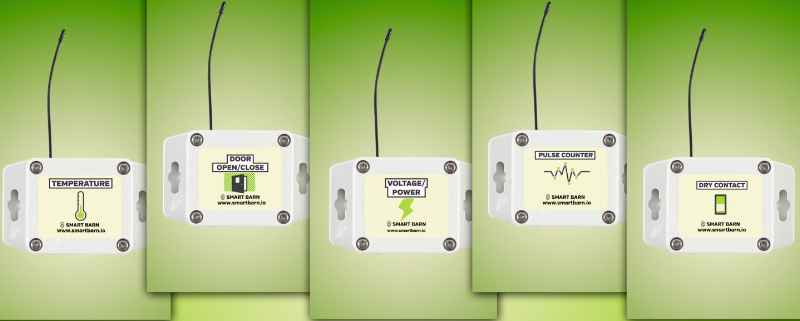  |
- Home
-
Products
- Pig Farming Equipment
- Cattle Farming Equipment
- Sheep & Goat Farming Equipment
- Poultry Farming Equipment
- Feeding & Drinking Systems
- Veterinary & Breeding Equipment
- Testing & Diagnostic Equipment
- Cleaning & Biosecurity Equipment
- Climate Control Equipment
- Livestock Weighing Equipment
- Manure & Waste Management
- Farm Transport & Handling
-
Solutions
- Pig Farm Solutions
- Dairy Farm Solutions
- Beef Cattle Farm Solutions
- Sheep & Goat Farm Solutions
- Layer Farm Solutions
- Broiler Farm Solutions
- Feeding & Drinking System Solutions
- Climate Control Solutions
- Biosecurity & Disinfection Solutions
- Manure & Waste Management
- Smart Farming Solutions
- Farm Renovation and Upgrade Solutions
- Partners
- Projects
- Resources
- News
- About Us
- Contact


Comments & Inquiries
Leave your questions or requirements below. We will reply as soon as possible.