
| Product Showcase | Content | ||||||||||||||||||||||||
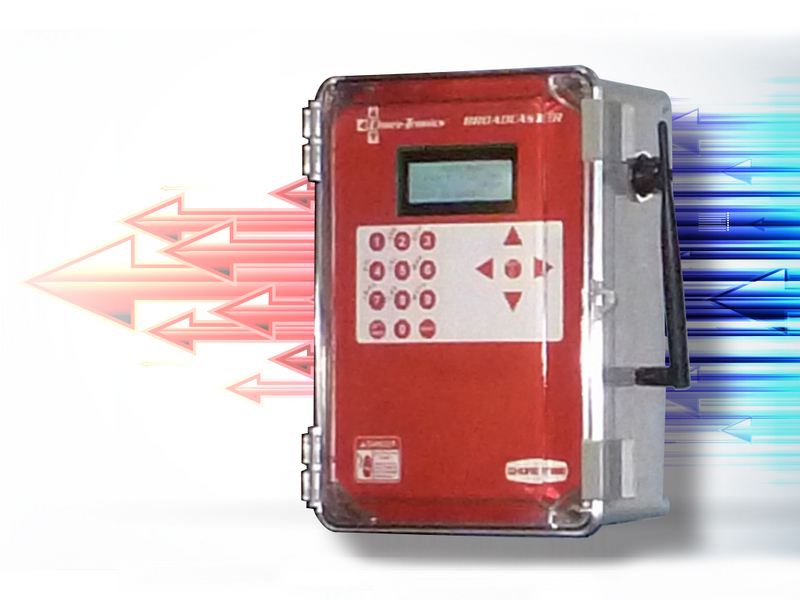
| Product Name | Centralized Livestock Farm Power Failure Alarm Controller | ||||||||||||||||||||||||
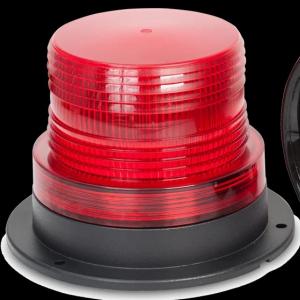
| Product Image | 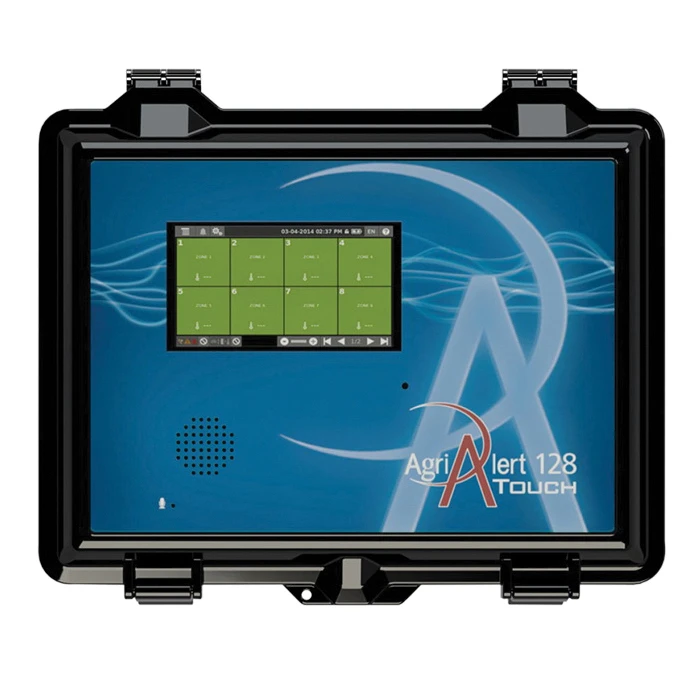 |
||||||||||||||||||||||||
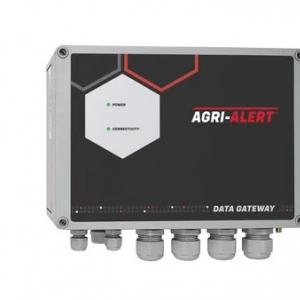
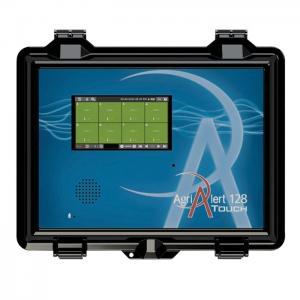
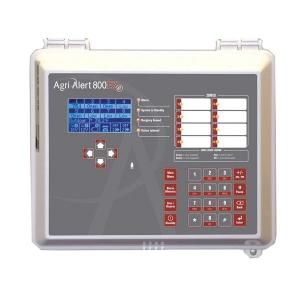
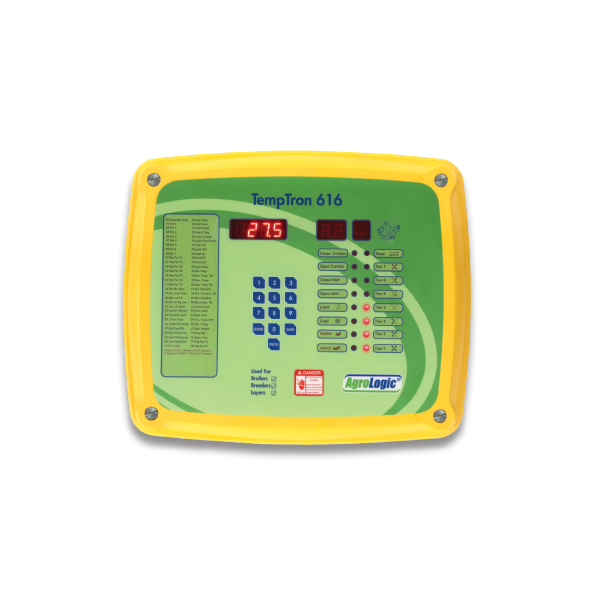
| Product Overview | The Centralized Livestock Farm Power Failure Alarm Controller is designed for centralized supervision of critical operating conditions across commercial poultry houses, pig barns, dairy facilities and other livestock buildings. The controller can supervise electrical power status together with temperature, ventilation, feed, water and compatible auxiliary alarm signals. When an abnormal condition is detected, the system can generate local alarms and remote notifications so farm personnel can respond quickly to equipment failures or environmental risks. Its modular architecture makes the system suitable for both single-building applications and large multi-house livestock projects. Monitoring capacity, sensor arrangement, communication modules and alarm interfaces can be configured according to project requirements. |
||||||||||||||||||||||||
| Key Features |
|
||||||||||||||||||||||||
| Structural Components | A typical centralized livestock alarm system may include:
|
||||||||||||||||||||||||
| Working Principle / Structural Principle | Sensors and compatible farm equipment are assigned to individual monitoring zones. Each zone continuously transmits operating information or alarm status to the centralized controller. The controller compares incoming information with programmed alarm limits and operating conditions. If a monitored power circuit fails, temperature exceeds the configured range, or another connected system reports an abnormal condition, the controller records the event and activates the configured alarm sequence. Depending on the project configuration, warnings can include a local siren, relay output, telephone communication, email or SMS notification. Remote expansion modules allow sensors located in separate barns or production areas to communicate with the main alarm controller without routing every individual sensor cable directly back to the central panel. |
||||||||||||||||||||||||
| Technical Specifications |
|
||||||||||||||||||||||||
| Applications |
|
||||||||||||||||||||||||
| Customization Options | The centralized farm alarm system can be configured according to livestock species, building quantity, farm layout and environmental control requirements.
|
||||||||||||||||||||||||
| Installation & Maintenance | The main controller should be mounted on a solid structure in a protected and accessible control area. The installation location should provide convenient access to the required electrical supply, communication connection and grounding system. Sensors, sirens and expansion modules should be positioned according to the livestock house layout and connected using the specified field wiring. Distributed expansion modules can reduce long sensor cable runs in large or multi-building farms. Power wiring, communication wiring and low-voltage sensor cables should be routed and protected according to good agricultural electrical installation practices. Appropriate surge protection and grounding are particularly important in livestock buildings containing motors, fans, pumps and other inductive loads. After installation, each monitoring zone, alarm output and communication function should be individually tested. Routine maintenance should include inspection of sensors, wiring terminals, sirens, communication functions, backup batteries and configured alarm limits. |
||||||||||||||||||||||||
| Project Cases | Typical applications include centralized power and environmental alarm systems for large pig farms with separate farrowing, nursery, gestation and finishing buildings; multi-house poultry projects requiring common alarm supervision; and livestock complexes where ventilation, feed, water and electrical systems must be monitored from one central control point. For large agricultural projects, distributed expansion modules can be installed close to individual barns while the main controller remains in a central management or electrical control room. |
||||||||||||||||||||||||
| Product FAQ | Q: Can one controller monitor several livestock houses? A: Yes. The centralized architecture is designed for multi-zone monitoring and can be expanded with remote modules for large sites. Q: How many monitoring zones are available? A: The referenced system architecture supports up to 128 zones. The actual project configuration can be selected according to farm requirements. Q: Can it monitor power failures? A: Yes. Power condition monitoring is one of the key applications of the system and can be combined with temperature and equipment alarm signals. Q: Can it monitor ventilation equipment? A: Compatible fan, ventilation controller, current-sensing or dry-contact alarm signals can be incorporated according to the selected system design. Q: Does the system support remote notifications? A: Yes. Internet-based remote access, email and SMS alarm notification are available in the referenced architecture. Q: Can the system be expanded later? A: Yes. The modular architecture allows additional monitoring zones and remote modules to be added when farm requirements grow. Q: Is the controller suitable for pig farms? A: Yes. It is suitable for centralized monitoring of farrowing, gestation, nursery and finishing buildings where power, ventilation and environmental reliability are critical. Q: Can it be used in new steel structure livestock buildings? A: Yes. The monitoring system can be incorporated into the electrical and environmental control design of new steel structure livestock facilities. |
||||||||||||||||||||||||
| Product Gallery | 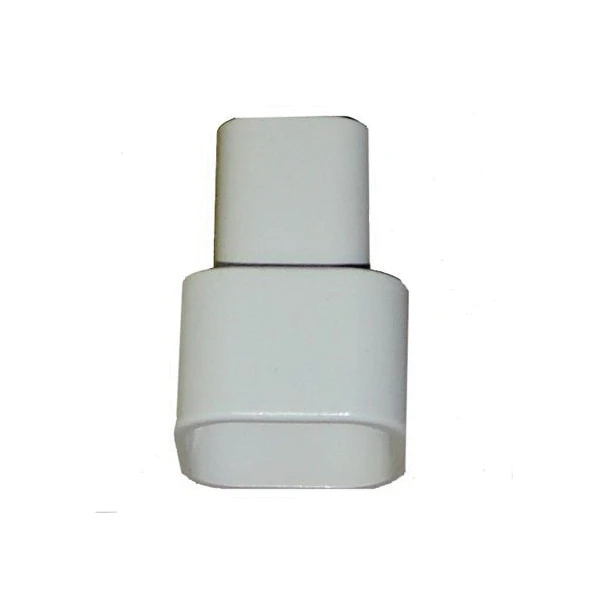  |
- Home
-
Products
- Pig Farming Equipment
- Cattle Farming Equipment
- Sheep & Goat Farming Equipment
- Poultry Farming Equipment
- Feeding & Drinking Systems
- Veterinary & Breeding Equipment
- Testing & Diagnostic Equipment
- Cleaning & Biosecurity Equipment
- Climate Control Equipment
- Livestock Weighing Equipment
- Manure & Waste Management
- Farm Transport & Handling
-
Solutions
- Pig Farm Solutions
- Dairy Farm Solutions
- Beef Cattle Farm Solutions
- Sheep & Goat Farm Solutions
- Layer Farm Solutions
- Broiler Farm Solutions
- Feeding & Drinking System Solutions
- Climate Control Solutions
- Biosecurity & Disinfection Solutions
- Manure & Waste Management
- Smart Farming Solutions
- Farm Renovation and Upgrade Solutions
- Partners
- Projects
- Resources
- News
- About Us
- Contact


Comments & Inquiries
Leave your questions or requirements below. We will reply as soon as possible.