

| Product Showcase | Content | ||||||||||||||||||||
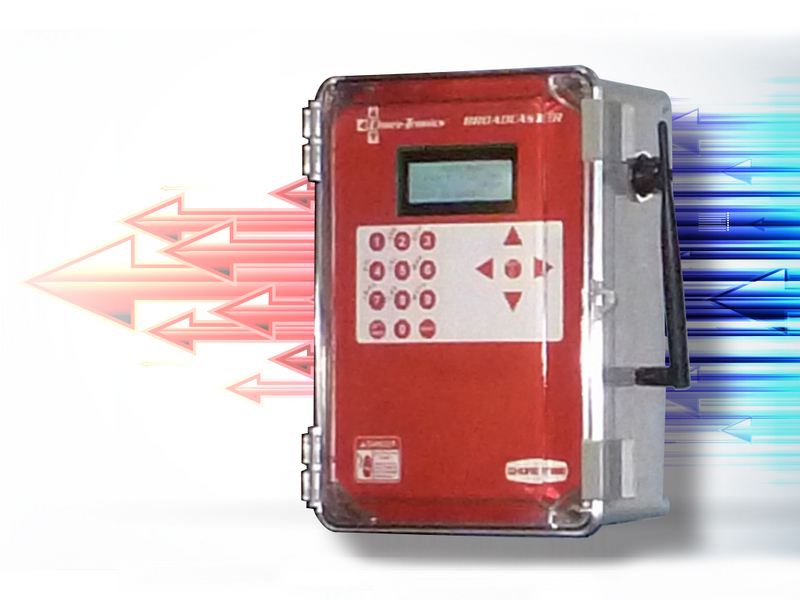
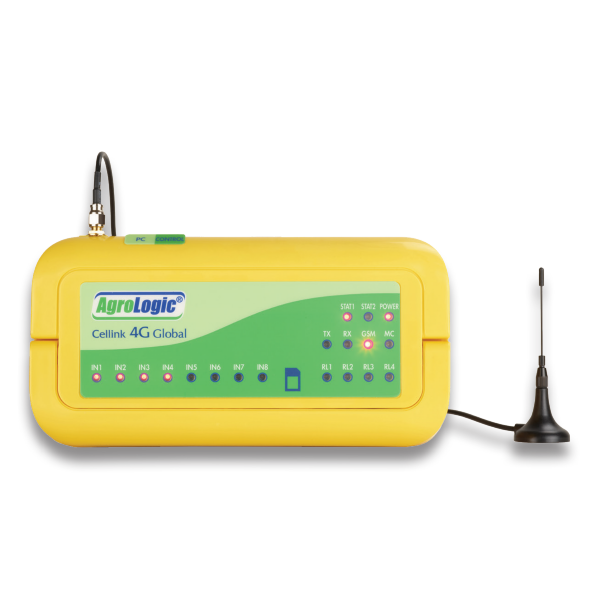
| Product Name | Multi-Zone Farm Power Failure Monitoring Alarm System | ||||||||||||||||||||
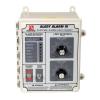
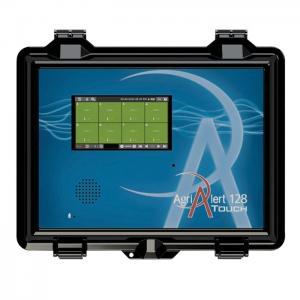
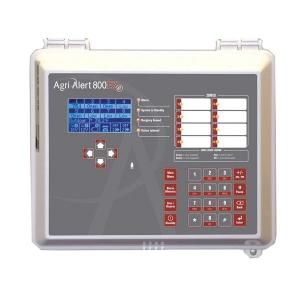
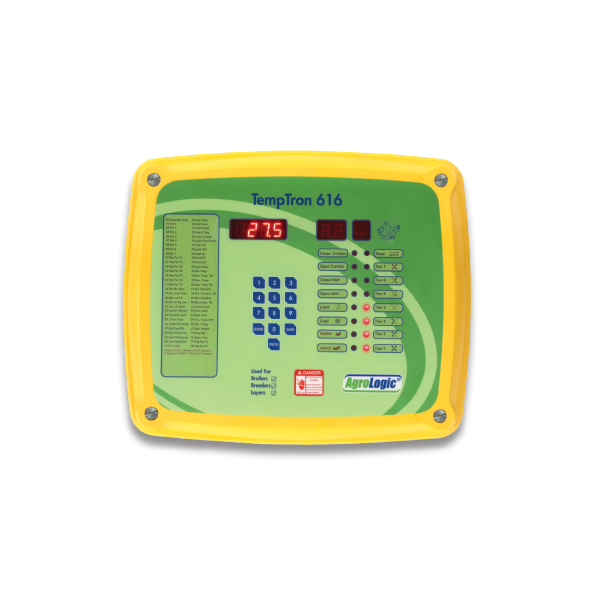
| Product Image |  |
||||||||||||||||||||
| Product Overview | The Multi-Zone Farm Power Failure Monitoring Alarm System is designed for centralized supervision of critical electrical and environmental conditions in commercial livestock and poultry facilities. It can be configured to monitor multiple barns, rooms, equipment circuits or production zones from one alarm platform. The system helps farm operators identify mains power loss and other abnormal operating conditions before they develop into serious ventilation, climate-control or animal welfare problems. Depending on the project configuration, monitoring points may include power status, temperature, ventilation equipment, water systems, feed systems and dry-contact alarm signals. It is suitable for new livestock house construction as well as upgrading existing pig houses, poultry houses, dairy barns and other agricultural buildings. |
||||||||||||||||||||
| Key Features |
|
||||||||||||||||||||
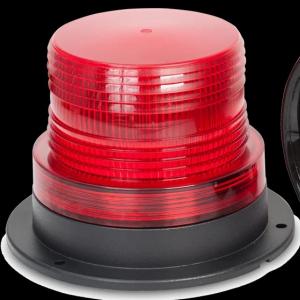
| Structural Components | A typical system consists of a central alarm controller or data gateway, zone input terminals, power monitoring interfaces, sensor connections, communication modules, alarm outputs and an enclosure suitable for agricultural installations. According to project requirements, the system can also include temperature sensors, power-loss relays, water or feed monitoring interfaces, audible or visual alarms, backup power components and remote communication equipment. |
||||||||||||||||||||
| Working Principle / Structural Principle | Each monitoring zone is connected to a designated electrical circuit, sensor or equipment alarm output. The controller continuously checks the operating status of these inputs. When mains power is interrupted or a monitored value moves outside its configured operating range, the controller identifies the affected zone and activates the programmed alarm procedure. Depending on configuration, alarms may be indicated locally through audible or visual devices and transmitted to designated farm personnel through compatible remote communication channels. Separating the farm into individual monitoring zones allows operators to quickly determine which barn, room or equipment circuit requires attention. |
||||||||||||||||||||
| Technical Specifications |
|
||||||||||||||||||||
| Applications |
|
||||||||||||||||||||
| Customization Options | System configuration can be customized according to farm size, number of livestock houses, monitoring points and existing control equipment. Available project options may include additional monitoring zones, temperature sensors, power-loss inputs, dry-contact interfaces, communication modules, external sirens, warning lights, backup power components and integration with compatible farm controllers. Electrical configuration, communication method and installation accessories can be designed according to local climate, power supply and farm conditions. |
||||||||||||||||||||
| Installation & Maintenance | Install the alarm controller in a protected and accessible location close to the farm electrical or control system. Power-monitoring circuits and sensors should be connected according to the approved wiring diagram and clearly assigned to individual barn or equipment zones. Signal cables should be routed separately from high-power cables where practical to reduce electrical interference. Connections, alarm outputs and backup power components should be tested during commissioning. Routine maintenance should include inspection of wiring terminals, sensors, backup power condition, communication status and alarm devices. Periodic functional testing of each zone is recommended to confirm that alarms reach the designated personnel. |
||||||||||||||||||||
| Project Cases | Typical projects include centralized alarm monitoring for multi-house broiler farms, pig production sites with separate nursery and finishing buildings, breeder facilities, dairy barns and livestock projects where ventilation and environmental equipment depend on continuous electrical power. For large projects, monitoring zones can be allocated by building, production room or equipment group to simplify alarm identification and emergency response. |
||||||||||||||||||||
| Product FAQ | Q: What is the main purpose of this farm alarm system? A: Its primary purpose is to detect power failure and other configured abnormal conditions in livestock houses and provide timely warning to farm personnel. Q: Can one system monitor several livestock houses? A: Yes. Multi-zone configurations can be designed to monitor several barns, rooms or equipment circuits from a centralized system. Q: Can it monitor more than electrical power? A: Yes. Depending on the selected configuration, temperature, ventilation, water, feed and dry-contact equipment alarms can also be integrated. Q: Can remote alarm notification be provided? A: Remote communication options are available according to project requirements, local communication infrastructure and selected system configuration. Q: Can it be installed in an existing farm? A: Yes. Retrofit configurations can be developed around compatible existing sensors, alarm contacts and livestock house control equipment. Q: Is backup power available? A: Backup power can be included according to the project configuration so the alarm system can continue operating during a mains power interruption. |
||||||||||||||||||||
| Product Gallery | 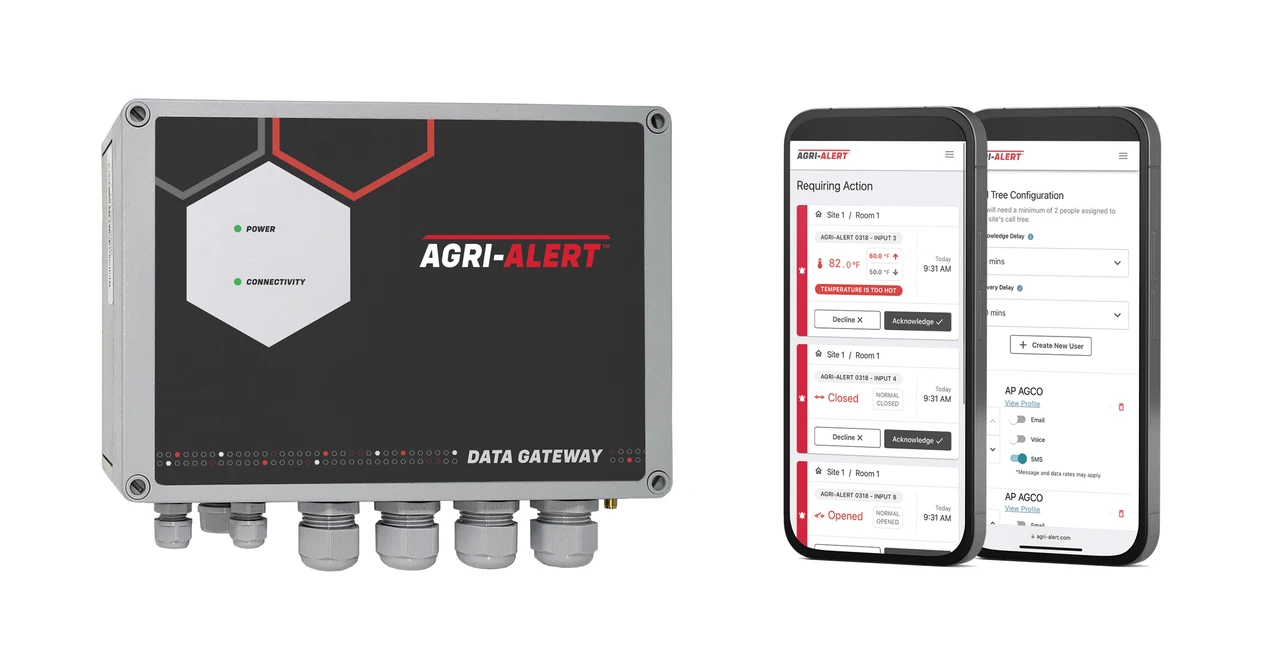 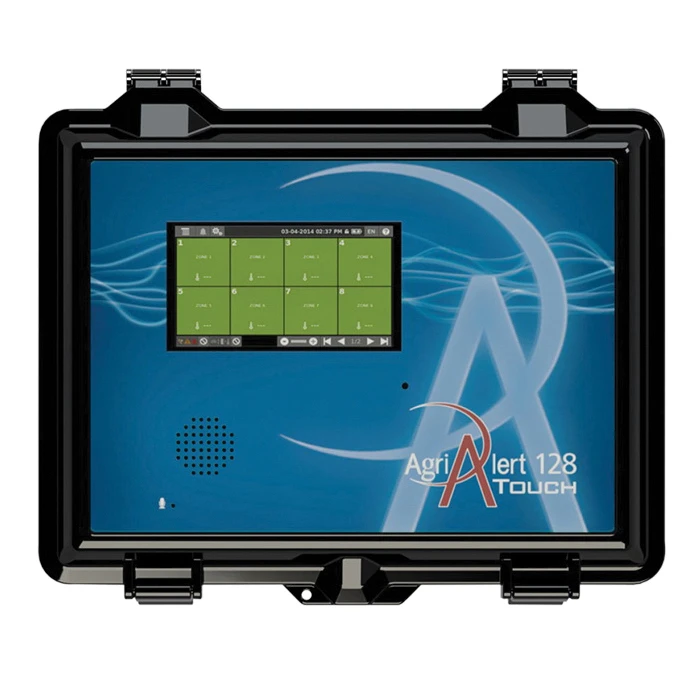 |
- Home
-
Products
- Pig Farming Equipment
- Cattle Farming Equipment
- Sheep & Goat Farming Equipment
- Poultry Farming Equipment
- Feeding & Drinking Systems
- Veterinary & Breeding Equipment
- Testing & Diagnostic Equipment
- Cleaning & Biosecurity Equipment
- Climate Control Equipment
- Livestock Weighing Equipment
- Manure & Waste Management
- Farm Transport & Handling
-
Solutions
- Pig Farm Solutions
- Dairy Farm Solutions
- Beef Cattle Farm Solutions
- Sheep & Goat Farm Solutions
- Layer Farm Solutions
- Broiler Farm Solutions
- Feeding & Drinking System Solutions
- Climate Control Solutions
- Biosecurity & Disinfection Solutions
- Manure & Waste Management
- Smart Farming Solutions
- Farm Renovation and Upgrade Solutions
- Partners
- Projects
- Resources
- News
- About Us
- Contact


Comments & Inquiries
Leave your questions or requirements below. We will reply as soon as possible.