


| Product Showcase | Content | ||||||||||||||||||||||||||
| Product Name | Livestock House High and Low Temperature Alarm | ||||||||||||||||||||||||||
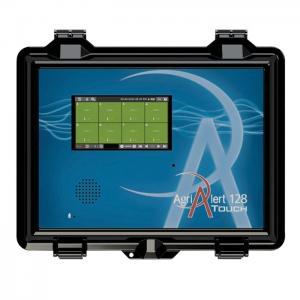
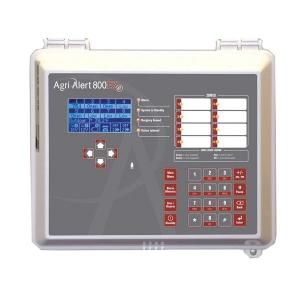
| Product Image |  |
||||||||||||||||||||||||||
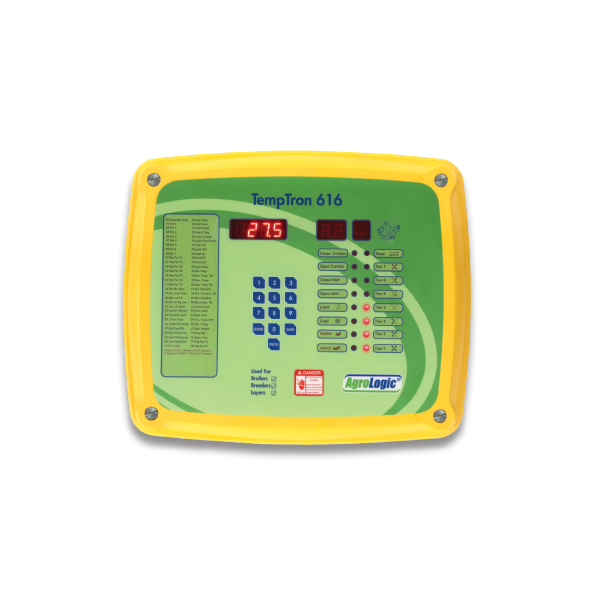
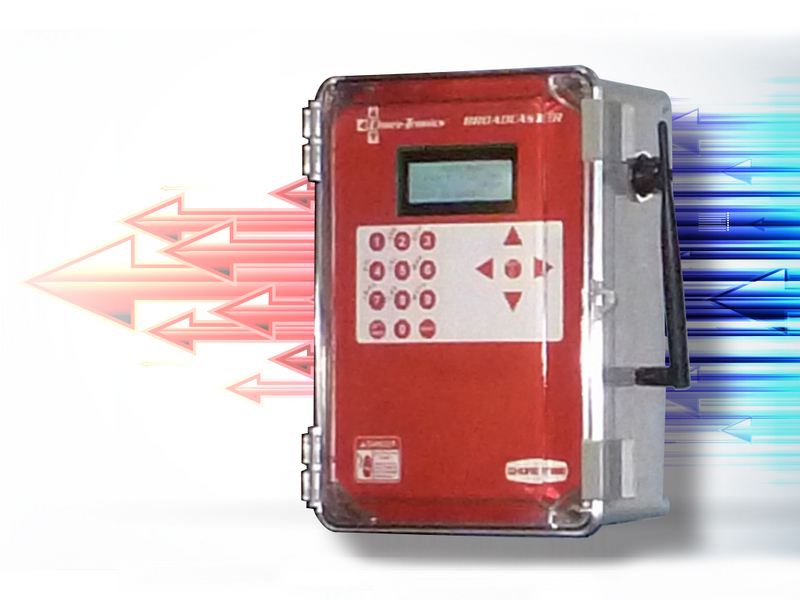
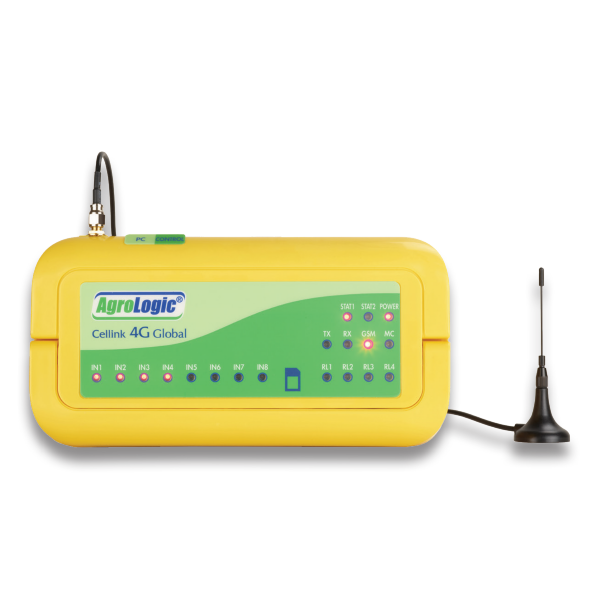
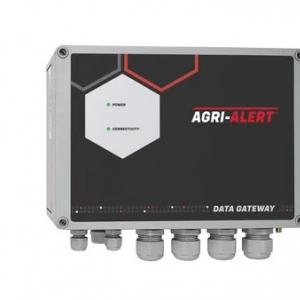
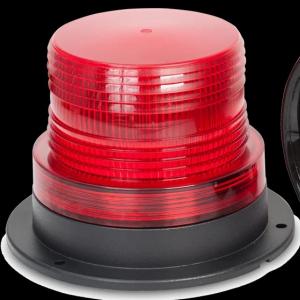
| Product Overview | The Livestock House High and Low Temperature Alarm is designed for continuous environmental supervision in commercial pig houses, poultry houses, calf barns and other intensive livestock buildings. Connected temperature sensors monitor the indoor climate and compare measured values with user-defined high and low alarm limits. When the monitored temperature moves outside the acceptable range for the programmed recognition period, the controller generates an alarm signal so farm personnel can respond before heat stress, cold stress or environmental-control failure causes serious production losses. The system can be integrated with livestock house ventilation controllers, local sirens, warning lights, auxiliary relays and remote communication equipment according to project requirements. |
||||||||||||||||||||||||||
| Key Features |
|
||||||||||||||||||||||||||
| Structural Components |
|
||||||||||||||||||||||||||
| Working Principle / Structural Principle | Temperature sensors continuously transmit measured values to the alarm controller. Each temperature monitoring zone is configured with an acceptable operating range consisting of a low alarm limit and a high alarm limit. When the measured temperature remains below the low limit or above the high limit for longer than the programmed recognition time, the controller identifies the condition as a valid alarm. The corresponding zone is indicated on the control panel and the system can activate a local siren, warning lamp, relay output or remote notification device. After the temperature returns to the acceptable range, the system can register the restored condition while retaining alarm history according to the controller configuration. This independent alarm architecture provides an additional environmental safety layer beyond the normal ventilation and heating control system. |
||||||||||||||||||||||||||
| Technical Specifications |
|
||||||||||||||||||||||||||
| Applications |
|
||||||||||||||||||||||||||
| Customization Options | SHEWUYOU can configure the alarm system according to livestock species, building dimensions, ventilation design and local project conditions. Available options may include:
|
||||||||||||||||||||||||||
| Installation & Maintenance | Install the alarm controller in a dry, accessible service area where farm staff can easily inspect the display and alarm indicators. Temperature sensors should be positioned in representative areas of the livestock house and away from direct heater radiation, sunlight, cold wall surfaces, water pipes or concentrated inlet air that could distort temperature readings. Sensor and alarm wiring should be routed separately from high-voltage motor and power cables where practical. In steel structure livestock buildings, suitable cable protection, grounding and electrical surge protection should be considered during installation. Routine maintenance should include sensor inspection, alarm set-point verification, siren testing, backup battery checks, terminal inspection and periodic simulation of high and low temperature alarm conditions. Alarm systems should be tested regularly as part of the farm's emergency management procedure. |
||||||||||||||||||||||||||
| Project Cases | Commercial Pig House: Temperature sensors can be distributed across nursery, finishing or breeding rooms, with independent alarm limits selected according to animal age and environmental requirements. Poultry House: The alarm can operate as an independent safety layer alongside the poultry house climate controller, warning farm personnel if house temperature exceeds the permitted operating range. Multi-Barn Livestock Project: Separate alarm zones can be planned for different rooms or buildings, while relay and communication options can be configured according to the farm's centralized management requirements. |
||||||||||||||||||||||||||
| Product FAQ | Q1: Can the high and low temperature limits be adjusted? Yes. Alarm thresholds can be configured according to animal species, production stage, ventilation strategy and local climate conditions. Q2: Can one controller monitor several areas? Yes. Multi-zone configurations are available according to the number of rooms or monitoring points required by the project. Q3: Is this alarm independent from the ventilation controller? It can be installed as an independent environmental safety system. This arrangement helps provide an additional warning layer if the main climate-control system or associated equipment develops a fault. Q4: Can it activate a siren or warning light? Yes. Local audible and visual warning equipment can be configured according to the selected alarm controller and project design. Q5: Can remote alarm notification be added? Yes. Remote communication options are available upon request. The communication method should be selected according to local network conditions and customer requirements. Q6: Can the system continue working during a power failure? Backup battery configurations are available for selected alarm systems. Final backup capability depends on controller type, connected loads and project configuration. Q7: Where should temperature sensors be installed? Sensors should be installed at representative monitoring locations while avoiding direct heat sources, strong inlet air, direct sunlight and other locations that may produce misleading readings. |
||||||||||||||||||||||||||
| Product Gallery |   |
- Home
-
Products
- Pig Farming Equipment
- Cattle Farming Equipment
- Sheep & Goat Farming Equipment
- Poultry Farming Equipment
- Feeding & Drinking Systems
- Veterinary & Breeding Equipment
- Testing & Diagnostic Equipment
- Cleaning & Biosecurity Equipment
- Climate Control Equipment
- Livestock Weighing Equipment
- Manure & Waste Management
- Farm Transport & Handling
-
Solutions
- Pig Farm Solutions
- Dairy Farm Solutions
- Beef Cattle Farm Solutions
- Sheep & Goat Farm Solutions
- Layer Farm Solutions
- Broiler Farm Solutions
- Feeding & Drinking System Solutions
- Climate Control Solutions
- Biosecurity & Disinfection Solutions
- Manure & Waste Management
- Smart Farming Solutions
- Farm Renovation and Upgrade Solutions
- Partners
- Projects
- Resources
- News
- About Us
- Contact

Comments & Inquiries
Leave your questions or requirements below. We will reply as soon as possible.