


| Product Showcase | Content | ||||||||||||||||||||||||
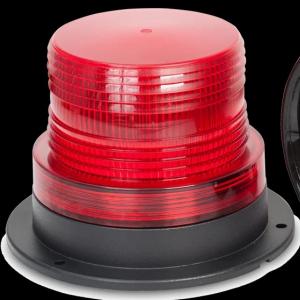
| Product Name | Remote Livestock Farm Temperature Monitoring Alarm System | ||||||||||||||||||||||||
| Product Image |  |
||||||||||||||||||||||||
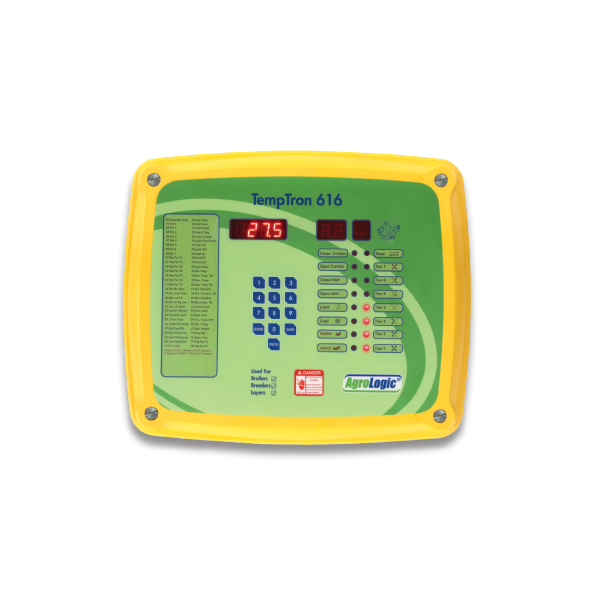
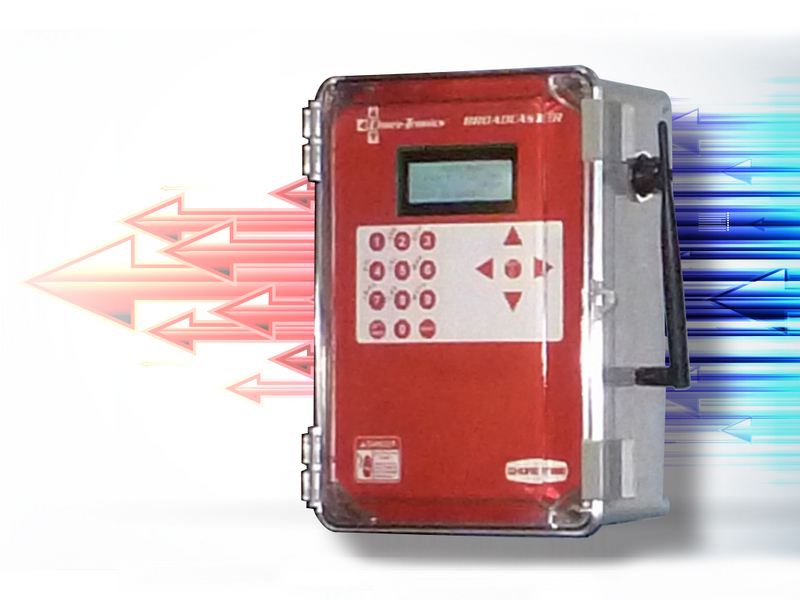
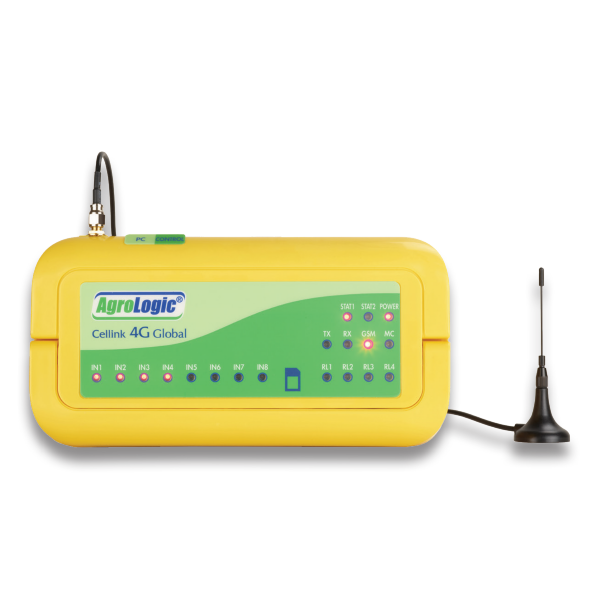
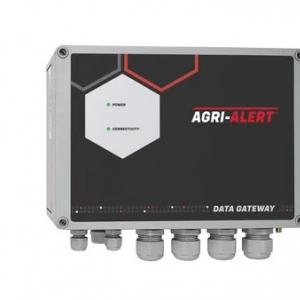
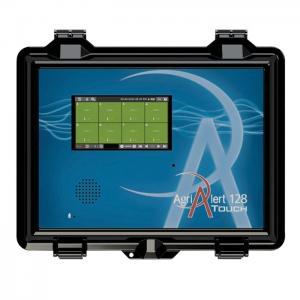
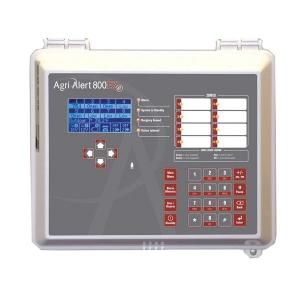
| Product Overview | The Remote Livestock Farm Temperature Monitoring Alarm System is designed for continuous supervision of environmental and equipment conditions in commercial poultry houses, pig barns, dairy facilities and other livestock buildings. It provides farm managers with centralized monitoring of temperature and other critical operating signals while supporting remote alarm notification when abnormal conditions are detected. The system can be configured to monitor multiple livestock-house zones and connect with wired sensors for temperature, water, electrical power and other farm parameters. Depending on the selected communication configuration, operating conditions can be viewed remotely through compatible web or mobile platforms. This type of alarm system is especially valuable in intensive livestock production where ventilation, heating, cooling and electrical systems operate continuously and rapid response to abnormal temperature or power conditions is essential. |
||||||||||||||||||||||||
| Key Features |
|
||||||||||||||||||||||||
| Structural Components | A typical livestock farm temperature monitoring alarm system may include:
|
||||||||||||||||||||||||
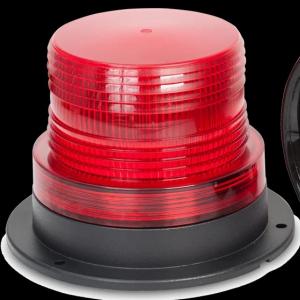
| Working Principle / Structural Principle | Sensors installed at representative locations throughout the livestock building continuously send environmental or equipment-status signals to the central monitoring controller. Temperature readings are compared with programmed high and low alarm thresholds. If a monitored value moves outside the acceptable range, or if a connected power or equipment alarm input changes state, the controller identifies the affected monitoring zone and activates the configured alarm procedure. Depending on system configuration, notifications can be transmitted through internet or cellular communication to designated farm personnel. Remote monitoring functions allow operators to check real-time conditions, review alarm status and manage notification settings without remaining permanently inside the livestock facility. |
||||||||||||||||||||||||
| Technical Specifications |
|
||||||||||||||||||||||||
| Applications |
|
||||||||||||||||||||||||
| Customization Options | System configuration can be adapted to the actual livestock house layout and environmental control requirements. Available options may include:
|
||||||||||||||||||||||||
| Installation & Maintenance | The main alarm controller or data gateway should be installed in a protected electrical or service area with suitable power supply and reliable communication coverage. Sensor wiring should be routed separately from high-power motor cables where practical to reduce electrical interference. Temperature sensors should be positioned at representative livestock-zone locations rather than directly beside heaters, cooling pads, doors, fresh-air inlets or direct sunlight. For pig houses, sensor placement should consider pen layout, animal level and airflow patterns. In poultry houses, sensors should represent the actual occupied production zone. During commissioning, each sensor, alarm input and notification route should be tested individually. Routine maintenance should include checking sensor readings, wiring terminals, communication status, power-failure alarms and any backup power components. |
||||||||||||||||||||||||
| Project Cases | Multi-House Poultry Farm: A centralized alarm platform can monitor temperature, power and other critical conditions across several poultry buildings and provide remote notifications to farm management personnel. Commercial Pig Farm: Temperature sensors can be distributed among farrowing, nursery and finishing houses, while alarm contacts from ventilation or climate-control equipment provide additional operating supervision. Livestock Construction Project: For newly constructed steel structure livestock buildings, sensor locations, wiring routes, alarm zones and communication infrastructure can be incorporated into the electrical and climate-control design during the project engineering stage. |
||||||||||||||||||||||||
| Product FAQ | Q: Can this system monitor both high and low livestock-house temperatures? A: Yes. Temperature alarm limits can be configured so the system generates an alarm when monitored temperatures rise above or fall below the programmed operating range. Q: Can it monitor multiple barns? A: Yes. Multi-zone and expandable configurations are available according to farm size and project requirements. Q: Can farm managers check conditions remotely? A: Yes. Compatible internet or cellular configurations can provide remote access through supported phones, tablets or computers. Q: Can the system detect a power failure? A: Yes. Power-failure monitoring can be included as part of the livestock alarm configuration. Q: Can existing temperature sensors be reused? A: Compatible wired sensors may be reused in selected retrofit installations. Sensor type and electrical compatibility should be confirmed before installation. Q: Can it connect to ventilation or climate-control equipment? A: Compatible alarm relay outputs or equipment-status contacts can be integrated according to the controller interface and electrical design. Q: Is the system suitable for commercial pig farms? A: Yes. It can be configured for farrowing, nursery, gestation and finishing facilities, including multi-house commercial pig production projects. |
||||||||||||||||||||||||
| Product Gallery |   |
- Home
-
Products
- Pig Farming Equipment
- Cattle Farming Equipment
- Sheep & Goat Farming Equipment
- Poultry Farming Equipment
- Feeding & Drinking Systems
- Veterinary & Breeding Equipment
- Testing & Diagnostic Equipment
- Cleaning & Biosecurity Equipment
- Climate Control Equipment
- Livestock Weighing Equipment
- Manure & Waste Management
- Farm Transport & Handling
-
Solutions
- Pig Farm Solutions
- Dairy Farm Solutions
- Beef Cattle Farm Solutions
- Sheep & Goat Farm Solutions
- Layer Farm Solutions
- Broiler Farm Solutions
- Feeding & Drinking System Solutions
- Climate Control Solutions
- Biosecurity & Disinfection Solutions
- Manure & Waste Management
- Smart Farming Solutions
- Farm Renovation and Upgrade Solutions
- Partners
- Projects
- Resources
- News
- About Us
- Contact

Comments & Inquiries
Leave your questions or requirements below. We will reply as soon as possible.