

| Product Showcase | Content | ||||||||||||||||||||||||
| Product Name | Centralized Multi-House Temperature Alarm System | ||||||||||||||||||||||||
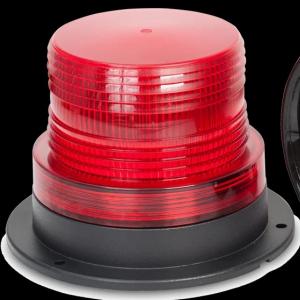
| Product Image | 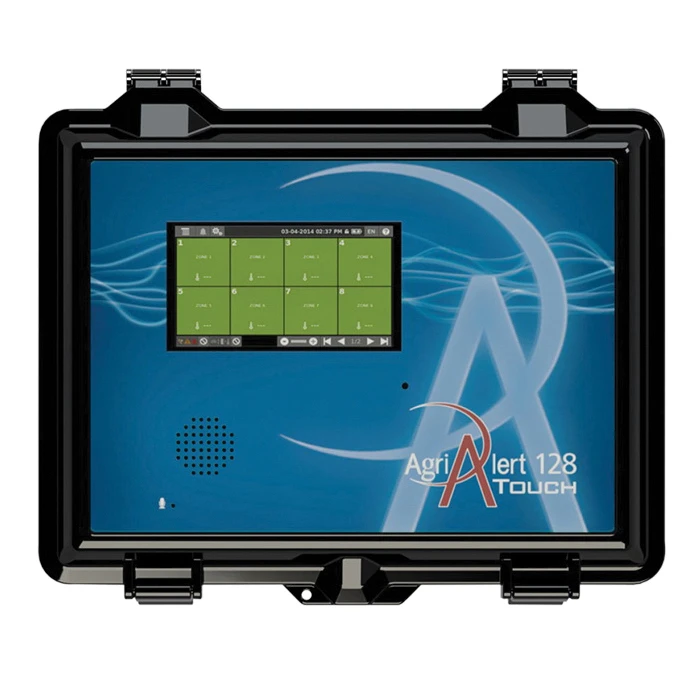 |
||||||||||||||||||||||||
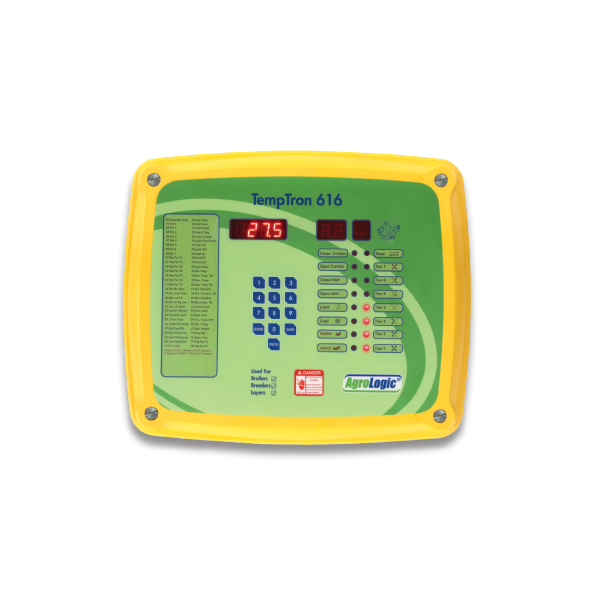
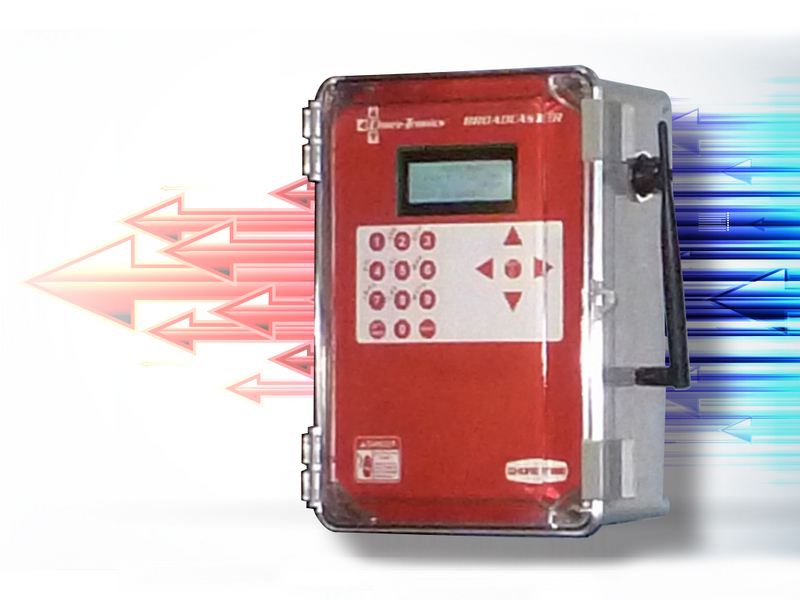
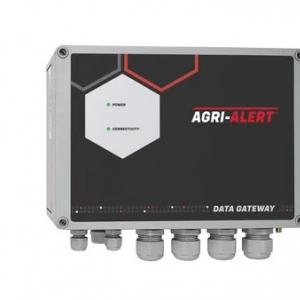
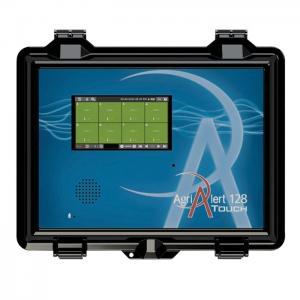
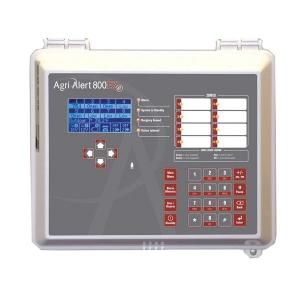
| Product Overview | The Centralized Multi-House Temperature Alarm System is designed for continuous environmental supervision across multiple livestock buildings from one central monitoring point. It can collect temperature signals from individual pig houses, poultry houses, calf barns, breeding buildings, equipment rooms and other production zones, allowing farm personnel to identify abnormal high or low temperatures before they develop into serious production risks. The system is suitable for commercial livestock farms, integrated agricultural projects and large sites where separate buildings require coordinated alarm management. A modular architecture allows monitoring capacity, sensor quantity, communication methods and alarm outputs to be configured according to project requirements. |
||||||||||||||||||||||||
| Key Features |
|
||||||||||||||||||||||||
| Structural Components |
|
||||||||||||||||||||||||
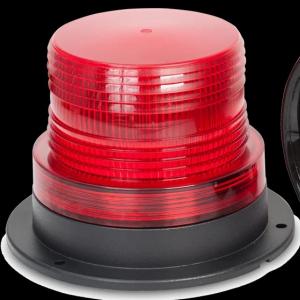
| Working Principle / Structural Principle | Temperature sensors installed throughout the farm continuously transmit environmental readings to local input or expansion modules. These signals are sent to the centralized alarm controller, where each monitoring point is assigned to a defined livestock house, room or production zone. The controller compares real-time temperature values with preset alarm limits. When a monitored zone exceeds the configured high-temperature limit or falls below the low-temperature limit, the system activates the corresponding alarm procedure. Depending on the selected configuration, this may include local audible alarms, screen notifications, remote messages or communication with other farm management equipment. The modular structure allows monitoring points to be distributed across several buildings without requiring every sensor to be concentrated around the central controller, making the system suitable for larger steel structure livestock buildings and multi-house farm layouts. :chatgpt-content-reference{index="1"} |
||||||||||||||||||||||||
| Technical Specifications |
|
||||||||||||||||||||||||
| Applications |
|
||||||||||||||||||||||||
| Customization Options | SHEWUYOU can configure the alarm system according to the layout and management requirements of different livestock projects. Customization options may include:
|
||||||||||||||||||||||||
| Installation & Maintenance | The central controller should be installed in a secure, accessible control room or service area with reliable electrical and communication connections. Temperature sensors should be positioned in representative animal-level or environmental monitoring locations, away from direct heater discharge, cooling pad airflow, direct sunlight and other localized temperature influences unless specifically required by the monitoring design. Zone modules can be distributed throughout the farm to reduce long sensor cable runs and simplify installation in multi-building projects. After wiring is completed, each monitoring zone should be identified, configured and tested individually. Alarm limits, contact groups and notification procedures should be verified before the system is placed into service. Routine maintenance should include sensor inspection, cable and terminal checks, alarm testing, enclosure cleaning, backup power inspection where fitted, and periodic verification of remote communication functions. :chatgpt-content-reference{index="2"} |
||||||||||||||||||||||||
| Project Cases | Multi-House Pig Farm: A centralized controller can monitor temperature conditions across breeding, farrowing, nursery and finishing buildings, allowing farm staff to identify abnormal house temperatures from one location. Commercial Poultry Complex: Multiple broiler or layer houses can be assigned as independent alarm zones, with centralized monitoring and remote alarm notification for management personnel. Integrated Livestock Project: The system can be incorporated into a new steel structure livestock building project together with ventilation, cooling, heating and environmental control equipment. Final architecture is designed according to site layout, communication distance and required monitoring points. |
||||||||||||||||||||||||
| Product FAQ | Q1: Can one system monitor several livestock houses? Yes. The system is designed for centralized multi-zone monitoring, and the number of houses and monitoring points can be configured according to project requirements. Q2: Can different houses use different temperature alarm limits? Yes. Independent zone settings can be configured according to animal type, growth stage and environmental management requirements. Q3: Can alarms be sent remotely? Remote notification options are available. The final communication method depends on the selected system configuration and local network conditions. Q4: Can the system be expanded later? Yes. A modular system architecture can be designed to support future livestock house additions or additional monitoring points. Q5: Can it monitor more than temperature? Additional inputs for equipment or environmental alarm conditions may be incorporated according to project requirements and selected controller configuration. Q6: Is backup power available? Backup power options are available upon request and can be selected according to the required emergency operating strategy. Q7: Can the system be customized for a pig farm construction project? Yes. Sensor quantity, monitoring zones, communication architecture, installation locations and alarm strategy can be designed according to the pig farm layout, local climate and production requirements. |
||||||||||||||||||||||||
| Product Gallery |    |
- Home
-
Products
- Pig Farming Equipment
- Cattle Farming Equipment
- Sheep & Goat Farming Equipment
- Poultry Farming Equipment
- Feeding & Drinking Systems
- Veterinary & Breeding Equipment
- Testing & Diagnostic Equipment
- Cleaning & Biosecurity Equipment
- Climate Control Equipment
- Livestock Weighing Equipment
- Manure & Waste Management
- Farm Transport & Handling
-
Solutions
- Pig Farm Solutions
- Dairy Farm Solutions
- Beef Cattle Farm Solutions
- Sheep & Goat Farm Solutions
- Layer Farm Solutions
- Broiler Farm Solutions
- Feeding & Drinking System Solutions
- Climate Control Solutions
- Biosecurity & Disinfection Solutions
- Manure & Waste Management
- Smart Farming Solutions
- Farm Renovation and Upgrade Solutions
- Partners
- Projects
- Resources
- News
- About Us
- Contact

Comments & Inquiries
Leave your questions or requirements below. We will reply as soon as possible.