


| Product Showcase | Content | ||||||||||||||||||||||
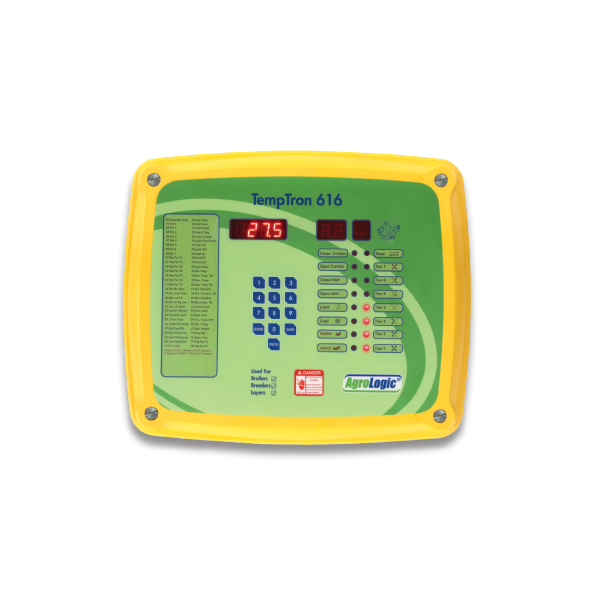
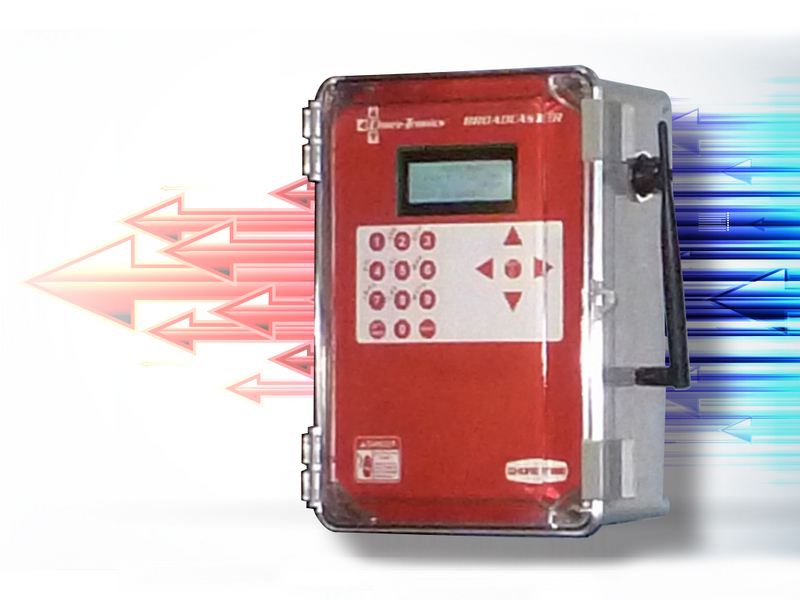
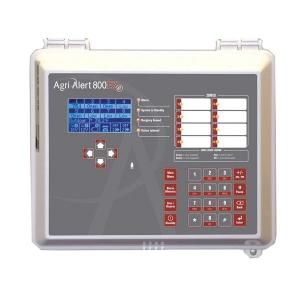
| Product Name | Multi-Point Livestock House Temperature Alarm System | ||||||||||||||||||||||
| Product Image | 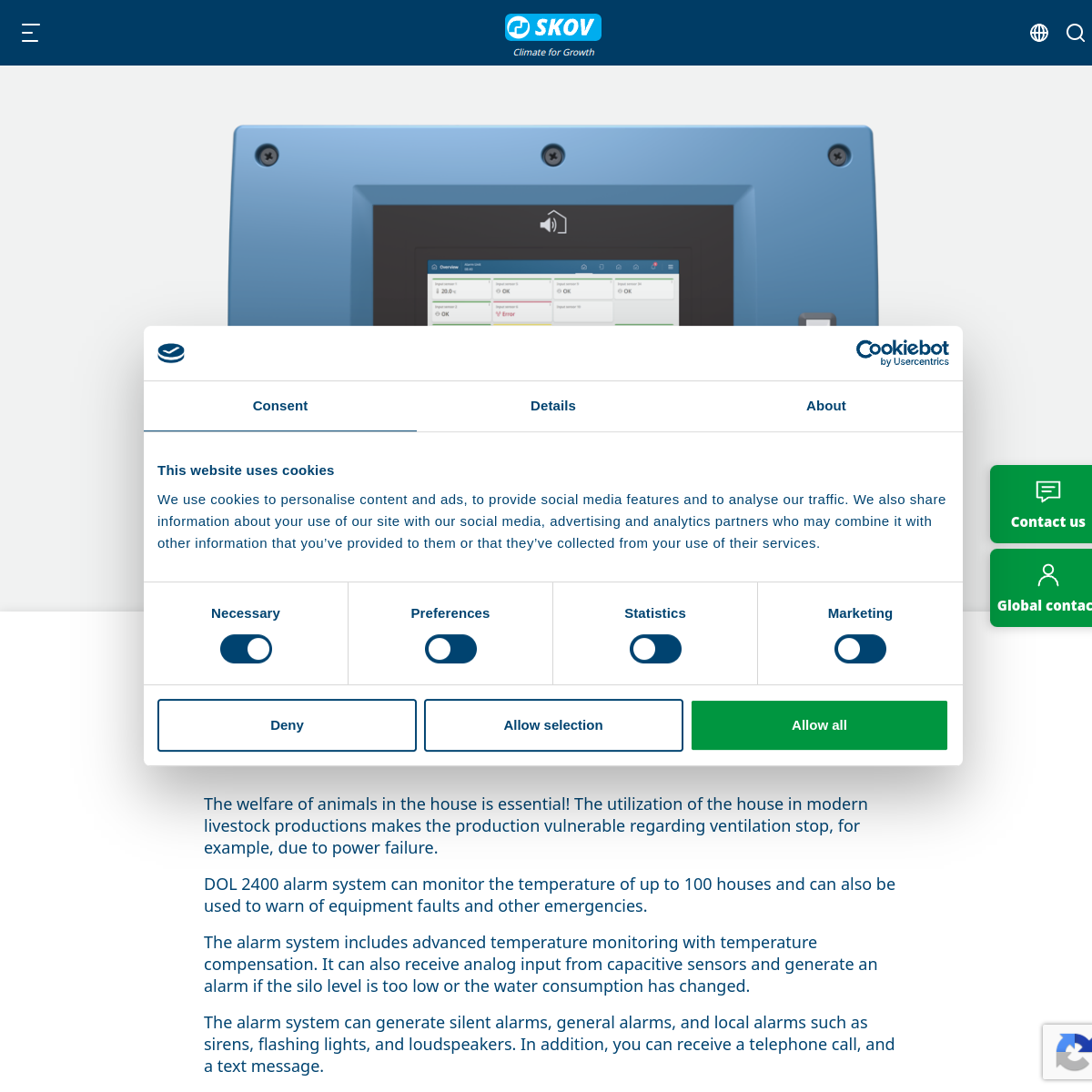 |
||||||||||||||||||||||
| Product Overview | The Multi-Point Livestock House Temperature Alarm System is designed for centralized environmental safety monitoring in commercial pig houses, poultry houses, dairy barns and other intensive livestock facilities. Multiple temperature measuring points can be connected to one alarm platform so that farm personnel can supervise different rooms, production zones or buildings from a central location. When the measured temperature exceeds a configured high or low limit, the system can activate local alarm devices and, depending on the selected configuration, transmit alarm information to remote personnel. This provides an independent warning layer for livestock buildings where ventilation, heating and cooling failures may rapidly affect animal welfare and production performance. |
||||||||||||||||||||||
| Key Features |
|
||||||||||||||||||||||
| Structural Components |
|
||||||||||||||||||||||
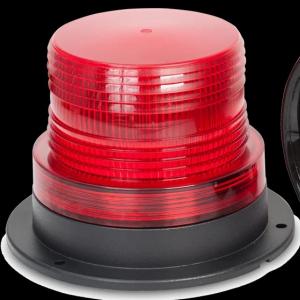
| Working Principle / Structural Principle | Temperature sensors are distributed throughout selected livestock buildings or production zones and continuously transmit measurement signals to the central alarm controller. The controller compares each measuring point with its programmed high and low temperature limits. If a monitored point moves outside the permitted range for the configured alarm conditions, the controller identifies the affected zone and activates the assigned alarm outputs. Depending on the project configuration, alerts may include an audible siren, warning lamp, local alarm device or remote message. Multi-point monitoring allows separate livestock rooms to be supervised independently. This is particularly useful in farms where farrowing rooms, nurseries, finishing houses, broiler houses, layer houses or other production areas operate at different target temperatures. |
||||||||||||||||||||||
| Technical Specifications |
|
||||||||||||||||||||||
| Applications |
|
||||||||||||||||||||||
| Customization Options | The alarm system can be configured for new livestock construction projects or upgrades to existing farm buildings. Available customization may include:
|
||||||||||||||||||||||
| Installation & Maintenance | Controller Installation: Install the central alarm controller in a dry, accessible service area where operators can easily check system status and respond to alarms. Sensor Positioning: Temperature sensors should be installed in representative animal-level monitoring zones while avoiding direct exposure to heaters, cooling pads, air inlets, sunlight or other localized heat sources that could distort readings. Cable Routing: Signal and power cables should be routed securely through suitable conduit or cable trays and protected from livestock, rodents, moisture and mechanical damage. Commissioning: Each measuring point and alarm output should be tested before the livestock house enters normal operation. Alarm thresholds should be set according to animal species, production stage and farm management requirements. Routine Maintenance: Inspect sensors, wiring, alarm devices and backup power periodically. Functional alarm tests should form part of the farm's routine environmental safety procedure. |
||||||||||||||||||||||
| Project Cases | Multi-House Pig Farm: Temperature sensors can be distributed among farrowing, nursery and finishing houses, with individual alarm limits configured for different production stages. A centralized alarm controller provides farm personnel with one monitoring point for the complete production area. Commercial Poultry Project: Multiple poultry houses can be connected to a centralized alarm system to provide independent high-temperature and low-temperature warnings for each building. Local alarm devices and optional remote notification functions help farm personnel respond quickly to abnormal environmental conditions. Livestock House Renovation: The system can also be installed as an additional independent warning layer in existing livestock houses where the original climate controller requires supplementary temperature alarm protection. |
||||||||||||||||||||||
| Product FAQ | Q1: Can one alarm system monitor several livestock houses? Yes. Multi-house and multi-zone configurations can be designed according to the number of buildings, sensor points and project requirements. Q2: Can different rooms use different temperature alarm limits? Yes. Alarm thresholds can be configured according to animal species, production stage and the operating requirements of each monitored zone. Q3: Can the system provide alarms if farm staff are not inside the livestock house? Remote alarm communication can be supplied upon request. Available methods depend on the selected system configuration and local communication infrastructure. Q4: Can it work independently from the livestock house climate controller? The system can be designed as an independent environmental warning layer or integrated with other farm control equipment according to project requirements. Q5: Can backup power be provided? Yes. Backup battery or emergency power configurations are available according to the electrical design and safety requirements of the project. Q6: Can other alarm signals be connected besides temperature? Depending on the selected configuration, auxiliary inputs for equipment failure, ventilation status or other farm alarm signals can be added. Q7: What information is required for quotation? Please provide the number of livestock houses, building dimensions, required sensor quantity, animal type, preferred alarm methods, available power supply and any remote communication requirements. |
||||||||||||||||||||||
| Product Gallery | .jpg) .jpg) .jpg)  |
- Home
-
Products
- Pig Farming Equipment
- Cattle Farming Equipment
- Sheep & Goat Farming Equipment
- Poultry Farming Equipment
- Feeding & Drinking Systems
- Veterinary & Breeding Equipment
- Testing & Diagnostic Equipment
- Cleaning & Biosecurity Equipment
- Climate Control Equipment
- Livestock Weighing Equipment
- Manure & Waste Management
- Farm Transport & Handling
-
Solutions
- Pig Farm Solutions
- Dairy Farm Solutions
- Beef Cattle Farm Solutions
- Sheep & Goat Farm Solutions
- Layer Farm Solutions
- Broiler Farm Solutions
- Feeding & Drinking System Solutions
- Climate Control Solutions
- Biosecurity & Disinfection Solutions
- Manure & Waste Management
- Smart Farming Solutions
- Farm Renovation and Upgrade Solutions
- Partners
- Projects
- Resources
- News
- About Us
- Contact

Comments & Inquiries
Leave your questions or requirements below. We will reply as soon as possible.