


| Product Name | Liquid Feeding Rinse Water Tank | ||||||||||||||||||||||||||
| Product Image | 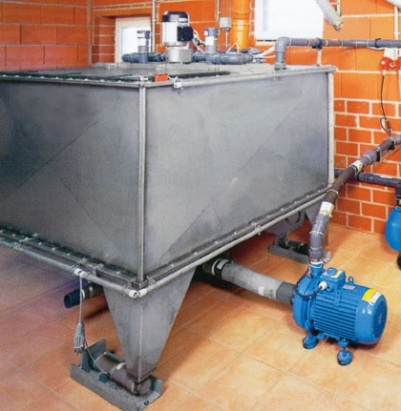 |
||||||||||||||||||||||||||
| Product Overview |
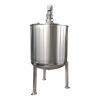
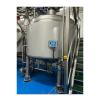
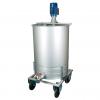
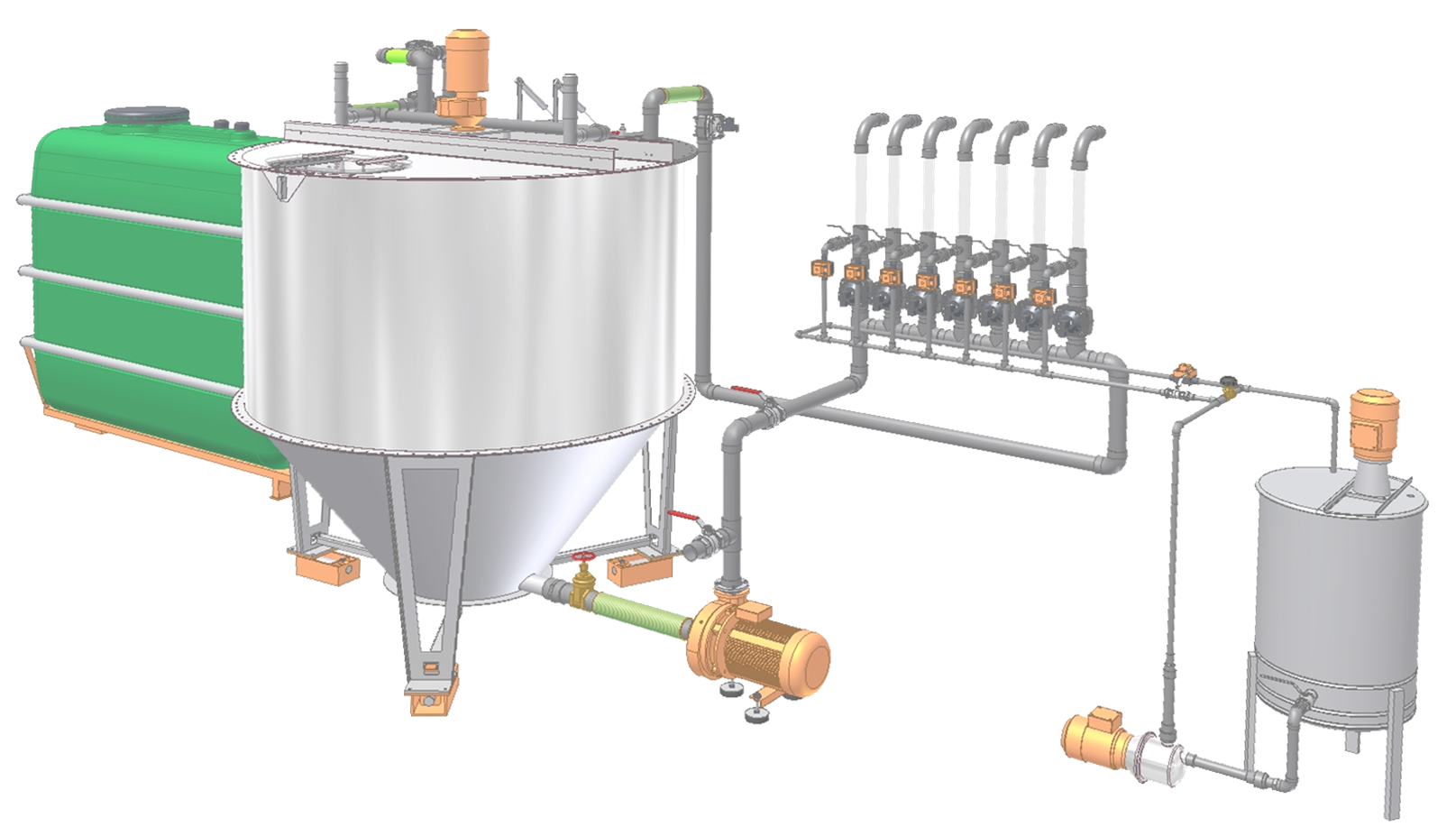
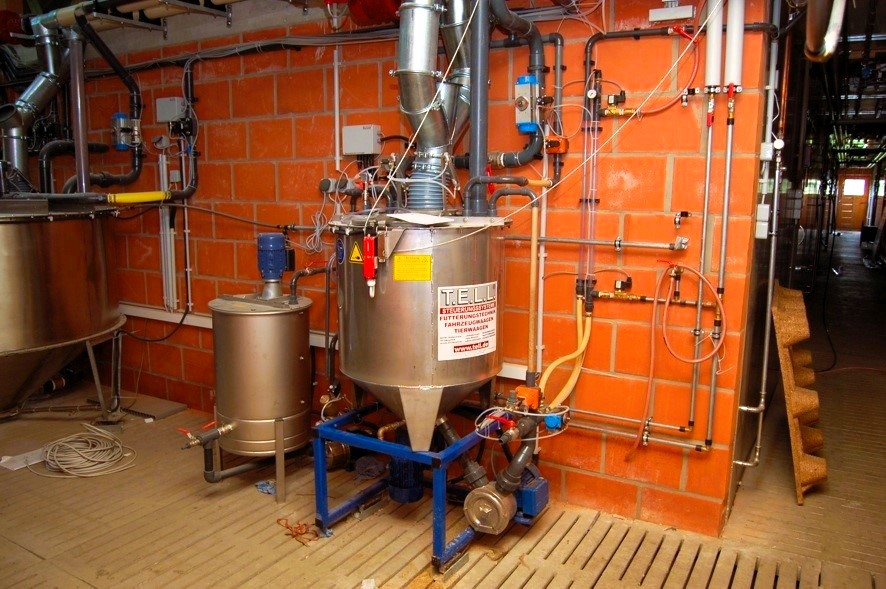
The Liquid Feeding Rinse Water Tank is a dedicated storage and process tank used in automated liquid feeding systems for commercial pig farms. It receives water used for flushing feed pipelines and makes this water available for subsequent feeding or cleaning cycles. In residue-free liquid feeding systems, rinse water is used to displace remaining feed from the main pipeline after a feeding cycle. The recovered water can then be returned to a weighed rinse tank instead of being discarded, helping reduce water consumption and allowing the recovered liquid to be incorporated into a subsequent feed recipe. A weighed rinse water tank can also improve feeding efficiency because flushing water does not have to be transferred back into the main mixing tank before the next feeding cycle. This is particularly useful in sow feeding, finishing houses and larger pig production facilities where multiple recipes must be distributed efficiently. Tank capacity, weighing arrangement, inlet and outlet connections, level monitoring, cleaning system and integration with pumps and valves can be customized according to the liquid feeding project. |
||||||||||||||||||||||||||
| Key Features |
|
||||||||||||||||||||||||||
| Structural Components |
|
||||||||||||||||||||||||||
| Working Principle |
After the required liquid feed has been mixed and distributed, water is introduced into the main feed pipeline. The rinse water pushes the remaining feed toward the feeding valves or through the designated residue-free circuit while simultaneously flushing the pipeline. In systems using a JET separator or similar line-clearing method, compressed air can move the separator and rinse water through the pipeline. At the end of the cycle, the water is returned to the rinse water tank for temporary storage. If the tank is installed on load cells, the controller measures the recovered water quantity and can include this amount when calculating the water requirement for the next feed recipe. This process helps leave the main transport line substantially free of feed between feeding cycles while improving hygiene and reducing unnecessary disposal of process water. |
||||||||||||||||||||||||||
| Technical Specifications |
|
||||||||||||||||||||||||||
| Applications |
|
||||||||||||||||||||||||||
| Customization Options |
|
||||||||||||||||||||||||||
| Installation & Maintenance |
Installation Position: The rinse water tank should normally be installed in the feed kitchen close to the liquid feeding pump, mixing tank and main distribution piping to minimize unnecessary pipeline length. Foundation: Install the tank on a level and structurally adequate concrete base or engineered steel support structure capable of carrying the maximum filled weight. Load Cell Installation: For weighed tanks, each support point should transfer the load correctly to the weighing sensors without rigid pipe connections introducing unwanted external forces. Pipe Connections: Suitable flexible connections should be considered around weighed tanks to minimize weighing errors and mechanical stress. Drainage: The outlet and bottom geometry should permit complete emptying to reduce stagnant water and simplify cleaning. Commissioning: Verify load-cell calibration, level sensors, valves, pumps, rinse-water routing and controller logic before production use. Routine Maintenance: Regularly inspect the tank interior, load cells, pipe joints, valves, sensors and cleaning nozzles. Remove deposits and verify that rinse water can drain completely without stagnant zones. |
||||||||||||||||||||||||||
| Project Applications |
In a one-tank residue-free liquid feeding system with JET branch lines, rinse water follows the liquid feed through the main branch and flushes remaining feed from the pipe. The recovered water is then returned to the rinse water tank and can be used when preparing another recipe. In a residue-free ring-line system, a weighed rinse tank can hold the flushing water separately from the primary mixing tank. This arrangement can reduce interruptions between feeding cycles and is particularly suitable for commercial sow feeding. For larger pig farms, the rinse water tank can also be integrated with two mixing tanks, multiple feed circuits, automatic valves and centralized computer control to support rapid distribution of different feed recipes. |
||||||||||||||||||||||||||
| Product FAQ |
Q: What is a rinse water tank used for in liquid feeding? A: It stores water used to flush liquid feed pipelines and allows the recovered water to be managed separately from the main feed mixing tank. Q: Can the rinse water be reused? A: Yes. In correctly designed feeding systems, recovered rinse water can be measured and reused as part of a subsequent feed recipe, reducing unnecessary water disposal. Q: Why use a weighed rinse water tank? A: Weighing allows the feeding controller to determine how much recovered water is available and include this quantity accurately when calculating the next recipe. Q: Does a separate rinse tank improve feeding speed? A: In suitable residue-free systems, it can reduce waiting time because used rinse water does not first have to be transferred back into the main mixing tank before the next feeding operation. Q: Is the tank suitable for residue-free feeding? A: Yes. Rinse water tanks are commonly used in residue-free ring-line and JET branch-line liquid feeding concepts. Q: Can the tank be supplied in stainless steel? A: Yes. Stainless steel configurations are available and provide smooth, corrosion-resistant surfaces suitable for frequent wet cleaning. Q: Can the tank be integrated with an existing liquid feeding system? A: Retrofit integration is possible when the existing pump capacity, piping, valves, controller and available installation space are compatible. Q: What information is required for a quotation? A: Please provide the number of pigs, feeding system type, mixing tank size, pipeline layout, approximate rinse-water volume, required weighing function, pump specifications and preferred automation level. |
||||||||||||||||||||||||||
| Product Gallery |
|
- Home
-
Products
- Pig Farming Equipment
- Cattle Farming Equipment
- Sheep & Goat Farming Equipment
- Poultry Farming Equipment
- Feeding & Drinking Systems
- Veterinary & Breeding Equipment
- Testing & Diagnostic Equipment
- Cleaning & Biosecurity Equipment
- Climate Control Equipment
- Livestock Weighing Equipment
- Manure & Waste Management
- Farm Transport & Handling
-
Solutions
- Pig Farm Solutions
- Dairy Farm Solutions
- Beef Cattle Farm Solutions
- Sheep & Goat Farm Solutions
- Layer Farm Solutions
- Broiler Farm Solutions
- Feeding & Drinking System Solutions
- Climate Control Solutions
- Biosecurity & Disinfection Solutions
- Manure & Waste Management
- Smart Farming Solutions
- Farm Renovation and Upgrade Solutions
- Partners
- Projects
- Resources
- News
- About Us
- Contact



Comments & Inquiries
Leave your questions or requirements below. We will reply as soon as possible.