

| Product Name | Liquid Feed Fermentation Tank | ||||||||||||||||||||||||||||||
| Product Image |  |
||||||||||||||||||||||||||||||
| Product Overview |
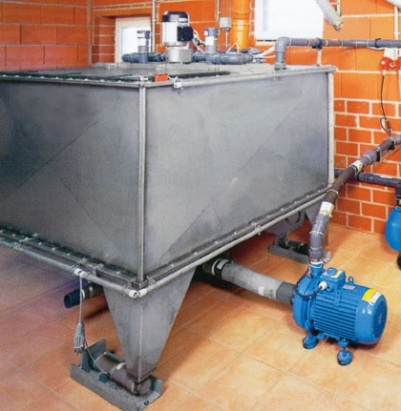
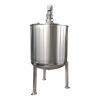
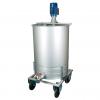
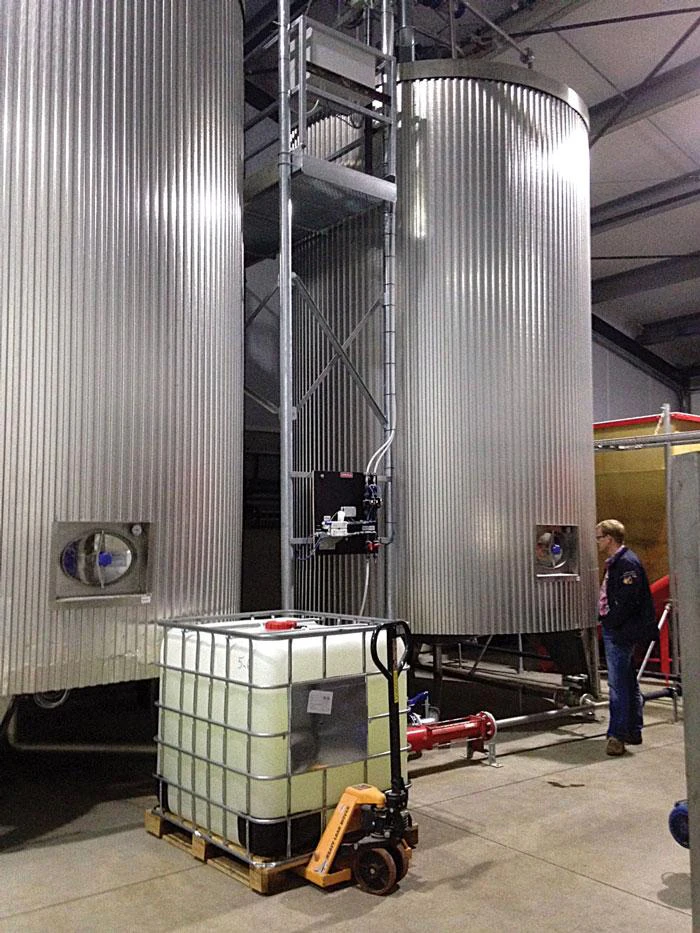
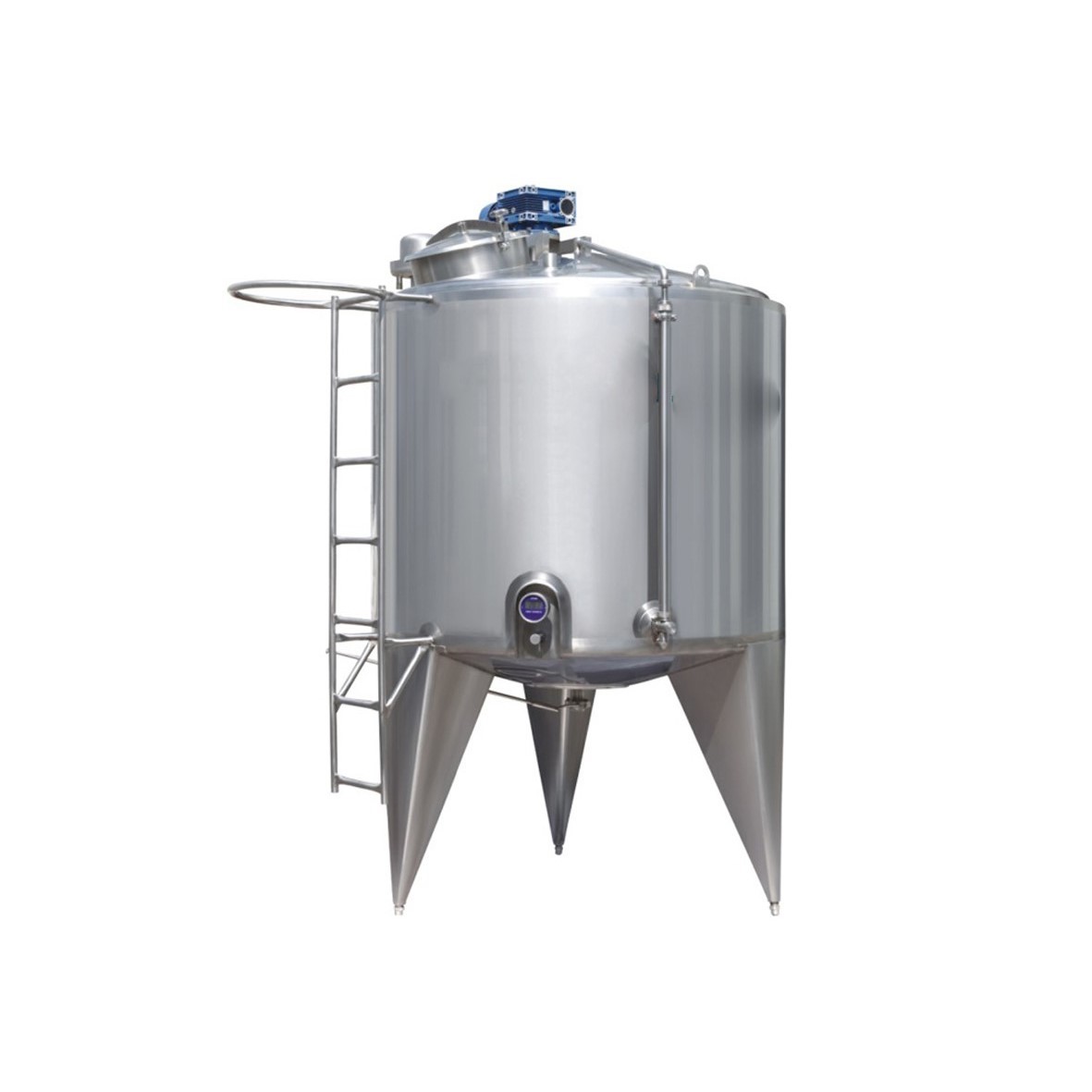
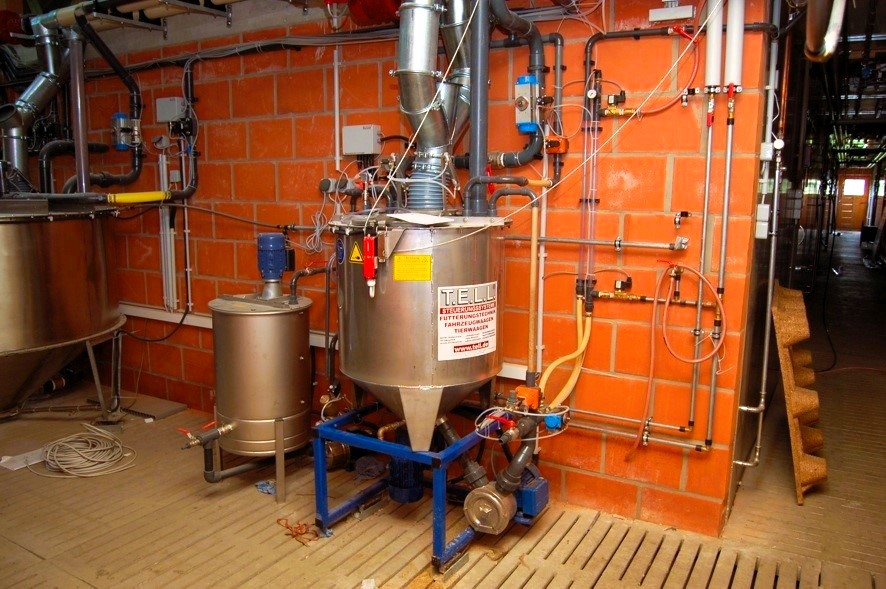
The Liquid Feed Fermentation Tank is designed for controlled preparation and fermentation of liquid feed used in commercial pig production. It provides an enclosed vessel in which selected feed ingredients, water and fermentation cultures can be mixed under controlled operating conditions before the fermented feed is transferred to the main liquid feeding system. Typical installations use acid-resistant fermentation vessels equipped with slow-running agitators. The controlled mixing action keeps feed components homogeneous while limiting unnecessary introduction of air into the fermentation medium. For continuous commercial operation, two fermentation tanks can be arranged for alternating batch preparation and discharge. While one vessel supplies fermented feed, another batch can be prepared for the following feeding period. The system is suitable for piglet, sow and finishing projects and can be integrated with ingredient dosing, hot and cold water supply, pumps, pH monitoring, computerized liquid feeding and automated cleaning equipment according to project requirements. |
||||||||||||||||||||||||||||||
| Key Features |
|
||||||||||||||||||||||||||||||
| Structural Components |
|
||||||||||||||||||||||||||||||
| Working Principle |
Selected feed ingredients and water are dosed into the fermentation vessel according to the required recipe. A starter culture can be added from a dedicated pre-activation tank or through a suitable dosing device. The agitator mixes the ingredients into a homogeneous liquid feed mixture. Slow agitation is preferred during controlled fermentation because excessive aeration can interfere with the desired fermentation environment. During the fermentation period, process conditions such as time, temperature and pH can be monitored according to the selected control concept. Once the target fermentation stage has been reached, the prepared feed is transferred to the liquid feeding system for incorporation into the final ration or direct downstream processing. In dual-tank systems, the two fermentation vessels operate alternately so that fermented feed can remain available while the next batch is being prepared. |
||||||||||||||||||||||||||||||
| Technical Specifications |
|
||||||||||||||||||||||||||||||
| Applications |
|
||||||||||||||||||||||||||||||
| Customization Options |
|
||||||||||||||||||||||||||||||
| Installation & Maintenance |
Feed Kitchen Layout: The fermentation tank should be positioned close to the liquid feed mixing and distribution equipment while allowing sufficient space for pumps, piping, controls, cleaning and maintenance access. Foundation: Install the tank on a level, structurally suitable concrete foundation or engineered steel support capable of carrying the maximum operating load. Water Supply: Hot and cold water connections should be designed according to the selected fermentation process. Heat-resistant piping should be used where elevated water temperatures are required. Agitator Installation: Verify correct shaft alignment, rotation direction and operating clearance before filling the vessel. Sensor Calibration: Temperature, pH, level and weighing devices should be commissioned and calibrated according to the selected automation concept. Cleaning: Fermentation vessels, pumps and associated pipelines should be included in a regular hygiene program. Suitable cleaning access and complete drainage are important for stable commercial operation. Routine Maintenance: Periodically inspect agitator bearings, gearbox, seals, pumps, valves, sensors and pipe connections. Components exposed to acidic feed should be checked for corrosion and wear. |
||||||||||||||||||||||||||||||
| Project Applications |
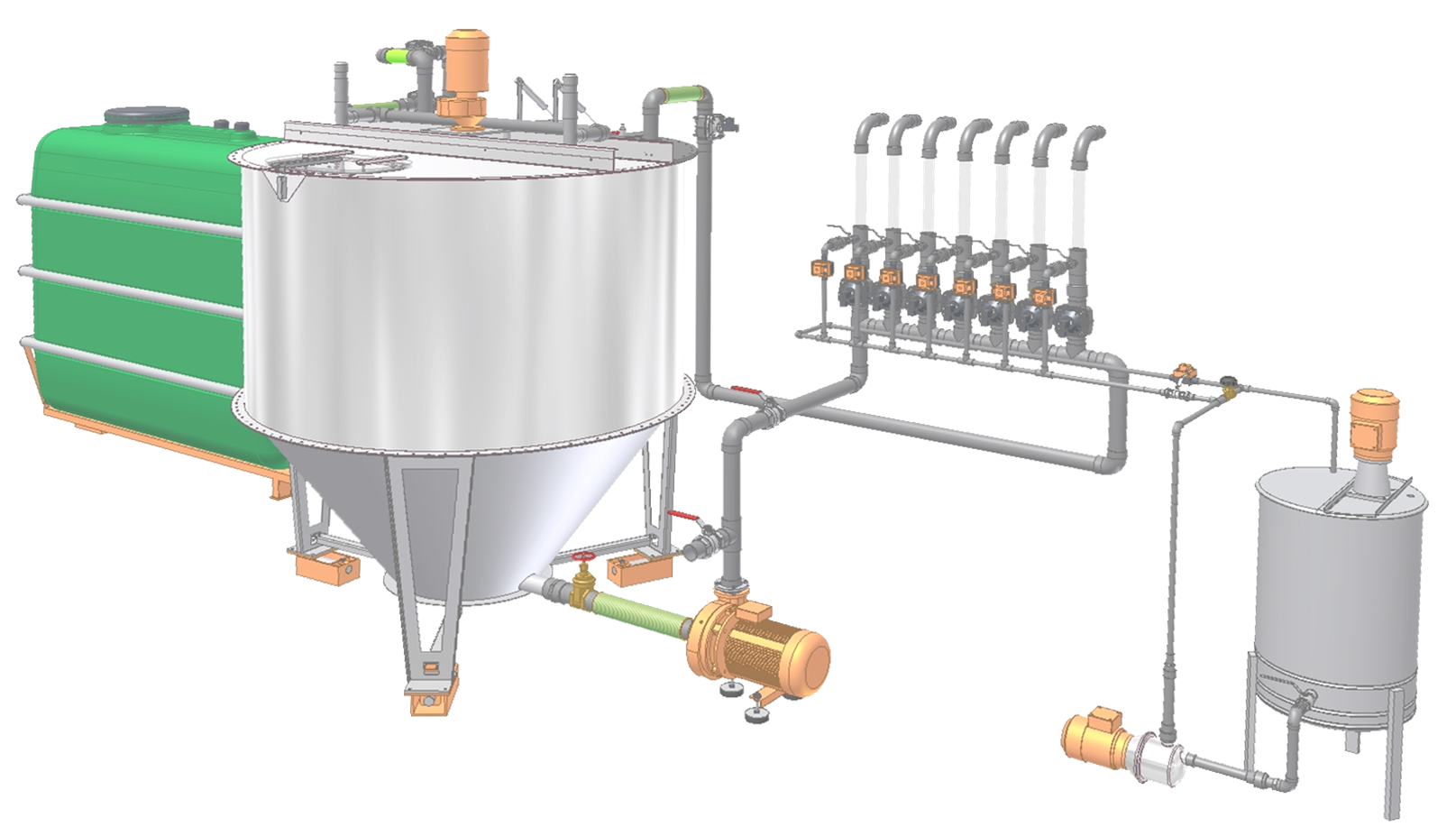
A typical commercial fermentation project uses two fermentation vessels operating alternately. Ingredients, water and starter culture are prepared in one tank while fermented material from the other tank is transferred to the liquid feed preparation system. The fermentation vessels can be connected with ingredient silos, dry dosing units, water tanks, transfer pumps, mixing tanks and computerized feed distribution equipment to create an integrated feed kitchen. Tank capacity and process configuration should be engineered according to animal numbers, daily ration requirements, fermentation time, available ingredients and the selected feeding strategy. |
||||||||||||||||||||||||||||||
| Product FAQ |
Q: What is a liquid feed fermentation tank used for? A: It provides a controlled vessel for mixing feed ingredients, water and starter culture and allowing the mixture to ferment before use in a pig liquid feeding system. Q: Why are two fermentation tanks often used? A: Two tanks support alternating batch operation. One tank can supply fermented feed while the second tank prepares the next batch, improving process continuity. Q: Why is a slow-running agitator recommended? A: Slow agitation keeps the feed components mixed while limiting excessive introduction of air into the fermentation mixture. Q: What materials can be used for the tank? A: Stainless steel and other acid-resistant materials are suitable options. Final material selection depends on feed composition, cleaning method and project requirements. Q: Can pH be monitored automatically? A: Yes. A compatible pH sensor and controller can be integrated to monitor the fermentation process and support automated management. Q: Can the tank be integrated with an existing liquid feeding system? A: Yes. Retrofit integration is possible when the existing pumps, pipes, control equipment and feed kitchen layout are compatible with the proposed fermentation system. Q: Is tank capacity fixed? A: No. Capacity can be selected according to animal numbers, daily fermented feed demand, batch frequency and available installation space. Q: What information is required for a quotation? A: Please provide pig numbers, production stage, daily feed demand, ingredients, required fermentation volume, available feed kitchen dimensions, preferred tank material, automation requirements and existing liquid feeding equipment. |
||||||||||||||||||||||||||||||
| Product Gallery |
|
- Home
-
Products
- Pig Farming Equipment
- Cattle Farming Equipment
- Sheep & Goat Farming Equipment
- Poultry Farming Equipment
- Feeding & Drinking Systems
- Veterinary & Breeding Equipment
- Testing & Diagnostic Equipment
- Cleaning & Biosecurity Equipment
- Climate Control Equipment
- Livestock Weighing Equipment
- Manure & Waste Management
- Farm Transport & Handling
-
Solutions
- Pig Farm Solutions
- Dairy Farm Solutions
- Beef Cattle Farm Solutions
- Sheep & Goat Farm Solutions
- Layer Farm Solutions
- Broiler Farm Solutions
- Feeding & Drinking System Solutions
- Climate Control Solutions
- Biosecurity & Disinfection Solutions
- Manure & Waste Management
- Smart Farming Solutions
- Farm Renovation and Upgrade Solutions
- Partners
- Projects
- Resources
- News
- About Us
- Contact


Comments & Inquiries
Leave your questions or requirements below. We will reply as soon as possible.