


| Product Name | Wet Feed Pre-Mixing Tank | ||||||||||||||||||||||||||||||||
| Product Image |  |
||||||||||||||||||||||||||||||||
| Product Overview |
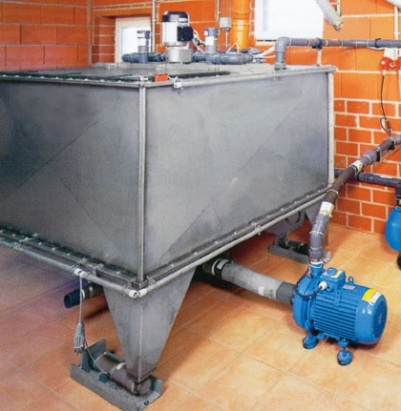
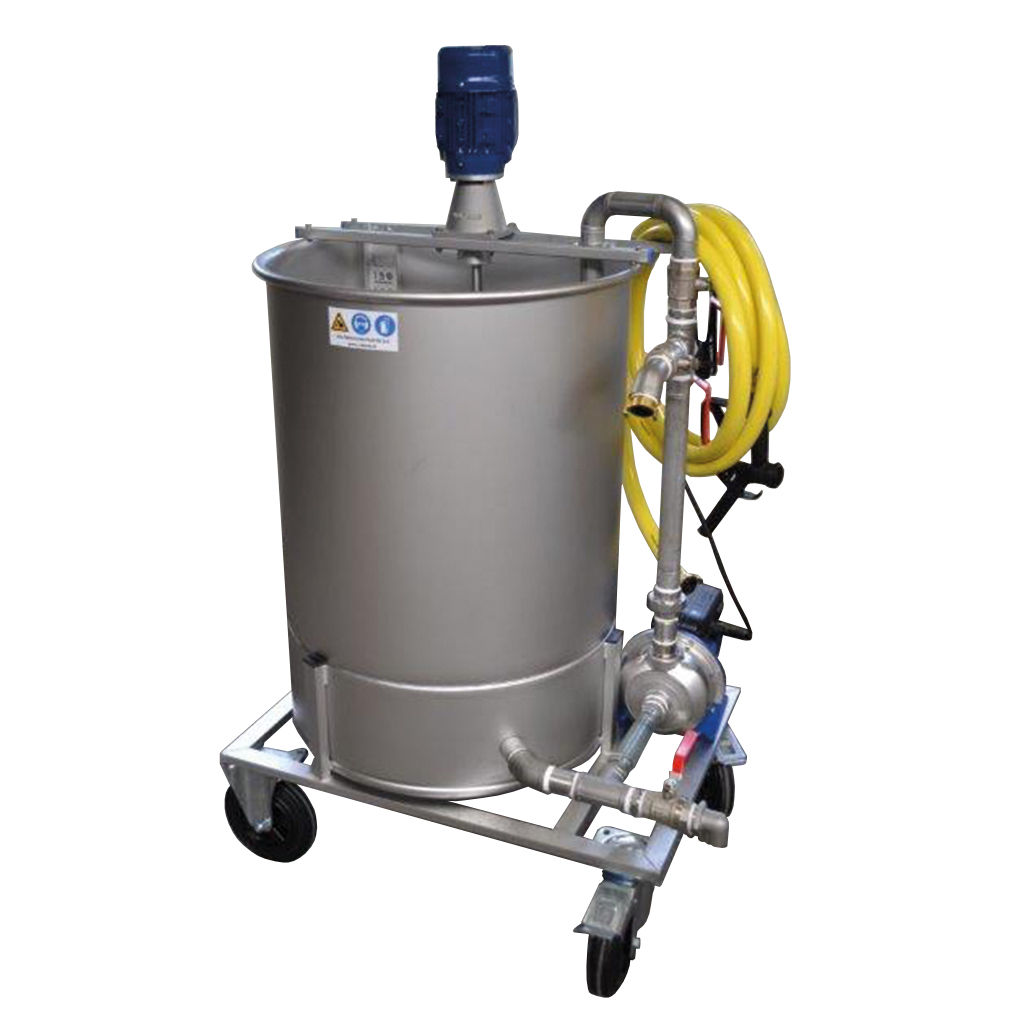
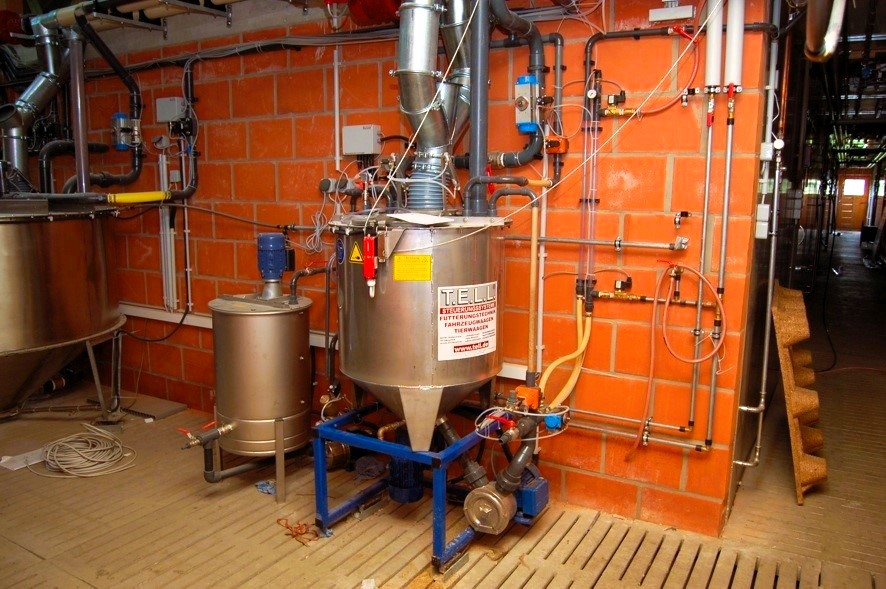
The Wet Feed Pre-Mixing Tank is designed for temporary receiving, blending and homogenization of dry, moist and liquid feed ingredients before the prepared mixture enters the main liquid feeding circuit. In commercial pig production, the tank can be used for combining water, liquid feed components, ground grain, CCM, moist by-products and other compatible ingredients. A motor-driven agitator helps distribute the materials evenly and reduces separation before pumping or transfer to the main mixing tank. The pre-mixing stage is especially useful when feed ingredients have different moisture contents, particle sizes or flow characteristics. Larger clusters can be broken up and dispersed before entering pumps, valves and distribution pipes, helping improve the consistency of the final ration. Tank capacity, material, agitator configuration, inlet arrangement, pump connection and automation level can be customized for new pig farm construction, livestock equipment upgrades and steel structure building projects. |
||||||||||||||||||||||||||||||||
| Key Features |
|
||||||||||||||||||||||||||||||||
| Structural Components |
|
||||||||||||||||||||||||||||||||
| Working Principle |
Selected feed ingredients are introduced into the pre-mixing tank through dedicated dry-feed, liquid-feed or water connections. The ingredients can be added manually or automatically according to the farm feeding system. The motor-driven agitator circulates the material throughout the tank. This mixing action helps distribute moisture, suspend solid particles and break up suitable feed clusters, producing a more homogeneous mixture. After the required mixing period or process condition is reached, the prepared wet feed is transferred through the bottom outlet. Transfer can be performed by a feed pump, screw conveyor or other compatible conveying equipment. The pre-mixed material then enters the main liquid feeding tank or distribution circuit, where additional weighing, ingredient dosing, dilution or final mixing can be completed before delivery to animal feeding valves. |
||||||||||||||||||||||||||||||||
| Technical Specifications |
|
||||||||||||||||||||||||||||||||
| Applications |
|
||||||||||||||||||||||||||||||||
| Customization Options |
|
||||||||||||||||||||||||||||||||
| Installation & Maintenance |
Foundation: Install the tank on a level, load-bearing concrete base or engineered supporting structure suitable for the maximum filled operating weight. Ingredient Connections: Dry feed lines, water pipes and liquid ingredient connections should enter the tank at positions that support efficient mixing and minimize dead zones. Agitator Installation: The motor, shaft and mixing elements must be correctly aligned and securely mounted before operation. Pump Connection: The discharge line should provide unrestricted feed flow to the transfer pump, with suitable valves and service connections included where required. Electrical Control: Motors, pumps, level sensors and weighing components should be connected to the control cabinet according to the selected automation architecture. Cleaning: Flush and clean the tank, agitator, outlet and connected piping regularly to limit feed residue accumulation and maintain feeding hygiene. Routine Maintenance: Periodically inspect bearings, seals, agitator blades, motor, pump, valves, sensors and structural connections. Replace worn components according to the farm maintenance schedule. |
||||||||||||||||||||||||||||||||
| Project Applications |
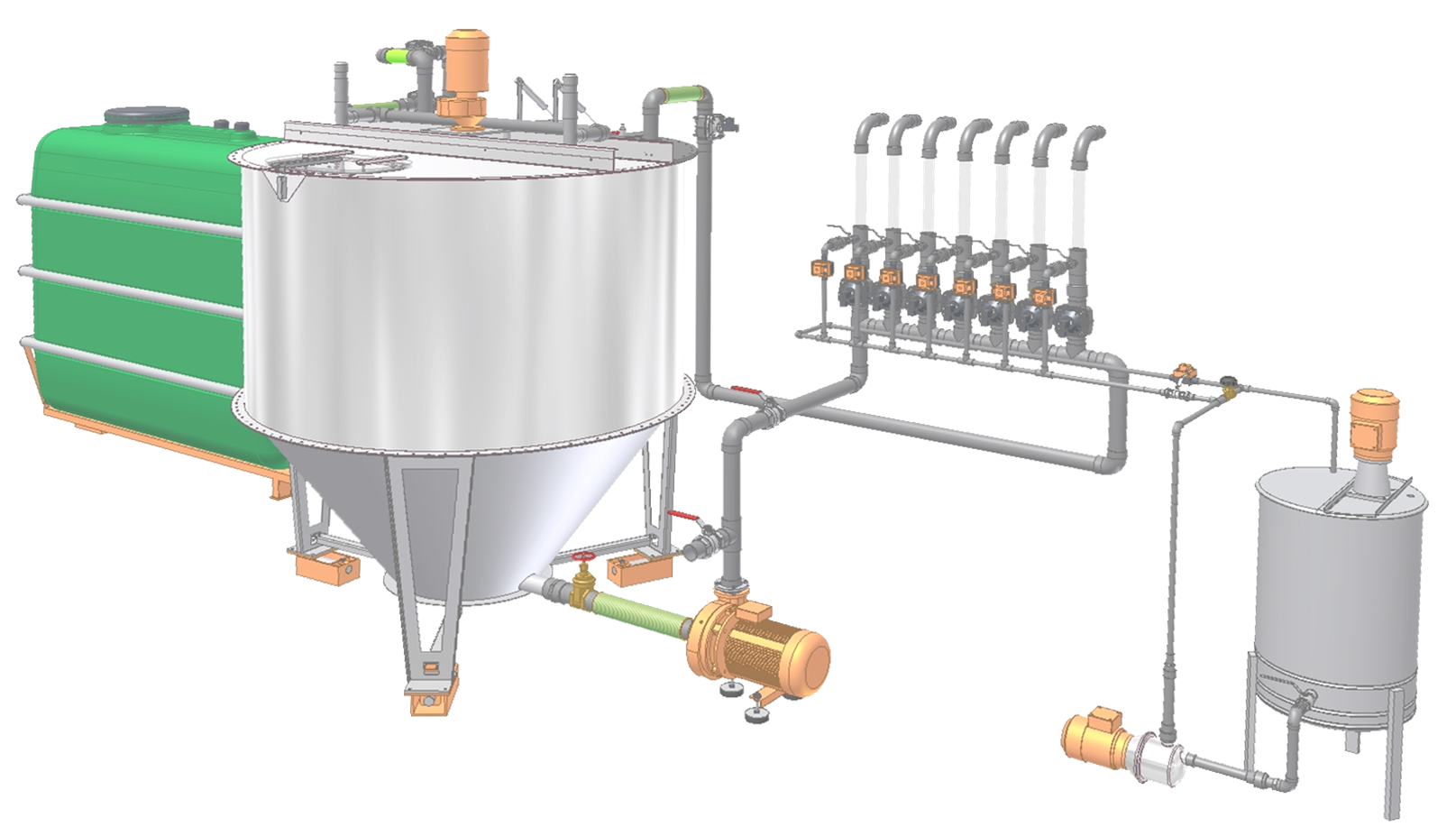
In a commercial pig farm feed kitchen, the pre-mixing tank can receive moist ingredients such as CCM together with water or other liquid components. The agitator prepares a pumpable mixture before transfer to the main weighing and mixing tank. For larger livestock projects, several ingredient storage units can supply one central pre-mixing tank. Pumps, screw conveyors, valves and sensors can be controlled automatically according to the selected feeding recipe. Final tank volume, agitator design and transfer capacity should be calculated from daily feed demand, batch size, ingredient characteristics, feeding frequency and the layout of the complete liquid feeding system. |
||||||||||||||||||||||||||||||||
| Product FAQ |
Q: What is the purpose of a wet feed pre-mixing tank? A: It receives and blends feed ingredients before they enter the main liquid feeding tank or distribution system, helping create a more uniform and pumpable mixture. Q: Can the tank handle CCM? A: Yes. Suitable pre-mixing and intermediate storage tanks can be configured for corn-cob mix and other moist feed ingredients. Q: Can dry and liquid ingredients be mixed together? A: Yes. The tank can be configured with separate ingredient inlets for water, liquid components, dry feed and compatible moist materials. Q: Can the tank be supplied in stainless steel? A: Yes. Stainless steel construction is available and is commonly selected where corrosion resistance, durability and easy cleaning are priorities. Q: Can a pump be integrated with the tank? A: Yes. Feed transfer pumps and optional return-flow pumps can be selected according to feed consistency, transfer distance and process requirements. Q: Can the tank be automatically controlled? A: Yes. Level sensors, load cells, ingredient valves, pumps and agitators can be integrated with compatible liquid feeding controllers. Q: How should tank capacity be selected? A: Capacity should be selected according to herd size, batch volume, daily feed demand, feeding frequency and the required buffer time between ingredient preparation and final feeding. Q: What information is required for a quotation? A: Please provide pig numbers, daily feed demand, ingredient types, expected batch size, preferred tank material, required mixing and pumping functions, voltage and feeding system layout. |
||||||||||||||||||||||||||||||||
| Product Gallery |
|
- Home
-
Products
- Pig Farming Equipment
- Cattle Farming Equipment
- Sheep & Goat Farming Equipment
- Poultry Farming Equipment
- Feeding & Drinking Systems
- Veterinary & Breeding Equipment
- Testing & Diagnostic Equipment
- Cleaning & Biosecurity Equipment
- Climate Control Equipment
- Livestock Weighing Equipment
- Manure & Waste Management
- Farm Transport & Handling
-
Solutions
- Pig Farm Solutions
- Dairy Farm Solutions
- Beef Cattle Farm Solutions
- Sheep & Goat Farm Solutions
- Layer Farm Solutions
- Broiler Farm Solutions
- Feeding & Drinking System Solutions
- Climate Control Solutions
- Biosecurity & Disinfection Solutions
- Manure & Waste Management
- Smart Farming Solutions
- Farm Renovation and Upgrade Solutions
- Partners
- Projects
- Resources
- News
- About Us
- Contact


Comments & Inquiries
Leave your questions or requirements below. We will reply as soon as possible.