


| Product Name | Self-Cleaning Liquid Feed Mixing Tank | ||||||||||||||||||||||||||||
| Product Image |  |
||||||||||||||||||||||||||||
| Product Overview |
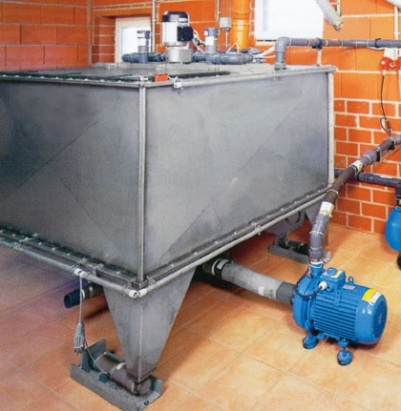
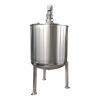
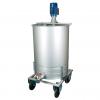
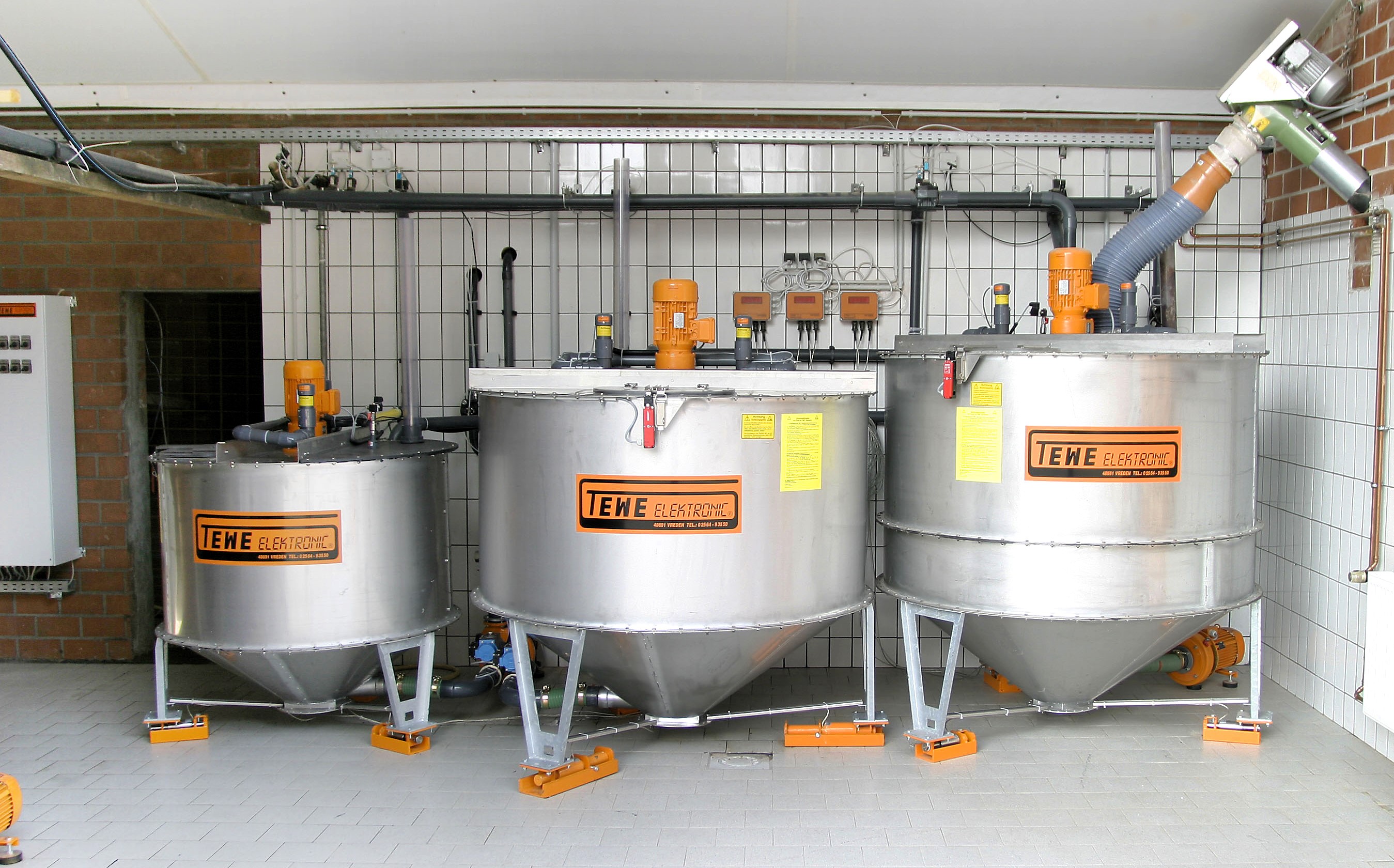
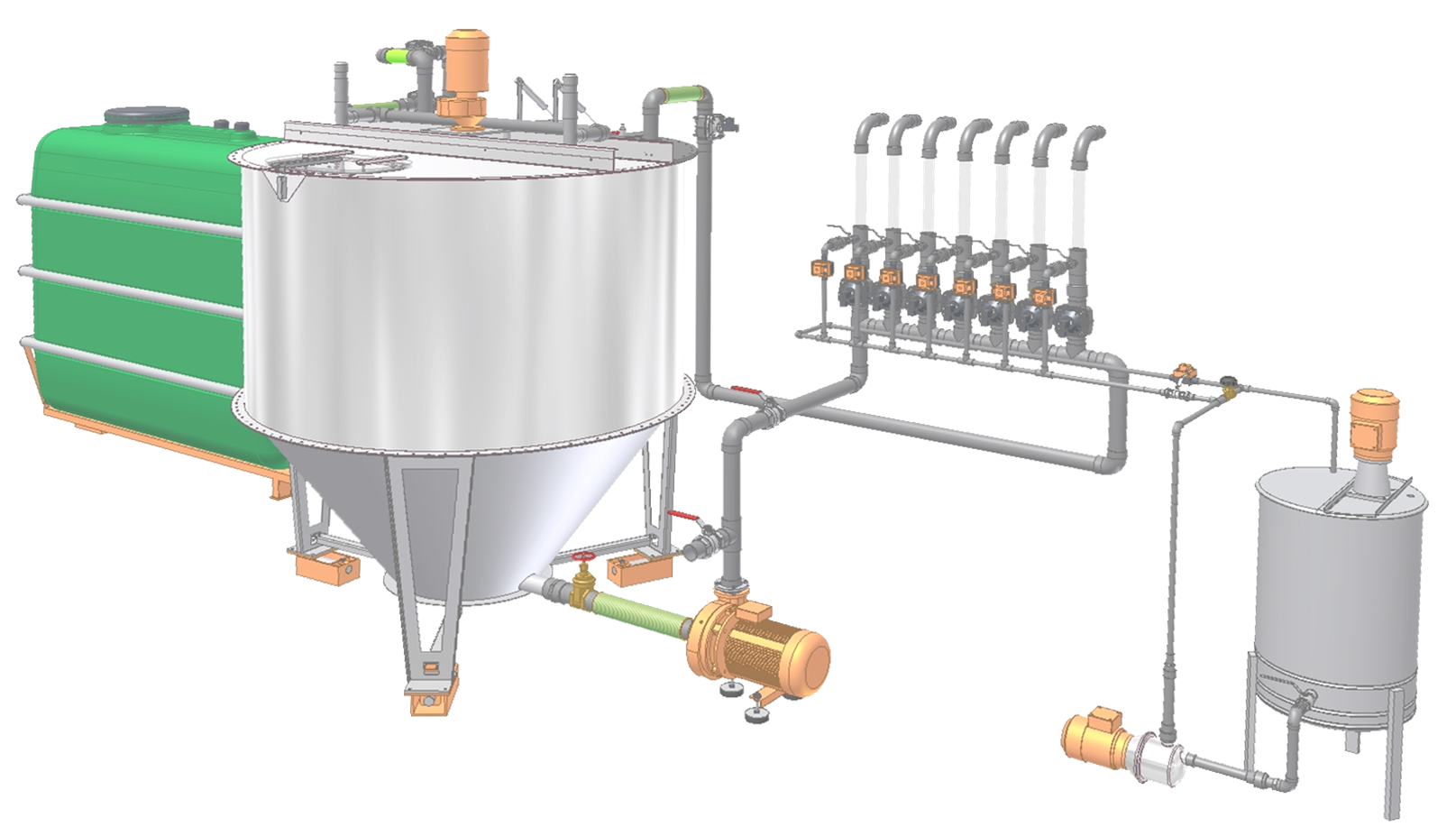
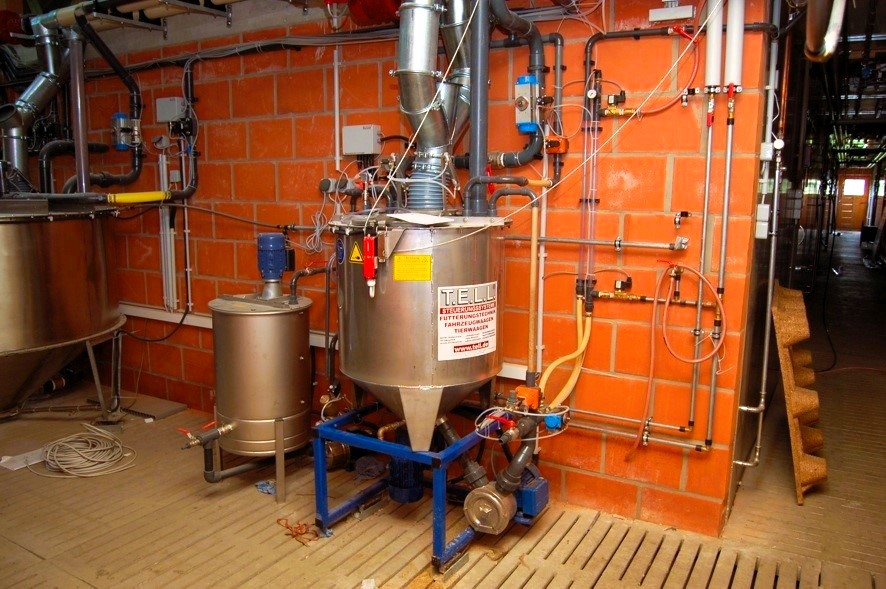
The Self-Cleaning Liquid Feed Mixing Tank is designed for automated preparation of liquid feed in commercial pig production. The tank combines ingredient receiving, controlled mixing, feed circulation and automatic internal cleaning in one integrated livestock feeding system. A motor-driven agitator blends water, dry feed and suitable liquid or moist feed ingredients into a homogeneous ration before the mixture is pumped into the distribution pipeline. After feeding, an integrated cleaning system can rinse the tank lid and internal walls using pressurized water or approved cleaning fluid. Reference liquid-feeding hygiene systems use pump-operated sprinklers to distribute cleaning liquid throughout the vessel. Automatic cleaning reduces feed residues on internal surfaces, lowers manual cleaning requirements and supports more consistent hygiene between feeding cycles. The tank can be configured for piglet rearing, sow management and finishing farms, and can be integrated with weighing equipment, ingredient dosing, pumps, valves, feed pipelines and computerized farm management systems according to project requirements. |
||||||||||||||||||||||||||||
| Key Features |
|
||||||||||||||||||||||||||||
| Structural Components |
|
||||||||||||||||||||||||||||
| Working Principle |
Water and selected feed ingredients are introduced into the mixing tank according to the programmed ration. Where a weighing system is installed, ingredient quantities can be measured during filling to support accurate batch preparation. The agitator mixes the ingredients until a homogeneous liquid feed is obtained. The prepared ration is then transferred by pump through the feed distribution system to the required troughs or feeding circuits. After feed discharge, the automatic cleaning cycle begins. Pressurized water is supplied to internal sprinklers, which distribute the cleaning flow across the tank lid and walls to remove adhering feed residues. Suitable systems can also use approved acid or alkaline cleaning programs for periodic sanitation of tanks and pipelines. The cleaning sequence, frequency and chemical concentration are determined according to system configuration and farm hygiene requirements. Rinse water can be managed within the feeding process where permitted by the system design, reducing unnecessary wastewater while maintaining regular cleaning cycles. |
||||||||||||||||||||||||||||
| Technical Specifications |
|
||||||||||||||||||||||||||||
| Applications |
|
||||||||||||||||||||||||||||
| Customization Options |
|
||||||||||||||||||||||||||||
| Installation & Maintenance |
Foundation and Support: Install the tank on a level and adequately load-rated concrete foundation or steel support structure. Working clearance should be maintained around pumps, valves and service components. Ingredient Connections: Dry-feed augers, water lines, liquid ingredient pipes and additive dosing equipment should be connected according to the approved process layout. Cleaning Water Supply: The cleaning circuit should provide sufficient pressure and flow for the selected sprinklers or spray heads. Water quality should be suitable for livestock feeding-system use. Drainage: The installation area should include suitable floor drainage and wastewater management for commissioning, maintenance and sanitation operations. Commissioning: Verify agitator rotation, pump direction, load-cell calibration, valve operation, sensor signals and cleaning-spray coverage before feeding begins. Cleaning Program: Routine water rinsing can be programmed after feeding cycles. More intensive sanitation using compatible cleaning agents can be scheduled according to farm hygiene protocols. Routine Maintenance: Inspect agitator bearings, seals, pumps, spray nozzles, valves, sensors and pipe joints. Cleaning nozzles should remain unobstructed to maintain full tank-wall coverage. |
||||||||||||||||||||||||||||
| Project Applications |
In a typical commercial pig farm, the mixing tank forms the central preparation point of the liquid feeding system. Dry feed, water and selected liquid ingredients are automatically measured, mixed and pumped through distribution pipes to multiple pig houses. After the feeding batch has been discharged, automated tank rinsing removes residues from internal surfaces before the next recipe is prepared. This is particularly valuable where several feed formulations are prepared each day or where strict hygiene management is required. For large projects, multiple mixing, preparation or residue tanks can be incorporated into a centralized feed kitchen and connected with automated pumps, valves and computer controls. |
||||||||||||||||||||||||||||
| Product FAQ |
Q: How does the self-cleaning function work? A: A pump supplies water or compatible cleaning fluid to sprinklers or spray heads inside the tank. The spray is directed onto the internal walls and lid to remove feed residues after feeding. Q: Does the tank still require manual cleaning? A: Automatic cleaning significantly reduces routine manual work, but periodic inspection and deeper maintenance cleaning remain recommended according to the farm hygiene program. Q: Can cleaning take place after every feeding cycle? A: Yes. Reference liquid-feeding hygiene systems allow water rinsing to be programmed after each feeding cycle where required. Q: Can acid or alkaline cleaners be used? A: Suitable systems can incorporate controlled acid or alkaline cleaning. Tank, seal, valve and pipeline materials must be compatible with the selected cleaning agent. Q: What tank material is recommended? A: Stainless steel is widely used because of its durability and cleanable surface. Acid-resistant GRP is also used in commercial liquid-feeding systems for suitable applications. Q: Can the tank be connected to load cells? A: Yes. Load-cell weighing can be incorporated to measure ingredients and support accurate automated batch preparation. Q: Can the system handle different liquid-feed recipes? A: Yes. Computer-controlled systems can prepare different recipes using dry, liquid and moist ingredients according to the feeding program and available dosing equipment. Q: What information is required for a quotation? A: Please provide herd size, pig production stage, required tank capacity, daily feed volume, available ingredients, required cleaning method, number of feeding circuits, building layout and automation requirements. |
||||||||||||||||||||||||||||
| Product Gallery |
|
- Home
-
Products
- Pig Farming Equipment
- Cattle Farming Equipment
- Sheep & Goat Farming Equipment
- Poultry Farming Equipment
- Feeding & Drinking Systems
- Veterinary & Breeding Equipment
- Testing & Diagnostic Equipment
- Cleaning & Biosecurity Equipment
- Climate Control Equipment
- Livestock Weighing Equipment
- Manure & Waste Management
- Farm Transport & Handling
-
Solutions
- Pig Farm Solutions
- Dairy Farm Solutions
- Beef Cattle Farm Solutions
- Sheep & Goat Farm Solutions
- Layer Farm Solutions
- Broiler Farm Solutions
- Feeding & Drinking System Solutions
- Climate Control Solutions
- Biosecurity & Disinfection Solutions
- Manure & Waste Management
- Smart Farming Solutions
- Farm Renovation and Upgrade Solutions
- Partners
- Projects
- Resources
- News
- About Us
- Contact


Comments & Inquiries
Leave your questions or requirements below. We will reply as soon as possible.