


| Product Name | Twin-Tank Liquid Feed Mixing System | ||||||||||||||||||||||||||||||||||||
| Product Image | 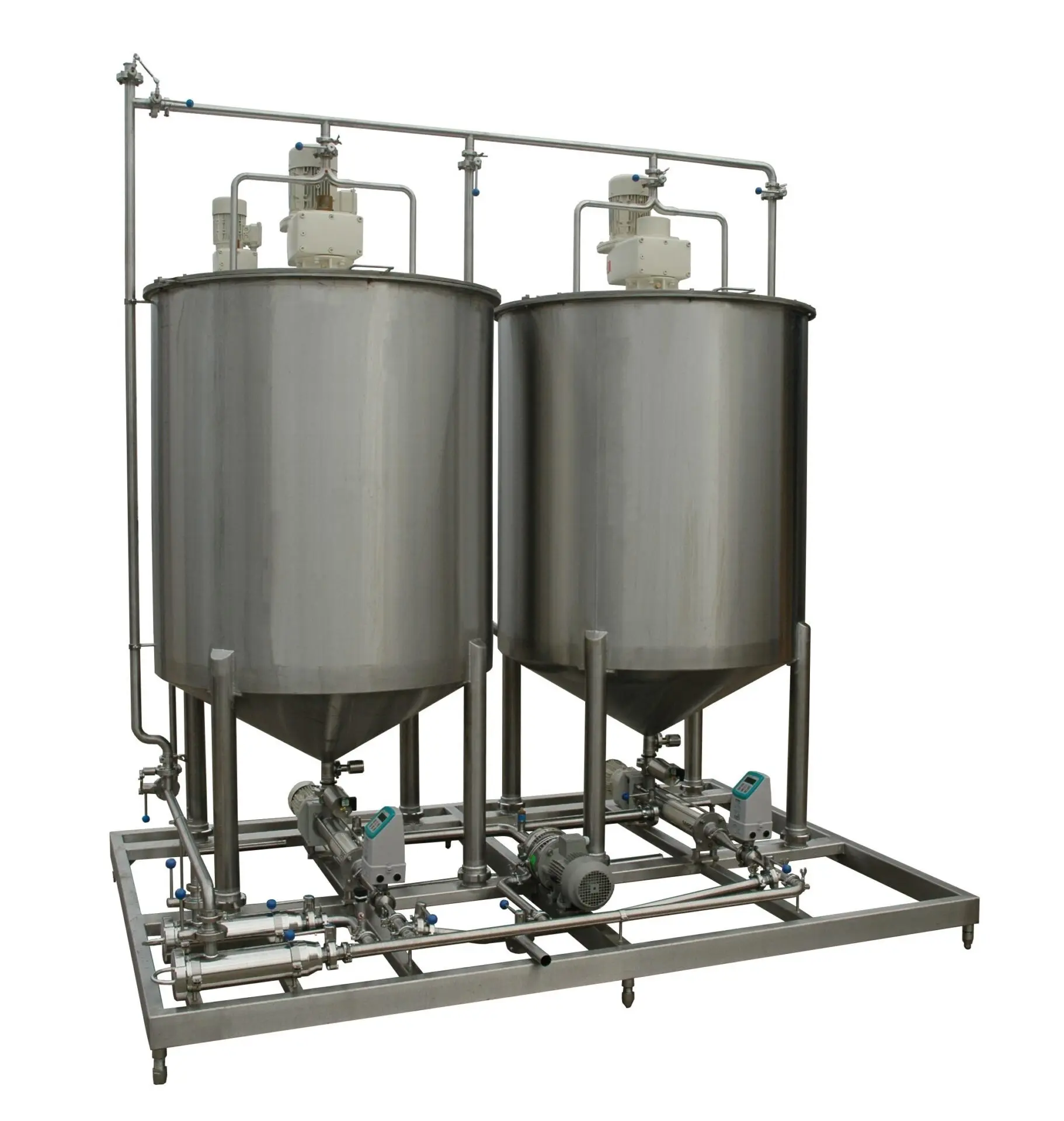 |
||||||||||||||||||||||||||||||||||||
| Product Overview |
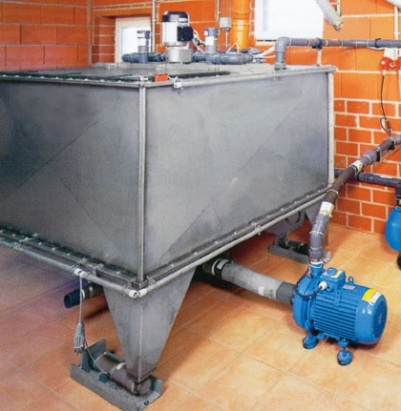
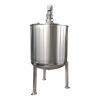
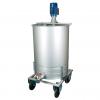
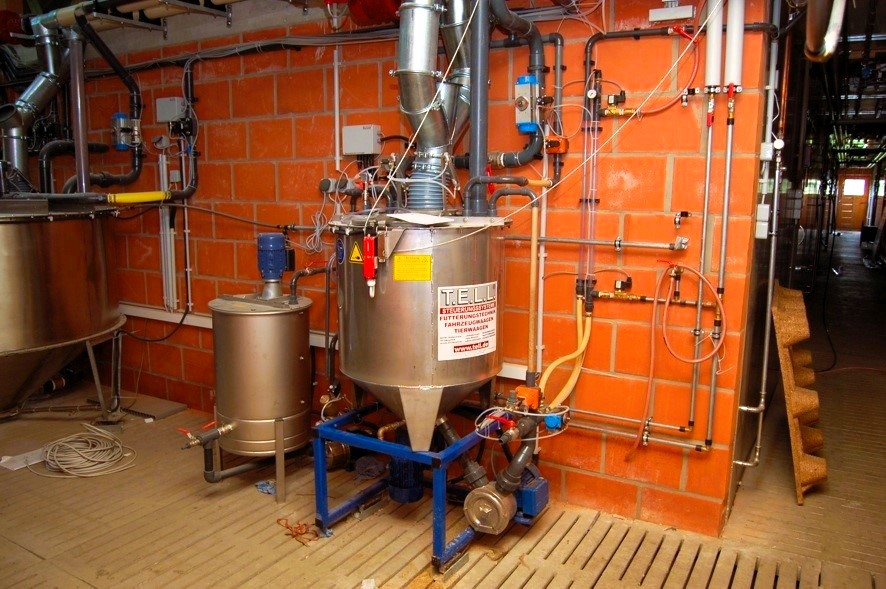
The Twin-Tank Liquid Feed Mixing System is a high-capacity automatic feeding solution designed for commercial pig farms that require rapid preparation and distribution of multiple liquid feed recipes. The system uses two mixing tanks that can operate in coordinated cycles. While liquid feed is being prepared in one tank, a completed batch can be distributed from the second tank. This parallel operating concept reduces waiting time between batches and provides high feeding performance for large sow, piglet and finishing units. Dry and liquid feed ingredients are weighed, mixed with water or suitable liquid components and processed into a pumpable homogeneous ration. The prepared feed is then transported through ring lines or branch lines and accurately dispensed through individual feed valves. The system can be engineered as part of a complete feed kitchen for new pig farm construction or integrated into suitable existing livestock buildings. Tank capacity, weighing equipment, pumps, agitators, pipelines, valves, cleaning equipment and control functions are customizable according to project requirements. |
||||||||||||||||||||||||||||||||||||
| Key Features |
|
||||||||||||||||||||||||||||||||||||
| Structural Components |
|
||||||||||||||||||||||||||||||||||||
| Working Principle |
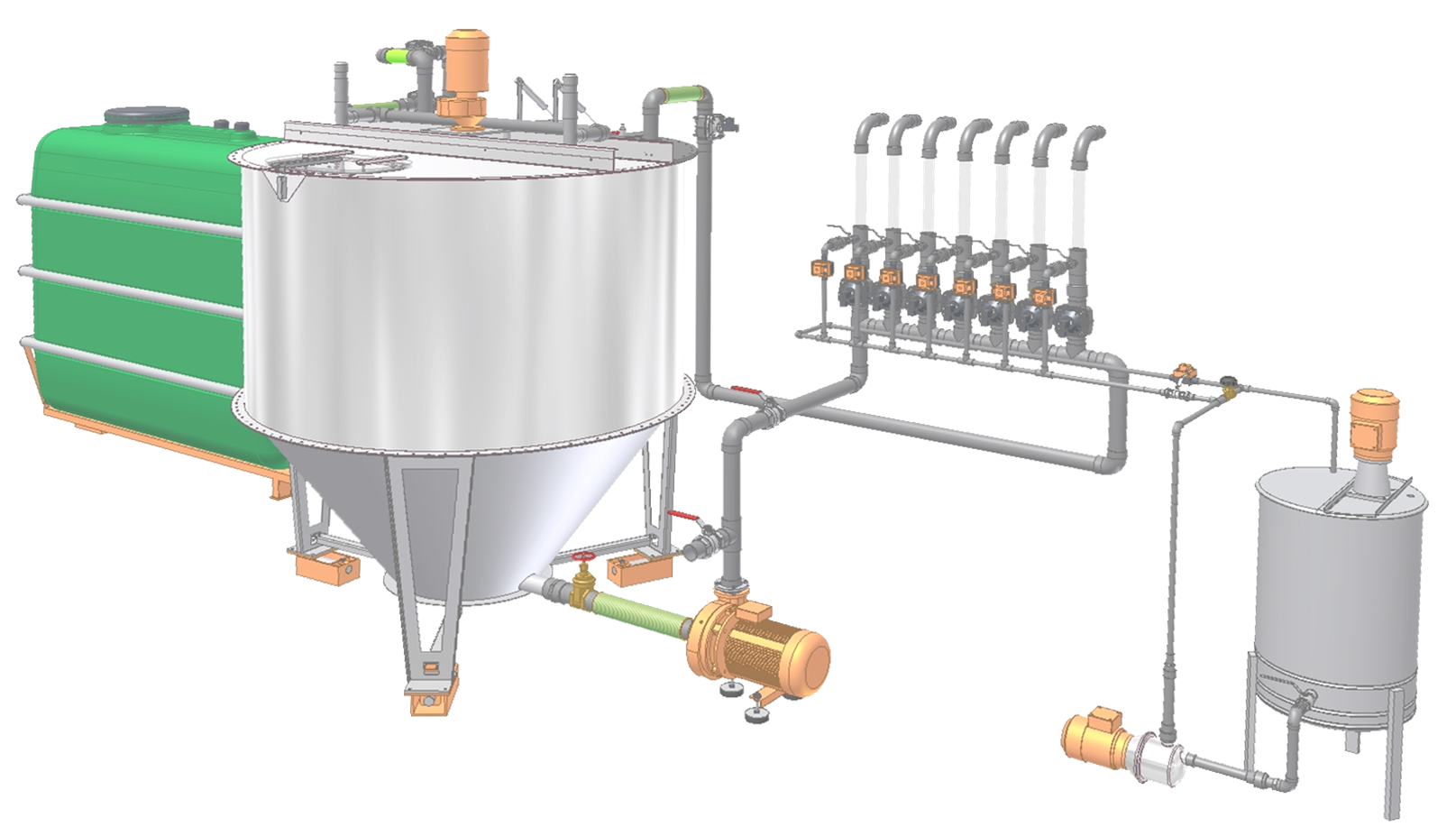
The feeding computer selects the required recipe and calculates the quantities of water, dry feed and other approved ingredients required for the next batch. Ingredients are transferred into the first weighing and mixing tank. The agitator operates according to the programmed sequence to create a homogeneous liquid feed mixture. Once the target recipe and batch weight have been reached, the prepared feed becomes available for distribution. The feed pump transports the mixture through the selected feed circuit. Automatic feed valves open according to the feeding program and dispense the calculated quantity to individual pens, animal groups or troughs. While feed is being distributed from one tank, the second tank can simultaneously prepare the next batch. The tanks alternate between preparation and distribution, significantly reducing idle time when several recipes or large numbers of animals must be supplied. After feeding, optional rinsing and cleaning sequences can flush pipelines and clean the tank surfaces. Depending on the project design, rinse water may be recovered and used during preparation of a subsequent ration. |
||||||||||||||||||||||||||||||||||||
| Technical Specifications |
|
||||||||||||||||||||||||||||||||||||
| Applications |
|
||||||||||||||||||||||||||||||||||||
| Customization Options |
|
||||||||||||||||||||||||||||||||||||
| Installation & Maintenance |
Feed Kitchen Planning: Determine daily feed demand, number of recipes, animal groups, feeding times, transport distances and available building space before defining tank and pump capacities. Foundation: Mixing tanks, pumps and related equipment should be installed on a level and load-bearing concrete base designed for the operating weight of the complete system. Tank Installation: Tanks should be positioned with adequate access for agitator service, load-cell inspection, cleaning and maintenance. Pipeline Layout: Pipe diameter, route, elevation differences and valve positions should be engineered to maintain reliable feed transport and simplify cleaning. Weighing Calibration: Tank load cells and ingredient weighing equipment should be calibrated after mechanical installation and before normal feeding operation. System Commissioning: Test ingredient dosing, agitator rotation, pump direction, feed valves, sensors, recipe control and cleaning sequences before introducing feed to animals. Daily Hygiene: Mixing tanks and feed pipelines should be cleaned according to the feeding strategy, feed ingredients and farm hygiene program. Routine Maintenance: Periodically inspect agitators, pumps, load cells, valves, sensors, seals, pipelines and electrical components. Wear parts should be replaced according to operating conditions and preventive maintenance schedules. |
||||||||||||||||||||||||||||||||||||
| Project Applications |
In a large finishing farm, the twin-tank system can alternate between multiple feed recipes throughout the day. While one tank distributes a completed ration, the second tank prepares the following batch, allowing feeding to continue with minimal interruption. For integrated sow, nursery and finishing projects, different recipes can be prepared for different production stages. Separate feed circuits or controlled valves distribute each ration to the designated livestock house or animal group. Reference two-tank liquid-feeding systems can also be configured for residue-free distribution through ring lines or branch-line concepts. This helps improve feed hygiene and reduce carry-over between different recipes. Final system engineering should be based on animal numbers, daily feed requirement, ingredient availability, dry matter content, feed transport distance, barn arrangement and required level of automation. |
||||||||||||||||||||||||||||||||||||
| Product FAQ |
Q: What is the main advantage of using two liquid feed mixing tanks? A: One tank can prepare a new ration while the second tank distributes feed. This reduces waiting time and increases feeding capacity, particularly when many animals or different recipes must be supplied. Q: Are both tanks used for mixing? A: In a conventional twin-mixing-tank arrangement, both tanks can operate as mixing and feeding tanks. The operating sequence is controlled according to the feeding program. Q: Can different feed recipes be prepared? A: Yes. Computer-controlled liquid feeding allows multiple recipes to be prepared according to animal age, production stage, feed curve and available ingredients. Q: Can the system use whey or food-industry by-products? A: Suitable liquid-feeding systems can incorporate compatible liquid and moist feed components such as whey or approved food-industry by-products. The complete recipe and equipment design should match the characteristics of the ingredients. Q: Can the system provide residue-free feeding? A: Yes. Residue-free ring-line, branch-line or compatible flushing concepts can be designed according to project requirements. Q: Is the system suitable for large finishing farms? A: Yes. Twin-tank systems are particularly useful where high feeding throughput and rapid distribution of several recipes are required. Q: Can it be used for piglets and sows? A: Yes. Liquid feeding systems can be configured for piglets, finishing pigs and sows according to the feeding strategy and farm design. Q: Is automatic tank cleaning available? A: Yes. Tank sprinklers, pipeline flushing and other automatic hygiene functions can be included according to project requirements. Q: How is the required tank size determined? A: Tank size depends on animal numbers, maximum batch quantity, number of recipes, feeding frequency, dry matter content and required system throughput. Q: What information is required for a quotation? A: Please provide pig type and quantity, house drawings, feeding groups, daily feed consumption, available ingredients, required recipes, approximate pipe distances, feeding schedule and required automation functions. |
||||||||||||||||||||||||||||||||||||
| Product Gallery |
|
- Home
-
Products
- Pig Farming Equipment
- Cattle Farming Equipment
- Sheep & Goat Farming Equipment
- Poultry Farming Equipment
- Feeding & Drinking Systems
- Veterinary & Breeding Equipment
- Testing & Diagnostic Equipment
- Cleaning & Biosecurity Equipment
- Climate Control Equipment
- Livestock Weighing Equipment
- Manure & Waste Management
- Farm Transport & Handling
-
Solutions
- Pig Farm Solutions
- Dairy Farm Solutions
- Beef Cattle Farm Solutions
- Sheep & Goat Farm Solutions
- Layer Farm Solutions
- Broiler Farm Solutions
- Feeding & Drinking System Solutions
- Climate Control Solutions
- Biosecurity & Disinfection Solutions
- Manure & Waste Management
- Smart Farming Solutions
- Farm Renovation and Upgrade Solutions
- Partners
- Projects
- Resources
- News
- About Us
- Contact



Comments & Inquiries
Leave your questions or requirements below. We will reply as soon as possible.