


| Product Name | Weighing Liquid Feed Mixing Tank | ||||||||||||||||||||||||||||||
| Product Image | 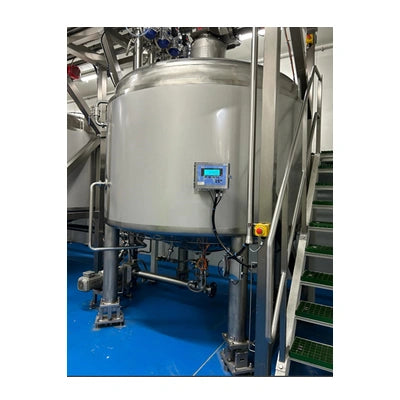 |
||||||||||||||||||||||||||||||
| Product Overview |
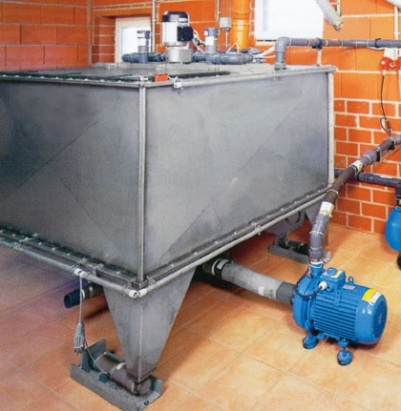
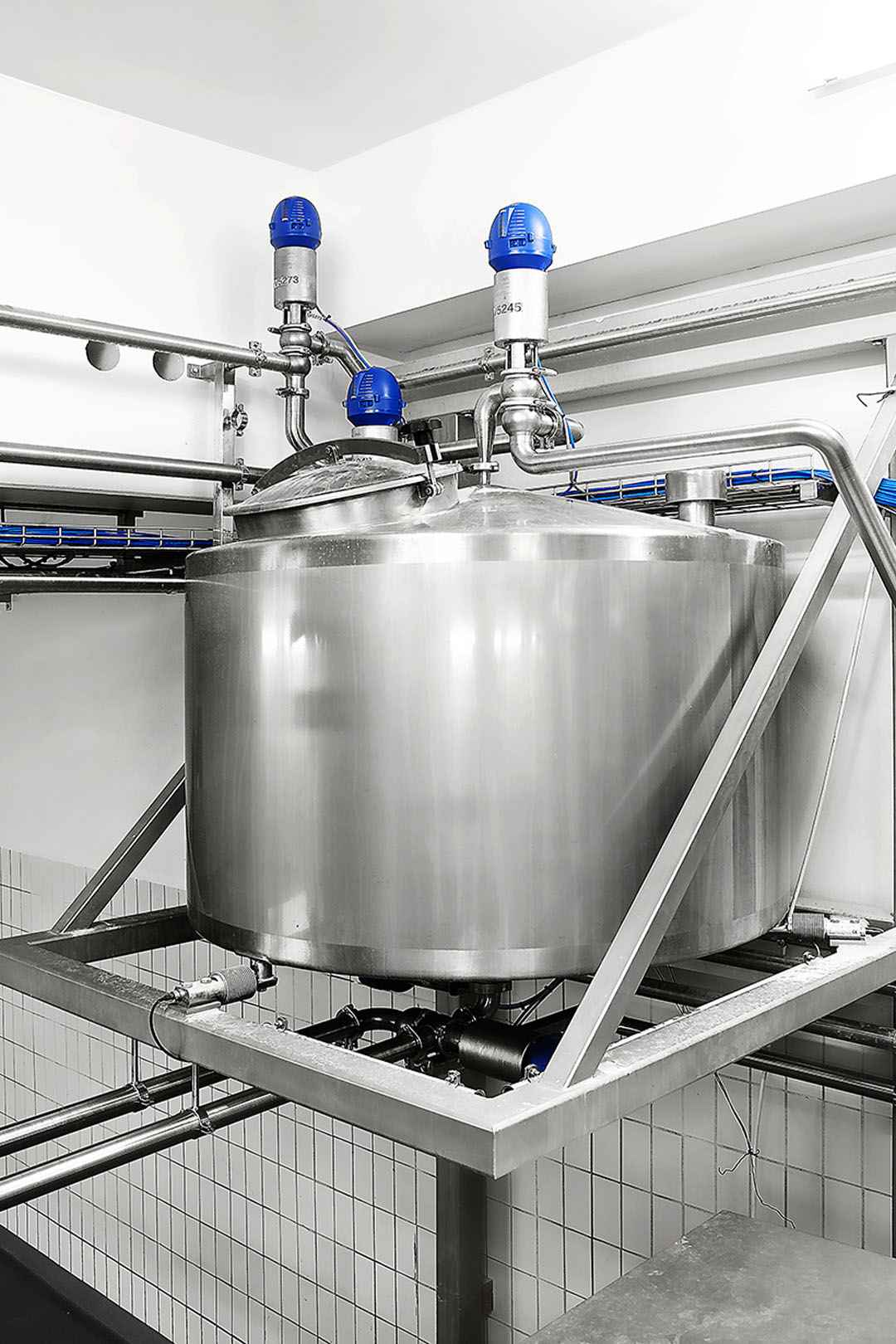
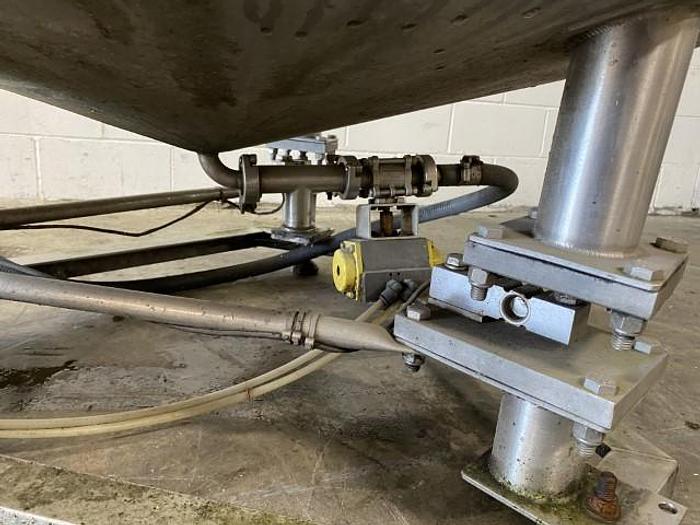
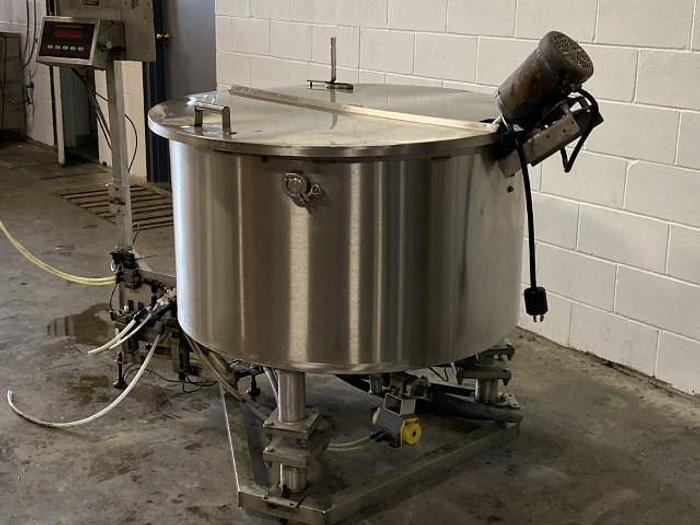
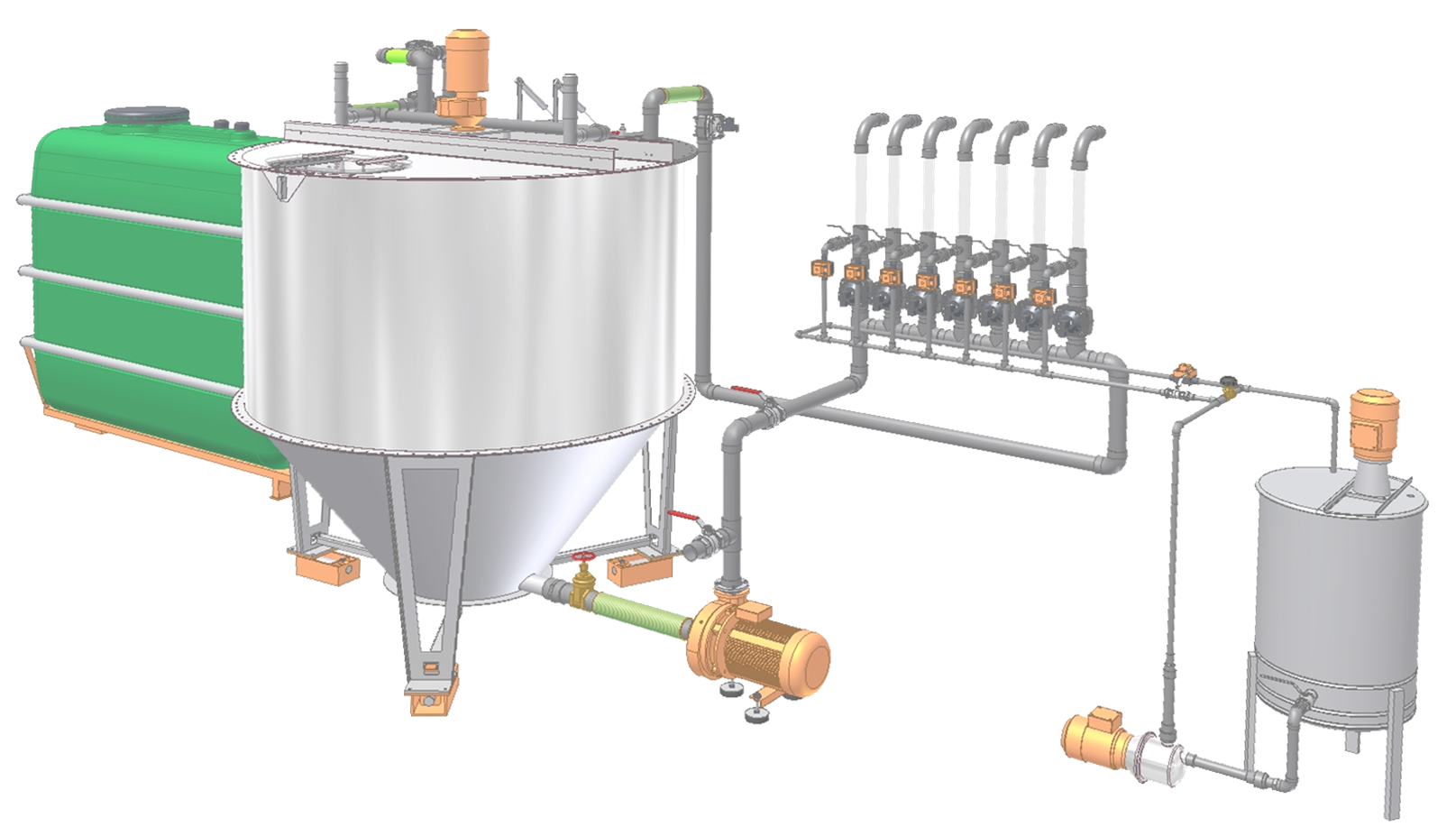
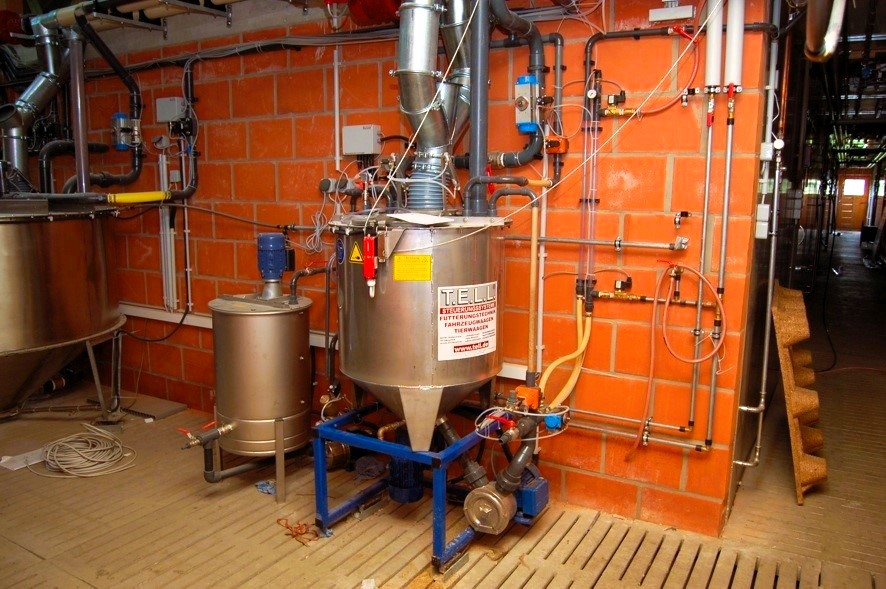
The Weighing Liquid Feed Mixing Tank is a central preparation vessel designed for automated liquid feeding systems in commercial pig production. It combines ingredient weighing, liquid-feed mixing and controlled discharge in one integrated unit. The tank is typically manufactured from corrosion-resistant stainless steel and mounted on load cells. Dry ingredients, water, liquid components, minerals and other compatible feed materials can be introduced according to a programmed recipe. The electronic weighing system records changes in tank weight while ingredients are added and while the finished ration is discharged. An integrated agitator creates a homogeneous feed mixture before the prepared ration is pumped into the distribution system. Automatic tank-cleaning equipment can also be incorporated to support hygienic operation between feeding cycles. The tank can be configured for piglet rearing, sow management and finishing operations and is suitable for new pig farm construction, livestock equipment modernization and integrated steel structure building projects. |
||||||||||||||||||||||||||||||
| Key Features |
|
||||||||||||||||||||||||||||||
| Structural Components |
|
||||||||||||||||||||||||||||||
| Working Principle |
At the beginning of a feeding cycle, the control system selects the required ration according to the programmed feeding plan. Water, liquid ingredients and dry feed components are introduced into the mixing tank in a defined sequence. Load cells beneath the tank continuously detect changes in weight. The weighing controller uses this information to determine how much of each ingredient has entered the tank and stops the corresponding dosing device when the programmed quantity is reached. The agitator operates during or after ingredient dosing to create a uniform liquid-feed mixture. Mixing time and sequence can be adjusted according to the characteristics of the feed recipe. When preparation is complete, a feed pump transfers the finished ration through the distribution pipeline to designated feeding valves or livestock groups. The weighing system can continue measuring the reduction in tank weight during discharge. After feeding, the tank and associated pipelines can be rinsed according to the selected cleaning program, helping maintain hygienic conditions and reduce residual feed between batches. |
||||||||||||||||||||||||||||||
| Technical Specifications |
|
||||||||||||||||||||||||||||||
| Applications |
|
||||||||||||||||||||||||||||||
| Customization Options |
|
||||||||||||||||||||||||||||||
| Installation & Maintenance |
Foundation: Install the tank on a level, rigid foundation capable of supporting the maximum operating weight of the tank, feed, water and auxiliary equipment. Load Cell Installation: Each weighing point should transfer load vertically and freely to the load cell. Mechanical binding from pipes, cables or support structures should be minimized because it can influence weighing accuracy. Pipe Connections: Flexible sections should be considered where appropriate at ingredient and discharge connections so external pipe forces do not interfere with the weighing system. Agitator Commissioning: Confirm motor rotation and inspect the agitator for free movement before introducing feed ingredients. Weighing Calibration: Zero setting and calibration should be completed after the complete tank, piping and weighing structure have been installed. Cleaning: Flush internal tank surfaces, discharge pipes and valves regularly according to the feeding program and farm hygiene requirements. Routine Maintenance: Periodically inspect load cells, mounting hardware, agitator bearings, motor, valves, seals, pumps and electrical connections. Recalibration should be considered after structural modifications or replacement of weighing components. |
||||||||||||||||||||||||||||||
| Project Applications |
In a commercial piglet-rearing project, the weighing mixing tank can prepare individual liquid-feed recipes according to age, weight and nutritional program. Reference HydroAir systems can prepare feed from numerous components and support phase feeding for different production groups. For larger pig production complexes, the tank can form part of a centralized feed kitchen incorporating ingredient storage, dosing equipment, water supply, weighing control, pumps, distribution pipes and electro-pneumatic feed valves. Final tank size, mixing capacity and control architecture should be determined from animal numbers, feed recipes, feeding frequency, required batch size, distribution distance and available feed-kitchen space. |
||||||||||||||||||||||||||||||
| Product FAQ |
Q: Why is the liquid feed mixing tank installed on load cells? A: Load cells allow the control system to measure each ingredient by weight during preparation and to monitor the amount of finished feed discharged from the tank. Q: What materials can be mixed in the tank? A: The system can be configured for water, dry compound feed, liquid ingredients, vitamins, minerals and other compatible feed components according to the selected recipe and feeding equipment. Q: Is the tank suitable for piglet feeding? A: Yes. The reference HydroAir system is specifically designed for piglet rearing and can also be used in suitable sow-feeding applications. Q: Can different feed recipes be prepared? A: Yes. When connected to compatible dosing and control equipment, multiple recipes can be prepared for different animal groups and production phases. Q: How is feed mixed uniformly? A: A motor-driven agitator continuously circulates the ingredients inside the tank until a homogeneous liquid-feed mixture is obtained. Q: Can the tank clean itself automatically? A: Automatic tank-cleaning equipment can be incorporated into the system to rinse internal surfaces after feeding cycles and support hygienic operation. Q: Can the tank be integrated into an existing liquid feeding system? A: Yes. Retrofit integration is possible where the existing pipework, pumps, electrical controls and available installation space are compatible with the selected tank configuration. Q: What information is required for a quotation? A: Please provide animal type and quantity, required batch volume, daily feeding frequency, feed ingredients, available feed-kitchen dimensions, pipeline layout, distribution distance, electrical standard and required automation functions. |
||||||||||||||||||||||||||||||
| Product Gallery |
|
- Home
-
Products
- Pig Farming Equipment
- Cattle Farming Equipment
- Sheep & Goat Farming Equipment
- Poultry Farming Equipment
- Feeding & Drinking Systems
- Veterinary & Breeding Equipment
- Testing & Diagnostic Equipment
- Cleaning & Biosecurity Equipment
- Climate Control Equipment
- Livestock Weighing Equipment
- Manure & Waste Management
- Farm Transport & Handling
-
Solutions
- Pig Farm Solutions
- Dairy Farm Solutions
- Beef Cattle Farm Solutions
- Sheep & Goat Farm Solutions
- Layer Farm Solutions
- Broiler Farm Solutions
- Feeding & Drinking System Solutions
- Climate Control Solutions
- Biosecurity & Disinfection Solutions
- Manure & Waste Management
- Smart Farming Solutions
- Farm Renovation and Upgrade Solutions
- Partners
- Projects
- Resources
- News
- About Us
- Contact


Comments & Inquiries
Leave your questions or requirements below. We will reply as soon as possible.