

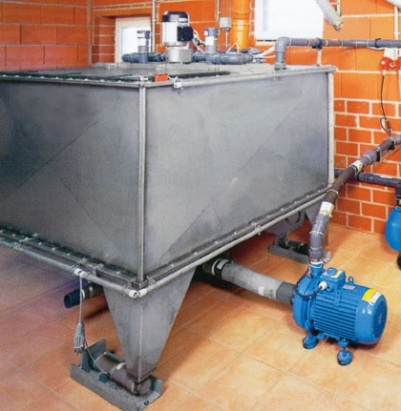

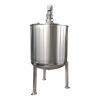
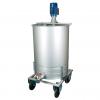
| Product Name | Small-Batch Piglet Liquid Feed Mixing Tank | ||||||||||||||||||||||||||||
| Product Image | 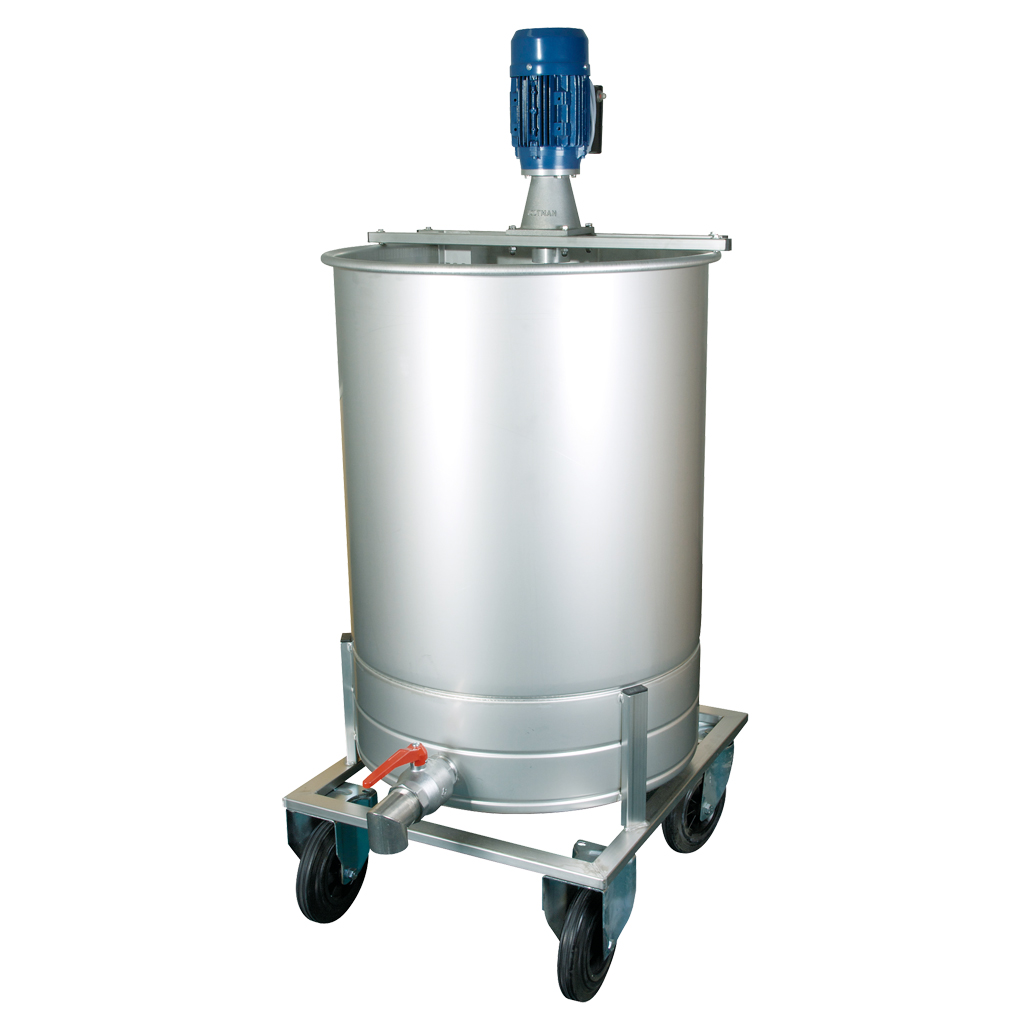 |
||||||||||||||||||||||||||||
| Product Overview |
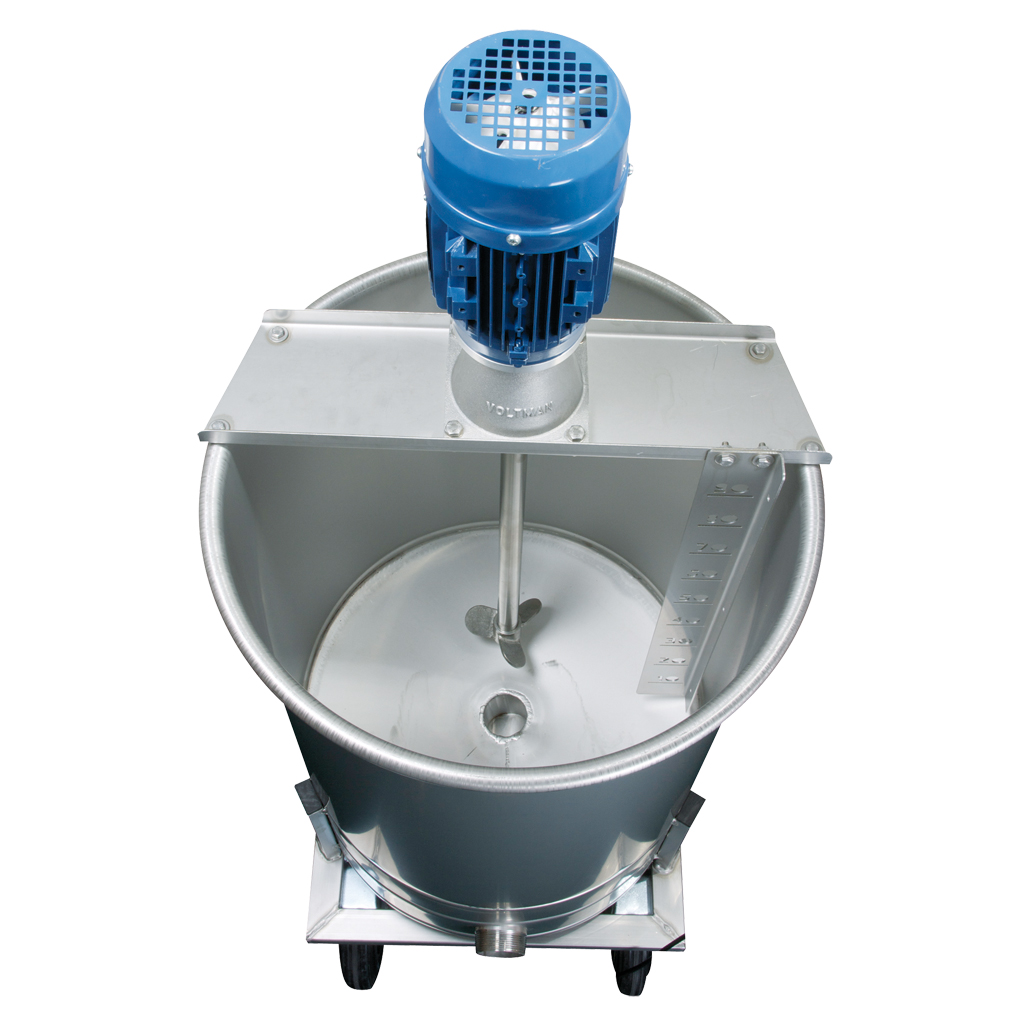
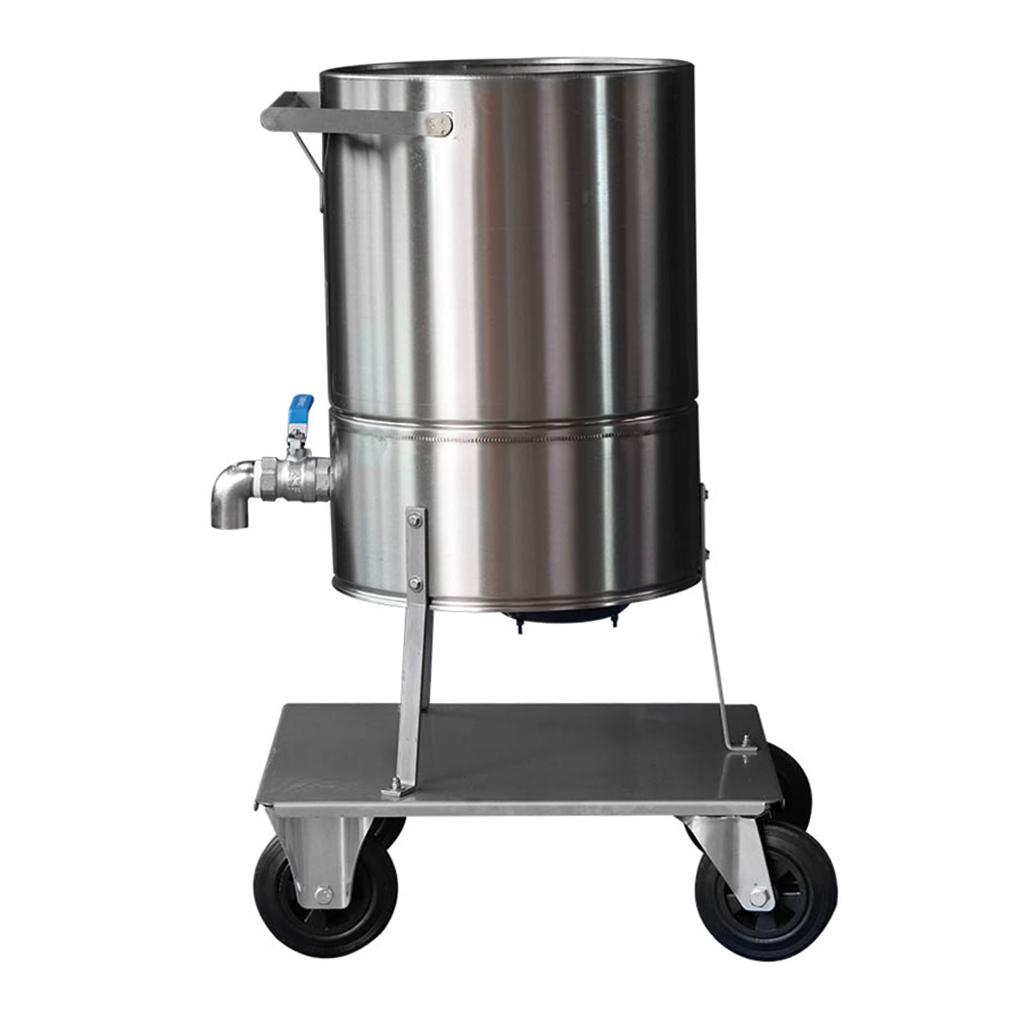
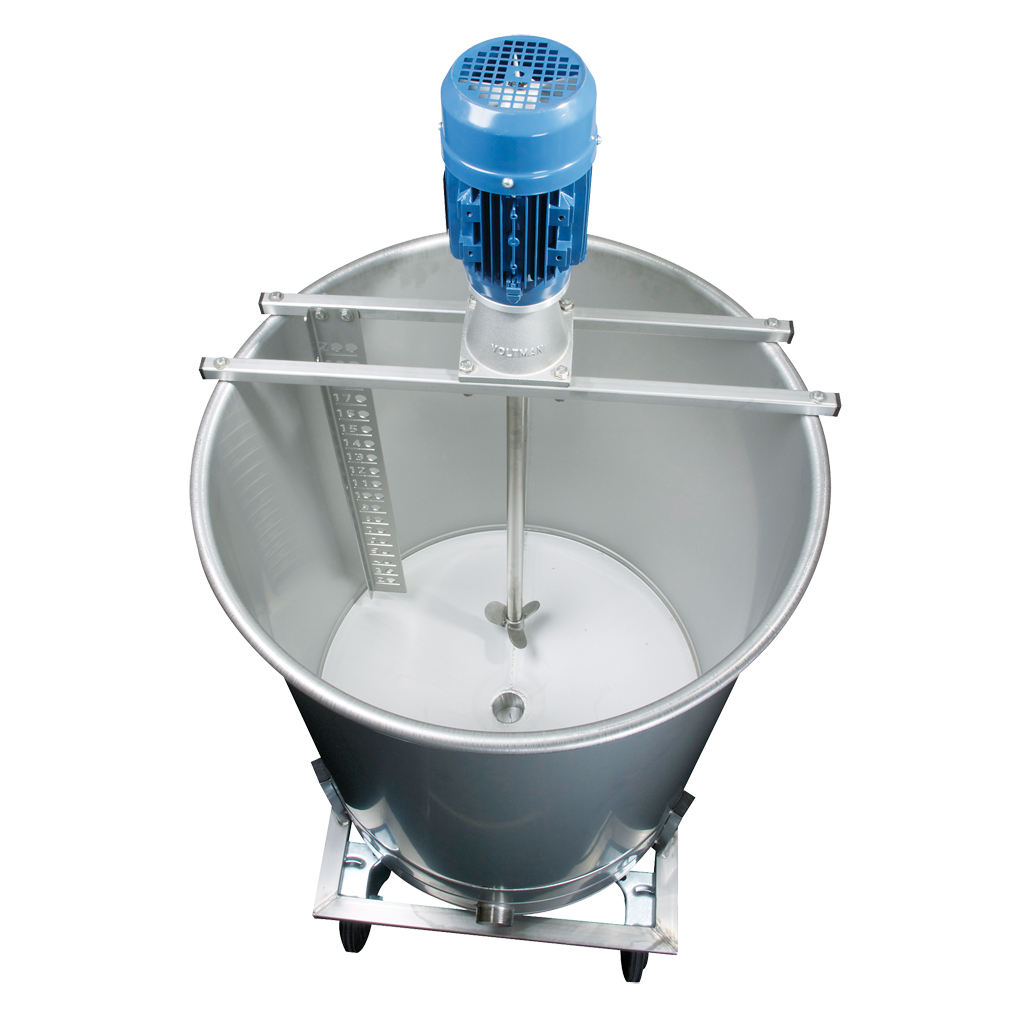
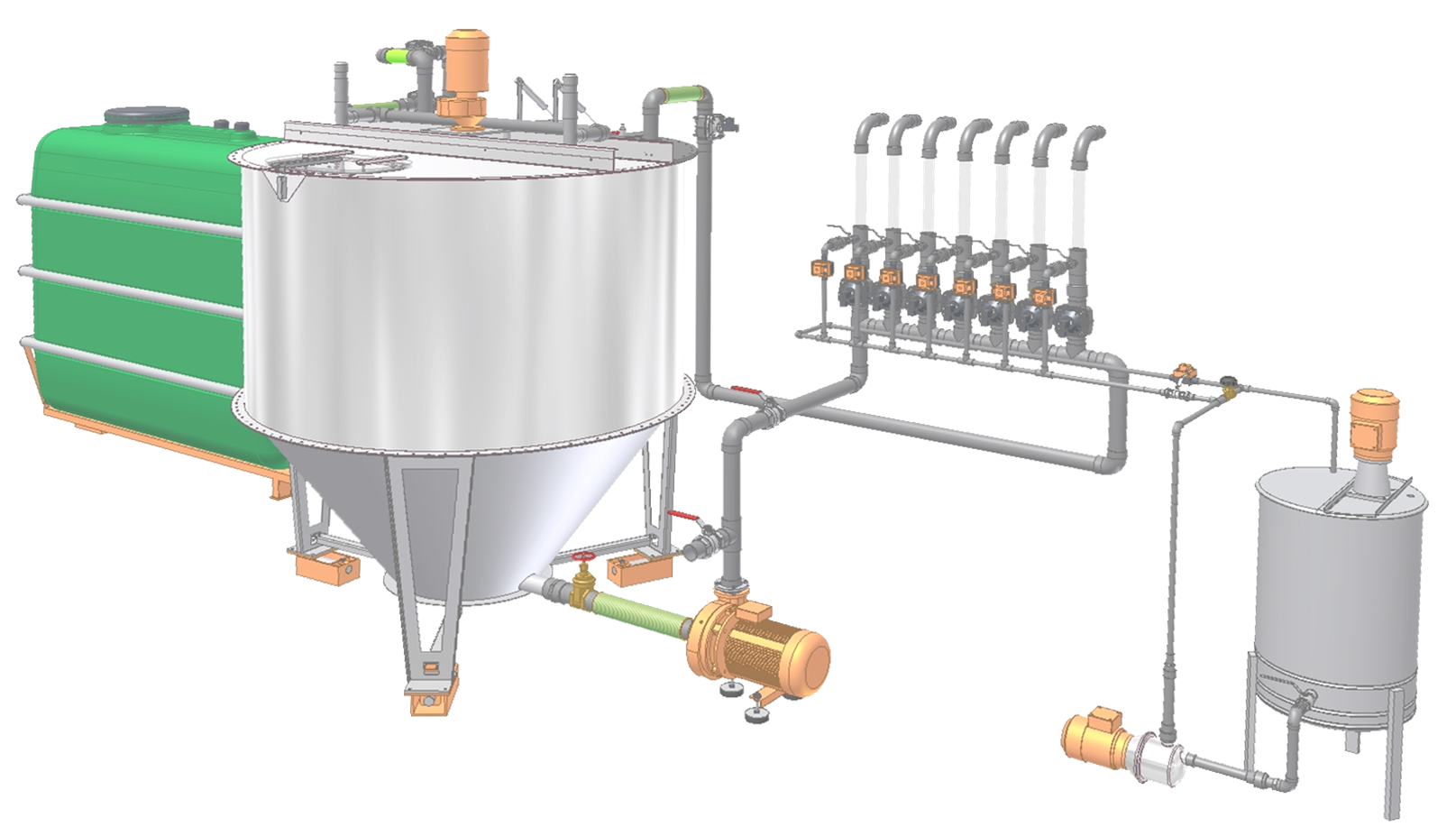
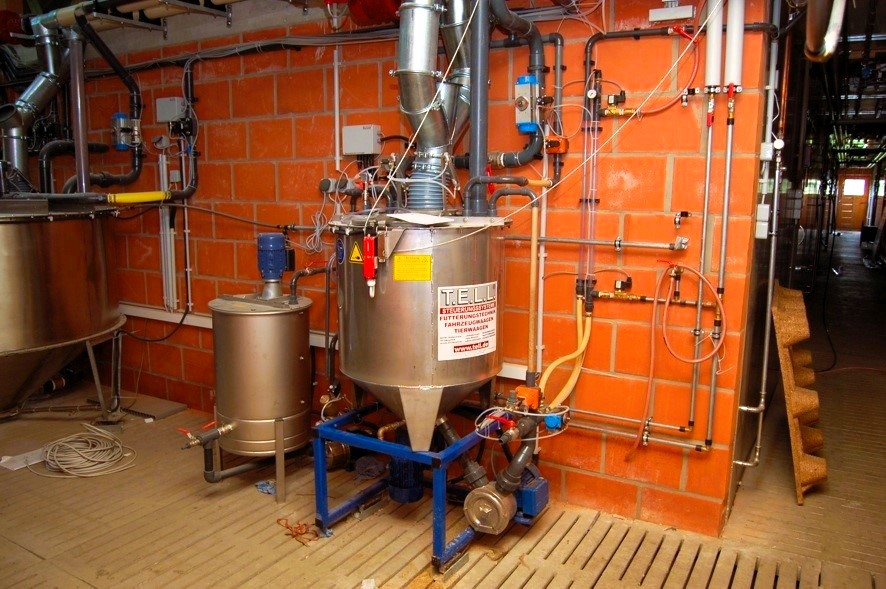
The Small-Batch Piglet Liquid Feed Mixing Tank is designed for preparing fresh liquid rations in small, accurately controlled batches for suckling piglets and early-stage nursery pigs. It can be integrated into automatic or semi-automatic liquid feeding systems used in modern farrowing and piglet-rearing facilities. The tank is suitable for mixing milk replacer, yoghurt-type diets, prestarter feed and other compatible liquid or slurry rations. Small-batch preparation is particularly useful during the first weeks of life because feed composition, temperature and portion size can be adjusted as piglets grow. Reference piglet-feeding systems are designed to dispense very small quantities repeatedly during the day and may use sensor-controlled feeding to ensure that fresh feed is supplied only when required. Modular systems can also use several mixing tanks for different recipes. :contentReference[oaicite:1]{index=1} Tank capacity, agitator configuration, heating, weighing, cleaning system, feed pump and control functions can be customized according to pig farm construction requirements, farrowing-house layout and the desired level of automation. |
||||||||||||||||||||||||||||
| Key Features |
|
||||||||||||||||||||||||||||
| Structural Components |
|
||||||||||||||||||||||||||||
| Working Principle |
Water and the required feed ingredients are introduced into the mixing tank according to the selected recipe. An agitator mixes the components until a homogeneous liquid or slurry feed is produced. Where temperature control is included, the controller monitors or adjusts the mixing temperature to match the feeding program. Reference automatic piglet systems can independently set mixing temperatures through computer control. :contentReference[oaicite:3]{index=3} After mixing, a feed pump transfers the prepared batch through the distribution line to piglet troughs or feeding valves. Sensor-controlled systems can monitor trough filling and release only small quantities when additional feed is required. WEDA reference systems demonstrate micro-dosing from approximately 30 to 40 g per trough feeding and can perform more than 100 feedings per day in suitable configurations. These figures describe the reference feeding concept rather than a fixed specification for every SHEWUYOU project. :contentReference[oaicite:4]{index=4} After the feeding cycle, the tank and pipeline can be flushed according to the selected hygiene program before preparation of the next batch. |
||||||||||||||||||||||||||||
| Technical Specifications |
|
||||||||||||||||||||||||||||
| Applications |
|
||||||||||||||||||||||||||||
| Customization Options |
|
||||||||||||||||||||||||||||
| Installation & Maintenance |
Feed Room Location: Install the tank on a stable, washable floor with convenient access to clean water, drainage, electricity and the liquid feed distribution network. Water Supply: Water pressure, temperature and flow should be matched to the required batch preparation rate. Pipeline Layout: Feed pipes should be arranged to minimize unnecessary dead zones and allow effective flushing after feeding. Sensor and Controller Setup: Temperature probes, load cells, level sensors and trough sensors should be calibrated during commissioning where included. Cleaning: The tank, agitator, pump and distribution lines should be cleaned regularly because milk replacer and protein-rich piglet feeds can deteriorate rapidly if residues remain in the system. Automatic Hygiene Options: Reference systems use controlled cleaning cycles, including acid and alkaline rinsing, to maintain hygienic conditions. :contentReference[oaicite:6]{index=6} Routine Maintenance: Periodically inspect the agitator, seals, pump, valves, temperature sensor, load cells and electrical connections, and replace worn components before they affect batch consistency. |
||||||||||||||||||||||||||||
| Project Applications |
In a typical farrowing-house installation, the small-batch tank prepares fresh liquid feed several times throughout the day and supplies selected piglet troughs through a compact pipe network. For farms using phase feeding, recipes can gradually transition from milk replacer to yoghurt-type mixtures and prestarter feed as piglets develop. Reference Nutrix systems are designed specifically for this gradual progression and for frequent micro-dosing. :contentReference[oaicite:7]{index=7} Large breeding farms can use several tanks or separate feed circuits to prepare different formulations for different farrowing sections. The final design should be based on sow places, litter size, feeding frequency, required recipes and distribution distance. |
||||||||||||||||||||||||||||
| Product FAQ |
Q: Why use a small-batch tank for suckling piglets? A: Small batches allow fresh feed to be prepared frequently, helping reduce prolonged storage of mixed milk or prestarter and allowing recipes to be adjusted according to piglet age. Q: What types of feed can be prepared? A: Suitable systems can prepare sow milk substitutes, piglet milk, yoghurt-type feed, prestarter and compatible starter rations. :contentReference[oaicite:8]{index=8} Q: Can the mixing temperature be controlled? A: Yes. Temperature sensing and automatic temperature control can be supplied according to project requirements. Reference automatic systems allow individual mixing temperatures to be set by the controller. :contentReference[oaicite:9]{index=9} Q: Can the system feed very small portions? A: Yes. Automatic piglet feeding concepts are specifically designed for frequent small portions. Reference systems can dose very small quantities at each trough feeding. :contentReference[oaicite:10]{index=10} Q: Can several feed recipes be used? A: Yes. Multiple recipes can be managed through compatible controllers, and modular systems can use more than one mixing tank for different feed mixtures. Q: Is stainless steel recommended? A: Stainless steel is commonly used because it offers corrosion resistance, durability and smooth surfaces that are suitable for hygienic liquid feed preparation. Q: Can the tank be integrated into an existing farrowing house? A: Yes. Compact liquid feeding systems can often be added to existing facilities where suitable water, power, drainage and pipe routes are available. Q: What information is required for a quotation? A: Please provide sow quantity, number of farrowing pens, piglets per batch, preferred feed recipes, required batch size, feeding frequency, pipeline distance, available utilities and required automation level. |
||||||||||||||||||||||||||||
| Product Gallery |
|
- Home
-
Products
- Pig Farming Equipment
- Cattle Farming Equipment
- Sheep & Goat Farming Equipment
- Poultry Farming Equipment
- Feeding & Drinking Systems
- Veterinary & Breeding Equipment
- Testing & Diagnostic Equipment
- Cleaning & Biosecurity Equipment
- Climate Control Equipment
- Livestock Weighing Equipment
- Manure & Waste Management
- Farm Transport & Handling
-
Solutions
- Pig Farm Solutions
- Dairy Farm Solutions
- Beef Cattle Farm Solutions
- Sheep & Goat Farm Solutions
- Layer Farm Solutions
- Broiler Farm Solutions
- Feeding & Drinking System Solutions
- Climate Control Solutions
- Biosecurity & Disinfection Solutions
- Manure & Waste Management
- Smart Farming Solutions
- Farm Renovation and Upgrade Solutions
- Partners
- Projects
- Resources
- News
- About Us
- Contact


Comments & Inquiries
Leave your questions or requirements below. We will reply as soon as possible.