

| Product Name | Fiberglass Feed Silo with Weighing System | ||||||||||||||||||||||||||
| Product Image |  |
||||||||||||||||||||||||||
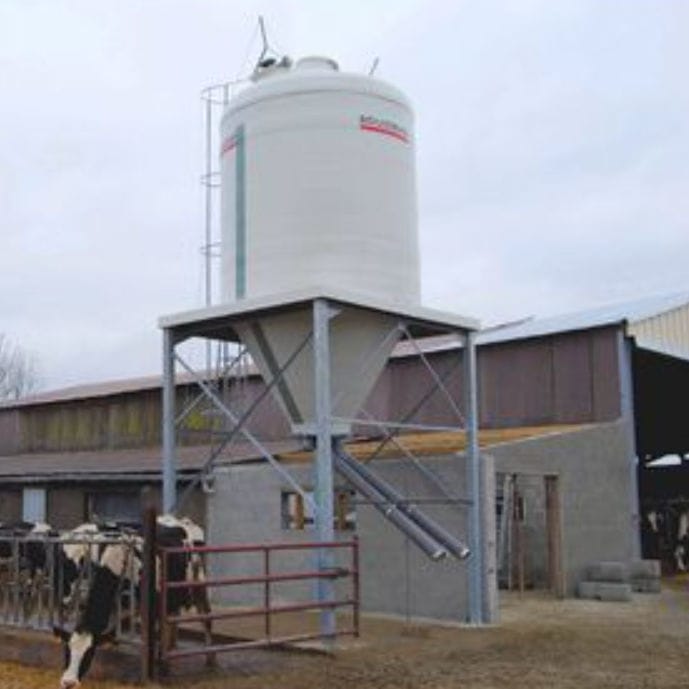
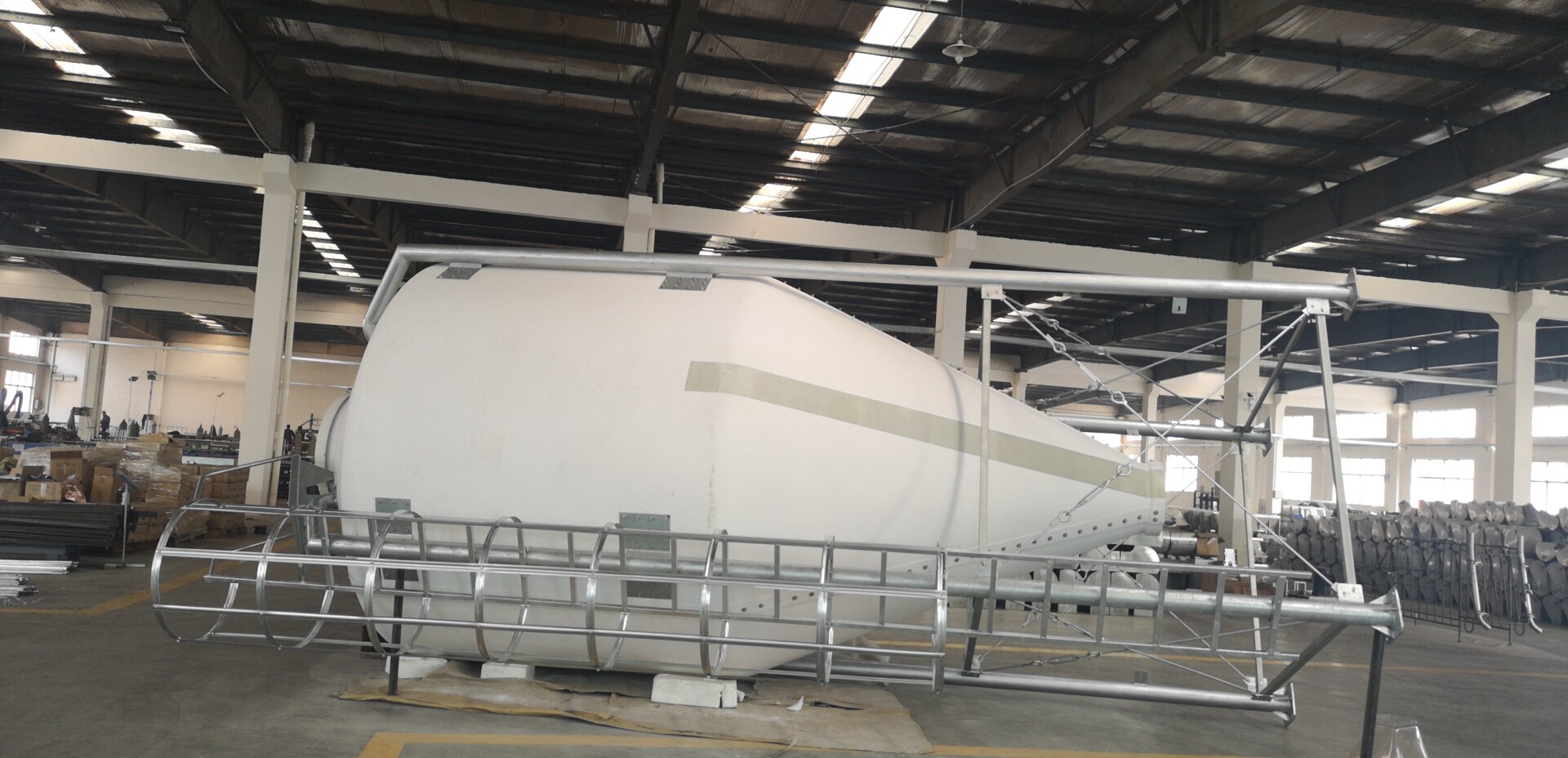
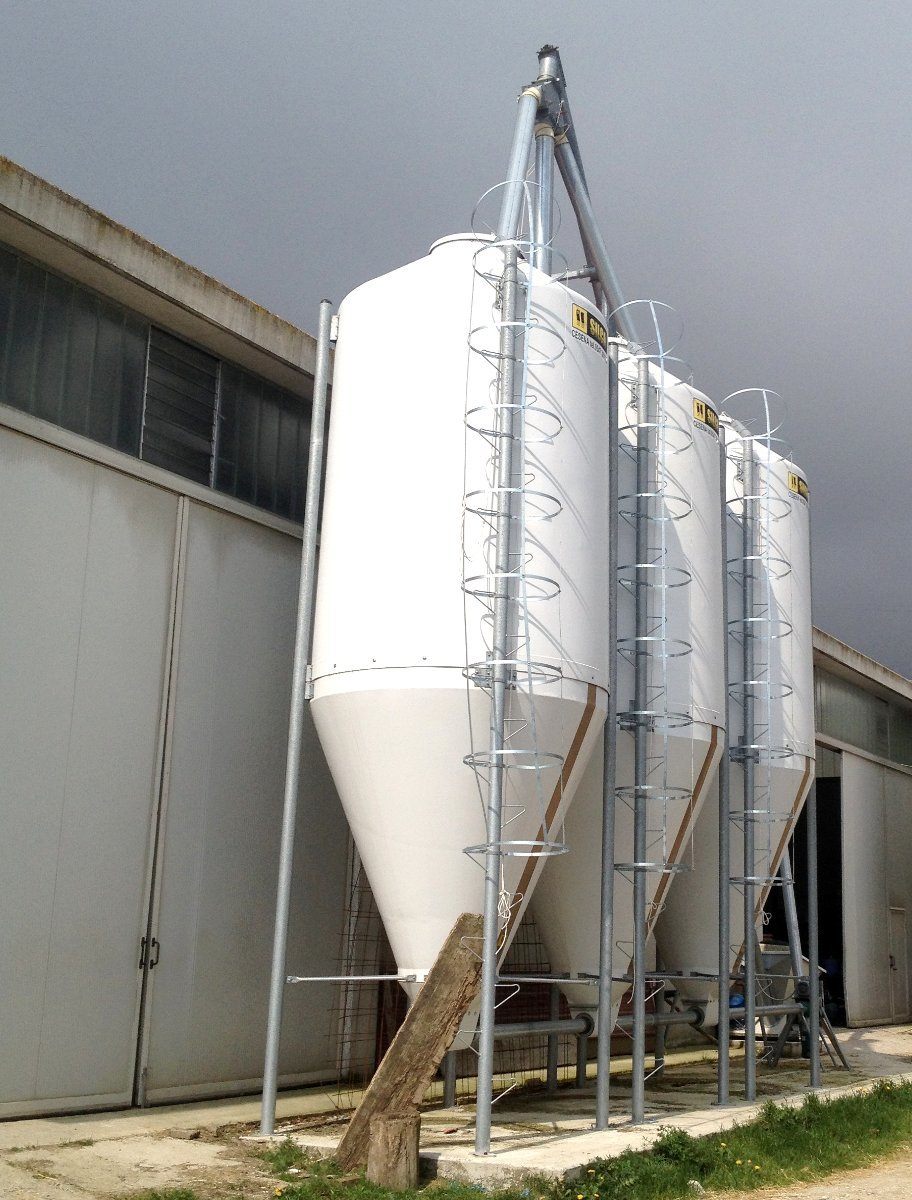
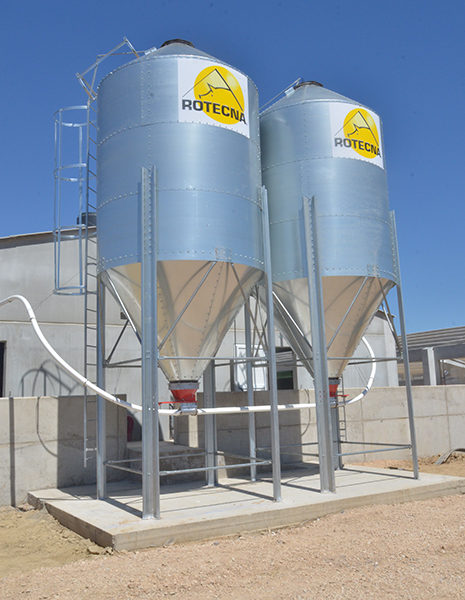
| Product Overview | The Fiberglass Feed Silo with Weighing System is a bulk feed storage solution designed for modern pig farms, poultry farms, dairy farms and other commercial livestock facilities. The silo body is manufactured from glass-fiber-reinforced plastic, also referred to as GRP or fiberglass, providing excellent corrosion resistance and a smooth internal surface for reliable feed flow. An integrated load-cell weighing system measures the total silo weight and allows operators to monitor feed inventory without relying only on visual level estimation. This supports more accurate feed management, delivery planning, consumption analysis and early identification of abnormal feed usage. The silo can be connected with flexible augers, chain-disc conveying lines, pneumatic filling systems and automatic feeding equipment, making it suitable for both new livestock farm construction and existing feeding-system modernization projects. |
||||||||||||||||||||||||||
| Key Features |
|
||||||||||||||||||||||||||
| Structural Components |
|
||||||||||||||||||||||||||
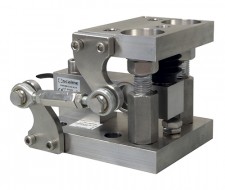
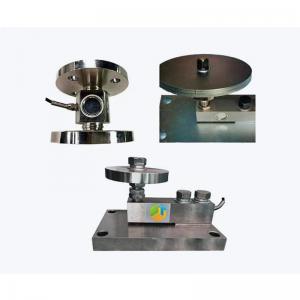
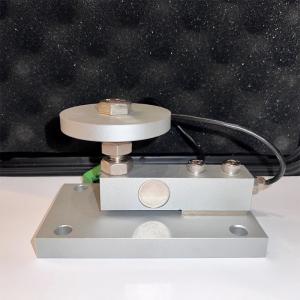
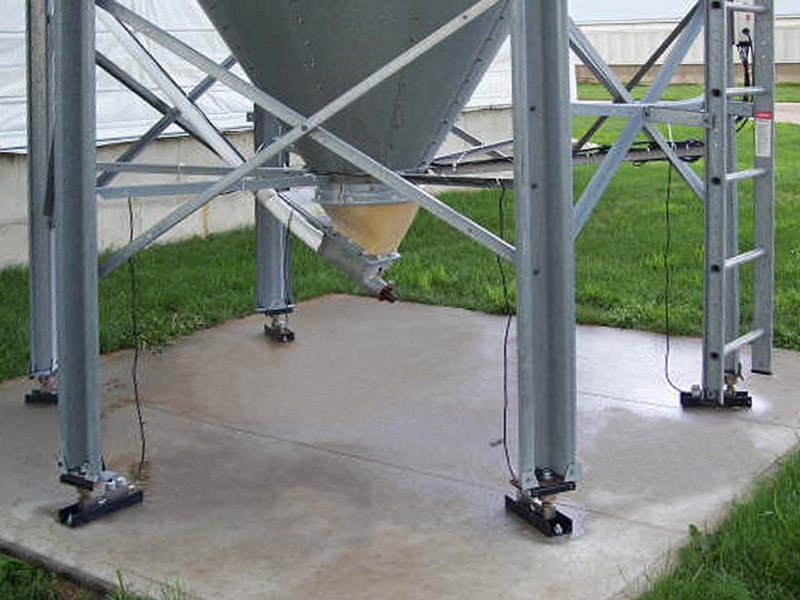
| Working Principle | Bulk feed is delivered into the fiberglass silo through a pneumatic filling pipe or compatible mechanical conveying system. The stored feed settles inside the cylindrical body and conical hopper before discharging through the bottom outlet into the farm's automatic feeding line. Load cells positioned beneath or within the silo support structure continuously sense the vertical load carried by the silo. The weighing controller converts these signals into a feed-weight value, allowing operators to estimate the quantity of material currently stored. By comparing weight readings over time, farm managers can track feed consumption, plan replenishment and identify unusual usage patterns. The weighing system can also be incorporated into a broader automatic feed-management platform when project communication and control interfaces are specified. |
||||||||||||||||||||||||||
| Technical Specifications |
|
||||||||||||||||||||||||||
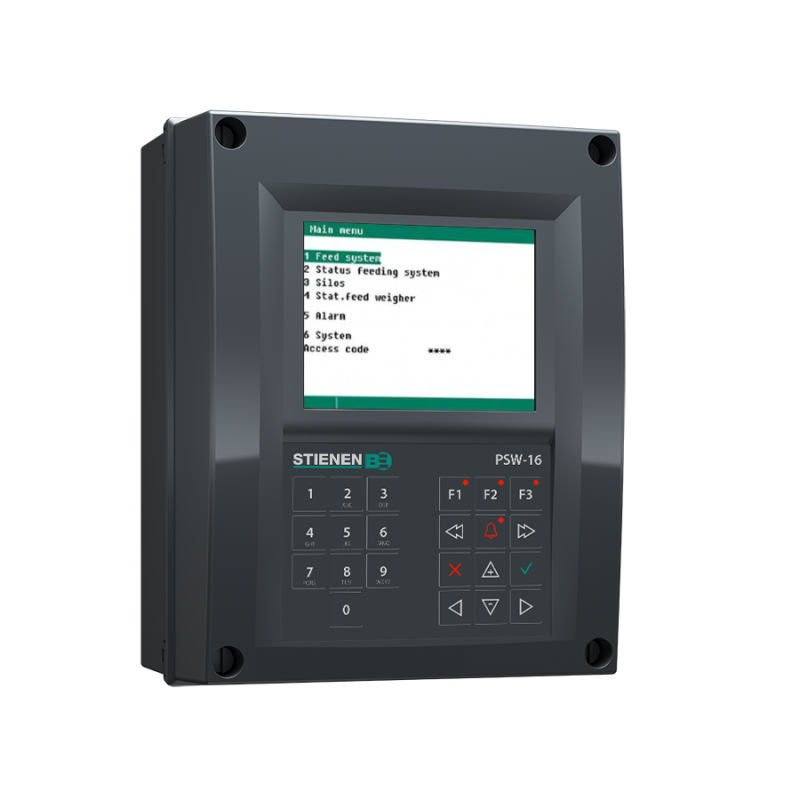
| Weighing & Feed Management | The weighing system provides a more quantitative method of feed inventory management than visual level inspection alone. Load-cell integration is especially useful on commercial farms where daily consumption, feed delivery schedules and silo stock levels need to be monitored systematically. Depending on the selected controller, silo weight information can be displayed locally or integrated with an automatic feed-management system. Project-specific solutions may support feed consumption records, low-stock warnings, refill planning and communication with centralized farm control equipment. The final measurement configuration should consider silo capacity, support geometry, foundation design, electrical installation and required management functions. |
||||||||||||||||||||||||||
| Applications |
|
||||||||||||||||||||||||||
| Customization Options | The Fiberglass Feed Silo with Weighing System can be configured according to animal population, daily feed consumption, required storage days, feed bulk density, delivery frequency and available installation space. Customization options may include silo capacity, diameter, overall height, support-leg configuration, bottom outlet, filling method, auger interface, load-cell arrangement, weighing indicator, control cabinet, ladder, safety cage and communication interface. The structural and electrical configuration can be designed according to local climate and farm conditions, including project-specific wind conditions, foundation requirements, feeding-system layout and future capacity expansion. |
||||||||||||||||||||||||||
| Installation & Maintenance | Installation begins with a properly engineered concrete foundation suitable for the loaded silo, local ground conditions and environmental loads. The supporting legs must be positioned and anchored accurately so the structural load is transferred correctly. Load cells should be installed at the specified support points and aligned according to the weighing-system design. Mechanical binding, uneven support or unintended structural contact can affect measurement performance and should be avoided. After mechanical installation, connect the weighing indicator, feed-loading pipe and discharge conveying system. The weighing system should be commissioned and calibrated according to the selected load-cell and controller instructions. Routine maintenance includes inspection of the fiberglass body, support frame, anchor bolts, load-cell assemblies, cables, junction boxes, top cover, discharge outlet and conveying connections. Keep the area around the weighing modules free from accumulated feed, mud and mechanical obstructions. |
||||||||||||||||||||||||||
| Project Cases | On a commercial pig or poultry farm, the silo can be installed outside the livestock house and connected directly to the automatic feeding system. Feed delivered by bulk truck is stored in the GRP silo, while load cells continuously provide inventory information to farm personnel. For multi-house livestock projects, several weighed silos can be allocated to different buildings, feed formulas or animal groups. The feed-storage area, silo foundations, service roads and conveying lines can be coordinated with steel structure farm buildings during the engineering stage. |
||||||||||||||||||||||||||
| Product FAQ | Q: Why use a fiberglass feed silo? A: GRP fiberglass is corrosion resistant, does not rust like conventional unprotected steel surfaces and provides a smooth internal surface that supports reliable feed discharge. Q: How does the silo weighing system work? A: Load cells measure the structural load carried by the silo supports. A weighing controller converts these signals into a displayed feed-weight value. Q: Can the silo weight be connected to an automatic feeding system? A: Yes. Controller and communication options can be selected for integration with compatible automatic feed-management equipment according to project requirements. Q: Can the silo capacity be customized? A: Yes. Capacity, dimensions and structural configuration can be selected according to daily consumption, required storage period, feed density and available installation space. Q: Can the silo connect to a flexible auger or chain-disc feed line? A: Yes. The bottom discharge interface can be configured for compatible auger, chain-disc or other livestock feed-conveying systems. Q: Is the silo suitable for outdoor installation? A: Yes. Fiberglass feed silos are widely used outdoors, but the foundation and structural configuration must be designed according to local wind, climate, site and project requirements. Q: Does the weighing system require calibration? A: Yes. The load-cell system should be commissioned and calibrated after installation and checked periodically according to the required measurement performance. Q: What information is required for quotation? A: Recommended information includes livestock type and population, daily feed consumption, required storage days, feed bulk density, silo quantity, conveying method, available site dimensions and required weighing or communication functions. |
||||||||||||||||||||||||||
| Product Gallery | 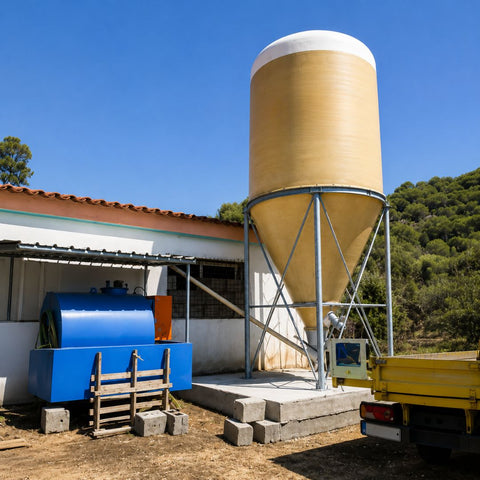 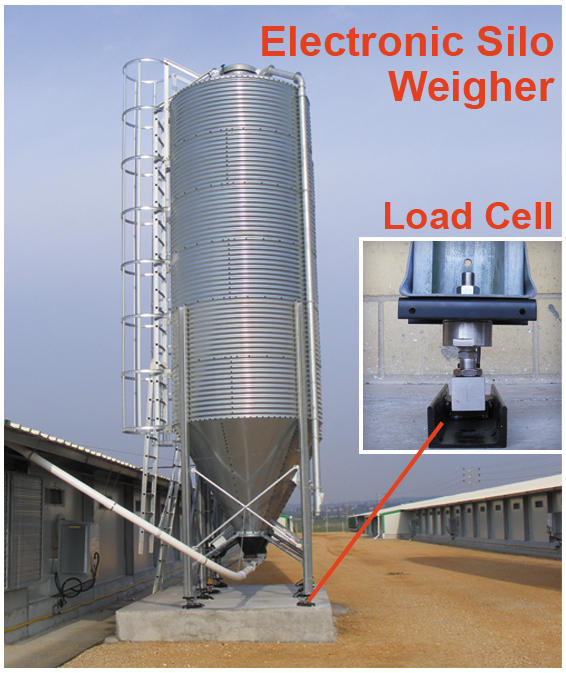 |
- Home
-
Products
- Pig Farming Equipment
- Cattle Farming Equipment
- Sheep & Goat Farming Equipment
- Poultry Farming Equipment
- Feeding & Drinking Systems
- Veterinary & Breeding Equipment
- Testing & Diagnostic Equipment
- Cleaning & Biosecurity Equipment
- Climate Control Equipment
- Livestock Weighing Equipment
- Manure & Waste Management
- Farm Transport & Handling
-
Solutions
- Pig Farm Solutions
- Dairy Farm Solutions
- Beef Cattle Farm Solutions
- Sheep & Goat Farm Solutions
- Layer Farm Solutions
- Broiler Farm Solutions
- Feeding & Drinking System Solutions
- Climate Control Solutions
- Biosecurity & Disinfection Solutions
- Manure & Waste Management
- Smart Farming Solutions
- Farm Renovation and Upgrade Solutions
- Partners
- Projects
- Resources
- News
- About Us
- Contact



Comments & Inquiries
Leave your questions or requirements below. We will reply as soon as possible.