

| Product Name | Fiberglass Feed Silo for Cattle Farms | ||||||||||||||||||||||||||||
| Product Image | 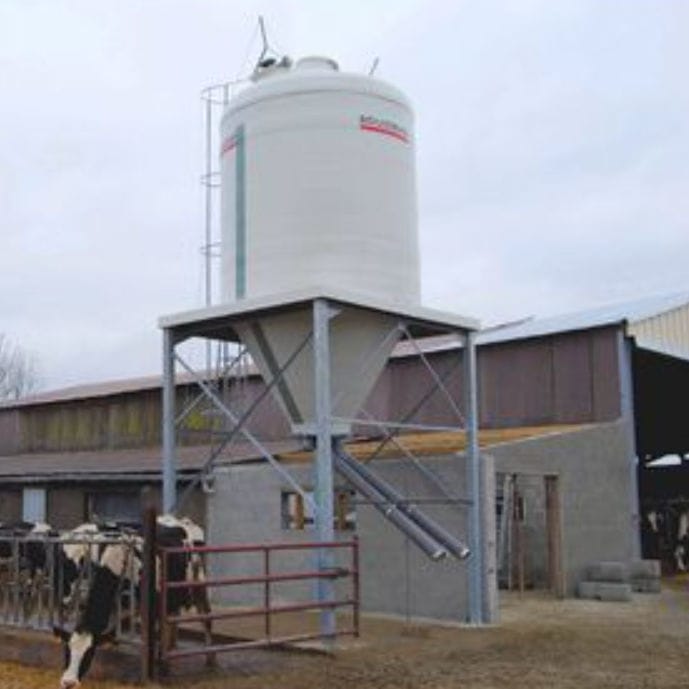 |
||||||||||||||||||||||||||||
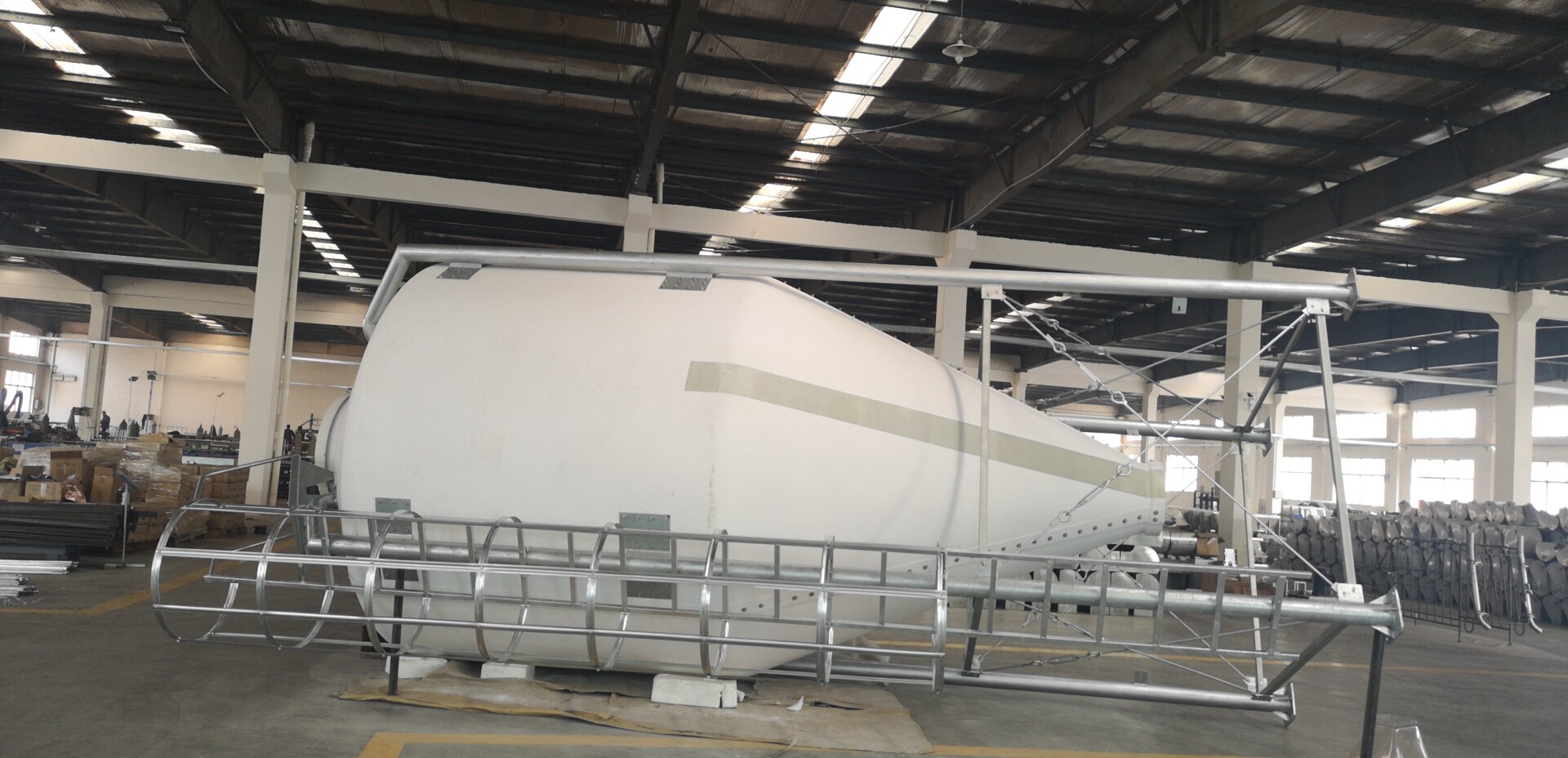
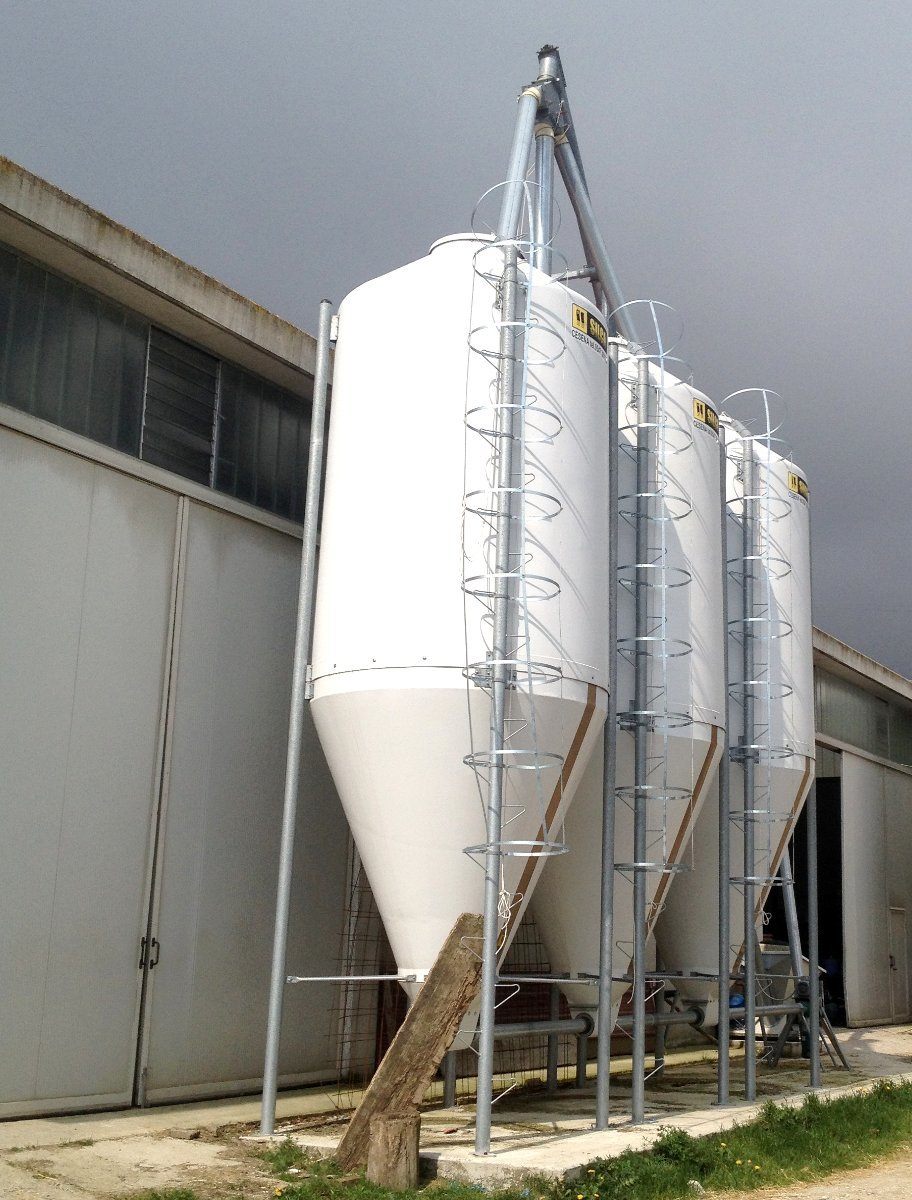
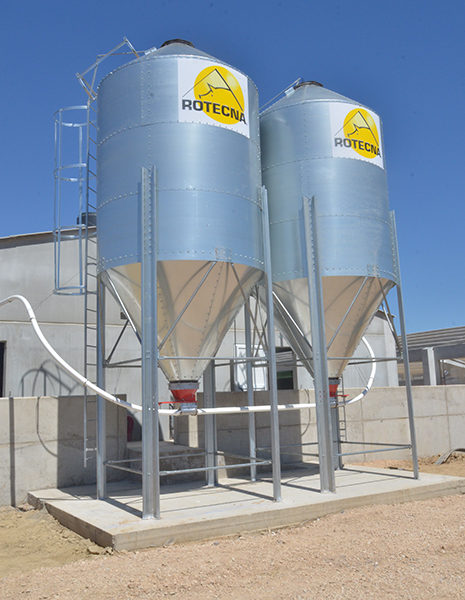
| Product Overview | The Fiberglass Feed Silo for Cattle Farms is a bulk feed storage solution designed for dairy farms, beef cattle facilities, calf-rearing units and integrated livestock projects. The silo body is manufactured from glass fiber reinforced polyester, commonly referred to as GRP or FRP, providing excellent resistance to corrosion in demanding agricultural environments. Its cylindrical body and steep conical hopper are designed to support gravity-assisted feed flow, while the smooth internal surface helps reduce material retention and simplifies cleaning. The silo can be integrated with flexible augers, rigid augers, pneumatic filling systems, feed mixers and automated cattle feeding equipment. Capacity, diameter, overall height, support structure and conveying interfaces can be selected according to herd size, daily feed consumption, delivery frequency, available installation area and farm project requirements. |
||||||||||||||||||||||||||||
| Key Features |
|
||||||||||||||||||||||||||||
| Structural Components |
|
||||||||||||||||||||||||||||
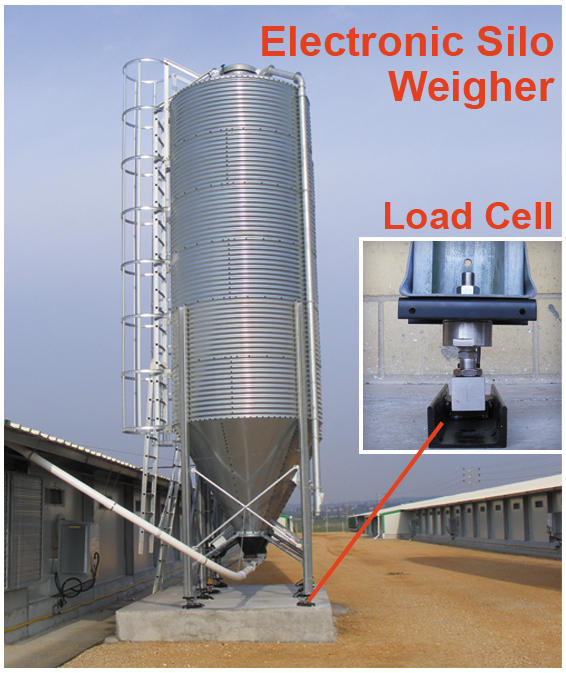
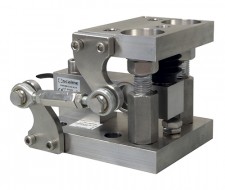
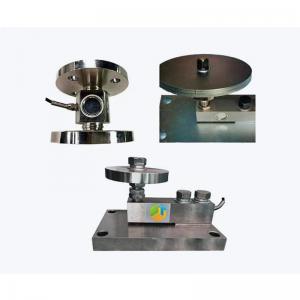
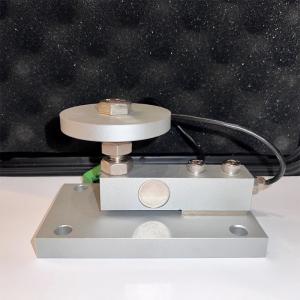
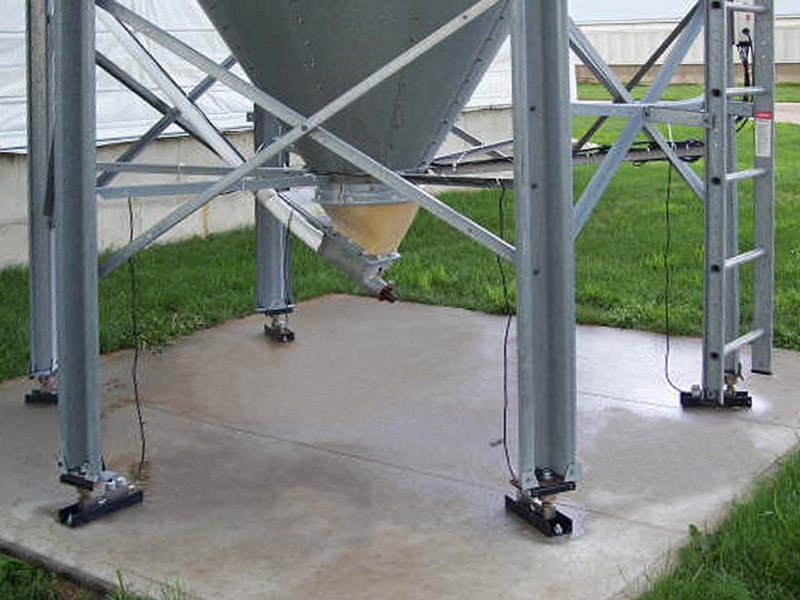
| Structural Principle | Bulk feed is delivered into the silo through a pneumatic filling line or mechanical conveyor. The GRP body protects the material while the silo geometry directs feed downward toward the conical hopper. When feed is required, material flows by gravity toward the bottom outlet and enters a flexible auger, rigid auger or other conveying system. The conveyor then transfers feed to a mixer, intermediate hopper, feeding robot or distribution line according to the cattle farm layout. Where load cells are installed beneath the support structure, the silo can also provide weight-based inventory information for feed management, consumption monitoring and delivery planning. |
||||||||||||||||||||||||||||
| Technical Specifications |
|
||||||||||||||||||||||||||||
| Applications |
|
||||||||||||||||||||||||||||
| Customization Options | The Fiberglass Feed Silo for Cattle Farms can be configured according to herd size, feed consumption, feed bulk density, required storage days, delivery vehicle capacity and the available farm layout. Customization options may include silo capacity, diameter, overall height, hopper configuration, support-leg arrangement, filling pipe connection, auger outlet, flexible feed conveyor interface, load-cell integration, level sensors, access ladder and safety cage. For complete livestock projects, the silo can be coordinated with feed kitchens, TMR preparation areas, automatic feeding equipment, cattle barns and steel structure buildings. Structural design can be adapted according to local wind conditions, foundation requirements and project standards. |
||||||||||||||||||||||||||||
| Installation & Maintenance | The silo should be installed on an engineered reinforced concrete foundation capable of supporting the fully loaded silo and applicable environmental loads. Anchor-bolt positions and support-leg spacing should be confirmed from the approved installation drawing before foundation construction. During erection, the GRP body, steel support frame and bracing should be assembled and aligned according to the project design. Filling pipes, vent components, discharge equipment and feed conveyors should then be connected while maintaining sufficient access for inspection and maintenance. Routine maintenance includes checking anchor bolts, support legs, cross bracing, GRP surfaces, filling pipes, top covers, outlet connections and conveying equipment. Feed buildup around the hopper outlet should be removed where necessary, and silo access should follow applicable confined-space and working-at-height safety procedures. |
||||||||||||||||||||||||||||
| Project Cases | On a commercial dairy farm, one or more GRP feed silos can be installed adjacent to the cattle barn or feed preparation area. Feed delivered by bulk truck is stored in the silo and transferred by auger to a mixer, intermediate hopper or automated feeding system. Larger farms can use multiple silos to separate different concentrates, pellets or feed formulations. Load-cell-equipped configurations can support inventory management and help farm personnel schedule feed deliveries before critical stock levels are reached. For new steel structure cattle barns, silo foundations, truck access, filling-pipe routing and auger alignment can be incorporated into the farm layout during the engineering stage. |
||||||||||||||||||||||||||||
| Product FAQ | Q: Why use a fiberglass feed silo on a cattle farm? A: GRP fiberglass does not rust like conventional unprotected steel and provides a smooth internal surface suitable for bulk livestock feed storage. Q: Can the silo connect to an automatic feeding system? A: Yes. The bottom outlet can be configured for flexible augers, rigid augers and other compatible feed-transfer equipment. Q: Can the silo be filled pneumatically? A: Yes. Pneumatic filling configurations are available, as well as mechanical auger-loading arrangements. Q: Can load cells be installed? A: Yes. Load-cell integration is available for applications requiring feed inventory or consumption monitoring. Q: How should silo capacity be selected? A: Selection should consider daily feed consumption, feed bulk density, required storage days, delivery frequency, herd expansion and available installation space. Q: Is the silo suitable for outdoor installation? A: Yes. Outdoor livestock applications are common, but the support structure, anchoring and foundation should be designed according to local wind, climate and site conditions. Q: Can several silos be installed together? A: Yes. Multiple units can be arranged as a feed-storage bank for different feed formulations or increased total storage capacity. Q: What information is required for quotation? A: Recommended information includes cattle quantity, daily feed consumption, feed type and bulk density, required storage period, preferred loading method, conveying system, site layout and local wind conditions. |
||||||||||||||||||||||||||||
| Product Gallery | 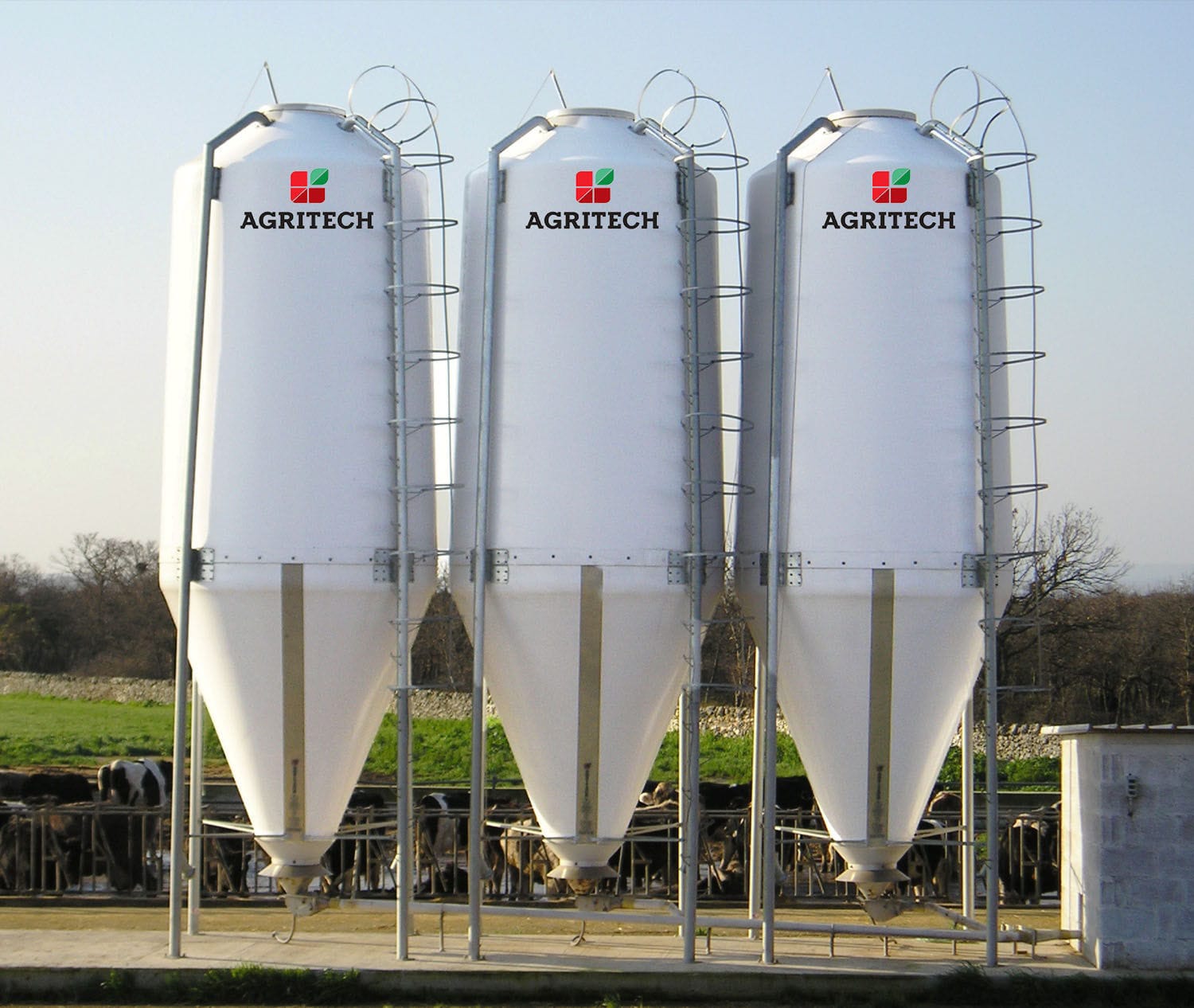 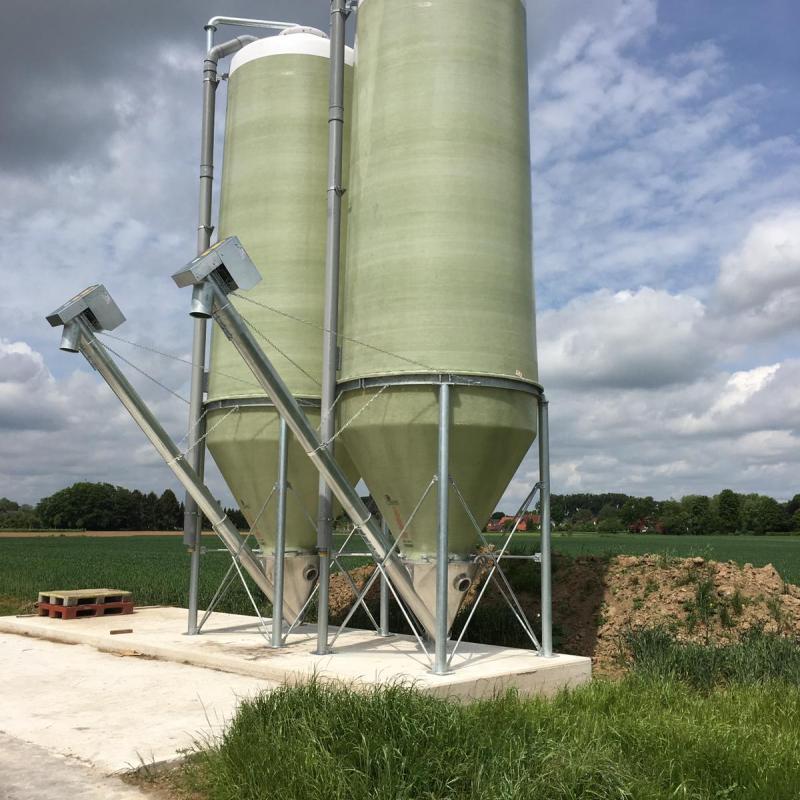 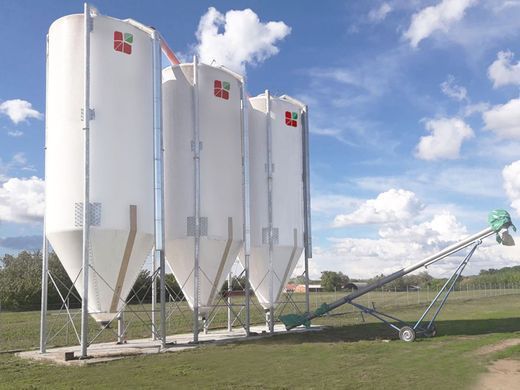 |
- Home
-
Products
- Pig Farming Equipment
- Cattle Farming Equipment
- Sheep & Goat Farming Equipment
- Poultry Farming Equipment
- Feeding & Drinking Systems
- Veterinary & Breeding Equipment
- Testing & Diagnostic Equipment
- Cleaning & Biosecurity Equipment
- Climate Control Equipment
- Livestock Weighing Equipment
- Manure & Waste Management
- Farm Transport & Handling
-
Solutions
- Pig Farm Solutions
- Dairy Farm Solutions
- Beef Cattle Farm Solutions
- Sheep & Goat Farm Solutions
- Layer Farm Solutions
- Broiler Farm Solutions
- Feeding & Drinking System Solutions
- Climate Control Solutions
- Biosecurity & Disinfection Solutions
- Manure & Waste Management
- Smart Farming Solutions
- Farm Renovation and Upgrade Solutions
- Partners
- Projects
- Resources
- News
- About Us
- Contact



Comments & Inquiries
Leave your questions or requirements below. We will reply as soon as possible.