

| Product Name | Sectional Fiberglass Feed Silo | ||||||||||||||||||||||||||||
| Product Image | 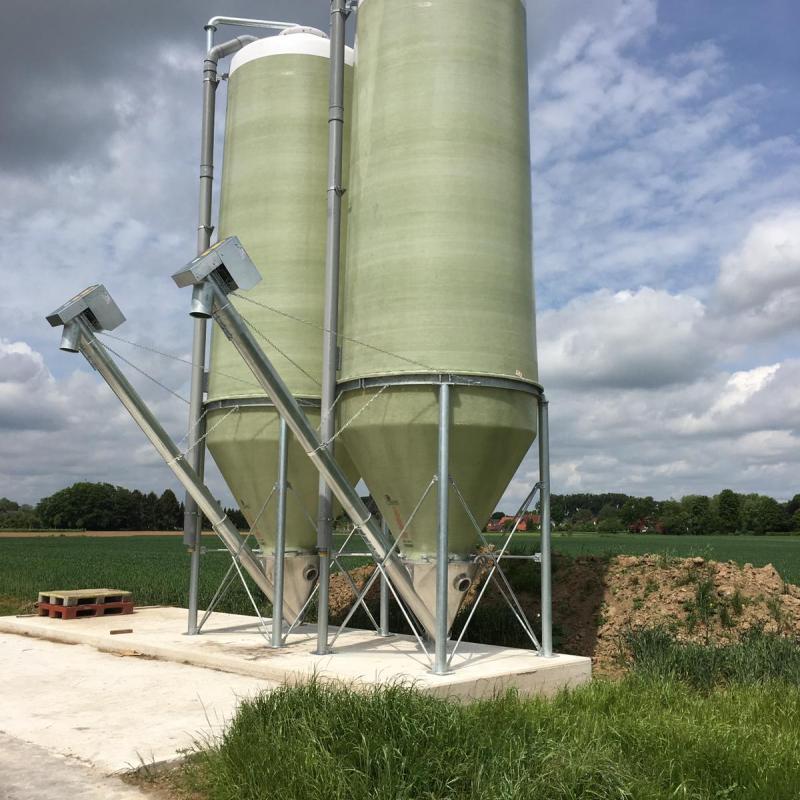 |
||||||||||||||||||||||||||||
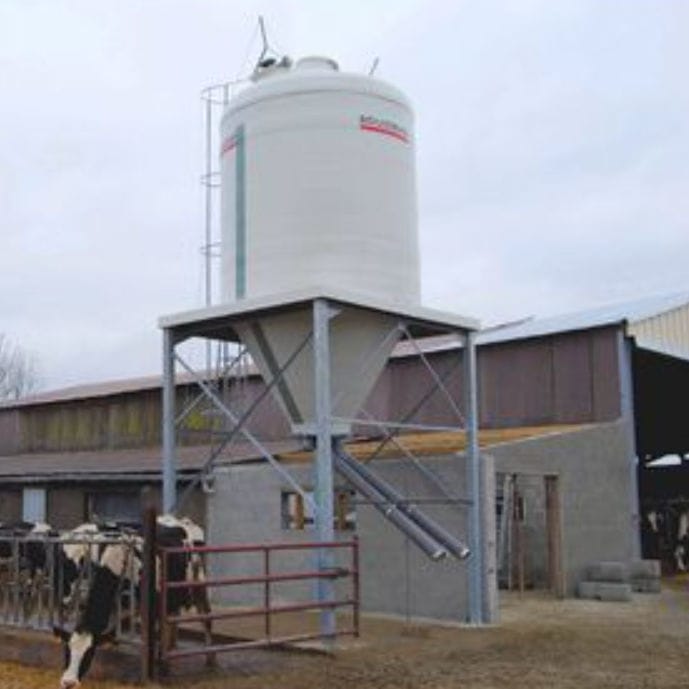
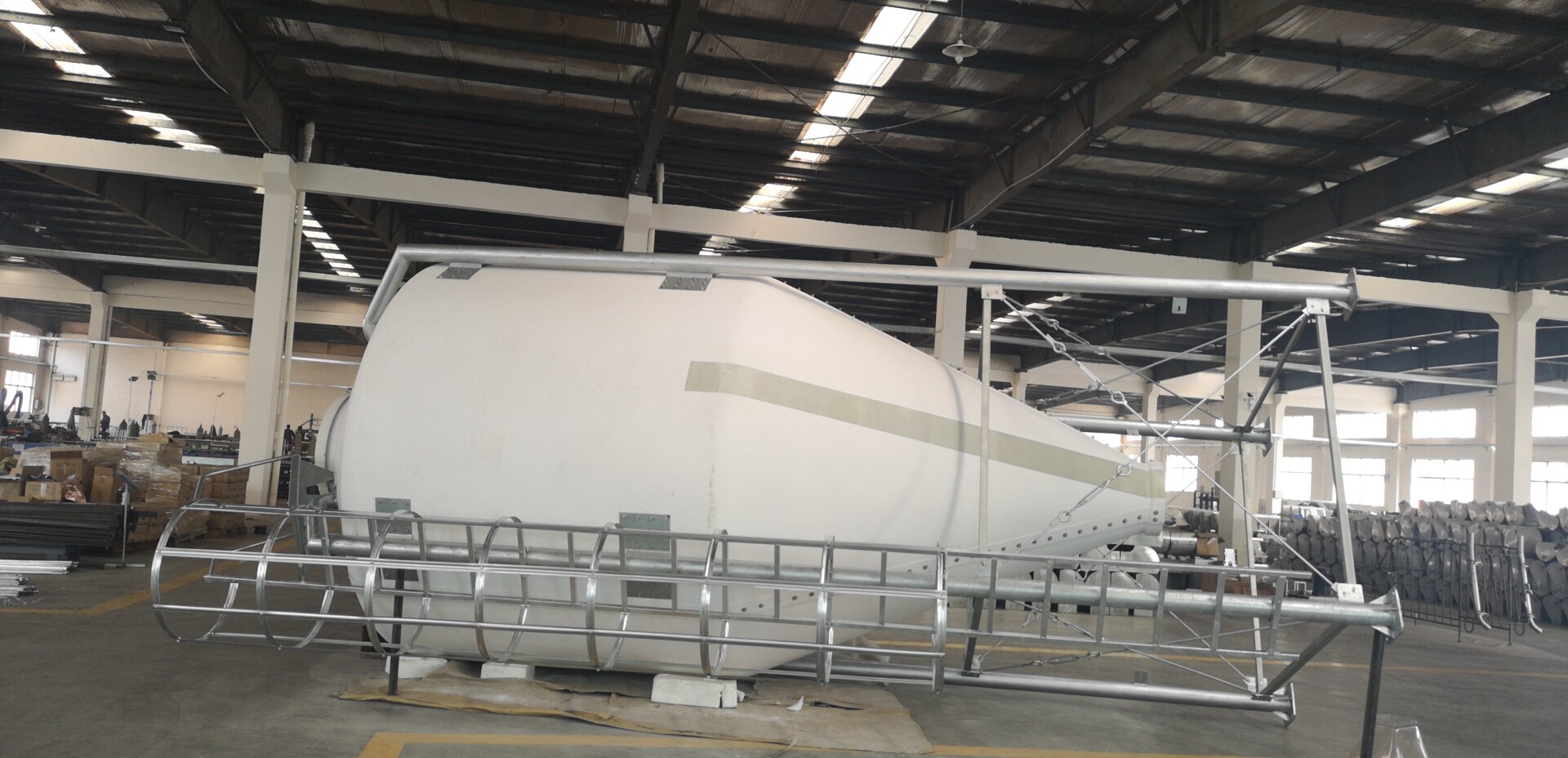
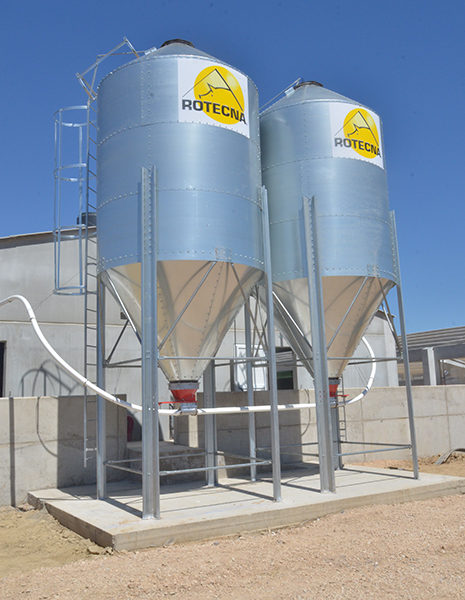
| Product Overview | The Sectional Fiberglass Feed Silo is a modular bulk feed storage solution designed for commercial poultry farms, pig farms, dairy farms and other intensive livestock facilities. The silo body is manufactured from glass fiber reinforced polyester (GRP), providing excellent resistance to agricultural corrosion and long-term outdoor exposure. Unlike one-piece silo designs, the sectional structure divides the fiberglass body into transport-friendly sections that are assembled on site using engineered bolted joints. This configuration simplifies container loading, international transportation, farm access and installation while retaining the advantages of a smooth fiberglass storage body. A conical hopper promotes gravity discharge toward the bottom outlet, while the smooth internal surface helps reduce feed retention and supports consistent flow into flexible auger, rigid auger or other automatic feeding systems. The silo can be supplied with a galvanized steel support structure and project-specific loading, weighing and discharge accessories. |
||||||||||||||||||||||||||||
| Key Features |
|
||||||||||||||||||||||||||||
| Structural Components |
|
||||||||||||||||||||||||||||
| Structural Principle | The silo uses a vertically arranged storage body supported above ground by a steel frame. Feed is introduced through the upper filling connection and accumulates inside the cylindrical or curved fiberglass chamber. The sectional body components are joined through engineered flange connections to form the complete silo after delivery to site. This modular construction reduces the transportation volume compared with many fully assembled silos and is particularly useful for export projects or farms with restricted access. During feeding, gravity moves the stored material downward through the conical hopper. The smooth GRP interior helps reduce adhesion and directs feed toward the outlet, where an auger or other conveying system transfers it to the livestock house feeding line. |
||||||||||||||||||||||||||||
| Technical Specifications |
|
||||||||||||||||||||||||||||
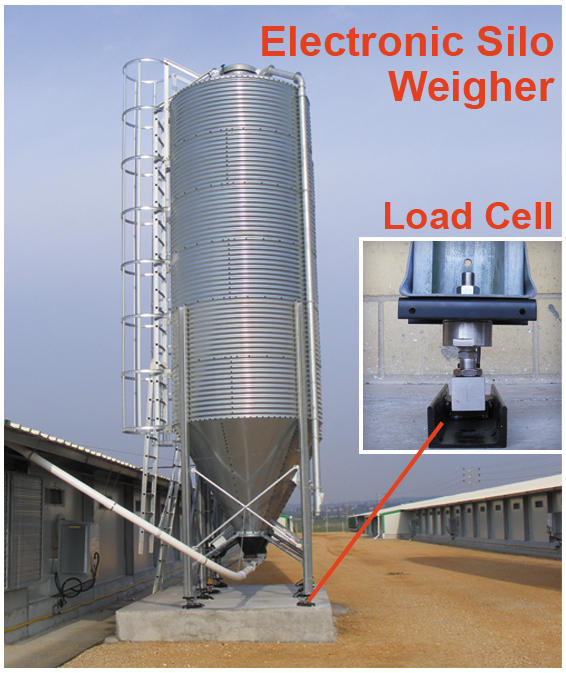
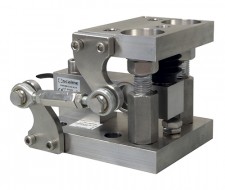
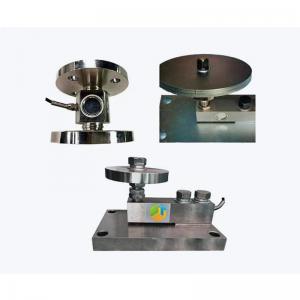
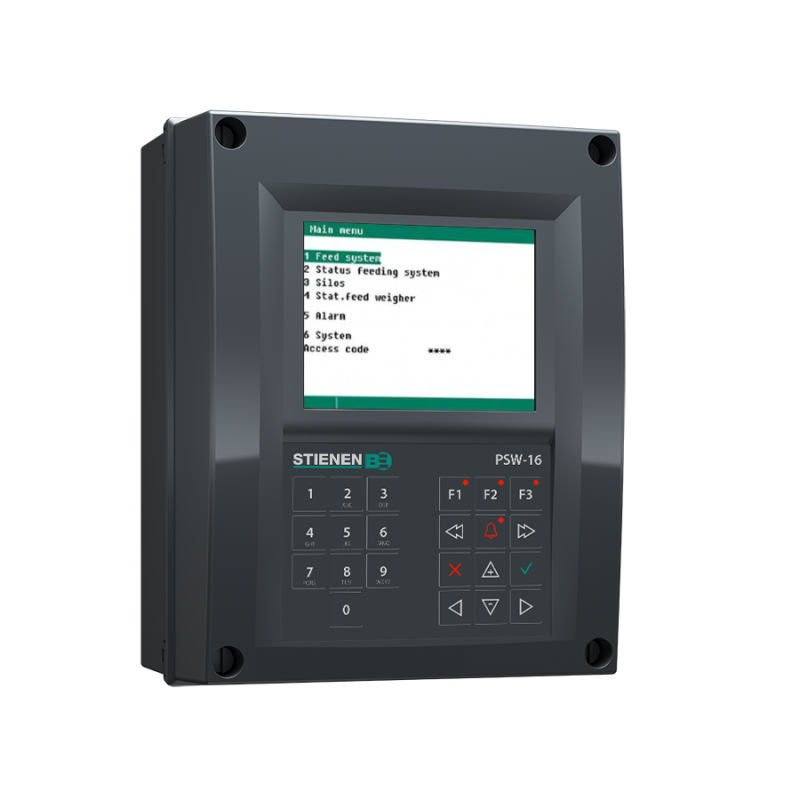
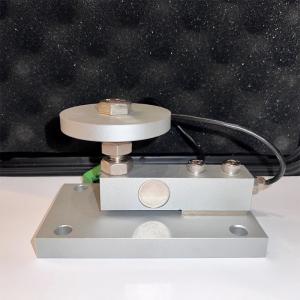
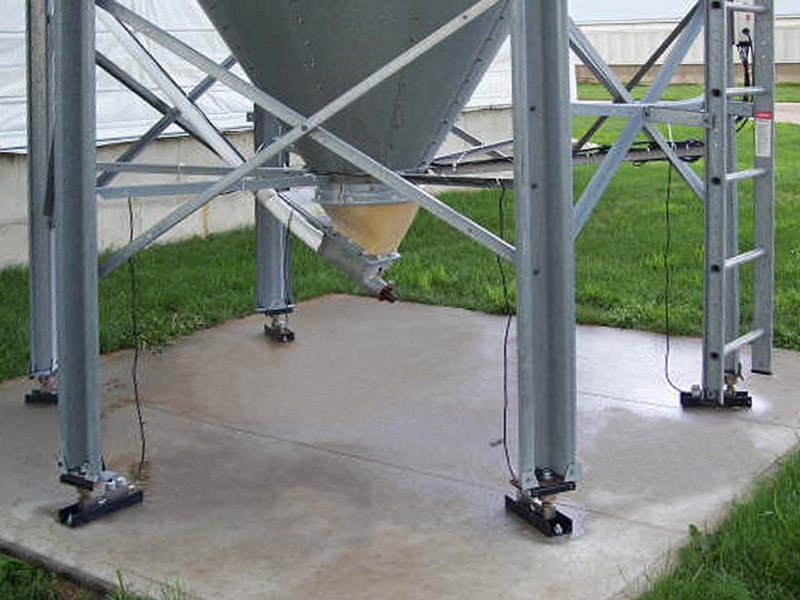
| Feed Storage & Conveying | The smooth fiberglass interior and conical hopper are designed to support gravity flow of suitable dry bulk livestock feeds. Typical stored materials include pellets, crumbles, meal and selected granular feed ingredients. The lower outlet can be coordinated with flexible auger systems, rigid screw conveyors or other farm feed-delivery equipment. Optional load cells can be incorporated where the project requires feed inventory monitoring or integration with automated feed-management systems. Actual storage capacity and discharge configuration should be selected according to feed bulk density, daily farm consumption, required storage days and feeding-line capacity. |
||||||||||||||||||||||||||||
| Applications |
|
||||||||||||||||||||||||||||
| Customization Options | The Sectional Fiberglass Feed Silo can be configured according to farm capacity, livestock type, feed characteristics, feeding-line arrangement and site conditions. Customization options may include storage volume, silo diameter, number of body sections, hopper configuration, outlet interface, support-frame height, filling connection, auger mounting kit, load-cell system, level sensor, ladder and access protection. For international projects, the support structure and anchoring arrangement can be designed according to local climate and farm conditions, including applicable wind requirements, building layout and silo foundation design. |
||||||||||||||||||||||||||||
| Installation & Maintenance | The sectional design allows the silo body and support components to be transported separately and assembled at the farm site. Before installation, the concrete foundation, anchor locations, access route and feeding-system connection points should be checked against the approved project drawings. The galvanized support frame is assembled and anchored first. Fiberglass body sections are then joined using the specified flange hardware and sealing system. The assembled silo is positioned on the support structure and connected to the filling pipe and feed discharge equipment. Routine maintenance includes inspection of sectional joints, bolts, support legs, cross bracing, anchor bolts, filling connections and discharge equipment. The fiberglass surface does not require conventional rust painting, but should still be inspected periodically for impact damage or abnormal wear. The silo must be isolated and emptied before internal inspection or maintenance. Confined-space and stored-material safety procedures should always be followed. |
||||||||||||||||||||||||||||
| Project Cases | In commercial pig and poultry projects, sectional fiberglass silos can be positioned beside each livestock house and connected directly to an automatic feed conveying line. Multiple silos may be installed where different feed formulations are required for separate production stages. For large livestock complexes, silo locations can be coordinated with feed-truck access roads, steel structure buildings, feed lines and electrical control systems during the engineering stage. The sectional construction is especially practical for export projects where compact shipping and on-site assembly can reduce transportation and handling challenges. |
||||||||||||||||||||||||||||
| Product FAQ | Q: What is a sectional fiberglass feed silo? A: It is a bulk livestock feed silo made from multiple GRP body sections that are transported separately and bolted together during installation. Q: What is the main advantage of sectional construction? A: The modular design reduces transportation volume and makes international shipping, site access and installation more convenient than many fully assembled silo configurations. Q: Why use fiberglass instead of conventional steel for the silo body? A: GRP is corrosion resistant and provides a smooth internal surface that supports reliable feed flow while reducing corrosion-related maintenance. Q: Can the silo connect to an automatic feeding system? A: Yes. The bottom outlet can be configured for compatible flexible augers, rigid augers or other automatic feed conveying systems. Q: Can the silo be filled pneumatically? A: Yes. Pneumatic filling or auger-loading configurations can be supplied according to project requirements. Q: Can load cells be installed? A: Yes. Load-cell integration is available upon request for projects requiring feed inventory or consumption monitoring. Q: How should silo capacity be selected? A: Capacity should be determined according to daily feed consumption, required storage period, feed bulk density and delivery schedule. Q: What information is required for quotation? A: Recommended information includes required storage volume, feed type and bulk density, livestock house layout, filling method, discharge system, local wind conditions, electrical requirements and site drawings. |
||||||||||||||||||||||||||||
| Product Gallery | 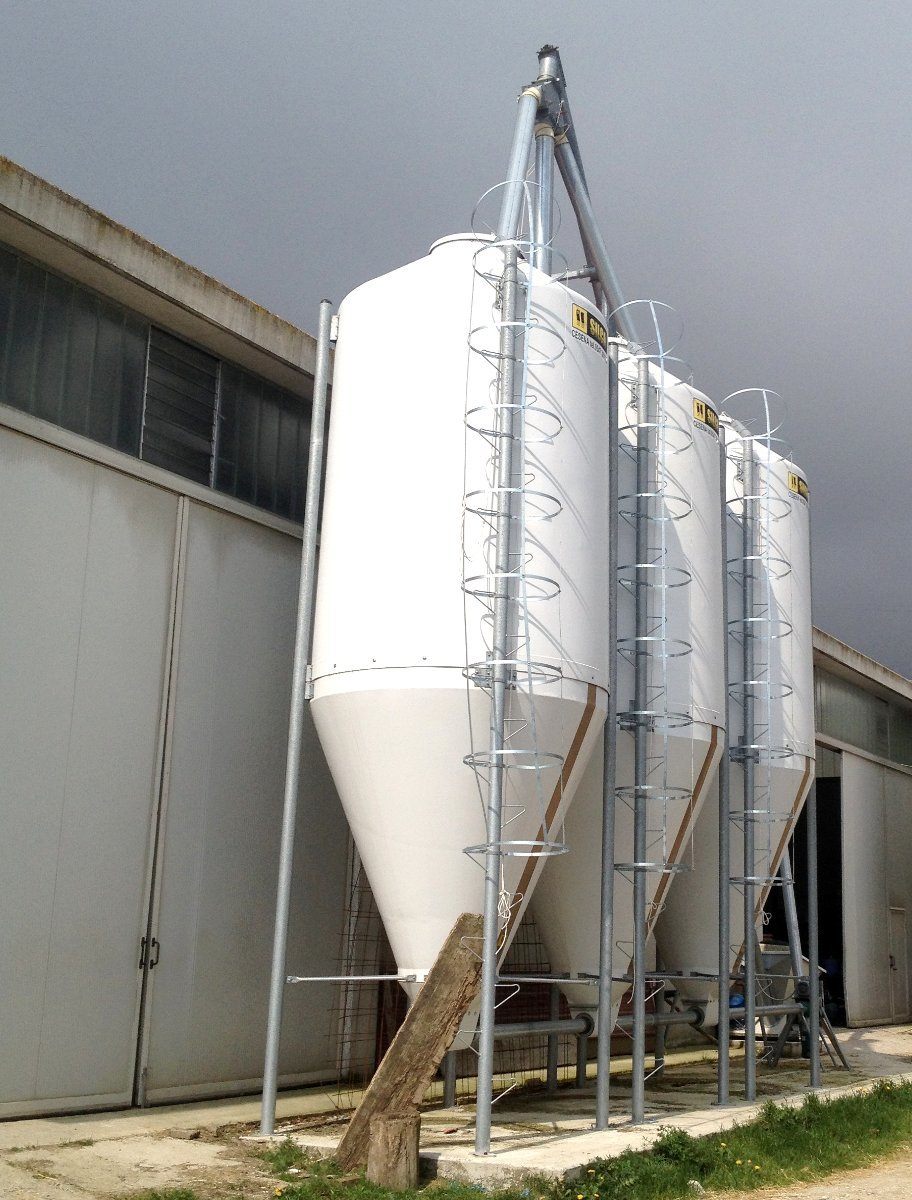 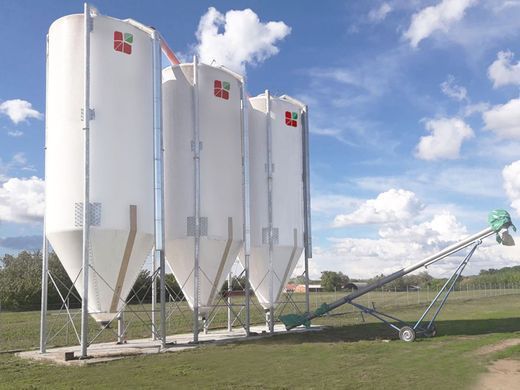 |
- Home
-
Products
- Pig Farming Equipment
- Cattle Farming Equipment
- Sheep & Goat Farming Equipment
- Poultry Farming Equipment
- Feeding & Drinking Systems
- Veterinary & Breeding Equipment
- Testing & Diagnostic Equipment
- Cleaning & Biosecurity Equipment
- Climate Control Equipment
- Livestock Weighing Equipment
- Manure & Waste Management
- Farm Transport & Handling
-
Solutions
- Pig Farm Solutions
- Dairy Farm Solutions
- Beef Cattle Farm Solutions
- Sheep & Goat Farm Solutions
- Layer Farm Solutions
- Broiler Farm Solutions
- Feeding & Drinking System Solutions
- Climate Control Solutions
- Biosecurity & Disinfection Solutions
- Manure & Waste Management
- Smart Farming Solutions
- Farm Renovation and Upgrade Solutions
- Partners
- Projects
- Resources
- News
- About Us
- Contact



Comments & Inquiries
Leave your questions or requirements below. We will reply as soon as possible.