| Product Name |
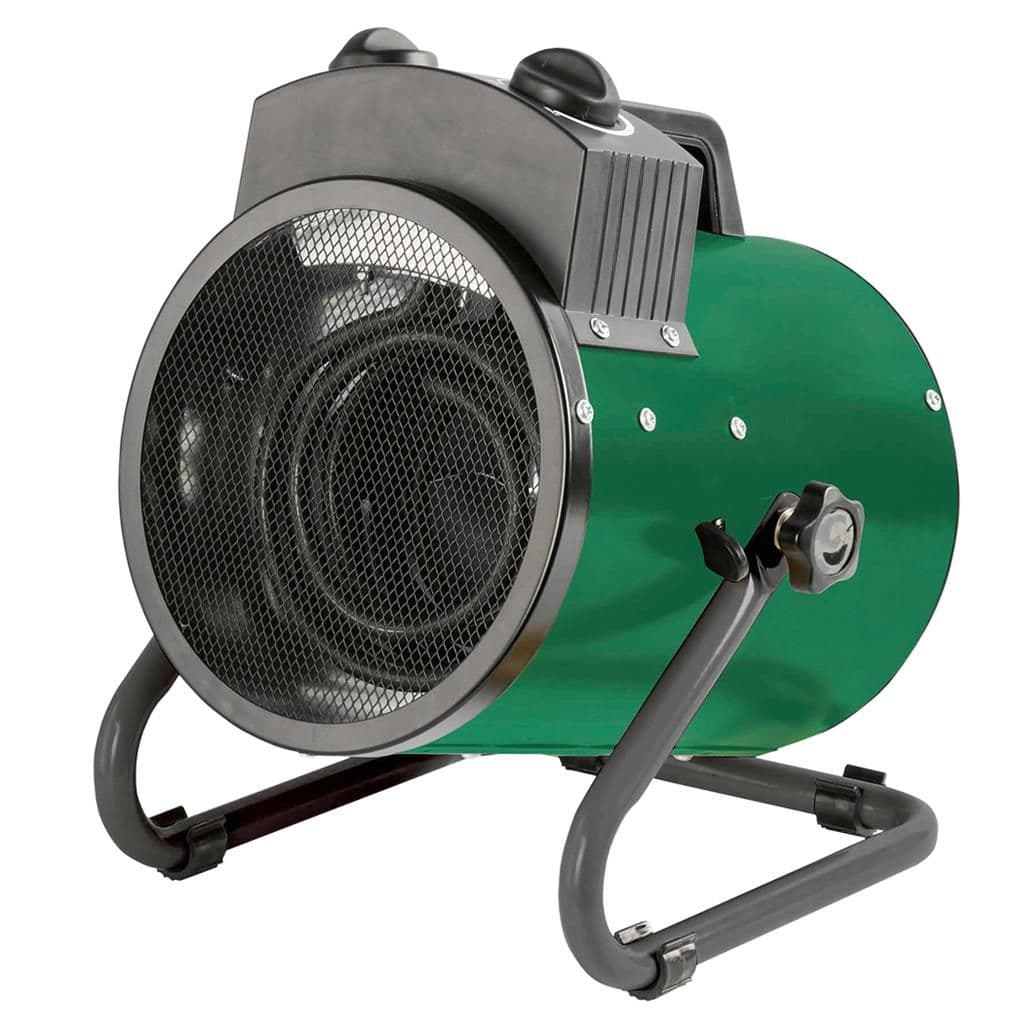
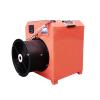
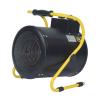
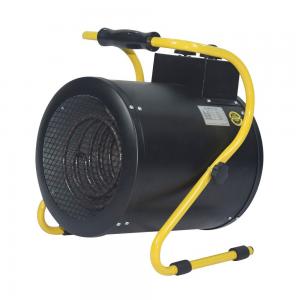
Greenhouse Electric Heater |
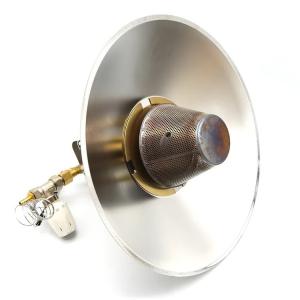
| Product Image |
 |
| Product Overview |
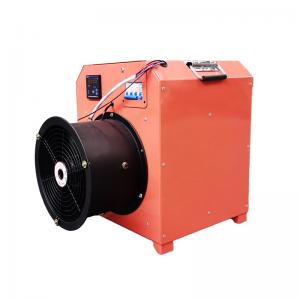
The Greenhouse Electric Heater is a forced-air heating solution developed for greenhouses, livestock farms, poultry houses, agricultural buildings and other enclosed spaces requiring reliable temperature support. Electric heating elements generate thermal energy while an integrated fan distributes warm air through the target area.
With no fuel burner or combustion chamber required at the heating unit, the system is suitable for agricultural projects where clean electric heating, straightforward installation and convenient temperature control are important. It can be applied as a primary heating source in appropriately designed facilities or as supplemental heating for selected production zones.
For livestock equipment projects, the heater can be coordinated with a livestock ventilation system, environmental controller and insulation design to help maintain a more stable indoor climate. Correct heater selection should consider building volume, heat loss, ventilation rate, insulation level, target temperature and local winter conditions.
SHEWUYOU supplies project-oriented configurations for greenhouse construction, pig farm construction, poultry facilities and steel structure building projects. Heating capacity, electrical configuration, mounting method and control arrangement can be customized according to project requirements.
|
| Key Features |
- Electric Forced-Air Heating: Combines electric heating elements with fan-driven airflow for rapid heat transfer and room-air circulation.
- Combustion-Free Operation: No fuel tank, burner or combustion exhaust connection is required at the heater.
- Flexible Heating Capacity: Heater output can be selected according to calculated building heat load and agricultural project requirements.
- Uniform Air Distribution: Forced airflow helps reduce localized cold areas when heaters are correctly positioned within the building.
- Environmental Control Integration: Thermostat or farm climate-control integration is available according to the selected electrical configuration.
- Agricultural Application Design: Suitable configurations can be selected for greenhouses, livestock buildings, poultry facilities and supporting farm areas.
- Convenient Installation: Electric operation eliminates fuel piping and flue installation, helping simplify project coordination where sufficient electrical capacity is available.
- Service-Friendly Construction: Accessible fan, heating and electrical sections support routine inspection and maintenance.
- Project Customization: Voltage, phase, mounting arrangement, housing specification and control options can be customized.
- B2B Supply Capability: Suitable for farm owners, agricultural engineering companies, distributors, agents and international project buyers.
|
| Structural Components |
- Heater Housing: Rigid metal enclosure supporting and protecting the heating, airflow and electrical components.
- Electric Heating Elements: Resistance-type elements convert electrical energy into heat for forced-air distribution.
- Axial or Forced-Air Fan: Moves ambient air through the heating section and distributes heated air into the building.
- Electric Motor: Drives the fan assembly and can be selected according to airflow and operating requirements.
- Protective Air Grille: Helps prevent accidental contact with internal moving or heating components while maintaining airflow.
- Control Section: Contains switching, connection and temperature-control components according to the selected configuration.
- Temperature Protection: Safety control options can be incorporated to protect the unit against abnormal overheating conditions.
- Mounting Structure: Portable frame, wall bracket, suspension arrangement or project-specific mounting can be supplied according to application requirements.
|
| Working Principle / Structural Principle |
During operation, electrical current passes through the resistance heating elements, where electrical energy is converted into thermal energy. The fan draws cooler room air through the heater and passes it across the heated section.
The warmed air is discharged into the greenhouse, livestock building or poultry house. Continuous air movement promotes heat transfer and helps distribute heating more evenly throughout the target zone.
When connected to a thermostat or environmental controller, heater operation can respond automatically to temperature demand. In a complete livestock ventilation system, heating and ventilation should be coordinated so that required fresh-air exchange can be maintained without causing unnecessary heat loss or unstable indoor temperatures.
|
| Technical Specifications |
- Product Type: Electric forced-air agricultural heater
- Heating Capacity: Customizable
- Power Supply: According to project requirements
- Voltage: According to project requirements
- Frequency: According to destination market and project requirements
- Phase: Single-phase or three-phase configuration available upon request
- Heating Method: Electric resistance heating
- Air Distribution: Fan-forced air circulation
- Airflow Capacity: Available upon request
- Temperature Control: Thermostat or external environmental control interface available upon request
- Housing Material: Customizable according to operating environment
- Surface Treatment: According to project requirements
- Mounting Method: Portable, wall-mounted, suspended or customized according to product configuration
- Protection Configuration: According to electrical design and project requirements
- Dimensions: Available upon request
- Operating Environment: Designed according to local climate and farm conditions
- OEM / Private Label: Available upon request
|
| Applications |
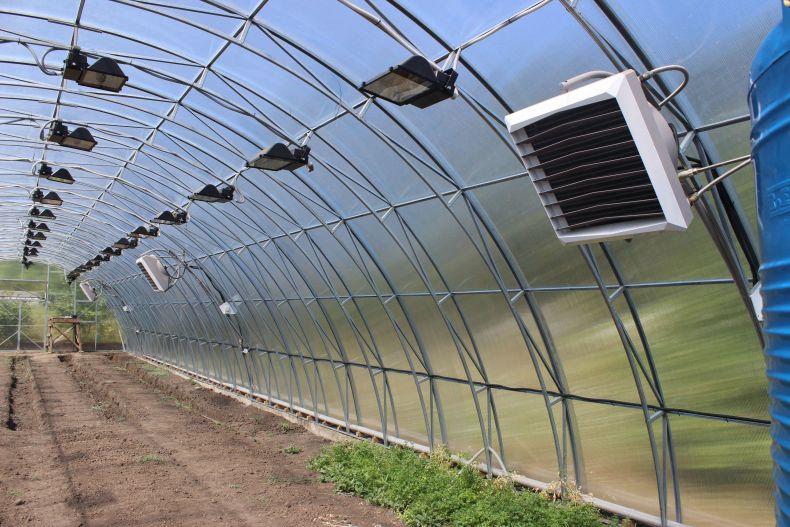
- Commercial Greenhouses: Supplemental or primary air heating for vegetables, flowers, seedlings and horticultural crops.
- Pig Farm Construction: Heating for suitable nursery, service and livestock-house zones where electric forced-air heating is specified.
- Poultry Farms: Auxiliary heating for poultry houses, brooding-related areas and supporting farm buildings.
- Livestock Farms: Temperature support for selected animal-production and service areas.
- Steel Structure Buildings: Heating for agricultural workshops, equipment rooms, storage areas and farm utility buildings.
- Seedling and Propagation Areas: Support for controlled-temperature crop establishment during cold weather.
- Agricultural Processing Areas: Space heating for suitable enclosed handling, preparation and working zones.
- Farm Renovation Projects: Supplemental heating where an existing facility has adequate electrical supply.
- Temporary Agricultural Heating: Portable configurations can support seasonal or localized heating requirements.
- Integrated Agricultural Projects: Can be coordinated with ventilation, cooling, insulation and environmental-control equipment.
|
| Customization Options |
- Heating Capacity: Selected according to building heat-load requirements.
- Electrical Configuration: Voltage, frequency and phase according to destination country and project requirements.
- Housing Configuration: Material and surface treatment can be selected for different agricultural environments.
- Mounting Method: Portable, wall-mounted, ceiling-suspended or customized installation options.
- Control System: Thermostat, external controller interface or integration with farm environmental controls available upon request.
- Airflow Arrangement: Fan capacity and discharge direction can be configured according to building layout.
- OEM Service: Product labeling, packaging and documentation can be customized for distributors and agents.
- Project Matching: Heater selection can be coordinated with livestock equipment, ventilation and steel structure building layouts.
|
| Installation & Maintenance |
Installation Planning
Heater quantity and capacity should be selected from a heat-load calculation considering building dimensions, insulation, covering material, desired indoor temperature, minimum outdoor design temperature, infiltration and required ventilation rate. For livestock and poultry projects, minimum ventilation requirements should remain part of the environmental design during cold-weather operation.
Mounting Position
Install heaters where the discharged air can circulate through the required zone without being blocked by equipment, structural members, partitions, crops or livestock installations. For suspended equipment, the steel structure building frame or support system must be capable of carrying the equipment safely. Required clearances should follow the final product configuration and local regulations.
Electrical Connection
Electrical wiring, grounding, circuit protection and control connections should be completed by qualified personnel. Supply voltage, phase and circuit capacity must match the selected heater. Electrical installations must comply with applicable local codes and project specifications.
System Integration
In greenhouse and livestock applications, heating should be coordinated with circulation fans, exhaust fans, air inlets and environmental controllers. Correct coordination helps maintain the required temperature while supporting air quality and humidity management.
Routine Maintenance
- Disconnect electrical power before inspection, cleaning or servicing.
- Inspect air inlet and outlet areas regularly and remove dust, feathers, crop debris and other obstructions.
- Check fan blades, guards, motor operation and mounting hardware for abnormal wear or vibration.
- Inspect electrical terminals, cables and control components at scheduled service intervals.
- Keep heating elements and airflow passages clean to maintain effective heat transfer.
- Increase inspection frequency in dusty, humid or corrosive livestock environments.
- Check thermostats and environmental-control signals before the cold season.
- Replace damaged components with parts suitable for the specific heater configuration.
|
| Project Cases |
Representative Project Scenario 1 – Commercial Greenhouse:
A multi-span greenhouse project requires supplemental winter heating for crop-production zones. Electric forced-air heaters are distributed according to the greenhouse layout and connected to temperature controls. Heater quantity and output are selected according to local climate, greenhouse covering, internal set point and calculated heat loss.
Representative Project Scenario 2 – Pig Farm:
A new pig farm construction project uses electric heaters in selected livestock-house and service zones. The heating arrangement is coordinated with the livestock ventilation system so minimum fresh-air exchange can continue during cold weather. Equipment configuration is selected according to building dimensions, insulation and electrical supply.
Representative Project Scenario 3 – Poultry Farm:
An enclosed poultry building requires auxiliary electric heating for seasonal temperature support. Multiple heating units are positioned to promote air circulation along the house, while environmental controls coordinate heating with ventilation equipment according to production requirements.
Representative Project Scenario 4 – Agricultural Steel Structure Building:
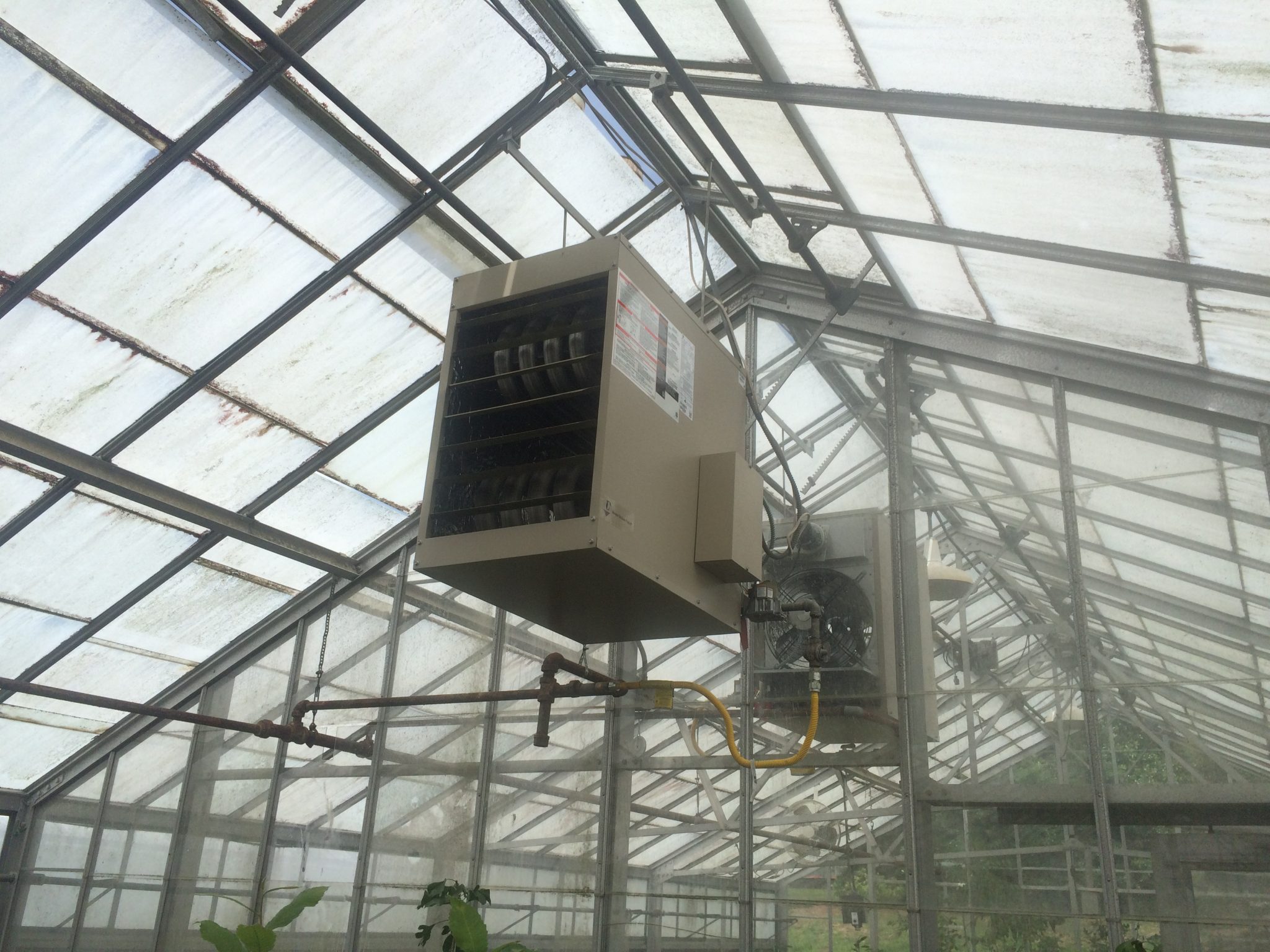
A farm workshop and equipment service building uses suspended electric heaters to provide localized winter heating. Mounting positions are coordinated with roof beams, lighting and other utilities, reducing floor-space occupation and supporting a clean installation layout.
|
| Product FAQ |
Q1: How do I select the correct heater capacity for my greenhouse?
A: Selection should be based on a heat-load calculation including greenhouse dimensions, covering material, insulation, infiltration, ventilation requirements, target indoor temperature and minimum local outdoor temperature. Capacity can be configured according to project requirements.
Q2: Can this heater be used in pig farms?
A: Yes. Suitable configurations can be used for pig farm construction and livestock-house applications. The selected model and installation position should match environmental conditions, ventilation design and electrical requirements.
Q3: Is it suitable for poultry farms?
A: Yes. Electric forced-air heaters can provide auxiliary heating in suitable poultry-house applications. Heater quantity, airflow and control strategy should be designed according to house size, stocking conditions and local climate.
Q4: Can the heater connect to a livestock ventilation system controller?
A: Control integration is available upon request. The final interface depends on heater configuration, controller type and project electrical design.
Q5: Does an electric heater require a chimney or fuel pipe?
A: Resistance-type electric heaters do not require a fuel supply pipe or combustion flue at the heater. Building ventilation requirements remain determined by the agricultural environment and livestock-management design.
Q6: Can voltage and phase be customized for different countries?
A: Yes. Electrical configuration can be supplied according to project requirements and the available power system in the destination market.
Q7: Can the heater be suspended from a steel structure building?
A: Suitable models can be configured for suspended or bracket mounting. The supporting steel structure must be checked for equipment load, mounting method and required clearances.
Q8: Can SHEWUYOU provide OEM products for distributors?
A: OEM labeling, packaging and project-based configuration are available upon request for distributors, agents and agricultural equipment suppliers.
Q9: What information should be provided for a quotation?
A: Please provide application type, building dimensions, local minimum temperature, required indoor temperature, insulation information, available voltage and phase, installation method and required quantity. Drawings are recommended for larger agricultural projects.
Q10: Can the heater be supplied as part of a complete livestock equipment package?
A: Yes. The heater can be coordinated with ventilation fans, air inlets, cooling equipment, environmental controls and other equipment used in integrated livestock and agricultural projects.
|
| Product Gallery |

 |


Comments & Inquiries
Leave your questions or requirements below. We will reply as soon as possible.