
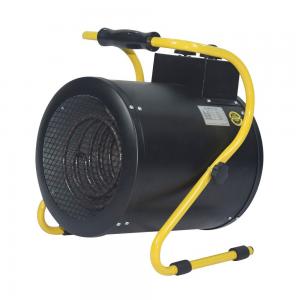
| Product Name | Portable Electric Forced Air Heater |
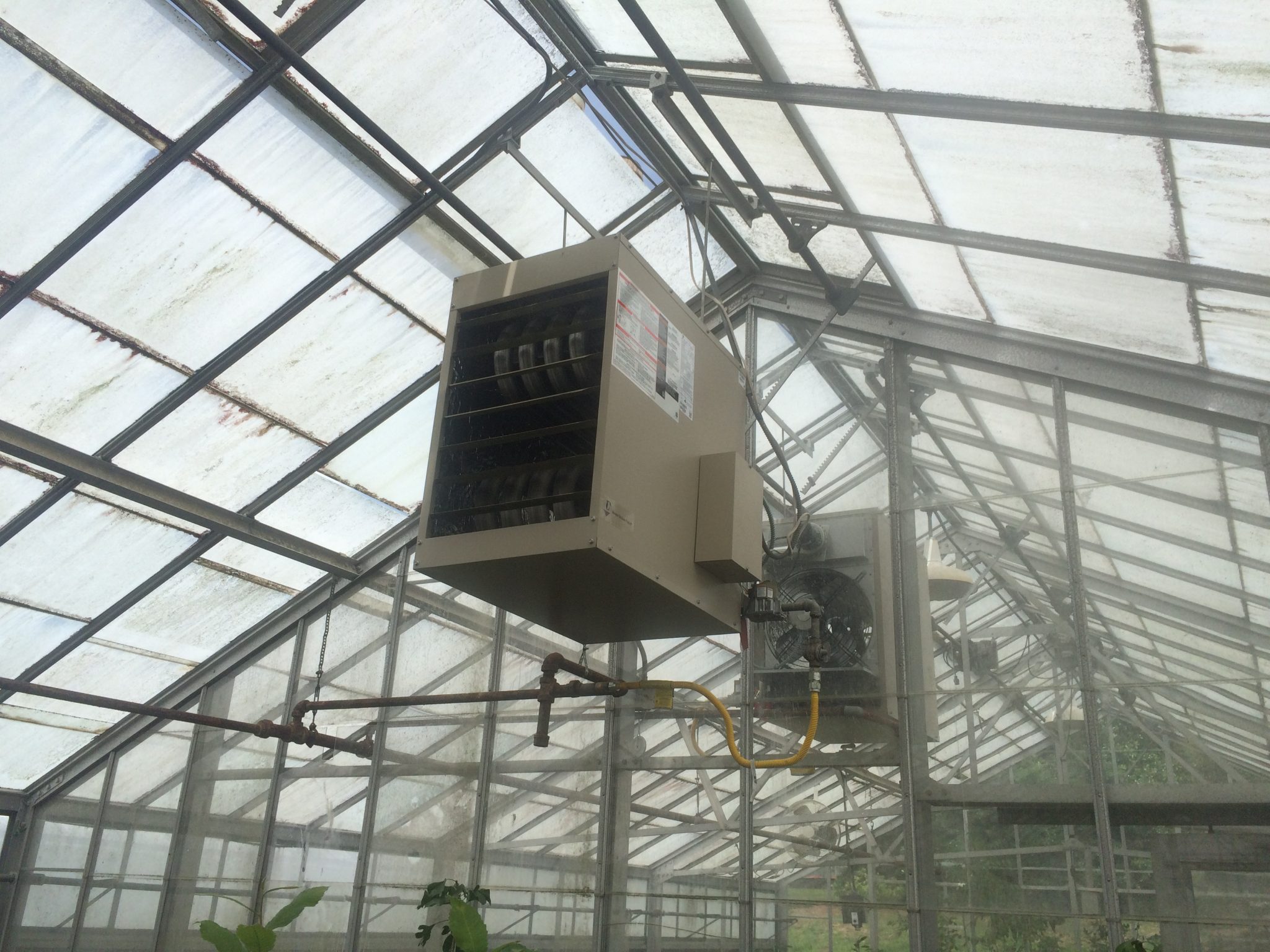
| Product Image |  |
| Product Overview |
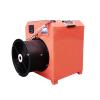
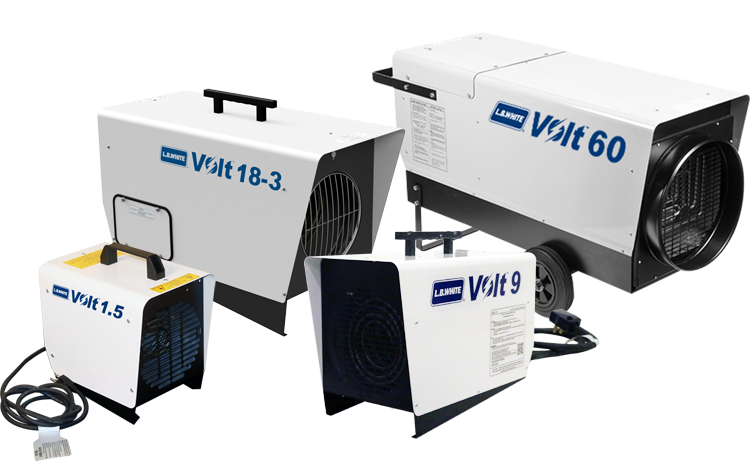
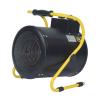
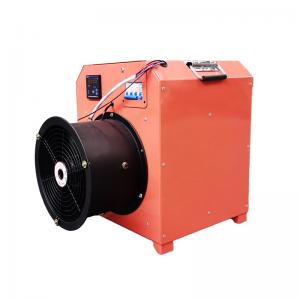
The Portable Electric Forced Air Heater combines electric heating elements and a fan in a movable housing. It delivers warm air to a selected area where a suitable electrical supply is available. For livestock farms, the heater can provide supplementary heat in appropriate service rooms, agricultural work areas or animal buildings when the selected model is rated for those conditions. A portable arrangement allows the unit to be repositioned between approved locations as seasonal needs change. Electric operation requires no fuel storage or combustion flue at the heater. Building ventilation remains necessary wherever animals, moisture, dust or other air-quality concerns are present. Heating capacity and equipment quantity should be determined from the building heat load rather than floor area alone. For agricultural engineering companies, distributors and project buyers, the heater can be specified alongside other livestock equipment. Electrical distribution, safe operating positions and access routes should be considered early in pig farm construction or a steel structure building project. |
| Key Features |
|
| Structural Components |
|
| Working Principle / Structural Principle |
When heating is selected, electrical resistance elements warm the air passing through the unit. The fan draws air through the inlet and discharges it through the outlet toward the intended area. The heater must stand securely during operation. Its position and outlet direction affect air circulation and temperature distribution; both should be selected to keep required clearances and avoid directing excessively hot air onto animals or sensitive materials. Any temperature controller regulates heater operation according to the selected design. In livestock buildings, the heater should operate alongside the livestock ventilation system so that fresh-air exchange continues as required. |
| Technical Specifications |
|
| Applications |
|
| Customization Options |
|
| Installation & Maintenance |
Setup: Confirm the heater's electrical requirements against the available circuit before use. Position it on a stable surface in a location approved by the selected model's instructions. Keep the inlet and outlet unobstructed and maintain specified distances from animals, bedding, feed, curtains and other combustible materials. Protect the cable and connector from animal contact, traffic and water. Where the heater will be used in a livestock building, confirm that its enclosure and electrical protection are suitable for the site's dust, humidity and cleaning practices. A qualified electrician should provide any required supply circuit or industrial connector. Do not use an extension lead unless the heater instructions expressly permit a correctly rated one. Maintenance: Isolate the electrical supply and allow the heater to cool before cleaning or inspection. Remove dust, feathers and debris from accessible grilles; check the cable, plug, fan, frame and controls for damage. Do not hose down the unit unless its stated protection rating and instructions allow it. Follow the selected manufacturer's service schedule. |
| Project Cases |
Illustrative pig farm project: A farm operator plans portable supplementary heating for a protected service area beside newly constructed nursery rooms. The engineering team verifies electrical capacity, operating clearances and the route used to move the heater between approved positions. Illustrative agricultural workshop project: A contractor specifies movable electric heaters for seasonal equipment maintenance. Heater selection follows the workshop heat load, available power supply and expected working conditions. |
| Product FAQ |
1. Does the heater require gas or a flue? 2. Can it be used inside a livestock building? 3. Can the heater replace barn ventilation? 4. How is heating capacity selected? 5. Can one heater be moved between rooms? 6. Are thermostat controls available? 7. Can it be used during washdown? 8. Can it operate near bedding or feed? 9. What information is needed for a quotation? |
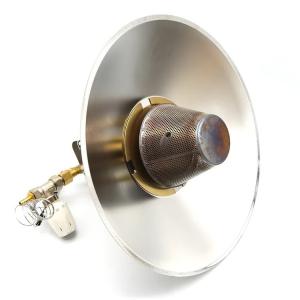
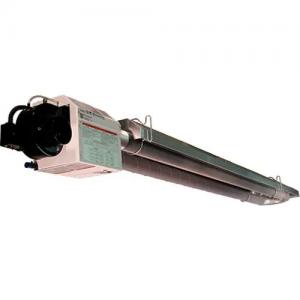
| Product Gallery |  |
- Home
-
Products
- Pig Farming Equipment
- Cattle Farming Equipment
- Sheep & Goat Farming Equipment
- Poultry Farming Equipment
- Feeding & Drinking Systems
- Veterinary & Breeding Equipment
- Testing & Diagnostic Equipment
- Cleaning & Biosecurity Equipment
- Climate Control Equipment
- Livestock Weighing Equipment
- Manure & Waste Management
- Farm Transport & Handling
-
Solutions
- Pig Farm Solutions
- Dairy Farm Solutions
- Beef Cattle Farm Solutions
- Sheep & Goat Farm Solutions
- Layer Farm Solutions
- Broiler Farm Solutions
- Feeding & Drinking System Solutions
- Climate Control Solutions
- Biosecurity & Disinfection Solutions
- Manure & Waste Management
- Smart Farming Solutions
- Farm Renovation and Upgrade Solutions
- Partners
- Projects
- Resources
- News
- About Us
- Contact

Comments & Inquiries
Leave your questions or requirements below. We will reply as soon as possible.