
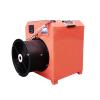
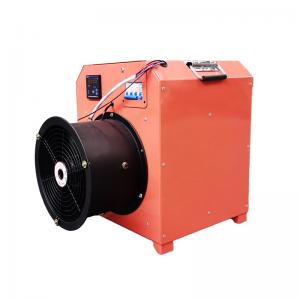
| Product Name | Livestock Electric Forced Air Heater |
| Product Image |  |
| Product Overview |
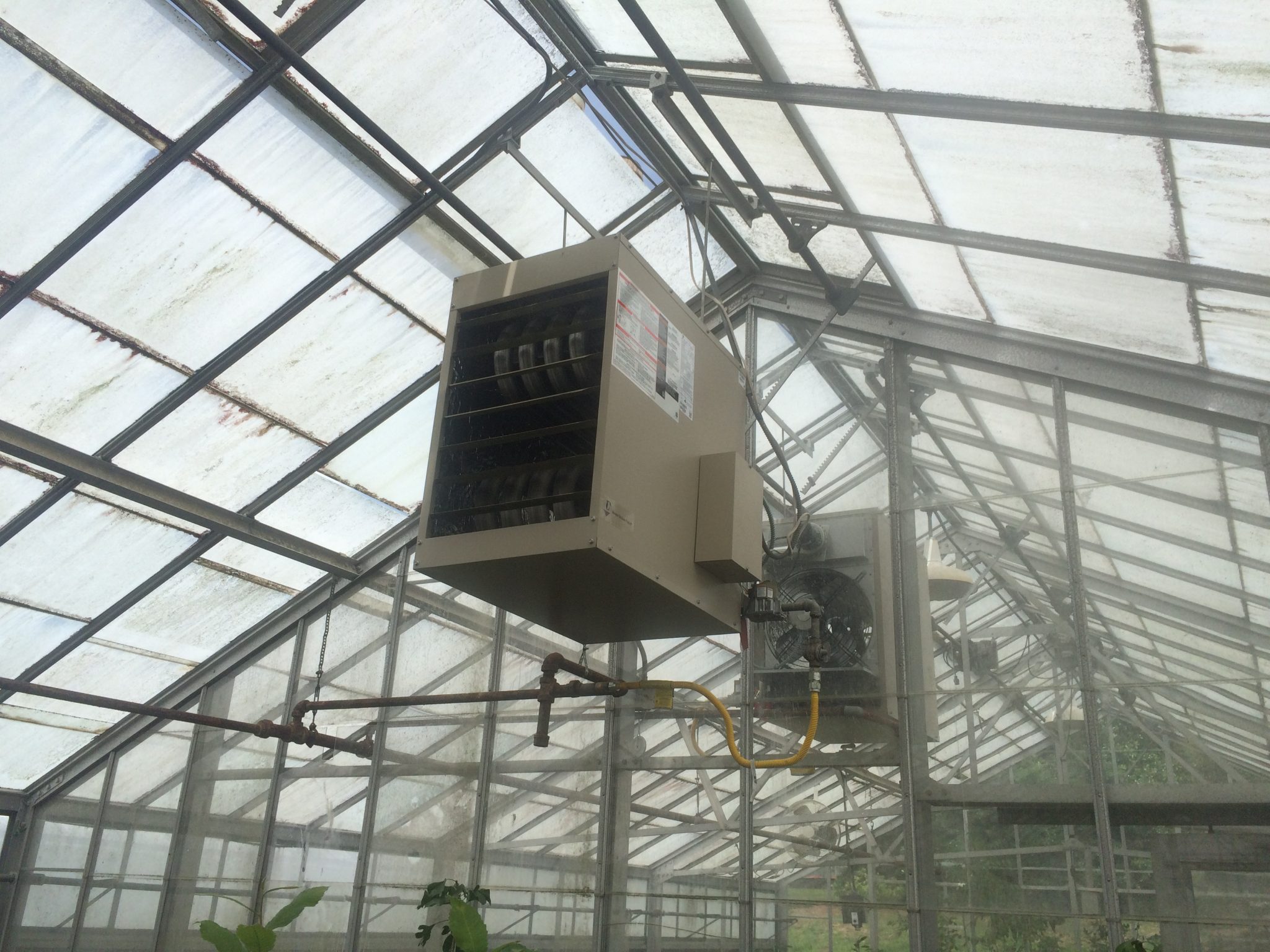
The Livestock Electric Forced Air Heater combines electric heating elements with a fan to deliver warm air into livestock buildings. It can provide local or supplementary heating where a suitable electrical supply is available. The heater can be specified for pig farm construction, poultry facilities and other agricultural projects. Heating capacity, electrical connection, controls and placement should be selected from the building heat load and the intended animal management plan. Electric operation produces no combustion exhaust at the heater and requires no on-site gas or liquid-fuel supply. The farm's livestock ventilation system must still provide the fresh air needed to manage moisture, dust and animal-generated gases. Portable, floor-standing or fixed arrangements may be considered according to the selected configuration. For a steel structure building, heater placement should also account for electrical routing, airflow paths, cleaning procedures and access for maintenance. |
| Key Features |
|
| Structural Components |
|
| Working Principle / Structural Principle |
When the temperature control calls for heat, electricity energizes the heating elements. The fan draws room air into the unit, moves it across the heated elements and discharges warm air through the outlet. Airflow and heater placement determine how the warmth reaches the intended zone. The outlet should be directed to support room air mixing without blowing excessively hot air onto animals, bedding, plastic equipment or other sensitive materials. The heater operates alongside the farm's ventilation equipment. Heating controls and ventilation settings should be coordinated so that required fresh-air exchange continues during cold weather. |
| Technical Specifications |
|
| Applications |
|
| Customization Options |
|
| Installation & Maintenance |
Before installation, confirm the heat load and available electrical capacity. Select a stable mounting position with adequate air inlet space, an unobstructed discharge path and the clearances required by the chosen model. Keep the heater away from bedding, curtains, feed dust accumulation, water spray and animal contact as specified in the installation instructions. A qualified electrician should complete the dedicated electrical connection, earthing, circuit protection and control wiring in accordance with the selected heater instructions and local requirements. Where heaters are mounted on a steel structure building, verify the support points and allow safe access for inspection. Inspect inlet and outlet guards regularly and remove dust, feathers and debris with the power isolated. Check the fan, heating elements, terminals, controls and protective devices on a maintenance schedule appropriate to the barn environment. Do not wash down a heater unless its selected enclosure rating and manufacturer instructions explicitly permit it. |
| Project Cases |
Illustrative pig nursery project: An engineering contractor specifies electric forced air heaters as supplementary heat for separate nursery rooms. Heater quantity and placement follow each room's heat-loss calculation, electrical capacity and ventilation plan. Illustrative poultry farm project: A poultry integrator plans electric heaters for a service and equipment area within a new farm building. The installation design provides protected electrical connections, accessible mounting positions and clear airflow paths. |
| Product FAQ |
1. How is the required heater capacity calculated? 2. Does an electric heater require a flue? 3. Can barn ventilation be turned off while the heater runs? 4. Is the heater suitable for piglet nursery rooms? 5. Can it be installed in a poultry house? 6. What electrical information is needed before ordering? 7. Can several heaters be controlled by zone? 8. Is the unit suitable for washdown? 9. What details should a project buyer provide for a quotation? |
| Product Gallery | 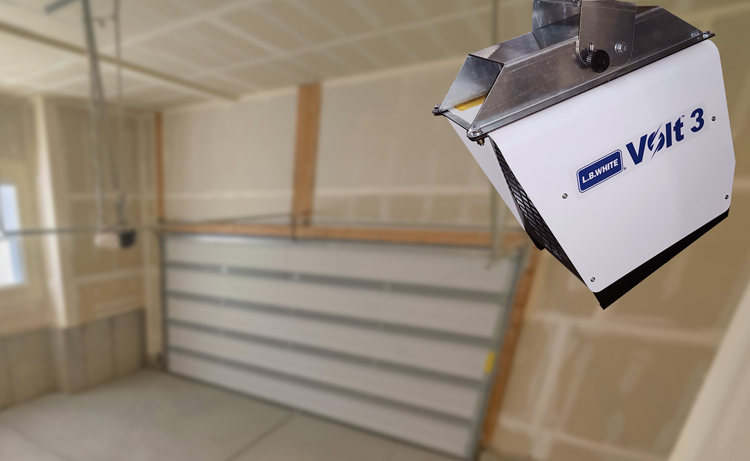  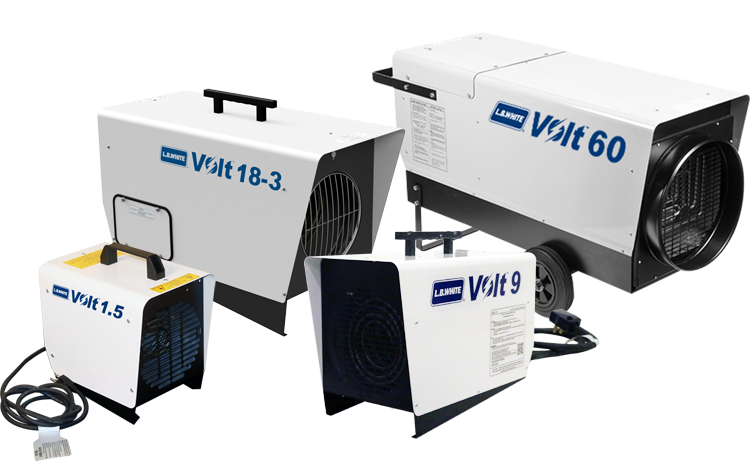 |
- Home
-
Products
- Pig Farming Equipment
- Cattle Farming Equipment
- Sheep & Goat Farming Equipment
- Poultry Farming Equipment
- Feeding & Drinking Systems
- Veterinary & Breeding Equipment
- Testing & Diagnostic Equipment
- Cleaning & Biosecurity Equipment
- Climate Control Equipment
- Livestock Weighing Equipment
- Manure & Waste Management
- Farm Transport & Handling
-
Solutions
- Pig Farm Solutions
- Dairy Farm Solutions
- Beef Cattle Farm Solutions
- Sheep & Goat Farm Solutions
- Layer Farm Solutions
- Broiler Farm Solutions
- Feeding & Drinking System Solutions
- Climate Control Solutions
- Biosecurity & Disinfection Solutions
- Manure & Waste Management
- Smart Farming Solutions
- Farm Renovation and Upgrade Solutions
- Partners
- Projects
- Resources
- News
- About Us
- Contact



Comments & Inquiries
Leave your questions or requirements below. We will reply as soon as possible.