| Product Name |
Large Coverage Infrared Gas Brooder |
| Product Image |
 |
| Product Overview |
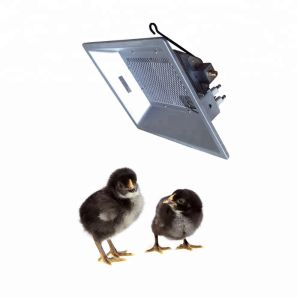
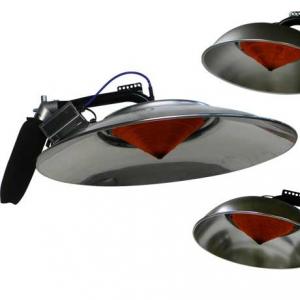
The Large Coverage Infrared Gas Brooder is a suspended radiant heating solution developed for commercial poultry houses, pig farms and other livestock buildings requiring efficient animal-level heating during cold weather or early production stages. Gas combustion generates infrared energy that is directed toward the floor, litter and animals beneath the brooder.
Compared with heating systems that primarily warm the complete air volume of a building, infrared brooding concentrates a significant portion of useful heat in the occupied animal zone. This makes the system particularly suitable for broiler houses, pullet rearing facilities, turkey houses and selected pig production areas where a broad and stable warm zone is required.
A large reflector and radiant burner structure are designed to distribute heat over an extended floor area. Correct brooder spacing and suspension height help create overlapping heating zones and more consistent conditions across the livestock house.
SHEWUYOU provides project-oriented brooding heater configurations for livestock equipment packages, poultry farm construction, pig farm construction and steel structure building projects. Gas type, gas pressure configuration, ignition method, heating capacity, suspension arrangement and control interface can be selected according to project requirements.
|
| Key Features |
- Large Heating Coverage: Broad radiant pattern helps distribute useful heat over a wider animal-level floor area.
- Infrared Radiant Heating: Transfers heat directly toward the floor, litter and livestock instead of relying only on warming room air.
- Uniform Brooding Zone: Proper layout and suspension can help reduce localized cold areas and improve usable brooding space.
- Gas-Fired Operation: Suitable configurations can be developed for available farm gas supplies according to project requirements.
- Adjustable Heat Output: Gas input and control configuration can be selected to match changing animal and environmental requirements.
- Suspended Installation: Keeps floor space clear for feeding, drinking, litter management and routine flock movement.
- Durable Reflector Assembly: Heat-resistant metal construction can be selected for demanding poultry and livestock environments.
- Multiple Ignition Options: Manual, automatic or project-specific ignition configurations are available upon request.
- Environmental Control Integration: Can be coordinated with thermostats and livestock house controllers according to system design.
- Commercial Farm Application: Suitable for large poultry houses, agricultural engineering projects, distributors and project buyers.
|
| Structural Components |
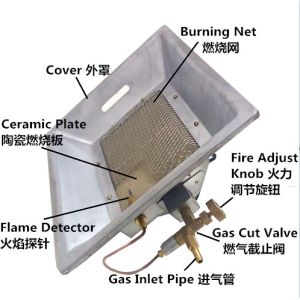
- Infrared Burner Assembly: Converts gas energy into radiant heat for animal-level warming.
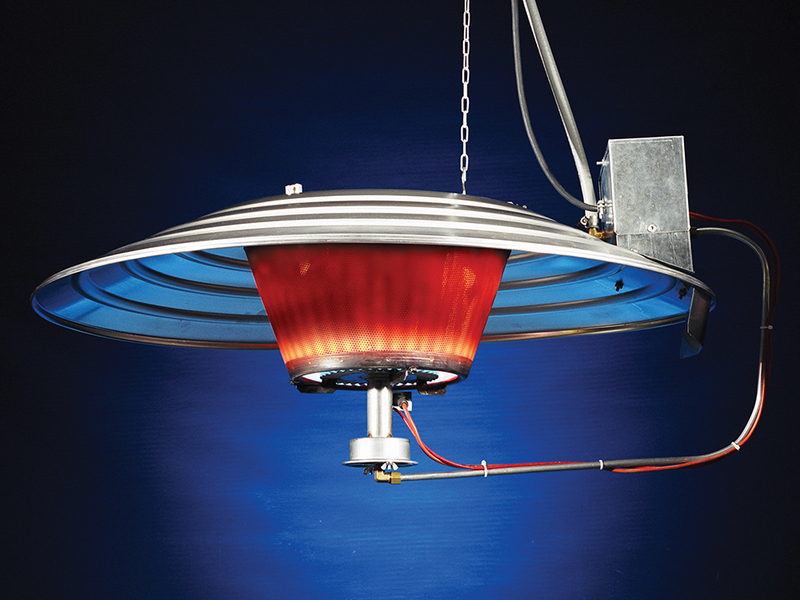
- Radiant Element: High-temperature emitting surface distributes infrared energy beneath the heater.
- Large Reflector: Helps direct radiant energy downward and expand the useful heating footprint.
- Gas Valve and Regulation Components: Control gas supply according to the selected pressure and operating configuration.
- Ignition Assembly: Manual or automatic ignition configuration available according to project requirements.
- Flame Safety Components: Suitable safety controls can be incorporated to interrupt gas flow under abnormal operating conditions.
- Suspension Assembly: Chain, cable or supporting hardware allows the brooder to be positioned at the required height.
- Gas Connection: Connects the brooder to the farm gas distribution system through approved hoses, piping and fittings.
|
| Working Principle / Structural Principle |
During operation, gas is supplied to the burner and ignited at the radiant heating section. The combustion process heats the radiant surface, which emits infrared energy toward the floor and animal zone beneath the brooder.
The reflector directs and distributes radiant energy over the required brooding area. The floor and litter absorb this radiation and release heat around the animals, creating a comfortable local microclimate while the livestock ventilation system continues to manage fresh air, moisture and indoor air quality.
Actual floor temperature and heating coverage depend on heater output, suspension height, brooder spacing, house insulation, ventilation rate and outdoor conditions. Radiant heat intensity decreases as distance from the heater increases, so correct layout is important for consistent brooding conditions. :contentReference[oaicite:1]{index=1}
|
| Technical Specifications |
- Product Type: Large coverage infrared gas brooder
- Heating Method: Infrared radiant heating
- Combustion Type: Open combustion configuration
- Heating Capacity: Customizable
- Heating Coverage: According to project requirements and installation conditions
- Gas Type: Available according to project requirements
- Gas Pressure: According to selected gas supply and burner configuration
- Ignition Method: Manual or automatic configuration available upon request
- Heat Adjustment: According to selected valve and control configuration
- Reflector Material: Heat-resistant metal construction, customizable
- Burner Material: According to product configuration
- Suspension Method: Chain, cable or customized hanging system
- Controller Interface: Available upon request
- Safety Protection: According to product configuration and destination-market requirements
- Dimensions: Available upon request
- Weight: Available upon request
- Application Environment: Designed according to local climate and farm conditions
- OEM / ODM Service: Available upon request
|
| Applications |
- Commercial Broiler Houses: Large-area radiant heating for day-old chicks and early brooding stages.
- Broiler Breeder Rearing: Supplementary heat for breeder pullets during early growth.
- Layer Pullet Houses: Heating for young laying birds before they reach later production stages.
- Turkey Houses: Broad radiant heating for large floor-reared poultry facilities.
- Duck and Goose Farms: Supplemental heating for suitable waterfowl rearing applications.
- Pig Farms: Radiant heating for suitable nursery, weaner or other livestock production zones.
- Livestock Buildings: Localized heating where suspended radiant gas equipment is appropriate.
- New Poultry Farm Construction: Heating equipment integrated with feeding, drinking and ventilation layouts.
- Farm Renovation Projects: Replacement or upgrading of existing brooder heating systems.
- Integrated Agricultural Projects: Heating component supplied with livestock equipment, ventilation and environmental-control systems.
|
| Customization Options |
- Heating Capacity: Selected according to animal type, house dimensions and climate conditions.
- Gas Type: Configuration selected according to locally available fuel and project requirements.
- Gas Pressure: Low-pressure or other suitable configurations available according to the selected burner system.
- Ignition System: Manual or automatic ignition available upon request.
- Reflector Configuration: Shape, dimensions and material selected according to heating-pattern requirements.
- Suspension System: Hanging length and mounting configuration can be customized for different livestock buildings.
- Control System: Thermostat or centralized environmental-control integration available according to project design.
- OEM Service: Product labeling, packaging and documentation available for distributors and agents.
|
| Installation & Maintenance |
Heating Layout Design
Determine brooder quantity and spacing according to building dimensions, animal density, required brooding temperature, house insulation, ventilation rate and local winter conditions. Large commercial houses should be divided into logical heating zones so heat distribution can be coordinated with flock management.
Suspension Installation
Suspend each brooder from a structurally suitable roof member or dedicated support. The heater must remain stable and level during operation. Installation height should be adjusted according to the selected heater output, animal age and required floor-temperature pattern.
Gas Supply Installation
Gas piping, pressure regulation, shut-off valves, hoses and fittings must be compatible with the selected gas type and heater configuration. Installation and commissioning should be completed by qualified personnel in accordance with applicable local gas and fire-safety regulations.
Ventilation Coordination
Open-combustion gas brooders consume oxygen and release combustion products into the livestock building. The livestock ventilation system must therefore provide the required fresh-air exchange during brooder operation while avoiding excessive drafts in the animal zone.
Commissioning
Check gas pressure, ignition, flame condition, safety devices and control operation before placing the brooder into normal service. Animal distribution across the heated zone should also be observed after startup and suspension height adjusted where necessary.
Routine Maintenance
- Shut off the gas supply before inspection, cleaning or component replacement.
- Allow the brooder to cool completely before maintenance.
- Remove dust, feathers and litter particles from the burner, air openings and reflector.
- Inspect gas hoses, regulators and fittings for deterioration or leakage.
- Check suspension chains, hooks and supporting hardware regularly.
- Inspect ignition and flame-safety components according to the maintenance schedule.
- Keep burner openings free from dust and blockages that could affect combustion.
- Check heater operation before every new flock or production cycle.
- Maintain adequate ventilation whenever open-combustion heaters are operating.
- Replace damaged components using parts compatible with the selected brooder configuration.
|
| Project Cases |
Representative Project Scenario 1 – Commercial Broiler House:
A large broiler farm requires broad radiant heating during chick placement. Infrared gas brooders are suspended at calculated intervals above the litter floor. Heater spacing is coordinated with feeder and drinker lines so birds have convenient access to feed and water throughout the heated area.
Representative Project Scenario 2 – Cold-Climate Poultry Farm:
A poultry project in a cold region requires reliable supplementary heating during winter production. Brooder quantity, gas configuration and suspension height are selected according to building insulation, outside design temperature and required chick-level conditions.
Representative Project Scenario 3 – Poultry Steel Structure Building:
A new steel structure building integrates infrared brooders with automatic feeding, nipple drinking and livestock ventilation equipment. The complete equipment layout is coordinated before installation to reduce interference between heating, feeding and environmental-control systems.
Representative Project Scenario 4 – International Agricultural Project:
An agricultural engineering company requires brooding heaters as part of a complete poultry equipment package. Gas configuration, controls, accessories, packaging and installation documentation are prepared according to destination-market requirements and project drawings.
|
| Product FAQ |
Q1: What is the main advantage of a large coverage infrared brooder?
A: Its broad radiant pattern can heat a larger animal-level area, allowing commercial farms to design wider and more uniform brooding zones when the heaters are correctly spaced and installed.
Q2: Is it suitable for commercial broiler farms?
A: Yes. Infrared gas brooders are widely suited to floor-reared poultry applications where localized radiant heating is required during the early production stage.
Q3: Can it be used in pig farms?
A: Suitable configurations can be used in selected pig-house applications. Final selection should consider animal type, required heating zone, building layout and ventilation conditions.
Q4: Which gas can be used?
A: Gas configuration is selected according to the available local fuel supply and project requirements. The burner, regulator and operating pressure must all be matched to the specified gas.
Q5: Can heating capacity be customized?
A: Yes. Heating capacity and brooder quantity can be selected according to house size, animal requirements and local climate conditions.
Q6: Can the brooder connect to an automatic temperature controller?
A: Automatic control configurations are available upon request. The final control interface depends on the ignition system, gas valve arrangement and farm environmental-control system.
Q7: How should installation height be determined?
A: Suspension height depends on heater output, required floor temperature, animal age and desired heating coverage. Final adjustment should be based on commissioning measurements and animal distribution.
Q8: Does an infrared gas brooder require ventilation?
A: Yes. Open-combustion heaters require suitable building ventilation. Ventilation design should provide adequate fresh air while preventing excessive drafts in the brooding zone.
Q9: What information is required for quotation?
A: Please provide animal type, building dimensions, stocking density, local minimum temperature, available gas type and pressure, required quantity, ignition preference and project location.
Q10: Can SHEWUYOU supply brooders with other poultry equipment?
A: Yes. Brooders can be coordinated with feeding systems, drinking systems, ventilation fans, air inlets, cooling equipment and environmental controllers for complete agricultural project supply.
|
| Product Gallery |

 |


Comments & Inquiries
Leave your questions or requirements below. We will reply as soon as possible.