
| Product Name | Compact Infrared Gas Brooder |
| Product Image | 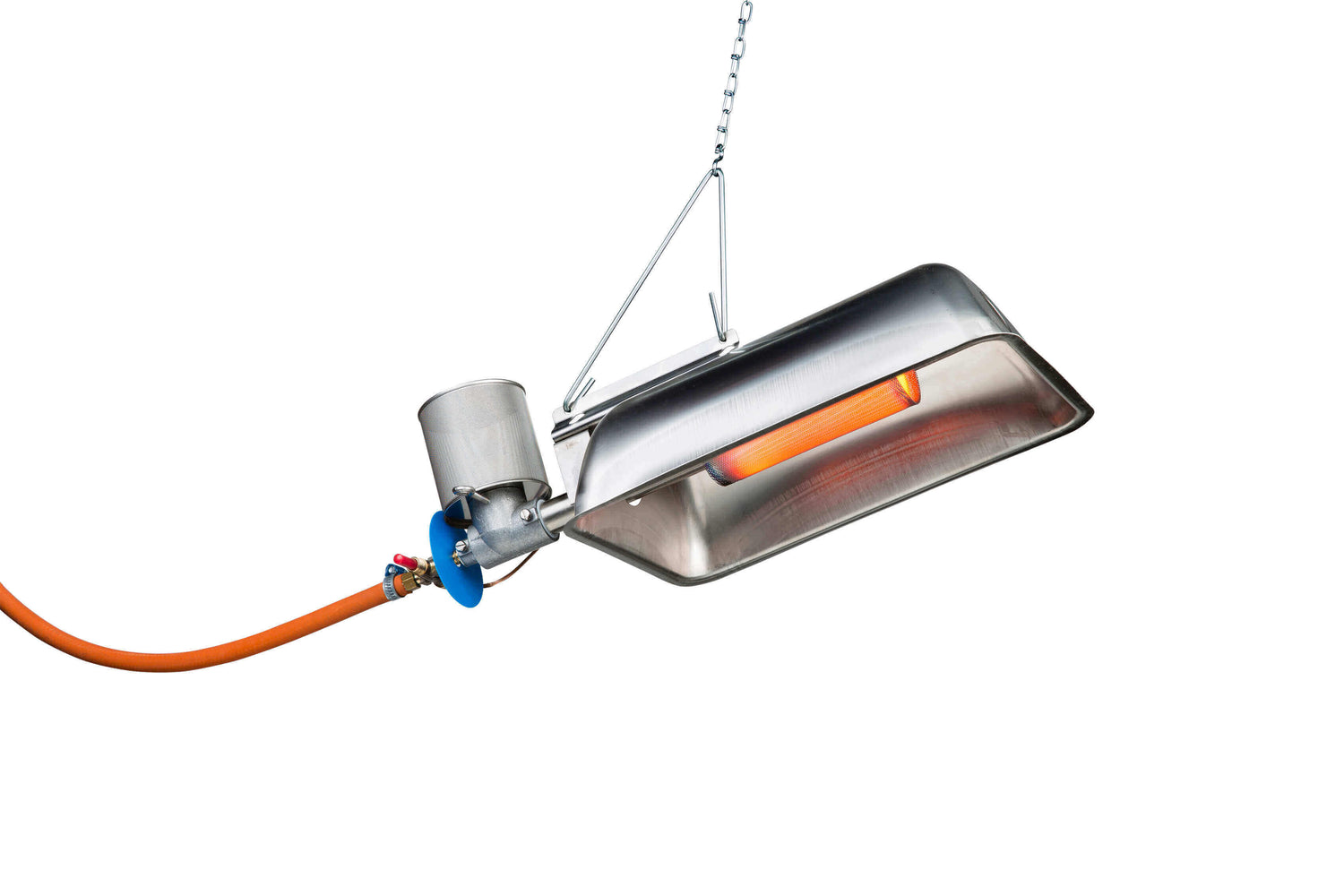 |
| Product Overview |
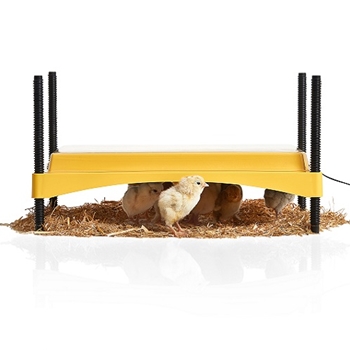
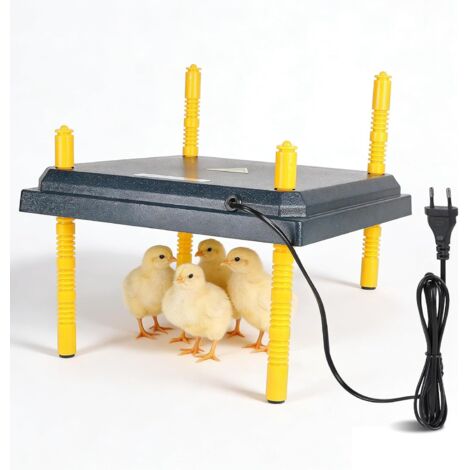
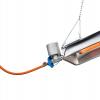
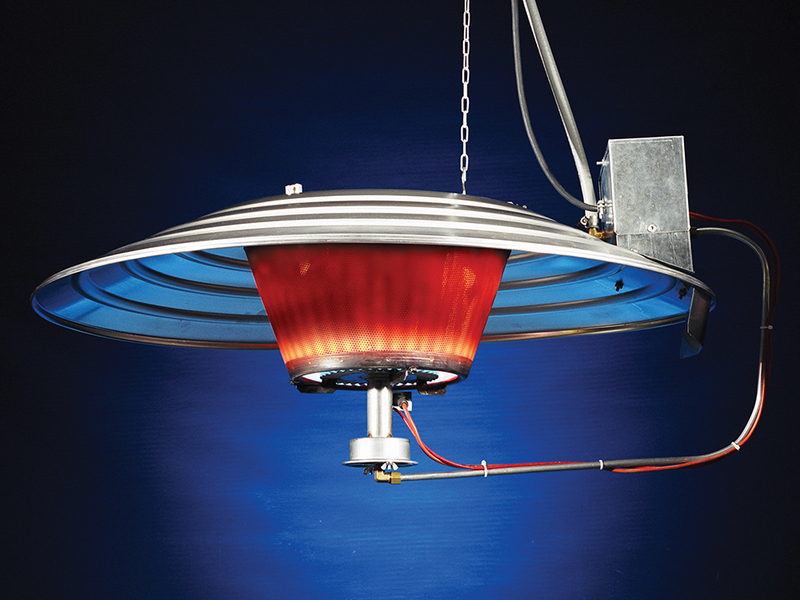
The Compact Infrared Gas Brooder is a suspended radiant heating solution developed for commercial poultry and livestock housing. It uses gas-fired infrared heat to create a defined warm zone at animal level, helping young animals access localized warmth during critical brooding and early rearing stages. The compact overhead configuration keeps the heating equipment above the working area, leaving floor space available for feeders, drinkers, pens and routine farm operations. The reflector directs radiant energy toward the occupied floor area instead of relying only on heating the entire building air volume. For poultry farms, the brooder can be integrated into chick and young-bird housing layouts. For suitable pig farm applications, it can be incorporated into piglet creep or nursery heating zones where localized radiant heat is required. Unit quantity, spacing and mounting position should be determined from the animal type, building layout and required temperature distribution. For international B2B projects, the heating system can be coordinated with gas distribution, environmental controls and the livestock ventilation system. This makes the product suitable for new pig farm construction, poultry house upgrades, steel structure building projects and integrated agricultural project solutions. |
| Key Features |
|
| Structural Components |
|
| Working Principle / Structural Principle |
Gas enters the burner through the specified supply and regulation system. After ignition, the emitter reaches its operating temperature and produces infrared radiant energy. The reflector then directs the radiant energy downward toward the floor and animal resting zone. Unlike a system designed primarily to heat the entire air volume, radiant heating concentrates warmth where young animals require it. The resulting temperature pattern depends on brooder position, mounting height, reflector design, unit spacing, building insulation and ventilation conditions. During operation, the brooder works together with the building's ventilation system. Adequate fresh-air supply is required for combustion and acceptable indoor air quality. Final installation and operating conditions should comply with applicable local gas, electrical, fire-safety and agricultural building requirements. |
| Technical Specifications |
|
| Applications |
|
| Customization Options |
|
| Installation & Maintenance |
Installation: Before installation, determine the animal type, brooding zones, building dimensions, insulation level, ventilation arrangement, gas supply and target floor-level heating conditions. The number and position of brooders should be established from the complete heating layout rather than by using a fixed unit-to-animal ratio. Each brooder should be securely suspended from an appropriate structural support. In a new steel structure building, suspension points should be considered during structural and MEP planning. Gas piping, regulators, shut-off devices, ignition connections and control wiring should be installed by qualified personnel according to the selected equipment configuration and local regulations. Maintain the required clearance from litter, curtains, feeders, drinkers, cables and other combustible materials. After installation, check gas connections for leakage, verify ignition and shutdown functions, inspect flame-safety operation where fitted, and evaluate the temperature pattern at animal level before placing animals into the building. Maintenance: Inspect the reflector, emitter, burner, gas connections, suspension hardware and control components regularly. Remove dust, feathers and debris that may affect combustion or radiant output. Check burner openings and air passages for obstruction and confirm that all components remain securely positioned. Maintenance should preferably be completed between production cycles or when the housing area is safely empty. Shut off the gas supply and isolate electrical power where applicable before servicing. Gas-system repairs and safety-device work should be performed by qualified technicians. Keep maintenance records for commercial livestock operations and project management. |
| Project Cases |
Illustrative Poultry Farm Project — Southeast Asia: An agricultural engineering company plans a new broiler house with suspended radiant brooders arranged above designated brooding zones. The heating layout is coordinated with feeding lines, drinking systems, gas distribution and the livestock ventilation system. Brooder spacing and mounting positions are finalized after reviewing local climate and building conditions. Illustrative Pig Farm Project — Eastern Europe: A commercial pig producer upgrades selected farrowing and nursery areas with localized radiant heating. The project team reserves safe overhead mounting positions, reviews the gas supply arrangement and establishes a heating pattern suitable for piglet resting zones while maintaining the required ventilation rate. Illustrative Agricultural Engineering Project — Middle East: A project buyer integrates gas brooders into a new steel structure building for poultry production. Equipment quantities, fuel configuration, suspension points and control requirements are coordinated during the engineering stage to simplify installation and future farm operation. |
| Product FAQ |
|
| Product Gallery | 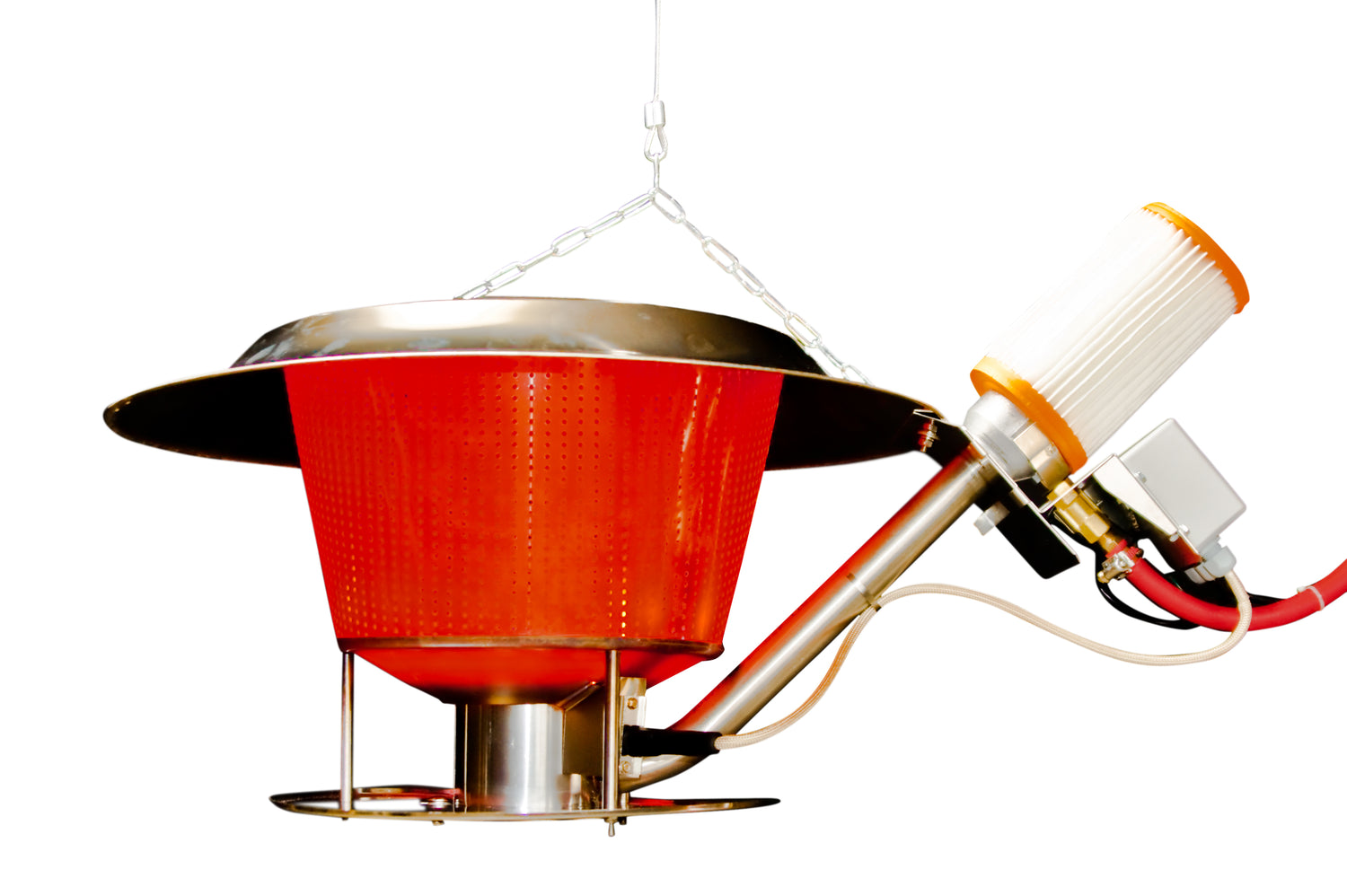 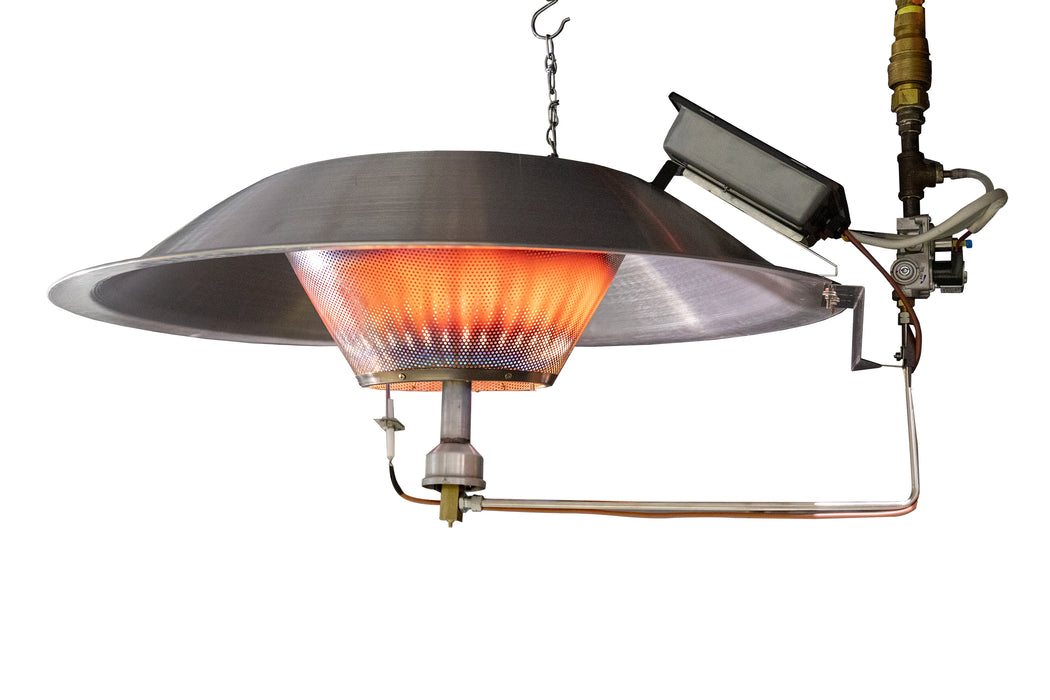 |
- Home
-
Products
- Pig Farming Equipment
- Cattle Farming Equipment
- Sheep & Goat Farming Equipment
- Poultry Farming Equipment
- Feeding & Drinking Systems
- Veterinary & Breeding Equipment
- Testing & Diagnostic Equipment
- Cleaning & Biosecurity Equipment
- Climate Control Equipment
- Livestock Weighing Equipment
- Manure & Waste Management
- Farm Transport & Handling
-
Solutions
- Pig Farm Solutions
- Dairy Farm Solutions
- Beef Cattle Farm Solutions
- Sheep & Goat Farm Solutions
- Layer Farm Solutions
- Broiler Farm Solutions
- Feeding & Drinking System Solutions
- Climate Control Solutions
- Biosecurity & Disinfection Solutions
- Manure & Waste Management
- Smart Farming Solutions
- Farm Renovation and Upgrade Solutions
- Partners
- Projects
- Resources
- News
- About Us
- Contact

Comments & Inquiries
Leave your questions or requirements below. We will reply as soon as possible.