
| Product Name | Swine Barn Electric Heater |
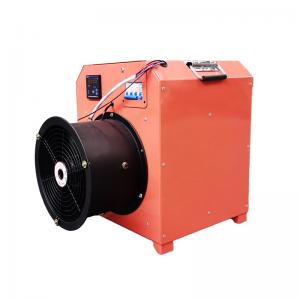
| Product Image | 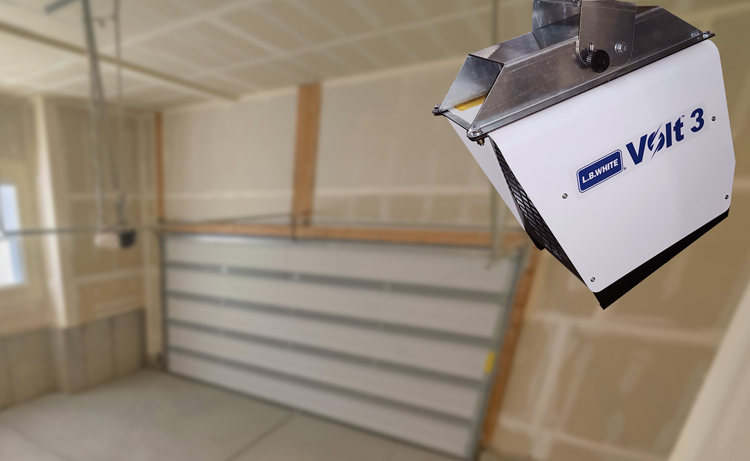 |
| Product Overview |
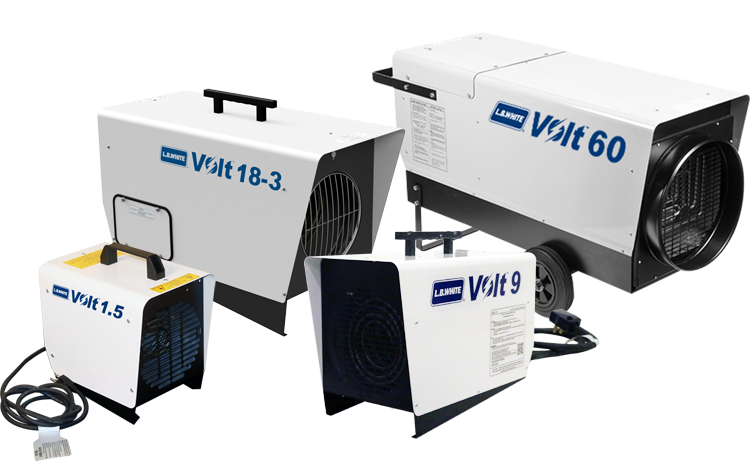
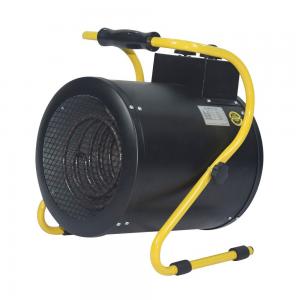
The Swine Barn Electric Heater is designed to provide clean and convenient heating for modern pig production facilities. Using electric heating elements and fan-assisted airflow, the unit distributes warm air into the designated area without gas combustion or fuel storage requirements. The heater is suitable for swine production environments including nursery rooms, piglet areas, service rooms and other agricultural buildings where electrical heating is preferred. Heating capacity and installation arrangement should be selected according to room size, insulation condition, ventilation design and local climate. For commercial pig farms, electric heaters can be integrated with livestock equipment systems and environmental management plans. They can support temperature control during colder periods while allowing the farm to maintain its required ventilation strategy. The final configuration can be designed according to project requirements, including electrical supply, mounting method, control options and heating zones. |
| Key Features |
|
| Structural Components |
|
| Working Principle / Structural Principle |
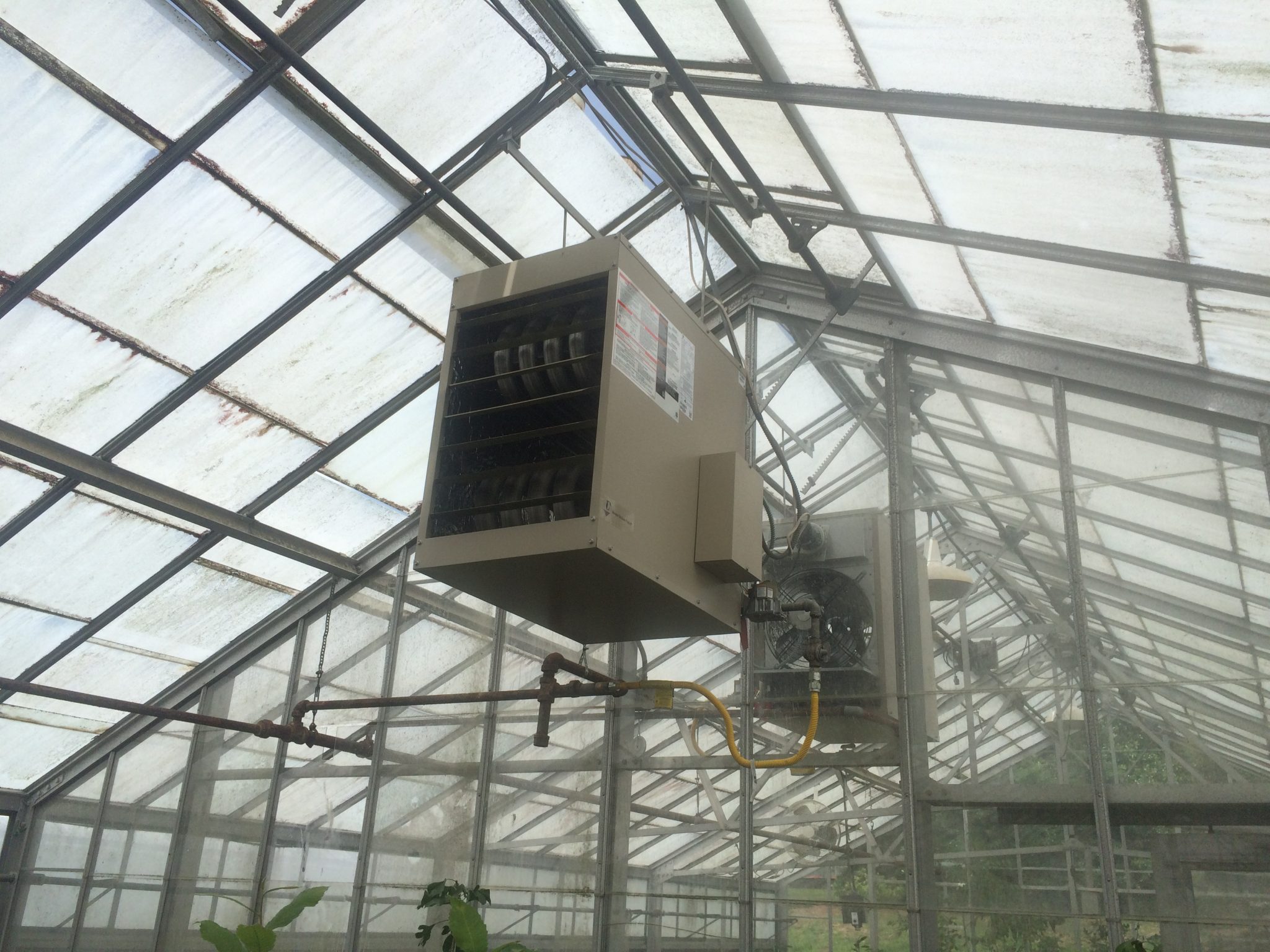
The electric heating elements generate heat when powered. The fan draws room air through the heater, passes it across the heated components and distributes warm air into the pig barn. The airflow direction and heater location affect temperature distribution. Proper positioning helps deliver heat to pig areas while avoiding unnecessary air movement directly onto animals. The heater works together with the barn ventilation system. Even during cold conditions, sufficient fresh air exchange is required to maintain suitable air quality and humidity control. |
| Technical Specifications |
|
| Applications | |
| Customization Options |
|
| Installation & Maintenance |
Installation: Before installation, evaluate the pig room size, insulation condition, electrical capacity and ventilation requirements. Place the heater where airflow can circulate effectively and where the unit can be safely accessed for inspection. Electrical wiring, grounding and protection devices should be installed according to local electrical regulations. For installation in a steel structure building, confirm the mounting position, support strength and service clearance. The heater should be positioned away from excessive moisture, direct water spray and areas where animals or equipment may damage the unit. Maintenance: Regularly inspect the fan, heating elements, electrical connections, air grille and temperature controls. Remove dust, feathers and debris from airflow passages. Always disconnect electrical power before maintenance and follow the selected model’s service instructions. |
| Project Cases |
Illustrative nursery project: A commercial pig farm installs electric forced air heaters in nursery rooms where stable temperature management is required after weaning. Heater quantity and placement are determined according to room dimensions and ventilation conditions. Illustrative agricultural building project: An engineering company selects electric heaters for a livestock service building where gas supply is unavailable. The project includes electrical planning, mounting arrangement and temperature control integration. |
| Product FAQ |
1. Why choose an electric heater for a swine barn? 2. Can it be used in piglet nursery rooms? 3. Does it produce combustion gases? 4. Does the barn still need ventilation? 5. Can it connect to a thermostat? 6. Can it be installed in existing pig houses? 7. What information is required for quotation? 8. Can multiple heaters work together? |
| Product Gallery |   |
- Home
-
Products
- Pig Farming Equipment
- Cattle Farming Equipment
- Sheep & Goat Farming Equipment
- Poultry Farming Equipment
- Feeding & Drinking Systems
- Veterinary & Breeding Equipment
- Testing & Diagnostic Equipment
- Cleaning & Biosecurity Equipment
- Climate Control Equipment
- Livestock Weighing Equipment
- Manure & Waste Management
- Farm Transport & Handling
-
Solutions
- Pig Farm Solutions
- Dairy Farm Solutions
- Beef Cattle Farm Solutions
- Sheep & Goat Farm Solutions
- Layer Farm Solutions
- Broiler Farm Solutions
- Feeding & Drinking System Solutions
- Climate Control Solutions
- Biosecurity & Disinfection Solutions
- Manure & Waste Management
- Smart Farming Solutions
- Farm Renovation and Upgrade Solutions
- Partners
- Projects
- Resources
- News
- About Us
- Contact

Comments & Inquiries
Leave your questions or requirements below. We will reply as soon as possible.