


| Product Name | Dual-Silo Chain Disc Feed System | ||||||||||||||||||||||||||||
| Product Image | 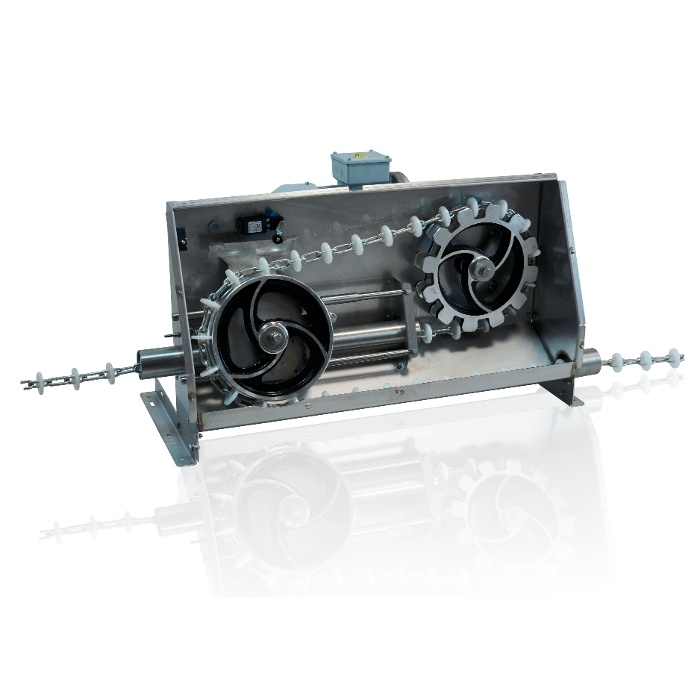 |
||||||||||||||||||||||||||||
| Product Overview |
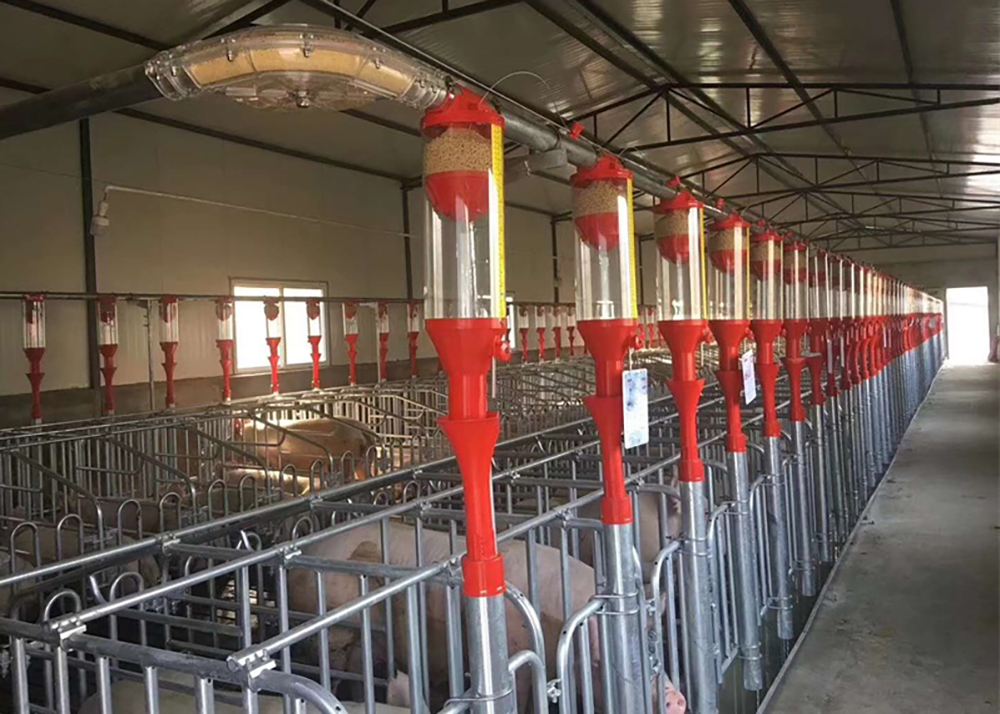
The Dual-Silo Chain Disc Feed System is an automated dry-feed conveying solution designed for commercial pig farms that require two feed storage sources connected to a flexible distribution network. The system uses a motor-driven chain fitted with carrier discs to move dry feed through an enclosed pipe circuit from the silo discharge area to dispensers, feeding stations or automatic feeders inside livestock buildings. It is suitable for mash, crumbles and pellets according to the selected system configuration. A dual-silo arrangement provides greater flexibility for farms that store different feed formulations, operate separate production stages or require additional storage capacity. Depending on the project design, the two silos can supply selected feed circuits or be managed through controlled feed-source selection. The system can be integrated into new pig farm construction, existing barn modernization and complete steel structure building projects, with pipe routing, silo connection, drive capacity, discharge points and automation functions configured according to the farm layout. |
||||||||||||||||||||||||||||
| Key Features |
|
||||||||||||||||||||||||||||
| Structural Components |
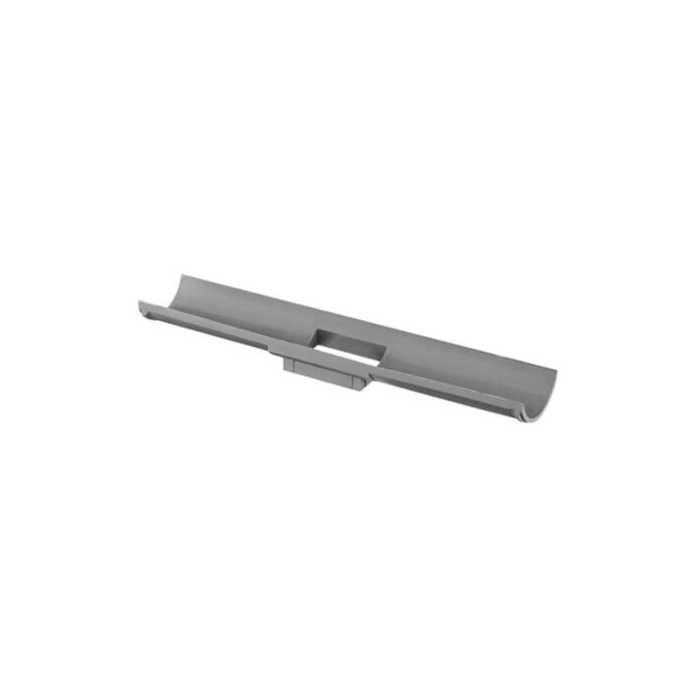
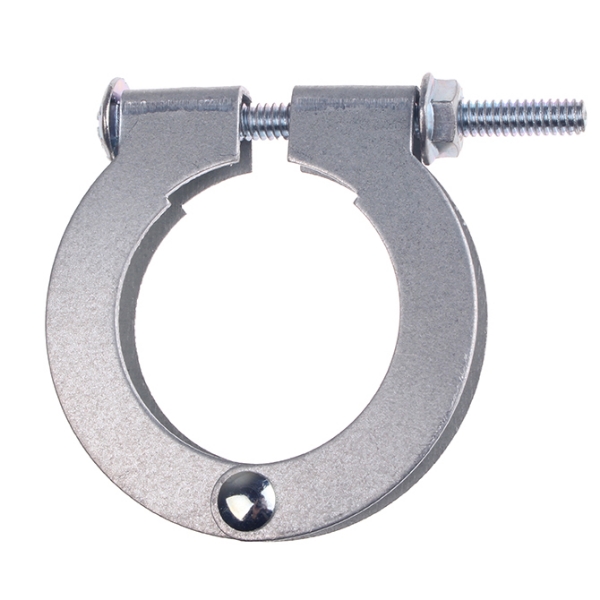
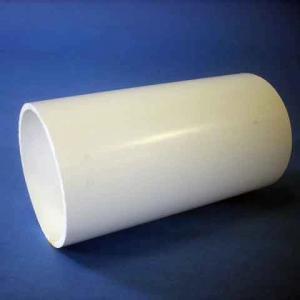
|
||||||||||||||||||||||||||||
| Working Principle |
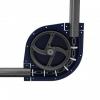
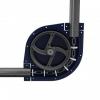
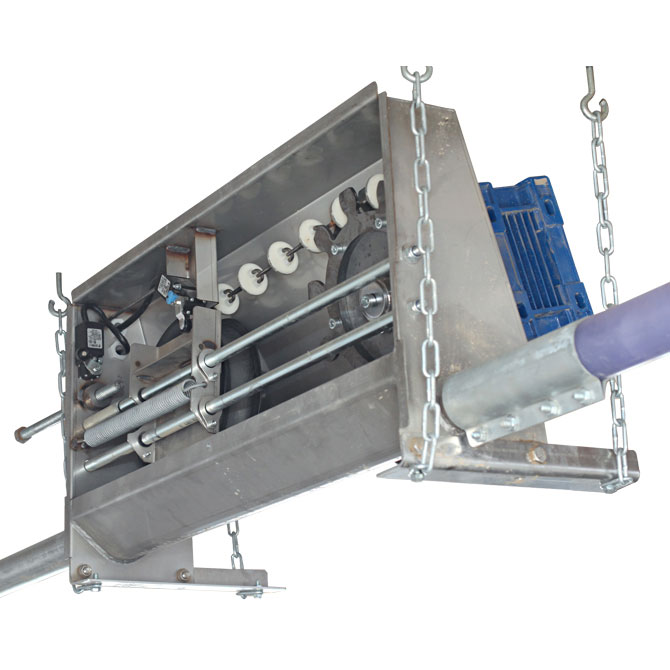
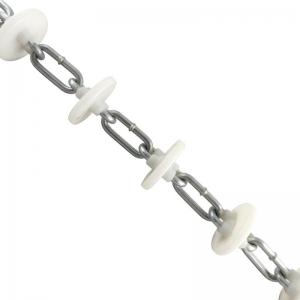
Feed stored in either silo is released through the designated silo discharge and introduced into the chain-disc conveying circuit. Feed-source selection can be manual or automatic according to the valve, intake and controller configuration. The drive unit pulls an endless chain through the enclosed conveying pipe. Polymer carrier discs mounted along the chain capture and move the feed through straight pipe sections and around corners toward the required feeding locations. At each programmed or open discharge point, feed enters a volumetric dispenser, intermediate hopper or automatic feeder. Feed that is not discharged continues through the circuit until reaching another available outlet or returning through the closed-loop system. Level sensors, proximity switches and compatible controllers can automatically stop the conveying system when the required filling condition has been reached, reducing unnecessary running time and simplifying daily feed management. |
||||||||||||||||||||||||||||
| Technical Specifications |
|
||||||||||||||||||||||||||||
| Applications |
|
||||||||||||||||||||||||||||
| Customization Options |
|
||||||||||||||||||||||||||||
| Installation & Maintenance |
Project Layout: Determine silo locations, livestock house layout, feed requirements, circuit length, elevation changes, corner quantity and discharge-point positions before installation. Silo Connection: Both silo outlets should be securely connected to the designated intake assemblies. Suitable shut-off or selection components should be installed according to the required feed management strategy. Pipe Installation: Conveying pipes should be properly aligned and securely supported from the livestock house steel structure or dedicated brackets. Excessive pipe deflection should be avoided. Corner Installation: Corners should be installed in accordance with the designed chain route to ensure smooth chain movement and minimize unnecessary resistance. Drive & Tensioning: Correct chain tension is essential for stable operation. Drive wheels, tensioning assemblies and safety switches should be checked during commissioning. Control Commissioning: Verify silo selection, sensor logic, feed outlet operation, motor rotation and automatic stop conditions before normal production begins. Routine Maintenance: Regularly inspect chain tension, carrier discs, drive wheels, corner wheels, pipe joints, outlet gates, sensors and electrical components. Feed accumulation or foreign material should be removed according to the maintenance schedule. |
||||||||||||||||||||||||||||
| Project Applications |
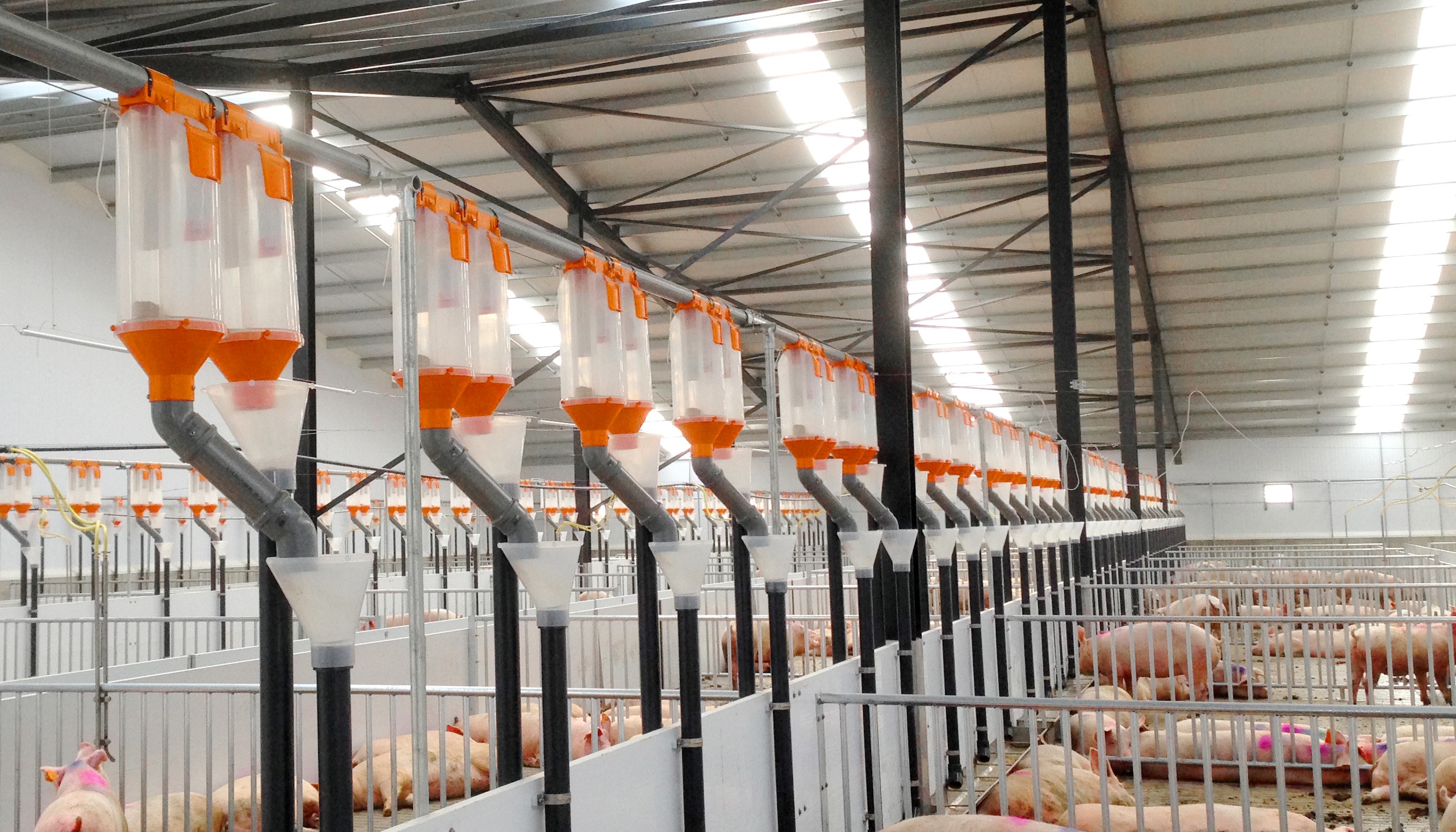
A typical dual-silo project may use separate silos for different feed formulations or production stages. The selected silo supplies an enclosed chain-disc circuit that distributes feed to multiple dispensers or feeders throughout one or more livestock houses. For larger pig production complexes, separate circuits can be arranged for sow, nursery and finishing areas. Pipe routing can follow the steel structure building layout and pass around structural obstacles through suitable corner assemblies. Final system engineering is determined by farm capacity, daily feed demand, silo location, feeding strategy, number of barns and required automation level. |
||||||||||||||||||||||||||||
| Product FAQ |
Q: Why use two feed silos with one chain disc feeding project? A: Two silos can provide additional feed storage or allow a farm to store different feed formulations for different animal groups or production stages. The final operating method depends on the feed-source selection and circuit design. Q: Can the system automatically select between two silos? A: Yes. Automatic feed-source selection can be designed using compatible discharge equipment, sensors and control components according to project requirements. Q: What types of feed can the system transport? A: Properly configured chain-disc systems can transport common dry livestock feeds including meal, crumbles and pellets. Q: Is the system suitable for complicated pig house layouts? A: Yes. One major advantage of chain-disc conveying is its ability to follow long and complex circuits with multiple horizontal or vertical direction changes when correctly engineered. Q: Can the chain disc line feed several barns? A: Multi-barn distribution can be designed where conveying distance, drive capacity, corner quantity and feed demand remain within the engineering limits of the selected system. Q: Can it be installed in an existing pig farm? A: Yes. Chain-disc systems are suitable for many renovation projects because the pipe circuit can be configured around existing livestock equipment and building structures. Q: Can feed dispensers be connected directly to the line? A: Yes. Compatible volumetric dispensers, intermediate hoppers, drop pipes and automatic feeders can be connected according to the feeding strategy. Q: What information is required for a quotation? A: Please provide the number and capacity of silos, feed types, livestock house drawings, building dimensions, number of feeding points, approximate conveying distance, required feed capacity and preferred control functions. |
||||||||||||||||||||||||||||
| Product Gallery |
|
- Home
-
Products
- Pig Farming Equipment
- Cattle Farming Equipment
- Sheep & Goat Farming Equipment
- Poultry Farming Equipment
- Feeding & Drinking Systems
- Veterinary & Breeding Equipment
- Testing & Diagnostic Equipment
- Cleaning & Biosecurity Equipment
- Climate Control Equipment
- Livestock Weighing Equipment
- Manure & Waste Management
- Farm Transport & Handling
-
Solutions
- Pig Farm Solutions
- Dairy Farm Solutions
- Beef Cattle Farm Solutions
- Sheep & Goat Farm Solutions
- Layer Farm Solutions
- Broiler Farm Solutions
- Feeding & Drinking System Solutions
- Climate Control Solutions
- Biosecurity & Disinfection Solutions
- Manure & Waste Management
- Smart Farming Solutions
- Farm Renovation and Upgrade Solutions
- Partners
- Projects
- Resources
- News
- About Us
- Contact


Comments & Inquiries
Leave your questions or requirements below. We will reply as soon as possible.