


| Product Name | Smart Chain Disc Feeding System | ||||||||||||||||||||||||||||
| Product Image |  |
||||||||||||||||||||||||||||
| Product Overview |
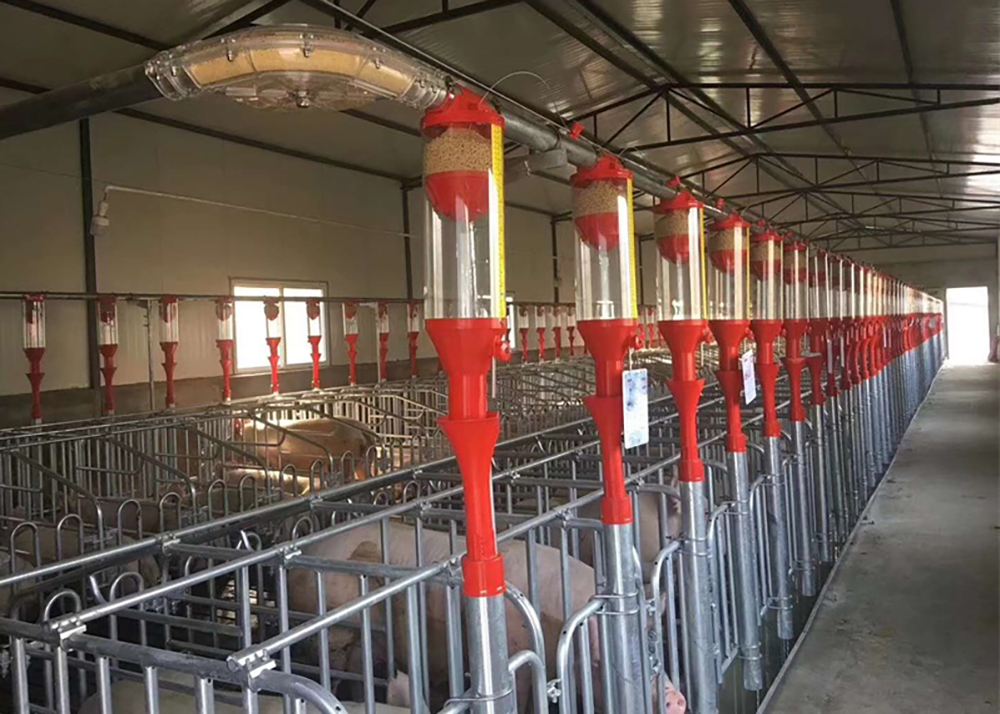
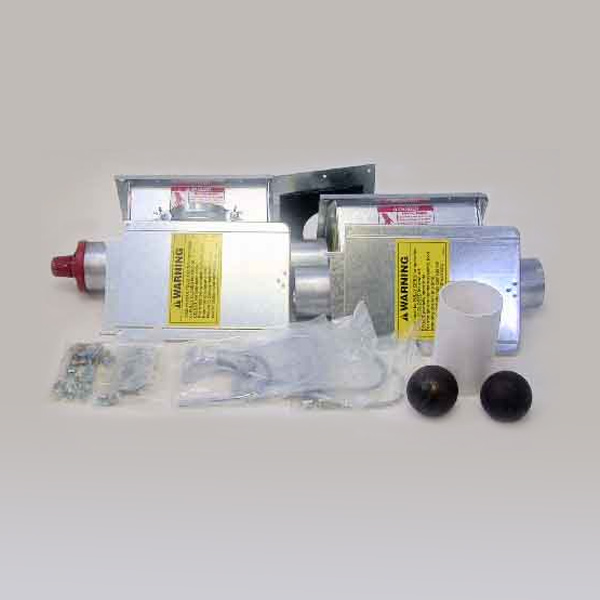
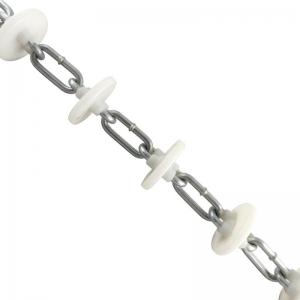
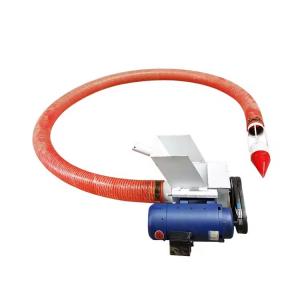
The Smart Chain Disc Feeding System is an automated dry-feed conveying solution designed for commercial pig farms, breeding farms and integrated livestock production facilities. A continuous chain fitted with conveying discs travels inside a closed pipe circuit, transporting feed from a silo or feed hopper to volumetric dispensers, feeders or other designated feeding points. Compared with simple straight-line conveyors, the chain disc principle is particularly suitable for pig houses requiring long routes, multiple corners, several feeding zones or circuit-type layouts. Properly designed corner units guide the chain through changes in direction while maintaining smooth feed movement throughout the system. The smart configuration can incorporate feed level sensors, automatic start-stop control, programmable feeding schedules, motor overload protection and connection with compatible farm management equipment. This makes the system suitable for new pig farm construction, livestock equipment modernization and steel structure building projects where centralized automatic feed distribution is required. |
||||||||||||||||||||||||||||
| Key Features |
|
||||||||||||||||||||||||||||
| Structural Components |
|
||||||||||||||||||||||||||||
| Working Principle |
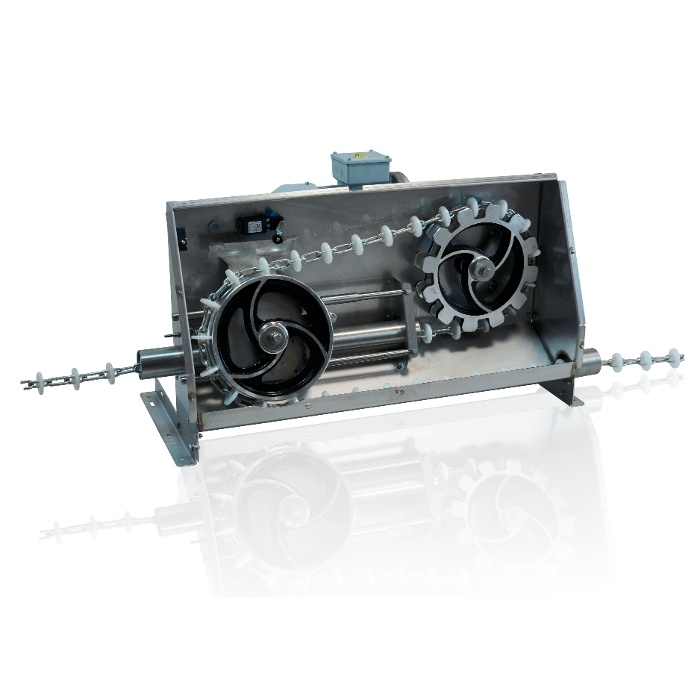
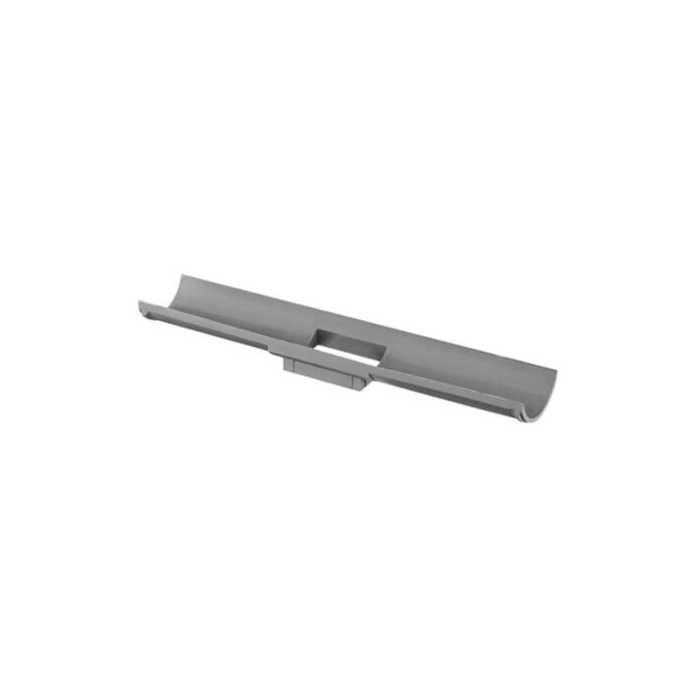
Feed enters the closed conveying circuit through an intake hopper or silo outlet. The drive unit pulls a continuous chain fitted with evenly spaced discs through the transport pipe. As the discs move through the pipe, feed is carried between successive discs and transported around the complete circuit. Corner wheel assemblies guide the chain through changes in direction, allowing one line to serve multiple rows, pens or feeding areas. Feed outlets positioned above dispensers or feeders allow material to discharge at selected locations. Depending on the feeding strategy, the system can fill volumetric dispensers, feed stations or ad-lib feeders before the next feeding cycle. A level or return sensor can signal the controller when the circuit or downstream equipment has reached the required filling condition. The controller then stops the drive automatically. Programmable timing, motor protection and compatible farm control interfaces can be added for more advanced automation. |
||||||||||||||||||||||||||||
| Technical Specifications |
|
||||||||||||||||||||||||||||
| Applications |
|
||||||||||||||||||||||||||||
| Customization Options |
|
||||||||||||||||||||||||||||
| Smart Control Functions |
|
||||||||||||||||||||||||||||
| Installation & Maintenance |
System Layout: Plan the complete feed route according to silo position, barn dimensions, pen arrangement, number of feeding points and required transport capacity. Excessive unnecessary corners should be avoided where possible. Drive Unit Installation: Install the drive assembly on a rigid, level support structure with sufficient service clearance for inspection and maintenance. Corner Installation: Corner wheels should be correctly aligned with the incoming and outgoing pipes to reduce chain resistance and uneven wear. Pipe Support: Horizontal and vertical feed pipes should be securely supported by the pig house or steel structure framework according to the installation design. Chain Adjustment: Correct chain tension should be established during commissioning and checked periodically during service. Sensor Commissioning: Level sensors, limit switches and overload protection should be tested before automatic operation begins. Routine Maintenance: Regularly inspect the chain, discs, drive wheel, corner wheels, bearings, feed intake, sensors and electrical connections. Remove accumulated feed and replace worn components before they affect conveying performance. |
||||||||||||||||||||||||||||
| Project Applications |
For a commercial sow farm, one chain disc circuit can be planned to distribute feed from a central feed source to volumetric dispensers installed above individual farrowing or gestation pens. Sensors can stop the conveying cycle after the dispensers have been filled. In larger pig production complexes, several independent circuits can serve different livestock houses or production zones. Feed silos, chain disc conveyors, dispensers, feeders and control equipment can be coordinated as one integrated livestock feeding system. For retrofit projects, system routing can be designed around existing buildings, pen layouts and structural columns, making chain-disc technology particularly useful where multiple directional changes are required. |
||||||||||||||||||||||||||||
| Product FAQ |
Q: What is the main difference between a chain disc system and an auger feed line? A: A chain disc system uses a continuous chain with conveying discs inside a closed pipe circuit. It is especially suitable for routes requiring multiple corners and complex barn layouts. Auger systems are commonly selected for simpler feed transport routes. Q: Can the system handle both meal and pellet feed? A: Yes. Suitable chain disc systems can transport common meal and pellet feeds. Feed characteristics should be confirmed during system design because bulk density, particle size and flow characteristics affect conveying performance. Q: Can one system supply many pig pens? A: Yes. Feed outlets or volumetric dispensers can be arranged along the conveying circuit according to the number and position of pens. Q: Can the feeding line turn around corners? A: Yes. Corner wheel assemblies allow horizontal and vertical directional changes. The allowable number of corners depends on chain specification, drive capacity, circuit length and project design. Q: How does the smart system know when to stop? A: A feed level or return sensor can detect when the required filling condition has been reached and send a stop signal to the controller. Timer-based and other automatic control strategies are also available. Q: Does the system include motor overload protection? A: Compatible smart control panels can monitor motor operating conditions and stop feed transport when abnormal load is detected. Q: Can it be installed in an existing pig house? A: Yes. Retrofit installation is possible where sufficient structural support, equipment clearance and suitable routing are available. Q: What information is required for quotation? A: Please provide farm layout drawings, silo position, livestock house dimensions, number of pens, feeding points, feed type, required capacity, preferred pipe route, number of circuits, power supply and required smart control functions. |
||||||||||||||||||||||||||||
| Product Gallery |
|
- Home
-
Products
- Pig Farming Equipment
- Cattle Farming Equipment
- Sheep & Goat Farming Equipment
- Poultry Farming Equipment
- Feeding & Drinking Systems
- Veterinary & Breeding Equipment
- Testing & Diagnostic Equipment
- Cleaning & Biosecurity Equipment
- Climate Control Equipment
- Livestock Weighing Equipment
- Manure & Waste Management
- Farm Transport & Handling
-
Solutions
- Pig Farm Solutions
- Dairy Farm Solutions
- Beef Cattle Farm Solutions
- Sheep & Goat Farm Solutions
- Layer Farm Solutions
- Broiler Farm Solutions
- Feeding & Drinking System Solutions
- Climate Control Solutions
- Biosecurity & Disinfection Solutions
- Manure & Waste Management
- Smart Farming Solutions
- Farm Renovation and Upgrade Solutions
- Partners
- Projects
- Resources
- News
- About Us
- Contact

Comments & Inquiries
Leave your questions or requirements below. We will reply as soon as possible.