


| Product Name | Pig Farm Chain Disc Feeding System | ||||||||||||||||||||||||||||||||
| Product Image | 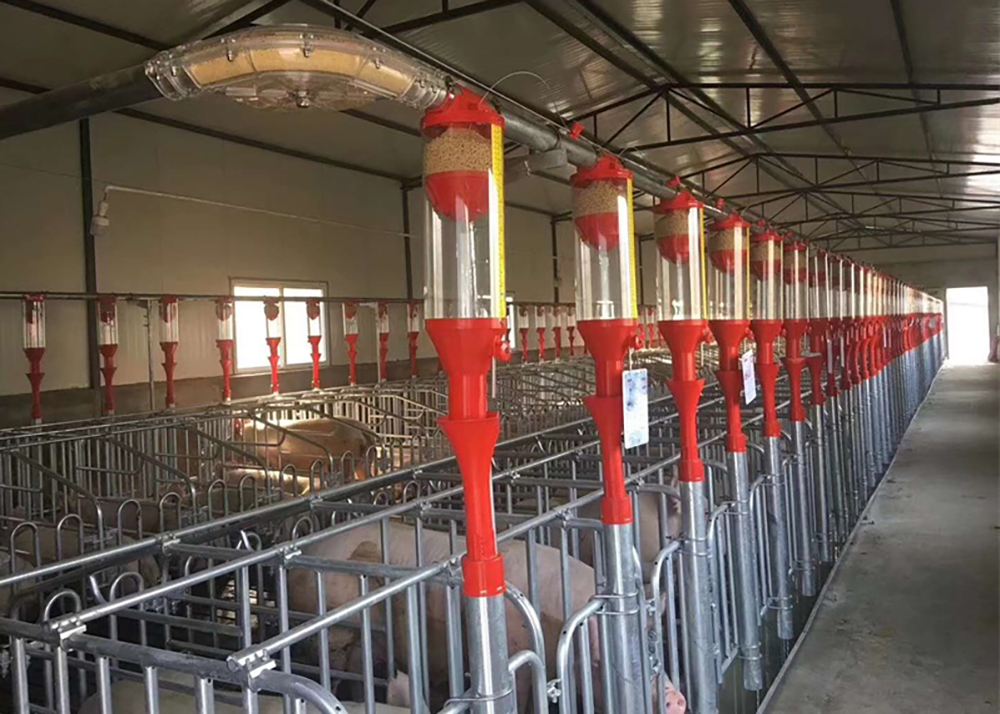 |
||||||||||||||||||||||||||||||||
| Product Overview |
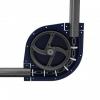
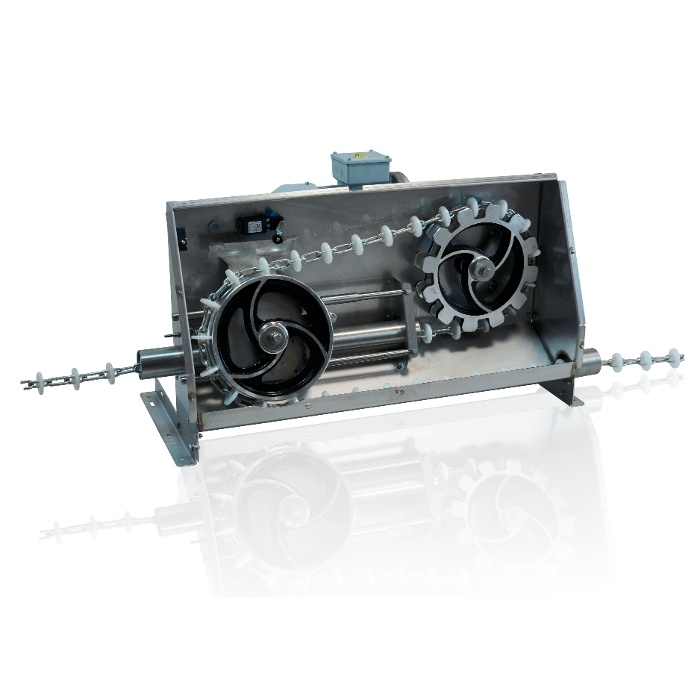
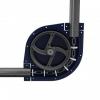
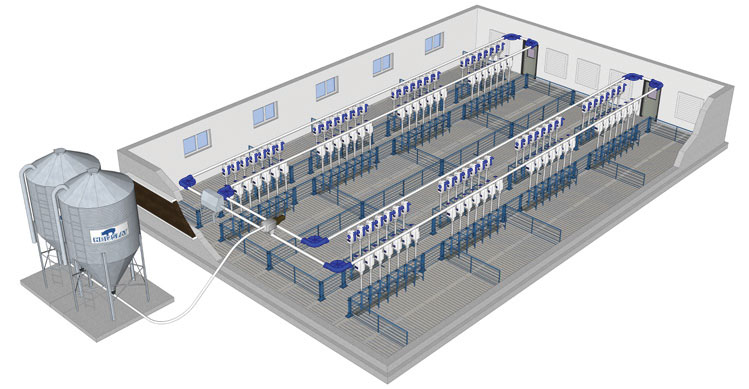
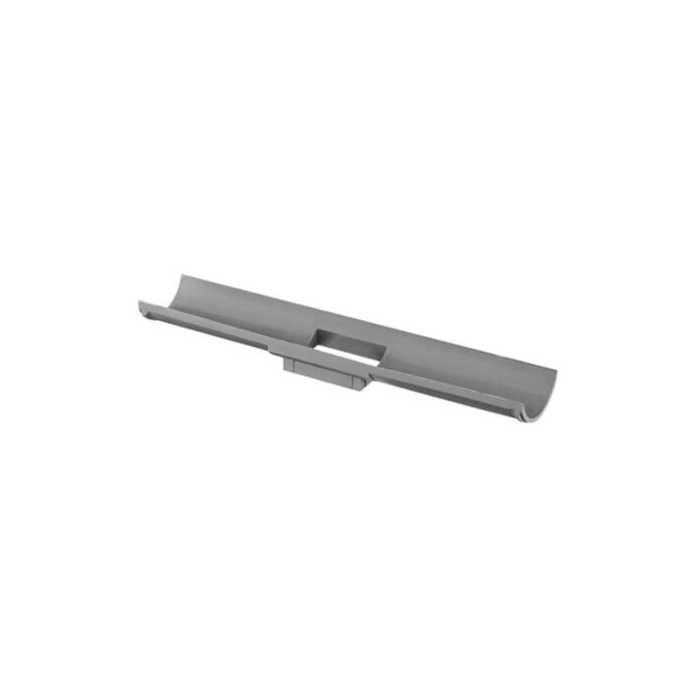
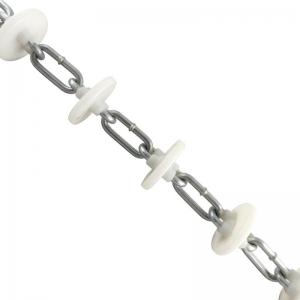
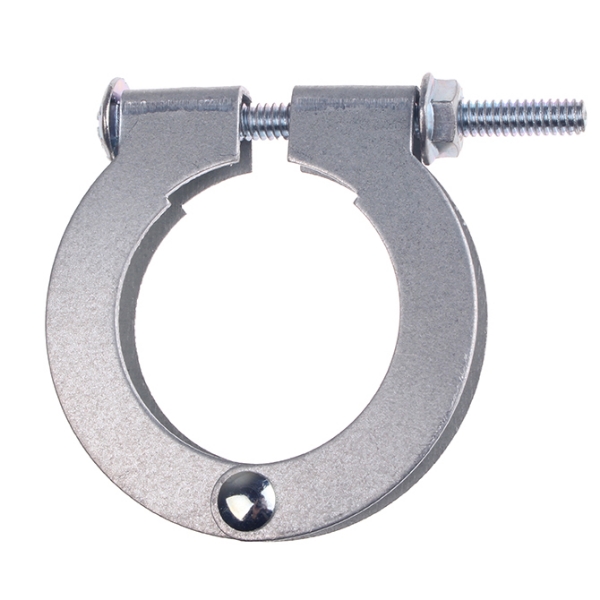
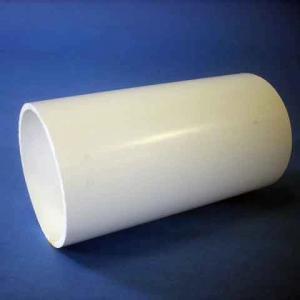
The Pig Farm Chain Disc Feeding System is an enclosed automatic feed transport solution designed for commercial sow farms, farrowing houses, gestation facilities, nursery barns and growing-finishing pig houses. It uses a continuous steel chain fitted with feed-carrying discs to move dry feed through a closed pipe circuit from the feed storage area to multiple feeding points. Compared with simple straight-line conveying systems, chain disc technology is particularly suitable for pig houses requiring long circulation routes, numerous corners and multiple feed drops. Corner wheel assemblies guide the chain smoothly through changes in direction, allowing the feed circuit to follow complex barn layouts. The system can connect feed silos, intake hoppers, sow dispensers, feeding stations, hoppers and other livestock feeding equipment. Pipe material, circuit length, drive configuration, feed outlets and automation functions can be customized according to pig farm construction drawings and production requirements. |
||||||||||||||||||||||||||||||||
| Key Features |
|
||||||||||||||||||||||||||||||||
| Structural Components |
|
||||||||||||||||||||||||||||||||
| Working Principle |
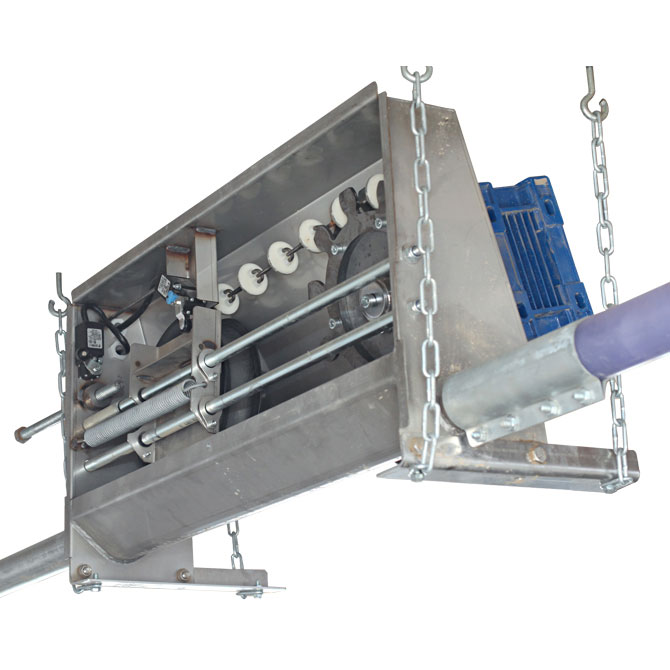
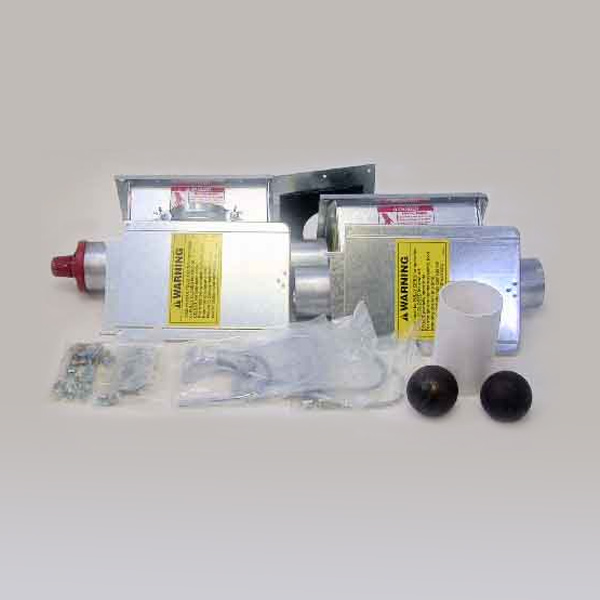
Feed enters the closed conveying circuit through an intake unit connected to a storage silo, feed hopper or upstream conveying system. The electric drive unit pulls a continuous chain through the pipeline. Polymer discs fixed along the moving chain push and carry feed through the pipe. At changes of direction, enclosed corner wheels guide the chain and maintain smooth movement around the circuit. As the feed passes designated feeding points, manual or automatic outlets discharge material into sow dispensers, feed hoppers or other feeding equipment. Feed that is not discharged continues around the circuit. Level sensors or control signals can start and stop the transport system according to feed demand. Proper adjustment of feed intake prevents excessive circuit filling and helps reduce unnecessary resistance, wear and overload. |
||||||||||||||||||||||||||||||||
| Technical Specifications |
|
||||||||||||||||||||||||||||||||
| Applications |
|
||||||||||||||||||||||||||||||||
| Customization Options |
|
||||||||||||||||||||||||||||||||
| Installation & Maintenance |
System Layout: Confirm silo location, barn dimensions, feed route, number of feeding points, required capacity and corner quantity before system design. The circuit should use smooth routing and avoid unnecessary direction changes. Pipe Installation: Feed transport tubes should be properly aligned and securely supported from the livestock building structure. Suspension spacing and structural attachment should follow the selected system design. Corner Wheel Installation: Each corner assembly should be positioned accurately so the chain enters and exits without excessive side loading or torsion. Drive and Tensioning: The drive unit should be installed where routine service is convenient. Correct chain tension should be established before commissioning. Feed Intake Adjustment: Feed entering the circuit should be regulated according to feed type and conveying conditions. Excessive filling can increase resistance, accelerate component wear and cause overload. Electrical Commissioning: Motors, overload protection, level sensors, safety switches and automatic outlets should be tested before production operation. Routine Maintenance: Periodically inspect the chain, discs, drive sprocket, tensioning mechanism, corner wheels, pipe joints, feed outlets and electrical controls. Replace worn components before they affect feed transport reliability. |
||||||||||||||||||||||||||||||||
| Project Applications |
In a typical commercial sow farm, feed is transferred from an outdoor silo into the chain disc circuit and transported through the farrowing or gestation house. Feed outlets positioned above individual dispensers supply each feeding point according to the farm feeding program. For complex pig house layouts, the circuit can pass through several rows or production areas using corner wheels to change direction. This makes chain disc transport particularly suitable where straight auger routes would be difficult to arrange. For larger livestock projects, multiple circuits can be planned according to animal numbers, feed types, building dimensions and daily feed demand. The final system should be engineered around the actual pig farm layout and required automation level. |
||||||||||||||||||||||||||||||||
| Product FAQ |
Q: What is the main advantage of a chain disc feeding system? A: Its closed-loop design can follow complex routes with multiple corners while supplying many feeding points from one circuit, making it particularly useful for commercial pig houses. Q: What is the difference between a chain disc system and a flexible auger? A: A chain disc system normally operates as a circuit returning to its starting area and is suitable for layouts with many corners and feeding points. A flexible auger is commonly used for more direct transport from one point to another. Q: Can the system handle both meal and pellet feed? A: Suitable chain disc configurations can transport common commercial meal and pellet pig feeds. Intake adjustment should be matched to the specific feed characteristics. Q: Can one system supply individual sow dispensers? A: Yes. Chain disc feed transport is commonly used in farrowing and gestation houses where multiple dispensers must be filled along a complex feed circuit. Q: Can the transport pipe be stainless steel? A: Yes. Stainless steel or galvanized steel pipe configurations can be supplied according to corrosion resistance requirements, farm environment and project budget. Q: Can the system operate automatically? A: Yes. Level sensors, timers, automatic outlets and compatible farm controllers can be used to automate feed transportation and distribution. Q: Can it be installed in an existing pig house? A: Retrofit installation is possible where adequate structural support, routing space, electrical supply and access for the drive and corner components are available. Q: What information is required for quotation? A: Please provide pig house dimensions, animal quantity, silo location, feed type, required transport capacity, approximate circuit length, number of corners, number of feed outlets, feeding equipment type, voltage, frequency and project drawings if available. |
||||||||||||||||||||||||||||||||
| Product Gallery |
|
- Home
-
Products
- Pig Farming Equipment
- Cattle Farming Equipment
- Sheep & Goat Farming Equipment
- Poultry Farming Equipment
- Feeding & Drinking Systems
- Veterinary & Breeding Equipment
- Testing & Diagnostic Equipment
- Cleaning & Biosecurity Equipment
- Climate Control Equipment
- Livestock Weighing Equipment
- Manure & Waste Management
- Farm Transport & Handling
-
Solutions
- Pig Farm Solutions
- Dairy Farm Solutions
- Beef Cattle Farm Solutions
- Sheep & Goat Farm Solutions
- Layer Farm Solutions
- Broiler Farm Solutions
- Feeding & Drinking System Solutions
- Climate Control Solutions
- Biosecurity & Disinfection Solutions
- Manure & Waste Management
- Smart Farming Solutions
- Farm Renovation and Upgrade Solutions
- Partners
- Projects
- Resources
- News
- About Us
- Contact

Comments & Inquiries
Leave your questions or requirements below. We will reply as soon as possible.