
| Product Name | Modular Livestock Air Scrubber System | ||||||||||||||||||||||||||||
| Product Image |  |
||||||||||||||||||||||||||||
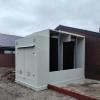
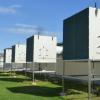
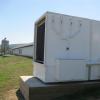
| Product Overview | The Modular Livestock Air Scrubber System is an exhaust air treatment solution designed for commercial pig farms, poultry houses and other mechanically ventilated livestock buildings. It is engineered to treat contaminated exhaust air before discharge to the outdoor environment, helping reduce ammonia, airborne dust and farm odor emissions. The system can combine exhaust-air collection, washing or scrubbing modules, droplet separation, chemical dosing, process-water management and automatic controls in a modular installation. Capacity can be increased by installing additional treatment modules according to livestock-house ventilation requirements. Its modular structure is suitable for both new livestock farm construction and renovation projects. The equipment can be installed beside the gable wall, along the side of the livestock building or connected to a centralized exhaust-air corridor according to project requirements. The system is especially suitable for large commercial pig and poultry farms where environmental emission control, scalable ventilation capacity and long-term operational reliability are important project requirements. |
||||||||||||||||||||||||||||
| Key Features |
|
||||||||||||||||||||||||||||
| Structural Components |
|
||||||||||||||||||||||||||||
| Working Principle | Exhaust fans collect contaminated air from the livestock house and direct it through the air treatment system. Inside the scrubber, the exhaust air passes through a washing or contact section where process water or a prepared treatment solution contacts the air stream. Dust particles can be captured by the wet treatment process, while soluble gaseous pollutants such as ammonia can be transferred from the exhaust air into the scrubbing liquid. Depending on system design, controlled chemical dosing can be used to improve ammonia capture. After the washing stage, a droplet separator reduces moisture carryover before the treated air is discharged to the outdoor environment. For projects requiring additional odor reduction, a biological treatment stage or other secondary air-treatment module can be installed downstream of the primary washing stage. |
||||||||||||||||||||||||||||
| Technical Specifications |
|
||||||||||||||||||||||||||||
| Applications |
|
||||||||||||||||||||||||||||
| Customization Options |
|
||||||||||||||||||||||||||||
| Installation & Maintenance | The air scrubber should be engineered together with the livestock-house ventilation system. Required exhaust airflow, pressure loss, duct dimensions, fan capacity, treatment-module quantity and discharge arrangement should be determined before installation. A stable concrete foundation or structural platform should be prepared according to the equipment layout. Suitable access should be provided for process-water connections, drainage, electrical supply, chemical handling and routine service. For new pig farm construction and steel structure livestock buildings, the exhaust corridor and scrubber connection can be incorporated during the building-design stage. Existing farms can also be upgraded where sufficient installation space and suitable exhaust-air routing are available. Routine maintenance includes checking treatment media, spray systems, process-water quality, chemical dosing components, sensors, fans, drainage and droplet separators. Deposits and accumulated dust should be removed according to the maintenance schedule. |
||||||||||||||||||||||||||||
| Project Cases | Modular livestock air scrubbers are suitable for projects where exhaust-air treatment capacity must be matched to different barn sizes and ventilation volumes. In commercial pig farm projects, exhaust air from one or more livestock compartments can be collected through a central pressure corridor and directed into the treatment modules before discharge. Additional modules can be installed for larger livestock buildings or future farm expansion. For poultry projects, prefabricated scrubber modules can be positioned beside the poultry house and connected to the mechanical ventilation system to reduce dust and ammonia emissions. Final system configuration should be based on animal type, stocking capacity, maximum ventilation rate, emission-control target, building layout and applicable local environmental requirements. |
||||||||||||||||||||||||||||
| Product FAQ | Q: What pollutants can the air scrubber reduce? A: Depending on treatment configuration, the system can reduce ammonia and airborne dust, while additional treatment stages can be used for odor reduction. Q: Is the system suitable for pig farms? A: Yes. Modular exhaust-air scrubbers are particularly suitable for mechanically ventilated commercial pig houses and breeding farms. Q: Can the system also be used for poultry houses? A: Yes. Airflow capacity and module quantity can be engineered according to poultry-house ventilation requirements. Q: Can treatment capacity be expanded later? A: Modular designs can be configured to support additional treatment capacity, subject to available space, ventilation design and project engineering. Q: Can odor treatment be added? A: Yes. Biological or other secondary odor-treatment stages are available according to project requirements. Q: Is automatic operation available? A: Yes. Process-water management, dosing, monitoring and other functions can be automated according to the selected configuration. Q: Can the equipment be installed on an existing livestock farm? A: Yes. Retrofit installation is possible where suitable exhaust-air routing, structural space, utilities and maintenance access are available. Q: What information is required for system selection? A: Animal type, livestock capacity, building dimensions, maximum ventilation airflow, exhaust layout and required emission-control targets are normally required for project design. |
||||||||||||||||||||||||||||
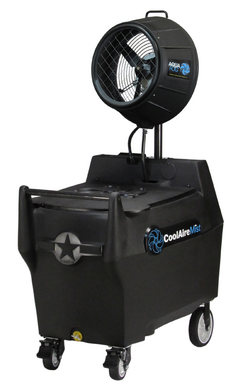
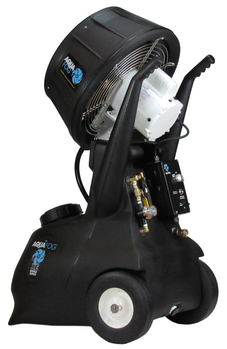
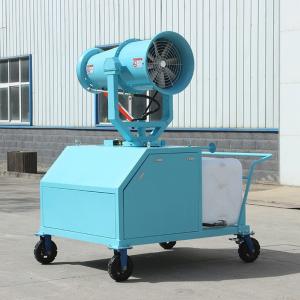
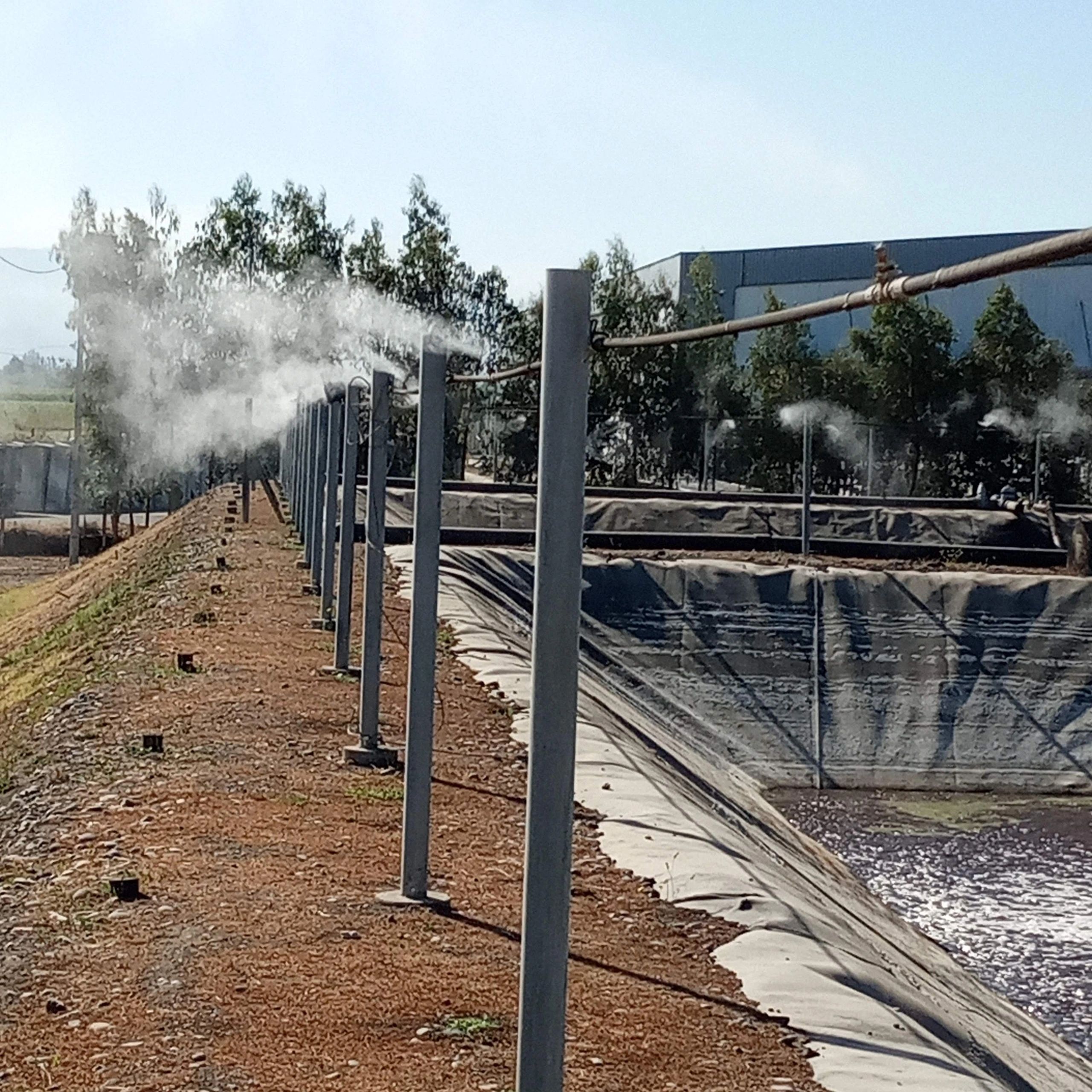
| Product Gallery |  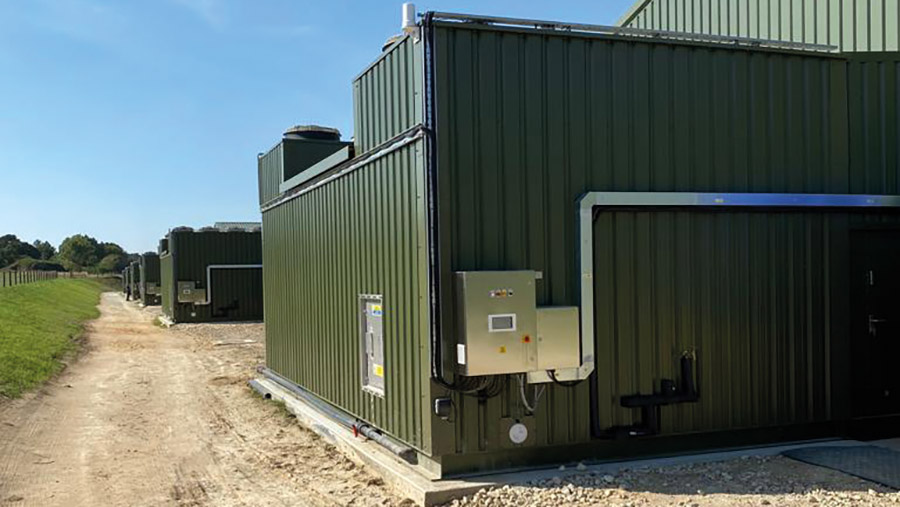 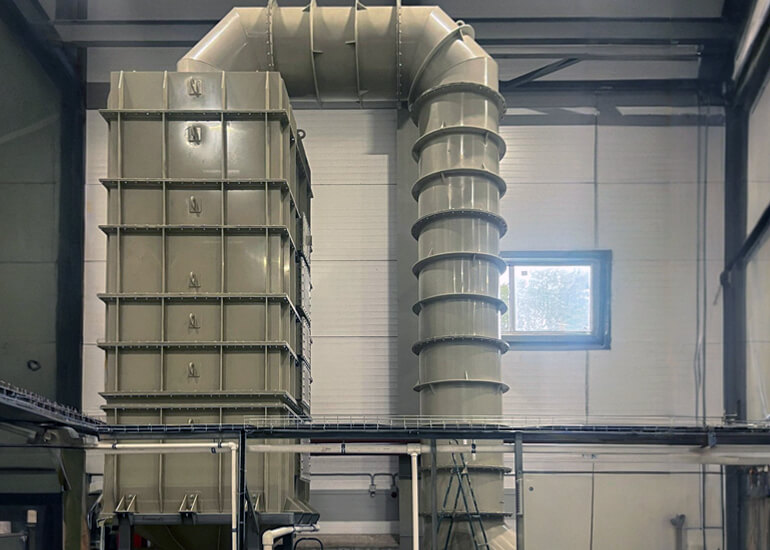 |
- Home
-
Products
- Pig Farming Equipment
- Cattle Farming Equipment
- Sheep & Goat Farming Equipment
- Poultry Farming Equipment
- Feeding & Drinking Systems
- Veterinary & Breeding Equipment
- Testing & Diagnostic Equipment
- Cleaning & Biosecurity Equipment
- Climate Control Equipment
- Livestock Weighing Equipment
- Manure & Waste Management
- Farm Transport & Handling
-
Solutions
- Pig Farm Solutions
- Dairy Farm Solutions
- Beef Cattle Farm Solutions
- Sheep & Goat Farm Solutions
- Layer Farm Solutions
- Broiler Farm Solutions
- Feeding & Drinking System Solutions
- Climate Control Solutions
- Biosecurity & Disinfection Solutions
- Manure & Waste Management
- Smart Farming Solutions
- Farm Renovation and Upgrade Solutions
- Partners
- Projects
- Resources
- News
- About Us
- Contact

Comments & Inquiries
Leave your questions or requirements below. We will reply as soon as possible.