

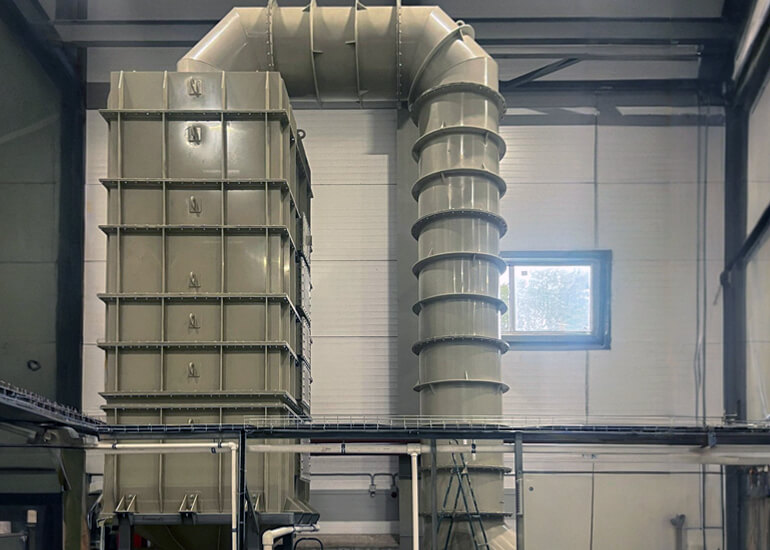
| Product Name | Livestock House Recirculating Air Cleaner | ||||||||||||||||||||||||||||
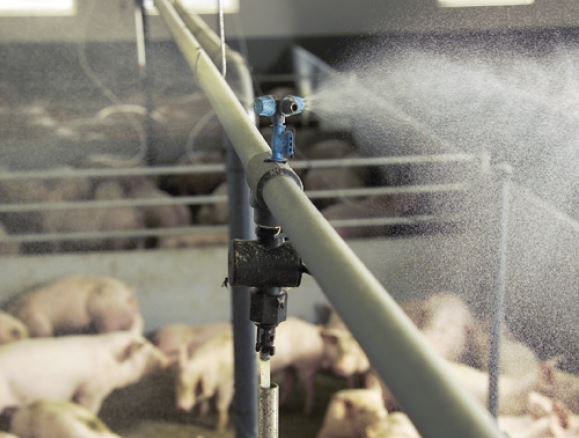
| Product Image | 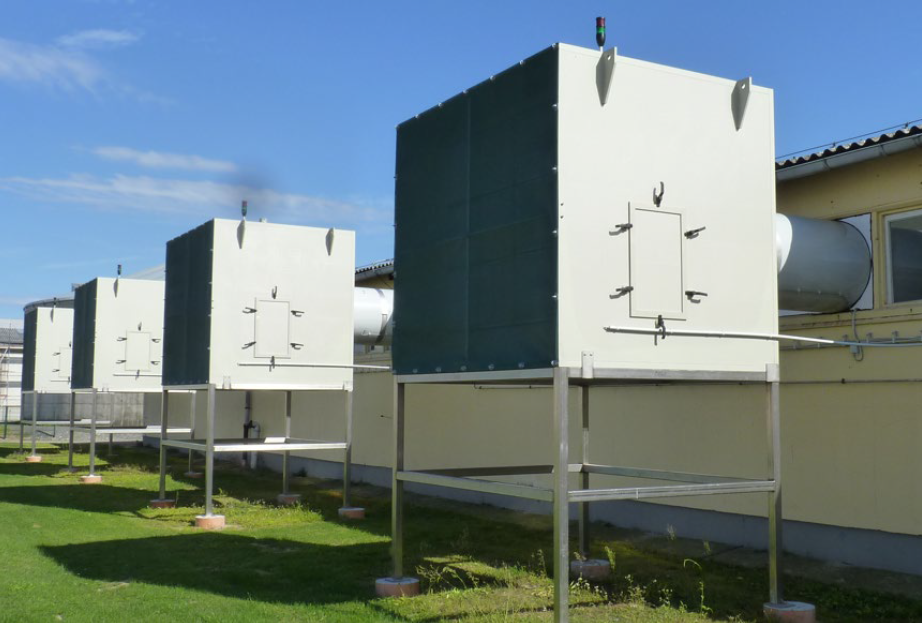 |
||||||||||||||||||||||||||||
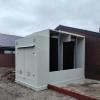
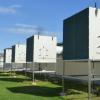
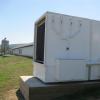
| Product Overview | The Livestock House Recirculating Air Cleaner is an indoor air-treatment unit designed for commercial pig houses, poultry houses, calf buildings, breeding facilities and other enclosed livestock environments. The system draws contaminated indoor air through one or more filtration stages, captures suspended dust and particulate matter, and then returns the treated air to the livestock building. Continuous recirculation helps reduce airborne particle accumulation and complements the building's main ventilation system. Livestock buildings can contain significant concentrations of feed dust, bedding particles, animal dander and other suspended contaminants. Suitable air-cleaning and ventilation systems help maintain better indoor air quality for livestock and farm personnel. :contentReference[oaicite:0]{index=0} The equipment can be supplied as a stand-alone recirculating unit or integrated with farm ventilation, climate control and air-quality monitoring systems according to project requirements. |
||||||||||||||||||||||||||||
| Key Features |
|
||||||||||||||||||||||||||||
| Structural Components |
|
||||||||||||||||||||||||||||
| Working Principle | A recirculation fan draws livestock-house air into the cleaner. The air first passes through a pre-filter that removes larger particles such as feed dust, feathers, bedding fragments and other coarse material. The air then passes through the main filtration stage, where smaller suspended particles are captured according to the selected filter media and filtration efficiency. After filtration, the treated air is discharged back into the livestock house. Repeated circulation gradually reduces the concentration of suspended particles while promoting more uniform air movement inside the building. The recirculating air cleaner is designed to complement, not replace, the main livestock ventilation system. Fresh-air ventilation is still required to manage heat, moisture, carbon dioxide and other internally generated contaminants. Munters notes that effective livestock ventilation is required to avoid buildup of gases such as ammonia and carbon dioxide. :contentReference[oaicite:1]{index=1} |
||||||||||||||||||||||||||||
| Technical Specifications |
|
||||||||||||||||||||||||||||
| Applications |
|
||||||||||||||||||||||||||||
| Customization Options |
|
||||||||||||||||||||||||||||
| Installation & Maintenance | The air cleaner should be positioned where indoor air can circulate freely through the intake and return-air sections. The installation should avoid dead zones and should not obstruct feeding equipment, animal movement, ventilation inlets or service passages. Multiple units can be distributed along long pig or poultry houses where required. Airflow direction should be coordinated with the main farm ventilation system to avoid undesirable short-circuit airflow or drafts at animal level. Filters should be inspected regularly because livestock environments can contain heavy dust loads. Pre-filters should be cleaned or replaced as required, while main filters should be replaced when excessive contamination or pressure drop is observed. Fans, motors, seals and filter frames should also be checked during routine maintenance. Differential pressure monitoring can help operators determine when filter servicing is necessary. |
||||||||||||||||||||||||||||
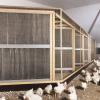
| Project Cases | Recirculating air cleaners are suitable for enclosed livestock houses where airborne dust and particulate accumulation remain significant even when normal ventilation is operating. In pig farm projects, units can be positioned inside breeding, nursery or finishing buildings to continuously draw dusty indoor air through filtration media and redistribute cleaner air throughout the occupied zone. In poultry applications, high-volume filtration and recirculation can help control the heavy particulate load produced by litter, feathers, feed and animal activity. Professional poultry ventilation guidance identifies dust, bacteria and harmful gases such as ammonia and carbon dioxide as important indoor air-quality concerns. :contentReference[oaicite:2]{index=2} For larger commercial farms, several units can be connected to centralized monitoring and livestock climate-control systems to support coordinated environmental management. |
||||||||||||||||||||||||||||
| Product FAQ | Q: What does a recirculating air cleaner remove? A: Its primary function is to capture airborne particulate matter such as feed dust, bedding particles, feathers, dander and other suspended contaminants. Additional filter media can be selected for other air-treatment requirements. Q: Does the air cleaner replace the livestock ventilation system? A: No. Recirculating filtration complements the main ventilation system. Fresh-air exchange is still required to control heat, humidity, carbon dioxide and other internally generated contaminants. Q: Is it suitable for commercial pig farms? A: Yes. It can be used in breeding, farrowing, nursery and finishing buildings according to the required air-cleaning capacity. Q: Can it be used in poultry houses? A: Yes. Poultry houses commonly generate significant airborne dust, and recirculating filtration can provide additional particulate control. Q: Can ammonia be removed? A: Standard particulate filters primarily remove particles. Where gas or odor reduction is required, suitable adsorption or other treatment modules should be selected according to the target contaminant. Q: How is the required airflow determined? A: Airflow should be selected according to room volume, livestock density, dust load, filtration resistance and the desired recirculation rate. Q: Can filter condition be monitored automatically? A: Yes. Differential pressure sensors and filter-service alarms are available upon request. Q: Can the system connect to a farm climate controller? A: Yes. Fan operation, alarms and air-quality sensors can be integrated with compatible livestock environmental control systems according to project requirements. |
||||||||||||||||||||||||||||
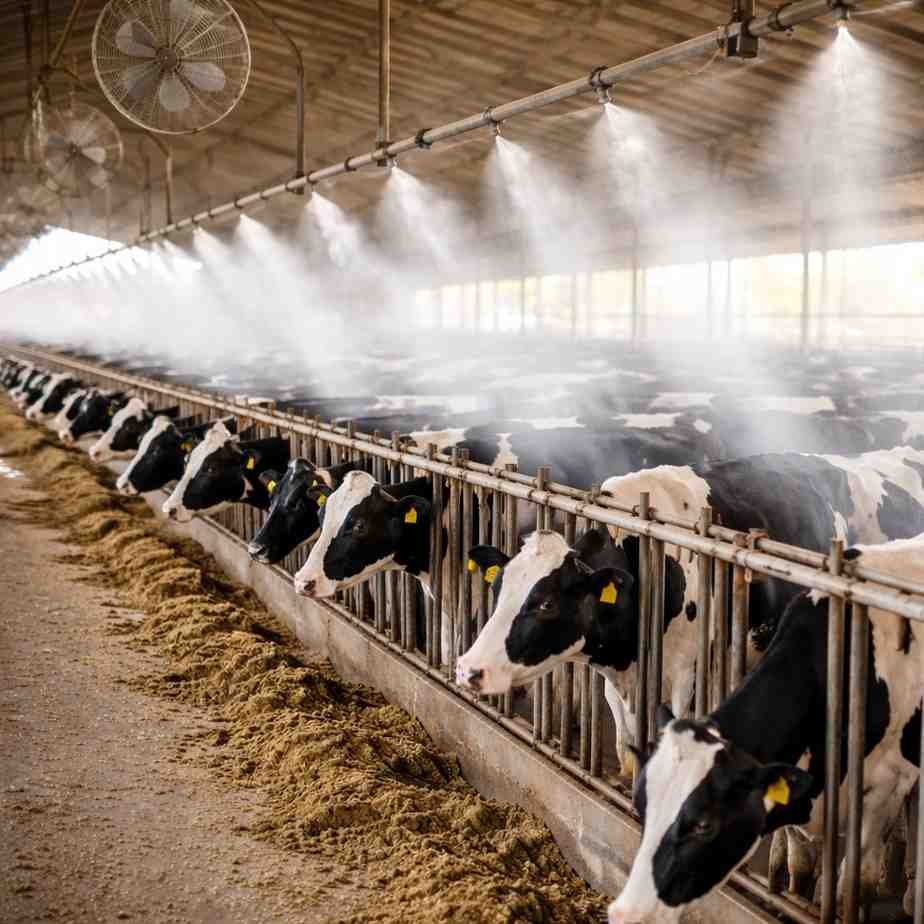
| Product Gallery |  |
- Home
-
Products
- Pig Farming Equipment
- Cattle Farming Equipment
- Sheep & Goat Farming Equipment
- Poultry Farming Equipment
- Feeding & Drinking Systems
- Veterinary & Breeding Equipment
- Testing & Diagnostic Equipment
- Cleaning & Biosecurity Equipment
- Climate Control Equipment
- Livestock Weighing Equipment
- Manure & Waste Management
- Farm Transport & Handling
-
Solutions
- Pig Farm Solutions
- Dairy Farm Solutions
- Beef Cattle Farm Solutions
- Sheep & Goat Farm Solutions
- Layer Farm Solutions
- Broiler Farm Solutions
- Feeding & Drinking System Solutions
- Climate Control Solutions
- Biosecurity & Disinfection Solutions
- Manure & Waste Management
- Smart Farming Solutions
- Farm Renovation and Upgrade Solutions
- Partners
- Projects
- Resources
- News
- About Us
- Contact

Comments & Inquiries
Leave your questions or requirements below. We will reply as soon as possible.