

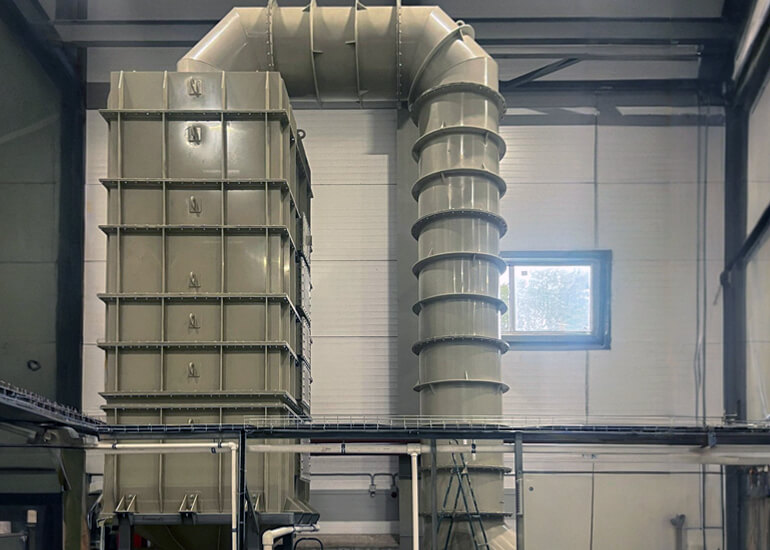
| Product Name | Broiler House Chemical Air Scrubber | ||||||||||||||||||||||||||
| Product Image |  |
||||||||||||||||||||||||||
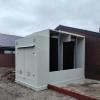
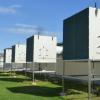
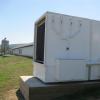
| Product Overview | The Broiler House Chemical Air Scrubber is an exhaust-air purification system designed for commercial broiler farms requiring effective control of ammonia and airborne dust emissions. The system collects exhaust air from the poultry house and directs it through a continuously wetted packed filter section. Acidified process water is circulated over the packing material, increasing contact between the exhaust air and washing liquid. Ammonia is absorbed into the acidic solution while dust particles are captured by the wet filtration process. A horizontal or project-specific filter arrangement provides a large contact area while helping limit airflow resistance. This makes the scrubber suitable for integration with centralized poultry-house exhaust ventilation systems. The equipment can be incorporated into new broiler house construction, poultry farm expansion and steel structure building projects. Airflow capacity, filter dimensions, pumping capacity and control functions can be designed according to project requirements. |
||||||||||||||||||||||||||
| Key Features |
|
||||||||||||||||||||||||||
| Structural Components |
|
||||||||||||||||||||||||||
| Working Principle | Exhaust air from the broiler house is collected by the centralized ventilation system and directed into the air scrubber. Before or during entry into the main filter section, the air can be humidified to assist with dust removal. The exhaust air then passes through wetted packing material while acidified process water is continuously sprayed across the filter. Ammonia in the exhaust air dissolves into the washing liquid. Under acidic conditions, absorbed ammonia is converted into stable ammonium compounds in the process water. At the same time, total dust and fine particles are captured by contact with the wetted filter surfaces. After filtration, the air passes through a droplet separator before being discharged. Process water is recirculated until operating parameters indicate that part of the solution should be drained and replaced with fresh water. The reference Pollo-M principle uses sulphuric-acid dosing to maintain process water at pH ≤ 3.3 and a horizontally arranged filter element to provide a large contact area. :contentReference[oaicite:0]{index=0} |
||||||||||||||||||||||||||
| Technical Specifications |
In DLG Test Report 6260, the tested reference Pollo-M system achieved an average ammonia separation rate of approximately 91%, total dust separation of 87%, PM10 separation of 77% and PM2.5 separation of 93.7%. These figures are reference test results and should not be treated as guaranteed performance for a different project configuration. :contentReference[oaicite:1]{index=1} |
||||||||||||||||||||||||||
| Applications |
|
||||||||||||||||||||||||||
| Customization Options |
|
||||||||||||||||||||||||||
| Installation & Maintenance | The air scrubber should be coordinated with the poultry-house ventilation system so that the required exhaust airflow is collected and directed through the cleaning unit. For new broiler house construction, the scrubber chamber, exhaust-air tower, technical room, fresh-water supply, drainage, electrical connections and chemical storage area should be considered during the building design stage. Routine maintenance includes inspecting and cleaning the filter packing, spray nozzles, droplet separator and process-water reservoir; checking circulation pumps and pipework; and verifying correct operation of pH, conductivity and water-level sensors. Process-water condition should be monitored continuously or according to the selected control system. Spent wash water should be removed and handled according to applicable environmental requirements. Acid handling requires appropriate chemical-resistant equipment, personal protective equipment and safety procedures. Chemical storage, dosing and maintenance must comply with local regulations and the chemical supplier's instructions. |
||||||||||||||||||||||||||
| Project Cases | Chemical exhaust-air scrubbers are particularly suitable for large broiler farms where centralized mechanical ventilation is already planned or installed. In a new steel structure broiler house, the exhaust ventilation system can be designed to direct centrally collected air toward the scrubber before discharge to the atmosphere. The scrubber can be integrated into a dedicated exhaust-air tower or installed as a modular external system. For existing farms, retrofit feasibility depends on available space, fan capacity, ventilation pressure requirements, water and drainage infrastructure and local emission-control requirements. The final system should be engineered according to poultry capacity, maximum summer ventilation rate, target emission reduction and applicable environmental standards. |
||||||||||||||||||||||||||
| Product FAQ | Q: What pollutants can the chemical air scrubber reduce? A: The system is primarily designed to reduce ammonia, total dust and fine particulate emissions from broiler-house exhaust air. Q: Why is acid added to the process water? A: Lowering the process-water pH improves ammonia absorption and converts absorbed ammonia into more stable ammonium compounds. Q: Does the filter operate continuously? A: During normal operation, wash water can be continuously circulated and sprayed across the packing to maintain the required wet filtration conditions. Q: Is the system suitable for naturally ventilated poultry houses? A: Chemical exhaust-air scrubbing is most suitable for buildings where exhaust air can be collected and directed through the scrubber by a controlled mechanical ventilation system. Q: Can the system be customized for different broiler-house sizes? A: Yes. Filter dimensions, airflow capacity, pump configuration and scrubber layout can be designed according to project requirements. Q: Can the system be monitored remotely? A: Remote monitoring and control functions are available according to the selected automation configuration. Q: Is a droplet separator required? A: A droplet separator is commonly incorporated after the wet filter section to reduce liquid aerosol carry-over into the cleaned exhaust air. Q: Can the scrubber be integrated into a new poultry house project? A: Yes. Integration during the building and ventilation design stage is recommended because airflow, structural space, drainage, water supply and technical-room requirements can then be coordinated together. |
||||||||||||||||||||||||||
| Product Gallery | 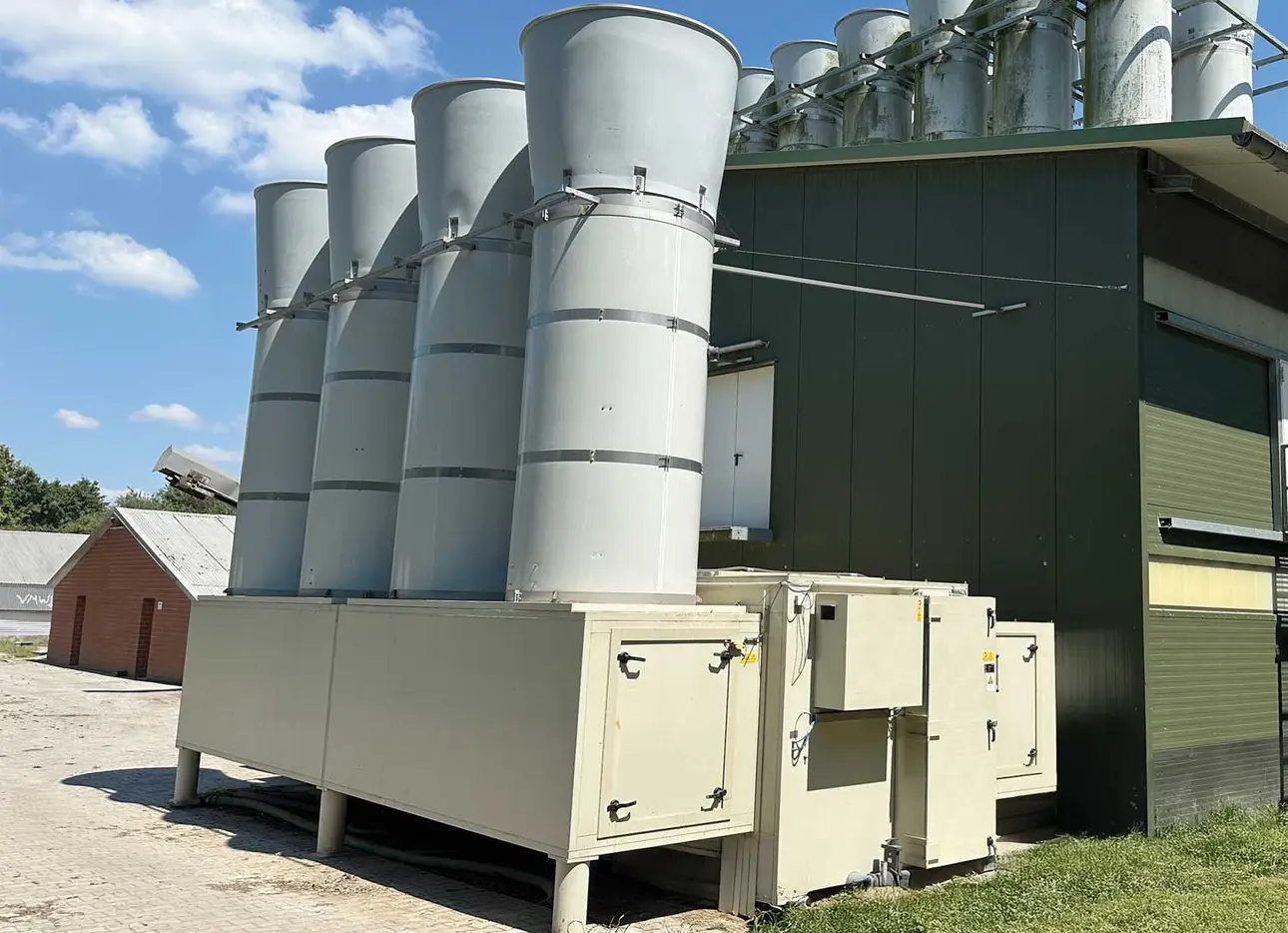  |
- Home
-
Products
- Pig Farming Equipment
- Cattle Farming Equipment
- Sheep & Goat Farming Equipment
- Poultry Farming Equipment
- Feeding & Drinking Systems
- Veterinary & Breeding Equipment
- Testing & Diagnostic Equipment
- Cleaning & Biosecurity Equipment
- Climate Control Equipment
- Livestock Weighing Equipment
- Manure & Waste Management
- Farm Transport & Handling
-
Solutions
- Pig Farm Solutions
- Dairy Farm Solutions
- Beef Cattle Farm Solutions
- Sheep & Goat Farm Solutions
- Layer Farm Solutions
- Broiler Farm Solutions
- Feeding & Drinking System Solutions
- Climate Control Solutions
- Biosecurity & Disinfection Solutions
- Manure & Waste Management
- Smart Farming Solutions
- Farm Renovation and Upgrade Solutions
- Partners
- Projects
- Resources
- News
- About Us
- Contact

Comments & Inquiries
Leave your questions or requirements below. We will reply as soon as possible.