

| Product Name | Pig House Air Purification System | ||||||||||||||||||||||||||
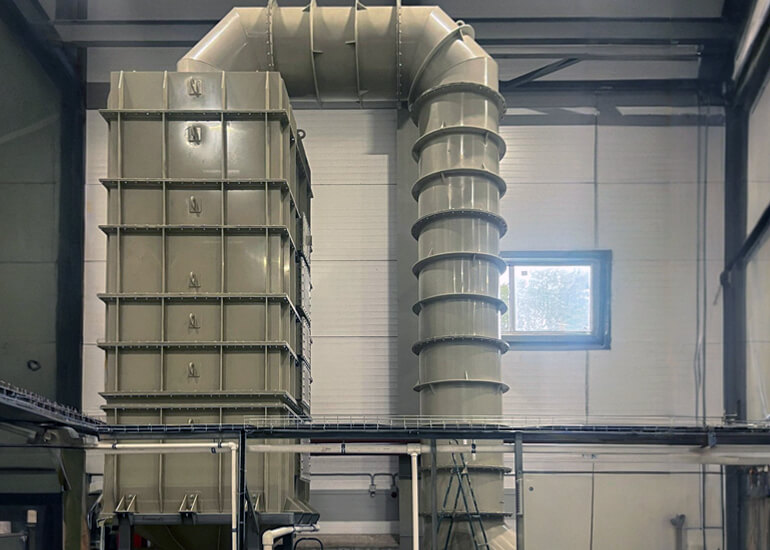
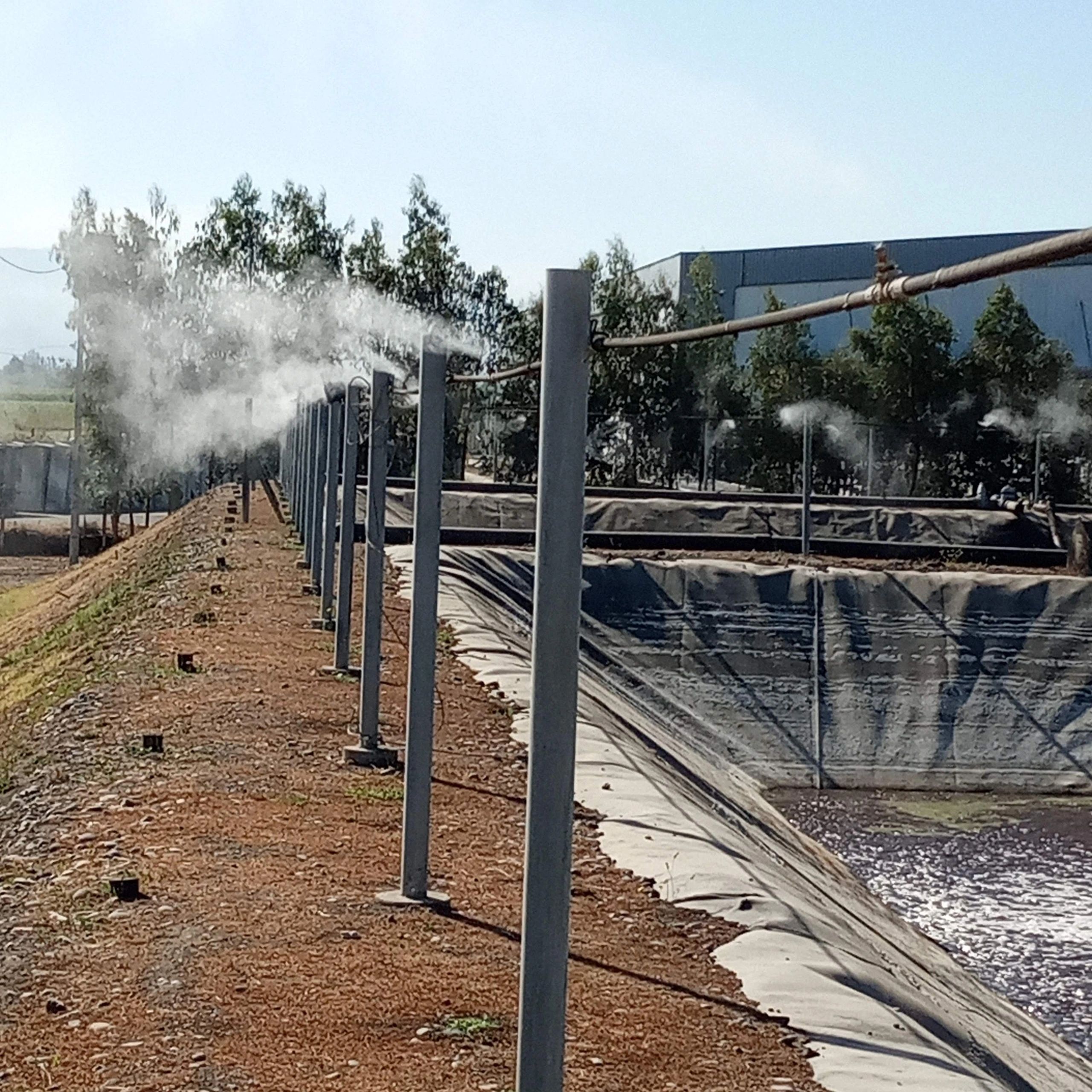
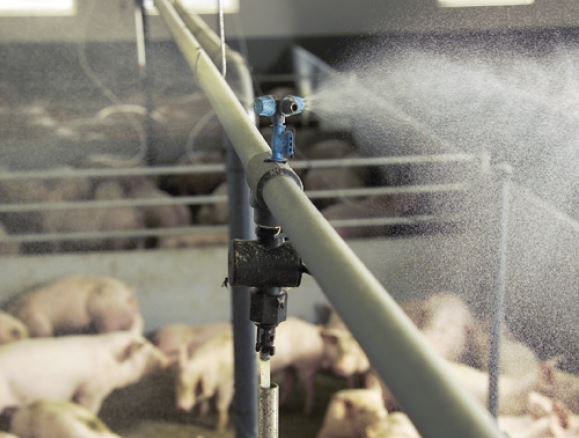
| Product Image | 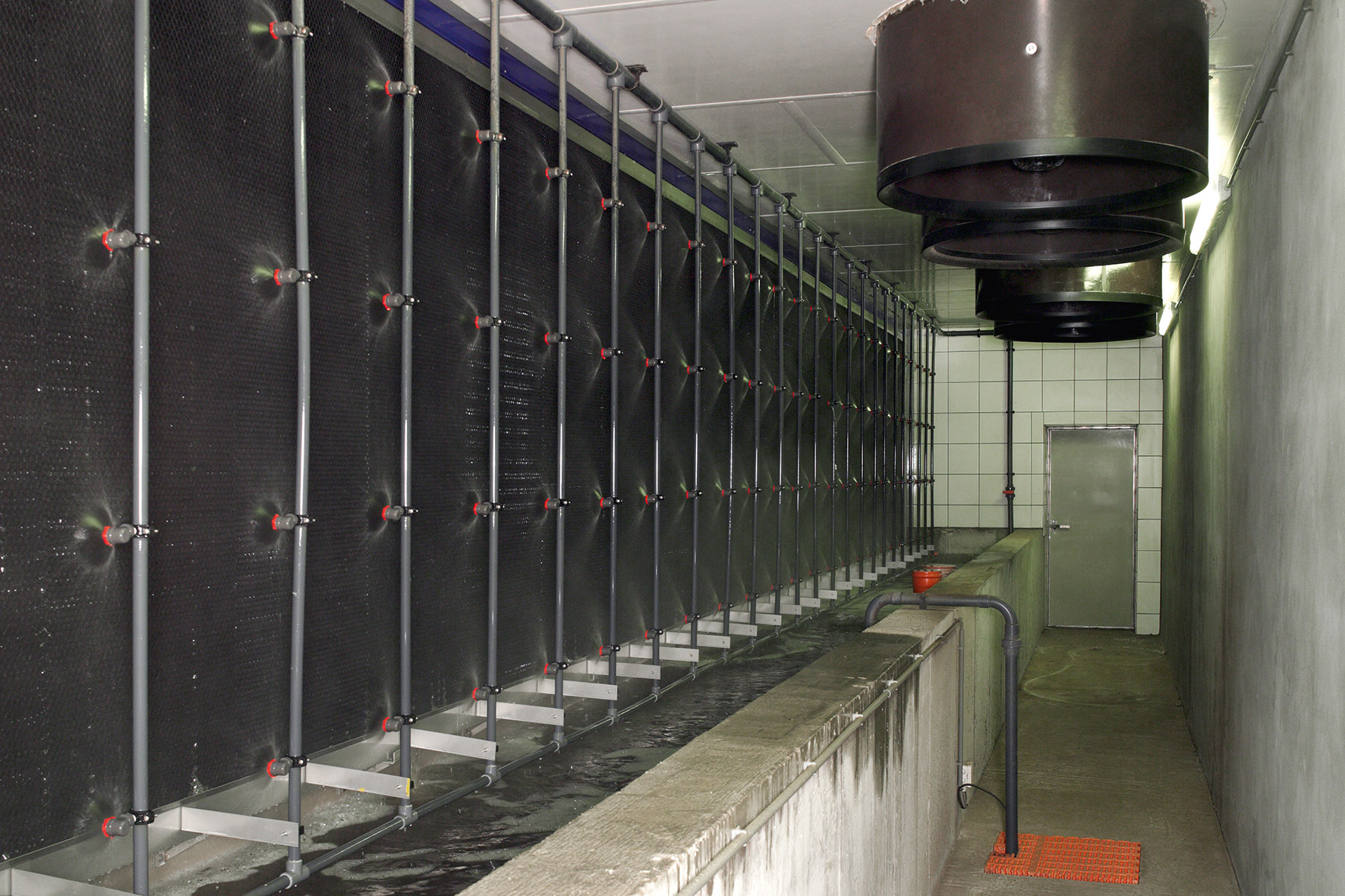 |
||||||||||||||||||||||||||
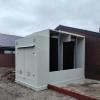
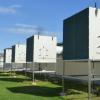
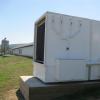
| Product Overview | The Pig House Air Purification System is an integrated exhaust-air treatment solution designed for commercial pig farms, breeding facilities, piglet nurseries, finishing houses and large livestock production projects. The system collects contaminated exhaust air from mechanically ventilated pig buildings and directs it through one or more purification stages. Depending on the selected configuration, dust, ammonia and odor-causing compounds can be reduced through wet scrubbing, chemical treatment, droplet separation and biological filtration. The equipment can be engineered as part of a new pig farm construction project or integrated into an existing livestock building renovation. Airflow capacity, filter area, water circulation, chemical dosing, technical-room arrangement and exhaust-air connection are designed according to barn size, ventilation capacity and local environmental requirements. |
||||||||||||||||||||||||||
| Key Features |
|
||||||||||||||||||||||||||
| Structural Components |
|
||||||||||||||||||||||||||
| Working Principle | Exhaust fans collect contaminated air from the pig house and direct it into a central pressure corridor or exhaust-air chamber. The air then enters the purification system and passes through the wet filter section. A nozzle system continuously sprays process water over the filter package. As exhaust air passes through the wetted filter surface, dust particles and soluble gaseous compounds are transferred into the circulating wash water. Where a chemical cleaning stage is installed, the water chemistry is automatically controlled to improve ammonia absorption. Sensors can monitor pH, conductivity and other operating parameters, while part of the contaminated process water is periodically discharged and replaced with fresh water. After wet cleaning, a droplet separator removes entrained moisture. In multi-stage configurations, the air then passes through an additional biological filter where microorganisms help reduce remaining odor-causing substances before the treated air is discharged outside the building. |
||||||||||||||||||||||||||
| Technical Specifications |
|
||||||||||||||||||||||||||
| Applications |
|
||||||||||||||||||||||||||
| Customization Options |
|
||||||||||||||||||||||||||
| Installation & Maintenance | The air purification system should be planned together with the pig house ventilation system. Exhaust air must be collected and directed through the scrubber so that untreated air does not bypass the purification process. For new pig farm construction, the exhaust-air corridor, fan capacity, scrubber foundation, water supply, drainage, electrical connections and technical room should be coordinated during the building design stage. Routine maintenance includes inspection and cleaning of filter surfaces, spray nozzles, pumps, pipes, droplet separators and process-water tanks. Sensors for pH, conductivity and water level should be checked and calibrated according to the selected control system. Process-water quality and chemical dosing must remain within the specified operating range to maintain stable treatment performance. Sludge and discharged process water should be handled according to local environmental and farm-management requirements. |
||||||||||||||||||||||||||
| Project Cases | Pig house air purification systems are commonly integrated into mechanically ventilated livestock buildings where centralized exhaust air can be collected and treated before discharge. In new commercial pig farm projects, the purification unit can be positioned at the end or side of the livestock building and connected to a central pressure corridor. Exhaust fans move the barn air through the cleaning stages before it is released outside. For existing pig farms, modular scrubber systems can be engineered according to the existing ventilation arrangement and available installation space. Project planning should consider maximum ventilation volume, pressure loss, water management, maintenance access and environmental requirements. |
||||||||||||||||||||||||||
| Product FAQ | Q: What pollutants can a pig house air purification system reduce? A: Depending on the selected treatment configuration, the system is designed to reduce ammonia, dust and odor-causing compounds in pig house exhaust air. Q: Does the system clean the air inside the pig house? A: This type of system primarily treats centrally collected exhaust air before it is discharged outside the livestock building. Q: Does the pig house need mechanical ventilation? A: A centralized exhaust-air treatment system normally requires controlled mechanical ventilation so that the exhaust air can be directed through the purification unit. Q: Can the system remove ammonia? A: Yes. Wet and chemical scrubbing configurations are commonly designed to capture ammonia from livestock exhaust air. Q: Can the system also reduce odors? A: Yes. Biological and multi-stage configurations can provide additional treatment of odor-causing compounds. Q: Can the system be installed on an existing pig farm? A: Yes. Retrofit installation is possible when the existing ventilation system, building layout and available installation space are suitable. Q: Can the capacity be customized? A: Yes. Airflow capacity, filter area, pump capacity, cleaning stages and control configuration can be designed according to project requirements. Q: Is automatic monitoring available? A: Yes. Automatic process monitoring, alarms and remote monitoring functions are available according to the selected control configuration. |
||||||||||||||||||||||||||
| Product Gallery | 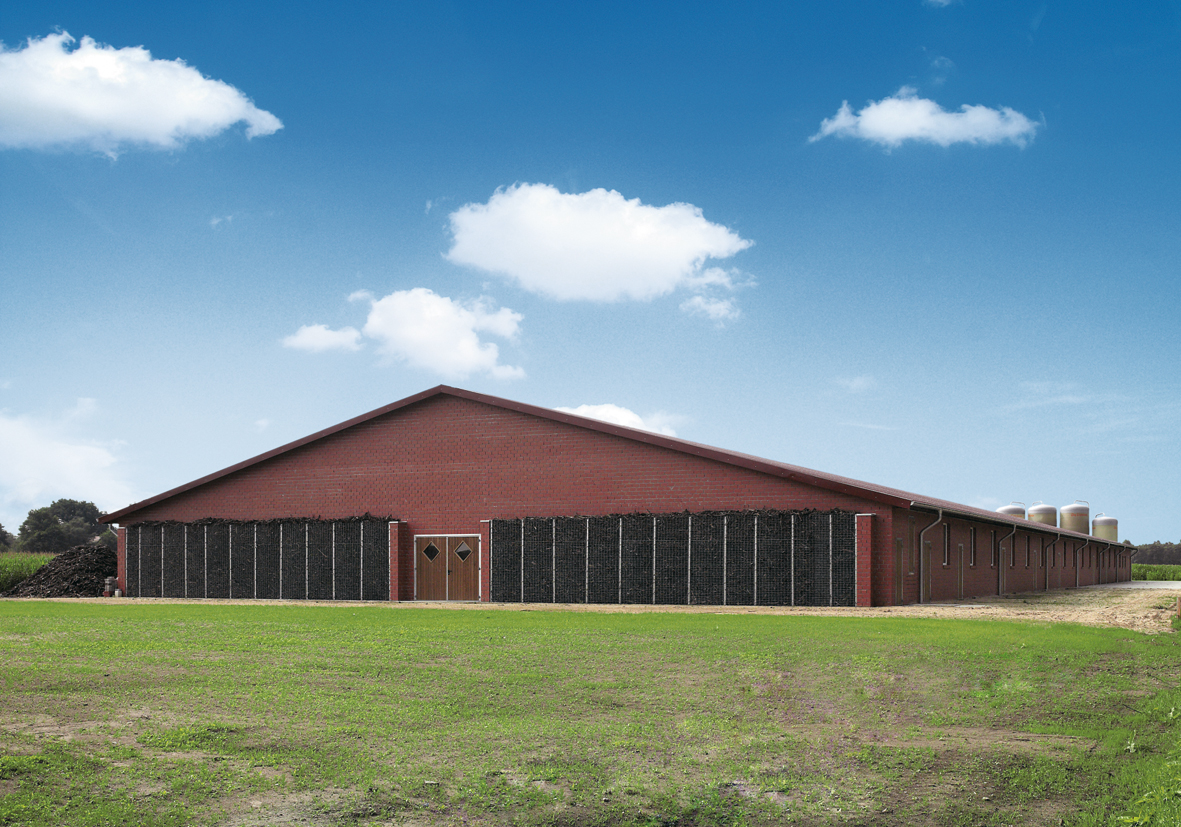 |
- Home
-
Products
- Pig Farming Equipment
- Cattle Farming Equipment
- Sheep & Goat Farming Equipment
- Poultry Farming Equipment
- Feeding & Drinking Systems
- Veterinary & Breeding Equipment
- Testing & Diagnostic Equipment
- Cleaning & Biosecurity Equipment
- Climate Control Equipment
- Livestock Weighing Equipment
- Manure & Waste Management
- Farm Transport & Handling
-
Solutions
- Pig Farm Solutions
- Dairy Farm Solutions
- Beef Cattle Farm Solutions
- Sheep & Goat Farm Solutions
- Layer Farm Solutions
- Broiler Farm Solutions
- Feeding & Drinking System Solutions
- Climate Control Solutions
- Biosecurity & Disinfection Solutions
- Manure & Waste Management
- Smart Farming Solutions
- Farm Renovation and Upgrade Solutions
- Partners
- Projects
- Resources
- News
- About Us
- Contact

Comments & Inquiries
Leave your questions or requirements below. We will reply as soon as possible.