
| Product Name | Corrosion-Resistant Water Disinfection Dosing Pump | ||||||||||||||||||||||||||||||||
| Product Image | 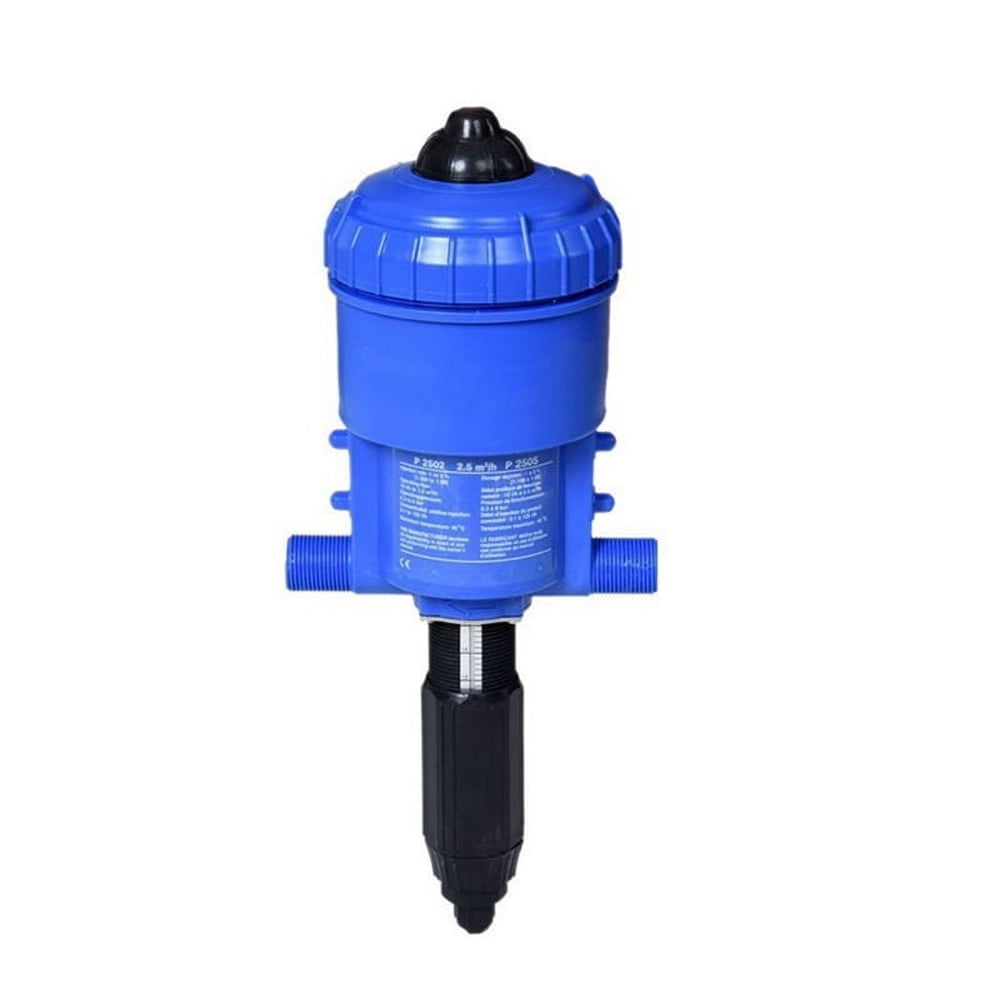 |
||||||||||||||||||||||||||||||||
| Product Overview |
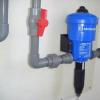
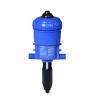
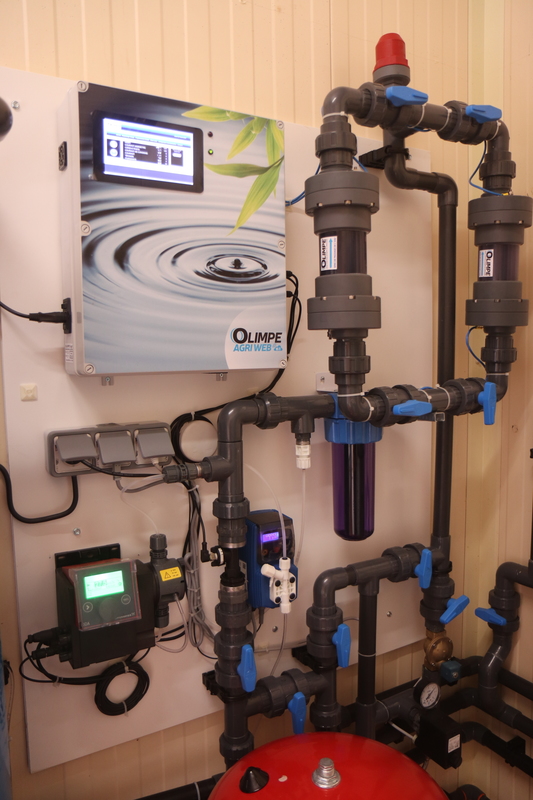
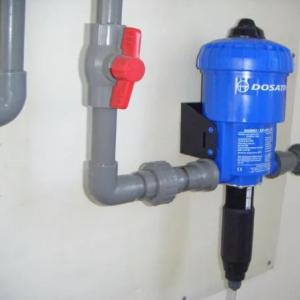
The Corrosion-Resistant Water Disinfection Dosing Pump is a water-powered proportional dosing unit designed for controlled injection of compatible disinfectants, acidic additives and liquid treatment concentrates into poultry and livestock drinking water systems. The reference configuration uses a PVDF housing with high chemical resistance and an external injection arrangement. This design is particularly suitable for demanding water treatment conditions involving concentrated acidic or aggressive additives where material compatibility is essential. Installed directly into the water supply network, the pump uses water pressure as its driving force. It draws concentrated treatment solution from an external container, meters it according to the selected dosing ratio and mixes it with the water flowing through the system. The equipment is suitable for commercial poultry farms, pig farms, cattle farms, rabbit farms and centralized livestock water treatment stations. It can also be integrated into livestock equipment projects, pig farm construction and steel structure building water supply systems. |
||||||||||||||||||||||||||||||||
| Key Features |
|
||||||||||||||||||||||||||||||||
| Structural Components |
The final component arrangement should be confirmed according to water quality, treatment chemical, pipe size, farm capacity and required dosing program. |
||||||||||||||||||||||||||||||||
| Working Principle / Structural Principle |
The dosing pump is installed in the livestock drinking water supply line. As water enters the pump, the hydraulic motor is activated by water pressure. The resulting mechanical movement operates the dosing piston without requiring an electric motor. The dosing section draws concentrated disinfectant or compatible treatment solution through the suction hose from an external container. A measured amount of concentrate is injected according to the selected proportional setting. Because the dosing action is linked directly to water flow, the injected quantity increases when water consumption rises and decreases when water consumption falls. This is useful in livestock production where drinking-water demand varies throughout the day and during different production stages. In the external injection configuration, concentrated chemical solution enters the water downstream of the main hydraulic motor. This arrangement reduces direct contact between aggressive concentrate and the motor section and supports demanding water disinfection and acidification applications. |
||||||||||||||||||||||||||||||||
| Technical Specifications |
Note: The numerical specifications above are based on the referenced D25RE2 IE PVDF configuration. Final parameters should be confirmed according to the selected pump model and actual project requirements. Chemical Compatibility: The actual disinfectant, acidifier and concentrate must be checked for compatibility with the housing, seals and dosing components before use. |
||||||||||||||||||||||||||||||||
| Applications |
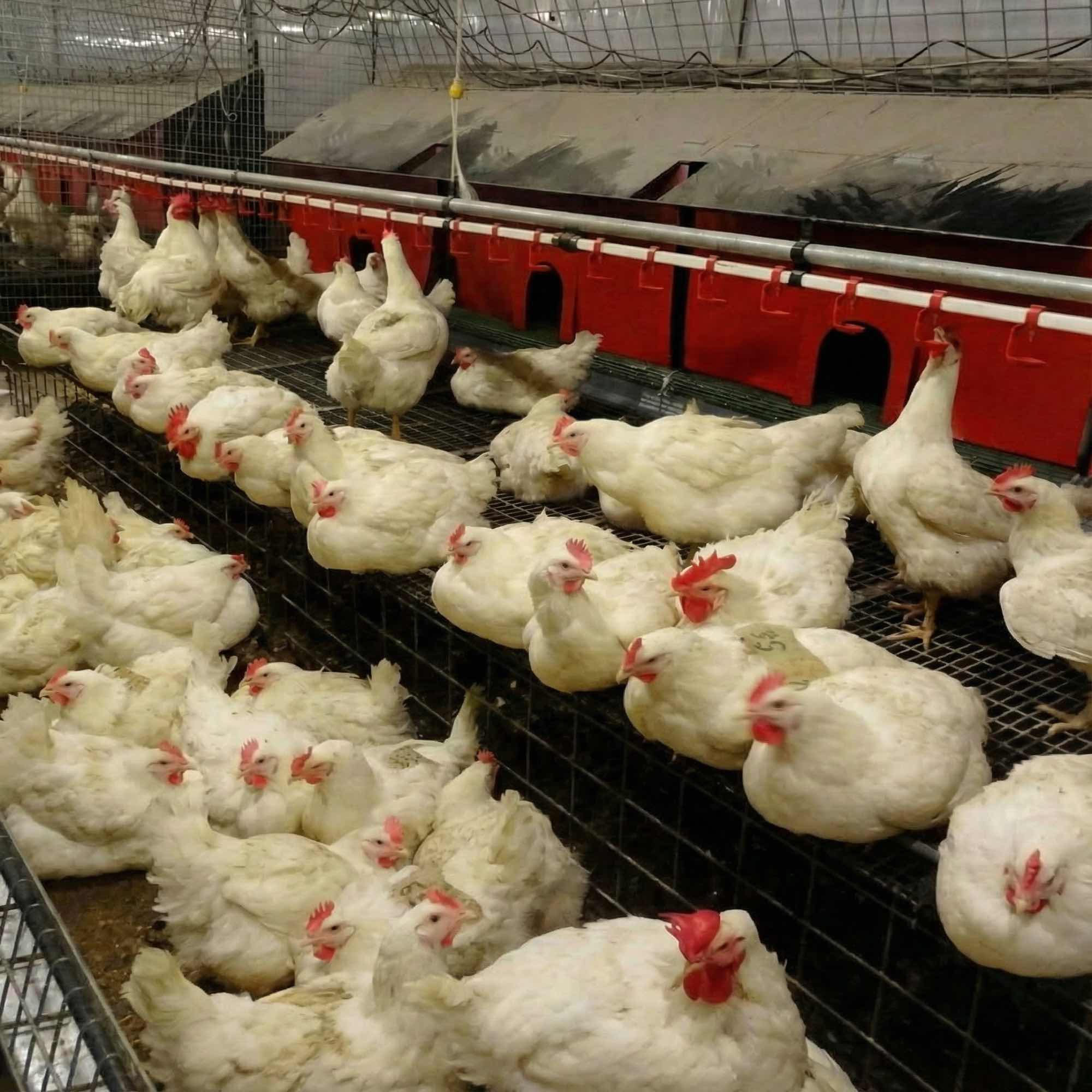
For commercial farms, the dosing pump can be installed upstream of livestock drinking lines to provide controlled treatment before water is distributed to individual houses, pens or drinking zones. |
||||||||||||||||||||||||||||||||
| Customization Options |
SHEWUYOU can coordinate the dosing pump with livestock equipment, water supply pipelines, filtration assemblies and drinking-water distribution systems for new construction and farm renovation projects. |
||||||||||||||||||||||||||||||||
| Installation & Maintenance |
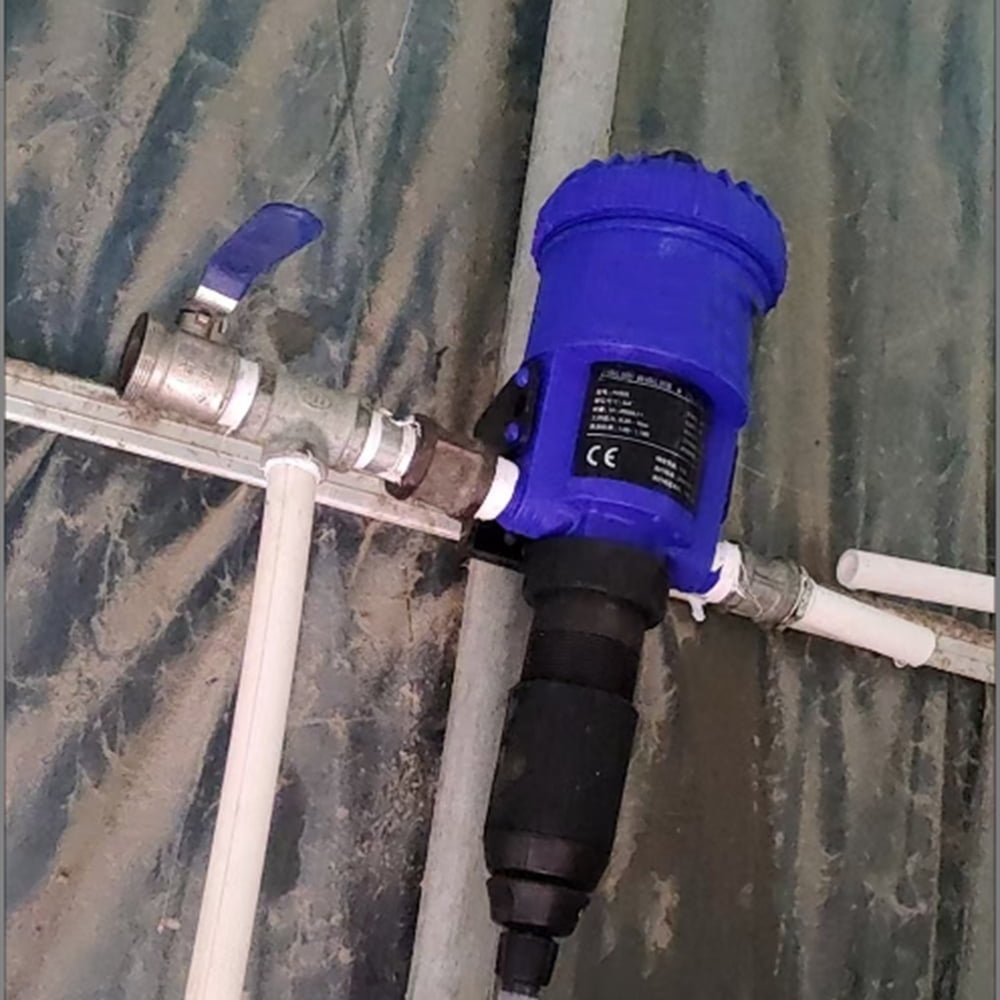
The dosing pump should be installed in the direction of water flow and in a location that provides sufficient space for adjustment, chemical replenishment, inspection and maintenance. An upstream water filter is recommended where suspended solids may enter the hydraulic mechanism. Incoming water pressure and maximum water flow should be checked against the operating range of the selected dosing pump before commissioning. The unit may be installed directly in the main pipeline or in a bypass arrangement. A bypass system can make it easier to isolate the dosing pump during maintenance while allowing operators to manage the water supply according to the farm treatment procedure. The suction hose should be securely connected to the treatment-solution container, and the suction filter should remain correctly positioned in the prepared stock solution. Chemical compatibility must be verified before the system is started. Routine maintenance includes inspecting the water filter, suction hose, seals, dosing valves, injection assembly and hydraulic components. Deposits should be removed when necessary, and worn sealing components should be replaced with parts compatible with the selected chemical. When changing between incompatible treatment chemicals, the dosing system should be properly flushed according to the chemical supplier's instructions and the farm's safety procedure. |
||||||||||||||||||||||||||||||||
| Project Cases |
Commercial Poultry House Water Treatment: A proportional dosing pump can be installed in the poultry-house water control room after filtration and pressure regulation. The treated water is then distributed to nipple drinking lines serving broiler, layer or breeder houses. Centralized Multi-House Poultry Project: For larger poultry farms, dosing equipment can be incorporated into a centralized water-treatment station serving several poultry buildings. Filters, pressure regulators, chemical tanks, bypass pipelines and water distribution equipment can be configured according to project requirements. Pig Farm Construction: In commercial pig farm construction, the dosing system can be integrated into the main water room or individual building supply lines for compatible water sanitation and acidification programs. Steel Structure Livestock Building: During new steel structure building projects, the dosing station can be coordinated with livestock equipment and utility pipelines to simplify installation and provide convenient access for daily inspection and maintenance. Specific project capacity, chemical program, pipe dimensions and installation layout are designed according to actual farm conditions. |
||||||||||||||||||||||||||||||||
| Product FAQ |
Q: What is the main purpose of this dosing pump? Q: Does the dosing pump require electricity? Q: How does the dosing rate respond to changing water consumption? Q: What is the reference injection range? Q: What is the reference water flow range? Q: What operating pressure is required? Q: Why is PVDF used in the reference configuration? Q: What is external injection? Q: Can the pump be used for poultry waterline disinfection? Q: Can it be used in commercial pig farms? Q: Can it be installed in a bypass line? Q: Is water filtration recommended before the dosing pump? Q: Can the dosing system be customized? Q: Can it be included in a complete livestock equipment project? |
||||||||||||||||||||||||||||||||
| Product Gallery |
|
- Home
-
Products
- Pig Farming Equipment
- Cattle Farming Equipment
- Sheep & Goat Farming Equipment
- Poultry Farming Equipment
- Feeding & Drinking Systems
- Veterinary & Breeding Equipment
- Testing & Diagnostic Equipment
- Cleaning & Biosecurity Equipment
- Climate Control Equipment
- Livestock Weighing Equipment
- Manure & Waste Management
- Farm Transport & Handling
-
Solutions
- Pig Farm Solutions
- Dairy Farm Solutions
- Beef Cattle Farm Solutions
- Sheep & Goat Farm Solutions
- Layer Farm Solutions
- Broiler Farm Solutions
- Feeding & Drinking System Solutions
- Climate Control Solutions
- Biosecurity & Disinfection Solutions
- Manure & Waste Management
- Smart Farming Solutions
- Farm Renovation and Upgrade Solutions
- Partners
- Projects
- Resources
- News
- About Us
- Contact

Comments & Inquiries
Leave your questions or requirements below. We will reply as soon as possible.