
| Product Name | Poultry Drinking Water UV Sterilizer | ||||||||||||||||||||||
| Product Image |  |
||||||||||||||||||||||
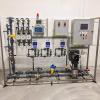
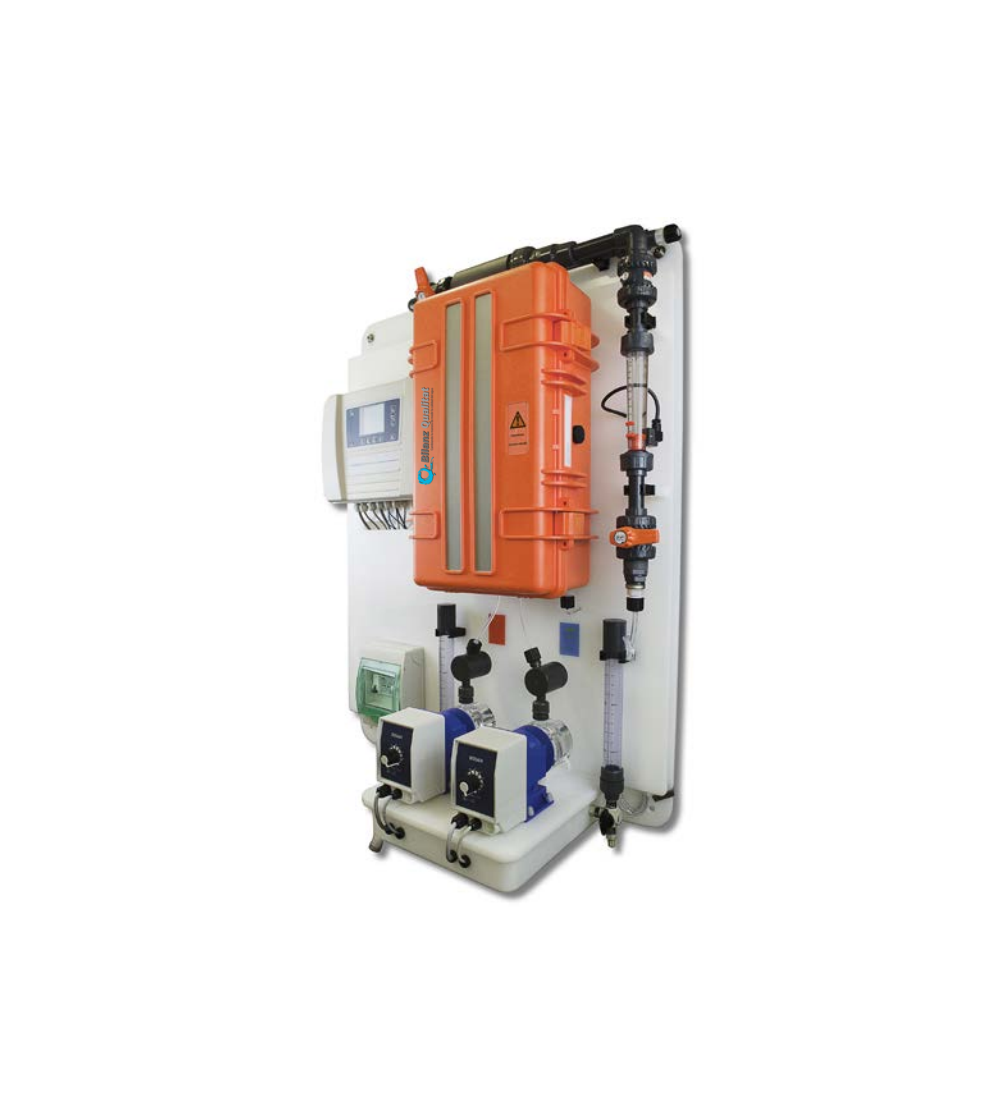
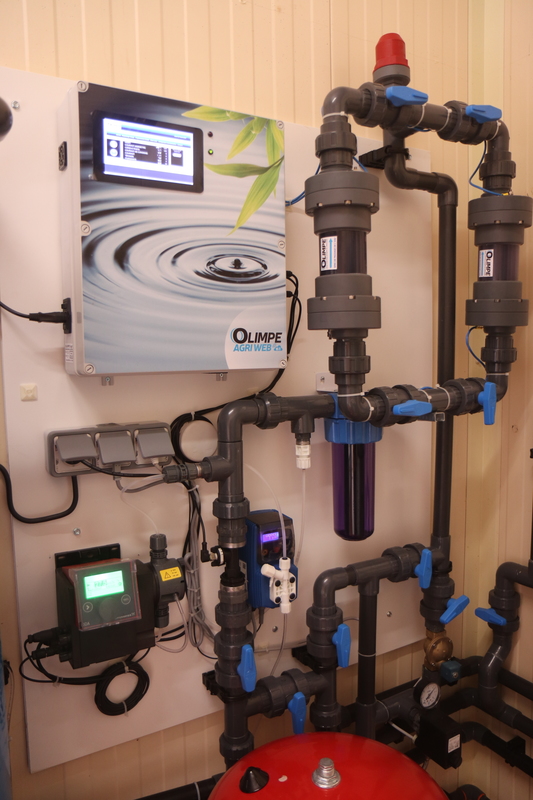
| Product Overview | The Poultry Drinking Water UV Sterilizer is an inline water-treatment unit designed for commercial poultry farms, breeder houses, layer farms and other livestock drinking water systems. It uses ultraviolet UV-C radiation to reduce microbial contamination in incoming water before the water reaches nipple drinkers, bell drinkers or downstream distribution lines. The system is normally installed on the main poultry house water supply or at a central farm water-treatment station. Water passes through a stainless steel UV chamber where it is exposed to ultraviolet energy without requiring continuous chemical dosing. The sterilizer can be integrated with sediment filtration, pressure regulation, medication equipment and drinking water lines as part of a complete livestock equipment package for poultry farm construction and steel structure building projects. |
||||||||||||||||||||||
| Key Features |
|
||||||||||||||||||||||
| Structural Components | A typical poultry drinking water UV sterilizer may include:
|
||||||||||||||||||||||
| Working Principle | Incoming farm water first passes through any required pre-treatment equipment and then enters the UV reactor chamber. Inside the chamber, the water flows around a quartz sleeve containing the UV-C lamp. Ultraviolet radiation penetrates microorganisms in the water and disrupts their ability to reproduce. The treated water then leaves the chamber and continues toward the poultry house drinking system. UV treatment works directly on microorganisms present in the water passing through the chamber. It does not provide a lasting disinfectant residual inside downstream pipelines, so regular drinking-line cleaning and hygiene management remain important. |
||||||||||||||||||||||
| Technical Specifications |
Reference poultry-farm systems are specified at a 40 mJ/cm² UV dose with capacities from 500 to 10,000 LPH. Final sizing should be based on peak water flow, UV transmission, turbidity and required treatment performance. :contentReference[oaicite:1]{index=1} |
||||||||||||||||||||||
| Applications |
|
||||||||||||||||||||||
| Customization Options |
|
||||||||||||||||||||||
| Installation & Maintenance | The UV sterilizer should be installed on the drinking water supply after appropriate pre-filtration and before water enters the poultry drinking distribution system. Adequate service space should be reserved around the unit for lamp and quartz-sleeve maintenance. Sediment and excessive turbidity can reduce UV transmission, so source-water quality should be evaluated when selecting filtration and sterilizer capacity. Isolation valves and a service bypass can also be included to simplify maintenance. The quartz sleeve should be inspected and cleaned periodically because mineral deposits can reduce the amount of ultraviolet energy reaching the water. UV lamps should be replaced according to the rated service interval of the selected lamp even if the lamp continues to emit visible light. Drinking lines downstream of the sterilizer should continue to receive routine flushing and sanitation because UV treatment acts during passage through the reactor and does not leave a persistent disinfectant residual in the pipeline. |
||||||||||||||||||||||
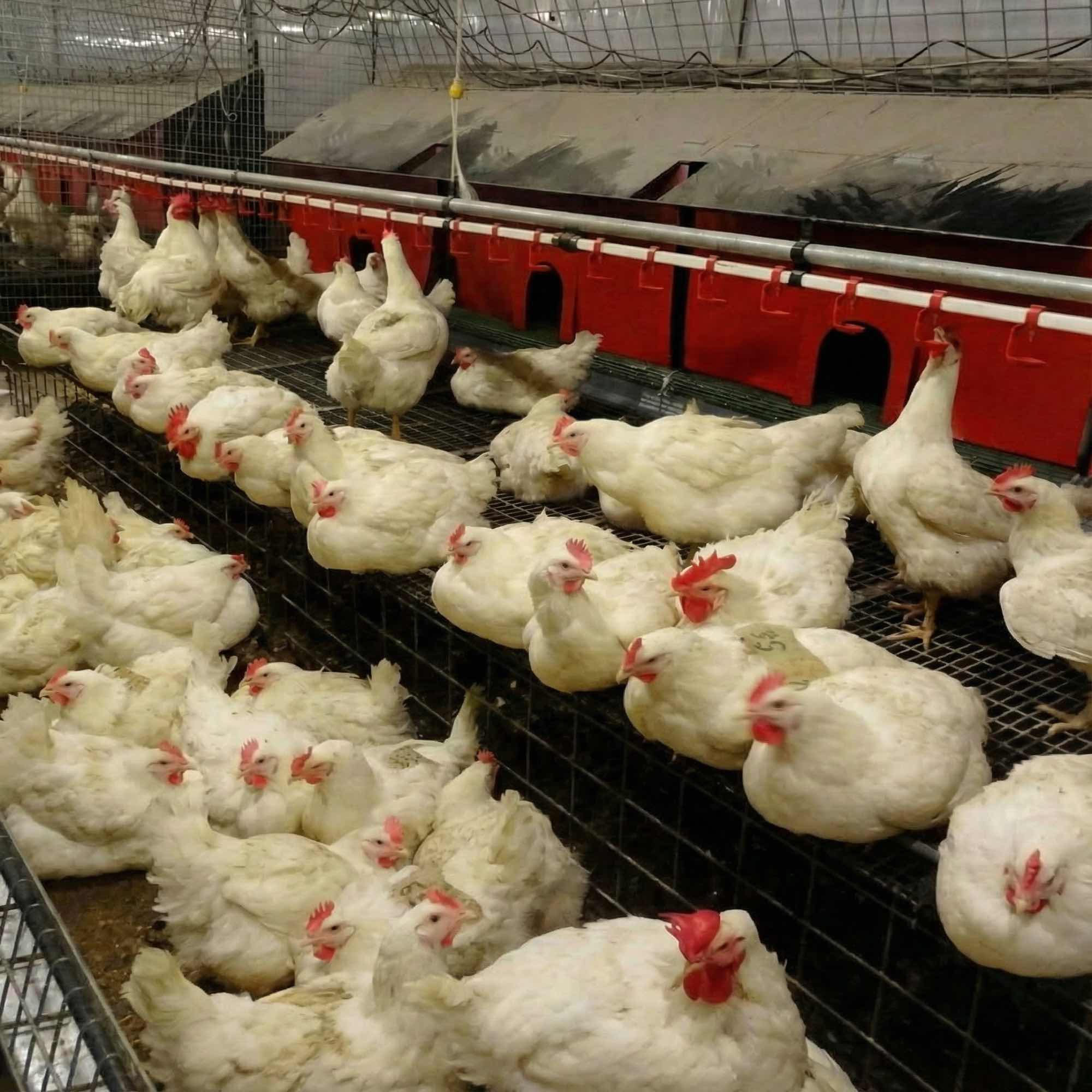
| Project Cases | For a single commercial poultry house, a UV sterilizer can be installed on the incoming water line before the first drinking-line distribution point. Capacity should be selected according to the peak water requirement of the flock. For multi-house poultry farms with a central pump station, a larger UV treatment unit can be installed at the main header to treat water before distribution to several buildings. Individual-house systems can also be used where each building has a separate water source. In complete livestock equipment and steel structure building projects, UV treatment can be coordinated with filters, storage tanks, pumps, pressure regulators, medicators and nipple drinking lines. |
||||||||||||||||||||||
| Product FAQ | Q: Where should the UV sterilizer be installed in a poultry drinking system? A: It is normally installed on the main water supply before the water enters the poultry drinking lines. Central installation is also possible for farms supplying several houses from one water station. Q: Does UV treatment require disinfectant chemicals? A: UV-C treatment itself does not require continuous chemical dosing. However, farms may still use separate line sanitation procedures when required. Q: Is pre-filtration recommended? A: Yes. Sediment and turbidity can interfere with UV transmission, so suitable filtration should be selected according to the source-water quality. Q: Can the treatment capacity be customized? A: Yes. Capacity should be selected according to peak water demand, water quality, required UV dose and farm layout. Q: Can UV-treated water be used for drinking-water vaccination? A: Live vaccines and probiotics should normally be added downstream of the UV treatment point so they are not exposed directly to UV-C radiation. A suitable bypass or downstream dosing arrangement can be incorporated into the system. :contentReference[oaicite:2]{index=2} Q: Does UV eliminate the need to clean poultry drinking lines? A: No. UV treats water passing through the reactor but does not remove existing deposits or biofilm inside downstream pipes. Regular flushing and waterline sanitation remain necessary. |
||||||||||||||||||||||
| Product Gallery |  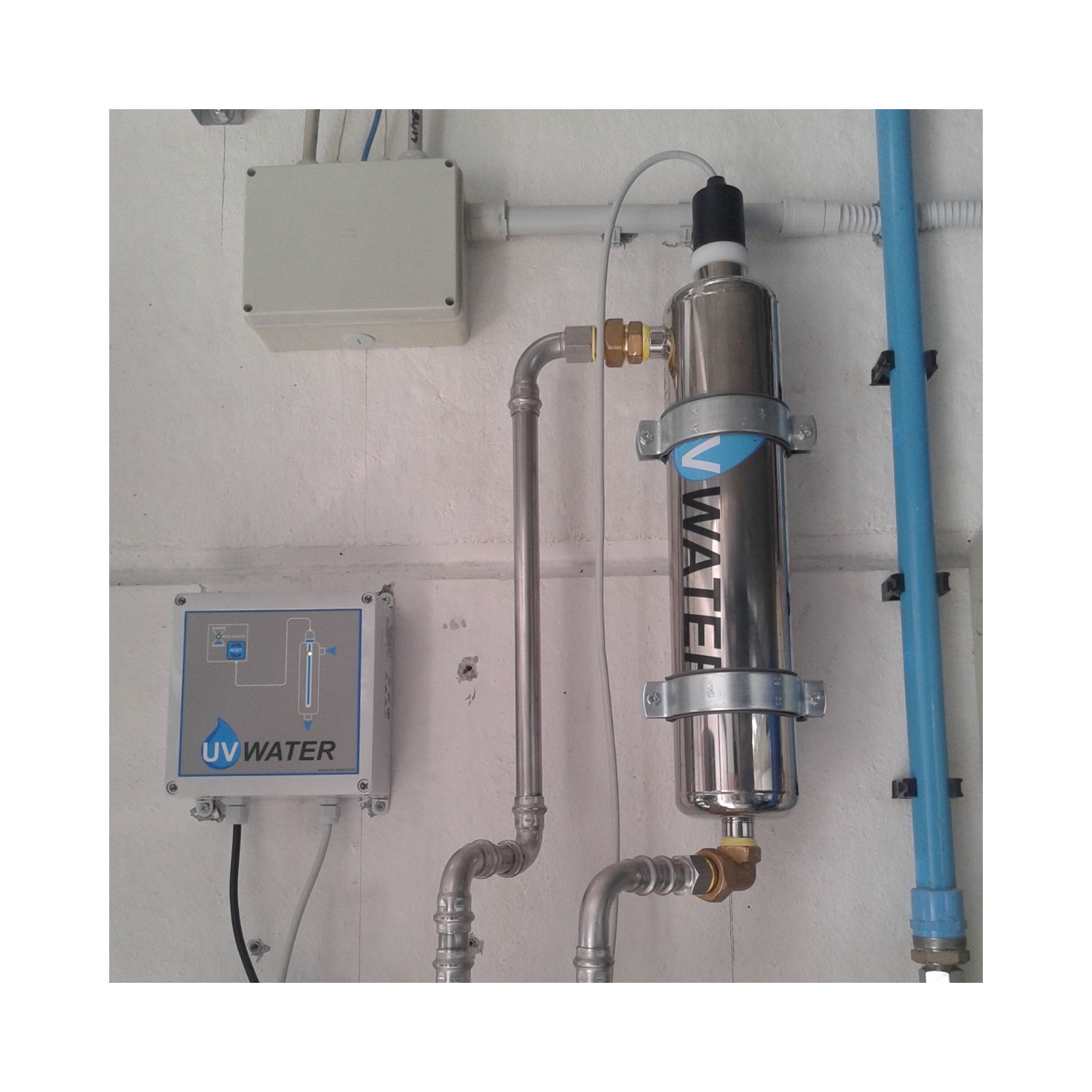 |
- Home
-
Products
- Pig Farming Equipment
- Cattle Farming Equipment
- Sheep & Goat Farming Equipment
- Poultry Farming Equipment
- Feeding & Drinking Systems
- Veterinary & Breeding Equipment
- Testing & Diagnostic Equipment
- Cleaning & Biosecurity Equipment
- Climate Control Equipment
- Livestock Weighing Equipment
- Manure & Waste Management
- Farm Transport & Handling
-
Solutions
- Pig Farm Solutions
- Dairy Farm Solutions
- Beef Cattle Farm Solutions
- Sheep & Goat Farm Solutions
- Layer Farm Solutions
- Broiler Farm Solutions
- Feeding & Drinking System Solutions
- Climate Control Solutions
- Biosecurity & Disinfection Solutions
- Manure & Waste Management
- Smart Farming Solutions
- Farm Renovation and Upgrade Solutions
- Partners
- Projects
- Resources
- News
- About Us
- Contact
Comments & Inquiries
Leave your questions or requirements below. We will reply as soon as possible.