
| Product Name | Poultry Drinking Water Ozone Disinfection System | ||||||||||||||||||||||
| Product Image | 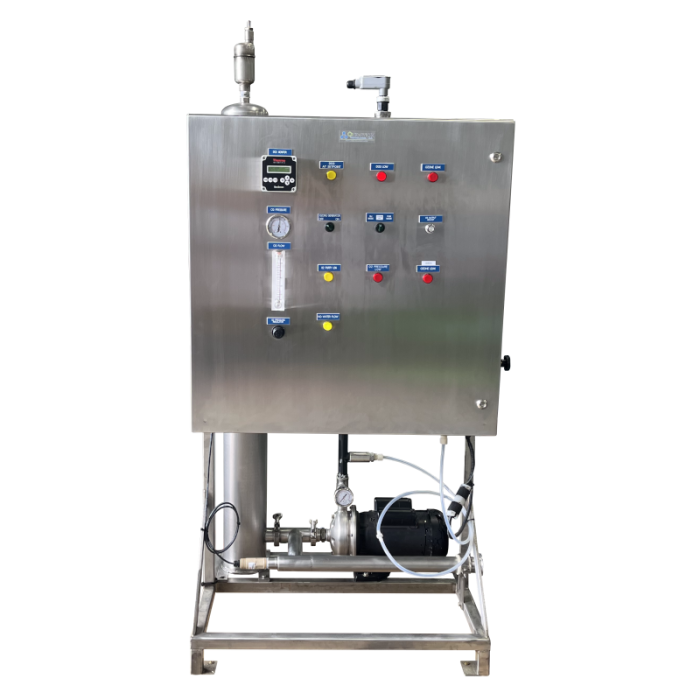 |
||||||||||||||||||||||
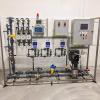
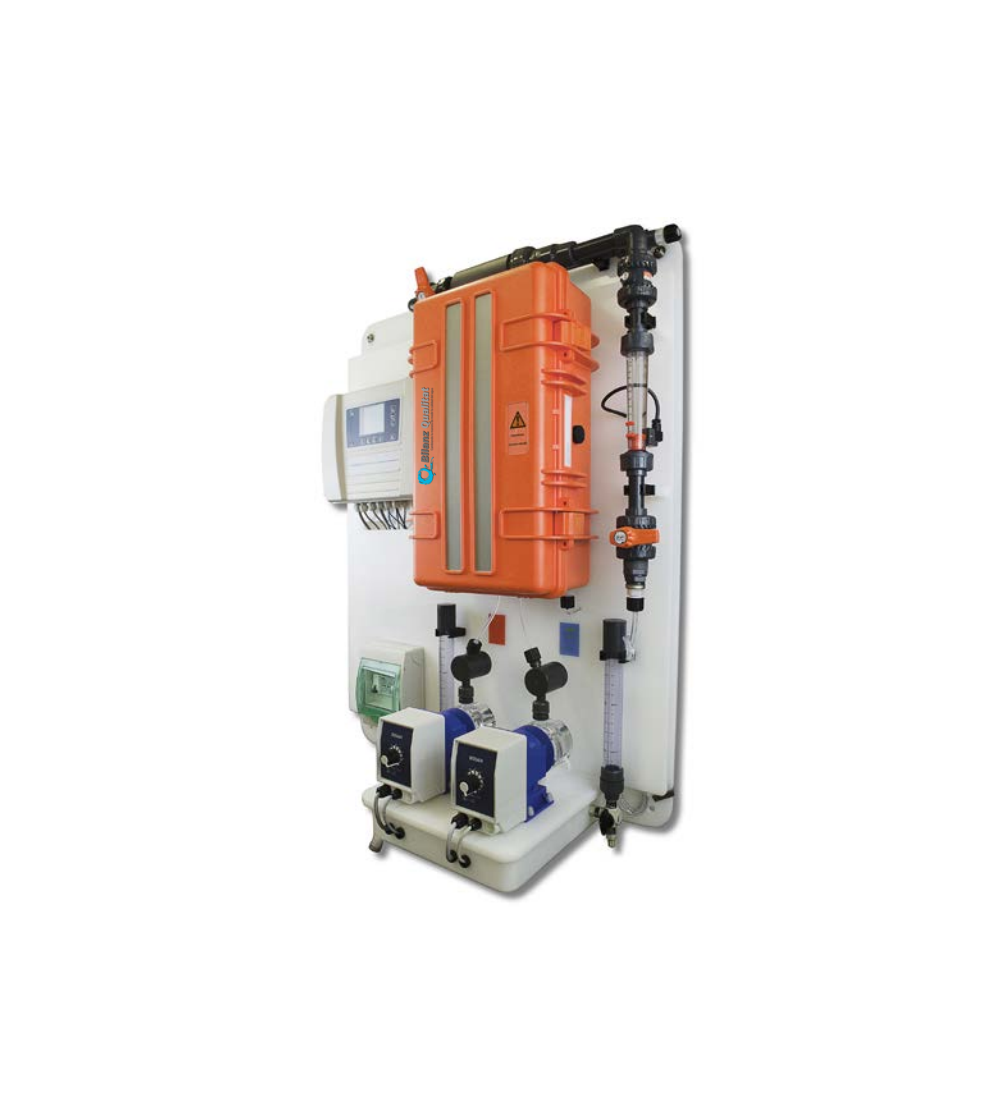
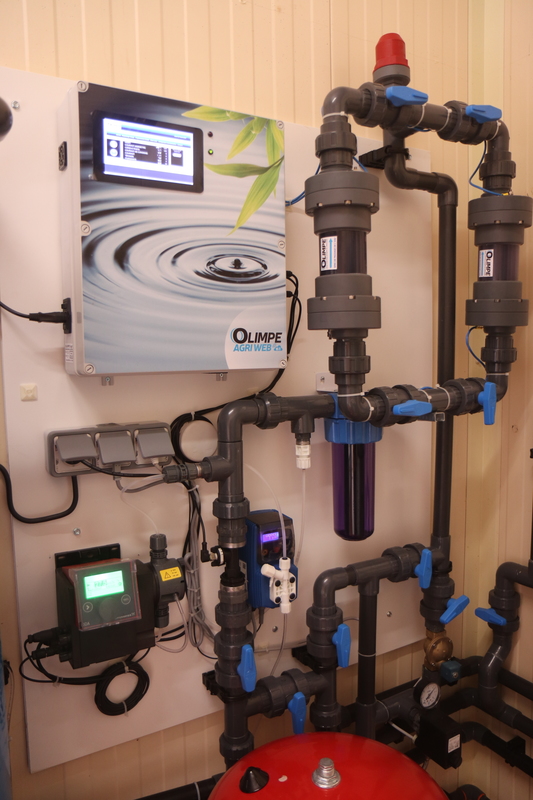
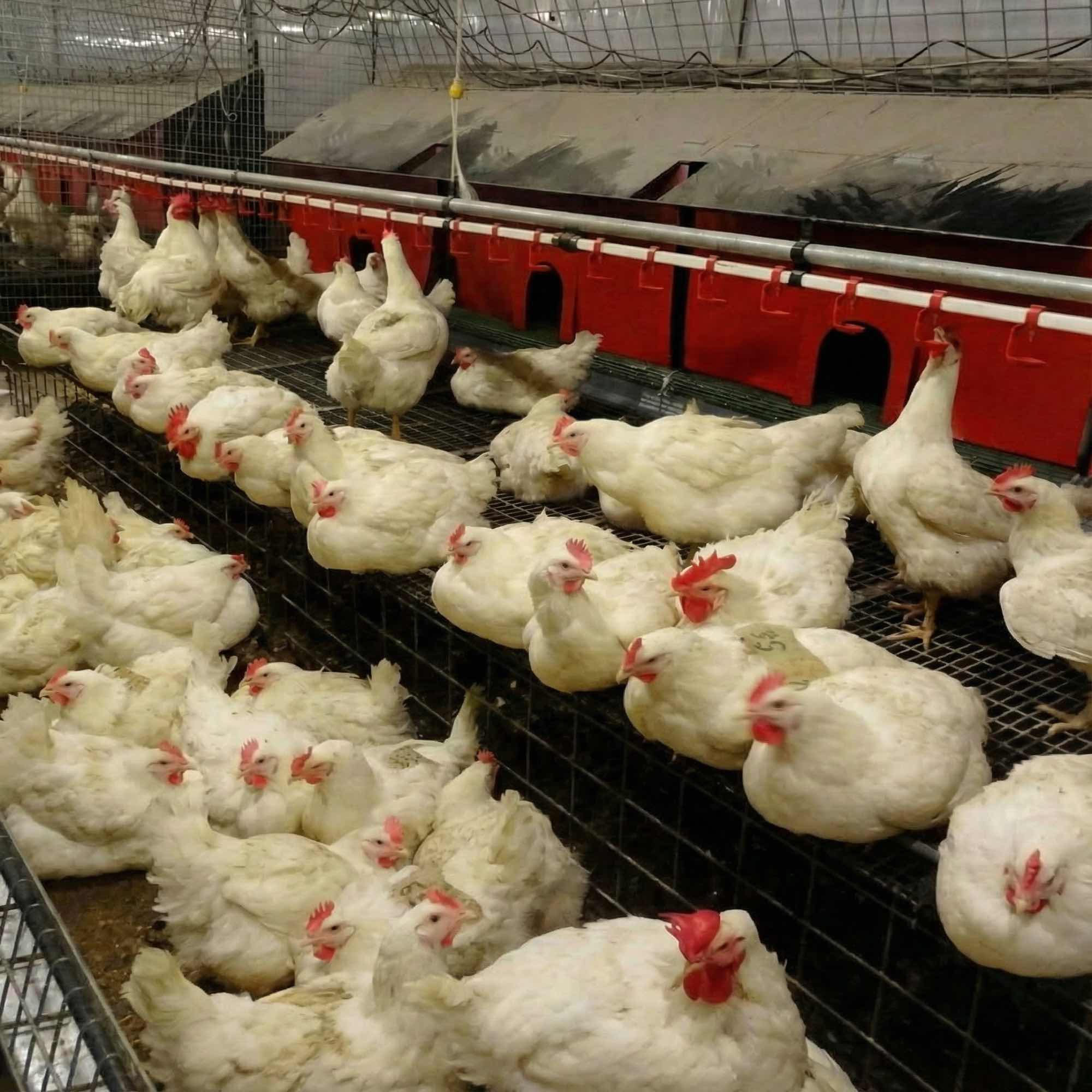
| Product Overview | The Poultry Drinking Water Ozone Disinfection System is designed to treat drinking water before it enters poultry house distribution lines. The system generates ozone on site and transfers it into the water stream, where the ozone acts as a strong oxidizing agent against microorganisms and organic contaminants. The treatment process can be applied to breeder, broiler, layer and pullet water supplies as part of a complete poultry water hygiene program. Ozone treatment can also help improve water clarity, odor and overall water quality without relying on continuous storage of chemical disinfectants. System capacity, ozone output, contact arrangement, monitoring equipment and pipeline connections can be configured according to source-water quality, farm water demand and project requirements. |
||||||||||||||||||||||
| Key Features |
|
||||||||||||||||||||||
| Structural Components | A typical poultry drinking water ozone system may include:
|
||||||||||||||||||||||
| Working Principle | The ozone generator produces ozone from prepared air or concentrated oxygen. The generated ozone gas is transferred through ozone-resistant tubing to an injection device, where it is mixed into the poultry drinking water. The ozonated water then passes through a contact section or storage tank that provides sufficient mixing and reaction time. During this stage, ozone oxidizes susceptible microorganisms and organic compounds. After treatment, the water is delivered to the poultry drinking system. Because ozone is unstable, it gradually decomposes to oxygen. Where a contact vessel releases excess ozone gas, an off-gas destruction system can be included to manage residual ozone safely. |
||||||||||||||||||||||
| Technical Specifications |
|
||||||||||||||||||||||
| Applications |
|
||||||||||||||||||||||
| Customization Options |
|
||||||||||||||||||||||
| Installation & Maintenance | The ozone treatment system should normally be installed upstream of the poultry drinking water distribution network. Water flow, source-water quality, required contact time and available installation space should be evaluated before selecting the final system configuration. Ozone-resistant materials should be used in parts of the system exposed to concentrated ozone. The ozone generator should be installed in a dry, ventilated and protected equipment area, with adequate access for inspection and maintenance. If a contact vessel is used, the system should include appropriate gas-release and residual ozone management according to the project design. Room ozone monitoring and ventilation may also be required depending on system size and installation conditions. Routine maintenance should include inspection of feed-gas preparation equipment, ozone generation components, filters, pumps, injectors, seals, sensors and control equipment. Water quality and system performance should be monitored regularly to confirm that the selected operating conditions remain suitable. |
||||||||||||||||||||||
| Project Cases | Ozone water-treatment systems can be incorporated into commercial poultry farms where drinking water is supplied from wells, storage tanks or centralized farm water systems. In multi-house projects, one centralized treatment unit can be configured to supply treated water to several poultry buildings, subject to hydraulic capacity, water demand and project layout. For new livestock equipment and steel structure building projects, the ozone system can be planned together with filtration equipment, storage tanks, dosing systems, water pressure regulators and drinking lines. |
||||||||||||||||||||||
| Product FAQ | Q: What is ozone used for in poultry drinking water? A: Ozone is used as an oxidizing disinfectant to help control waterborne microorganisms and improve selected water-quality characteristics before water enters the poultry drinking system. Q: Does ozone remain permanently in the treated water? A: No. Ozone is unstable and gradually decomposes back to oxygen after treatment. Q: Can the system treat water for several poultry houses? A: Yes. A centralized system can be designed for multiple houses when the required water flow, ozone capacity and distribution system are properly sized. Q: Is a contact tank always required? A: The final contact arrangement depends on flow rate, source-water quality and treatment objectives. A contact tank or other suitable contact method may be selected according to project requirements. Q: Can ozone output be customized? A: Yes. Ozone generation capacity should be selected according to peak water demand, water quality and required treatment performance. Q: Is special safety equipment required? A: Ozone systems should be designed with proper ventilation, ozone-resistant materials and suitable control or monitoring equipment. Larger systems may also use residual ozone gas destruction and room ozone monitoring. |
||||||||||||||||||||||
| Product Gallery | 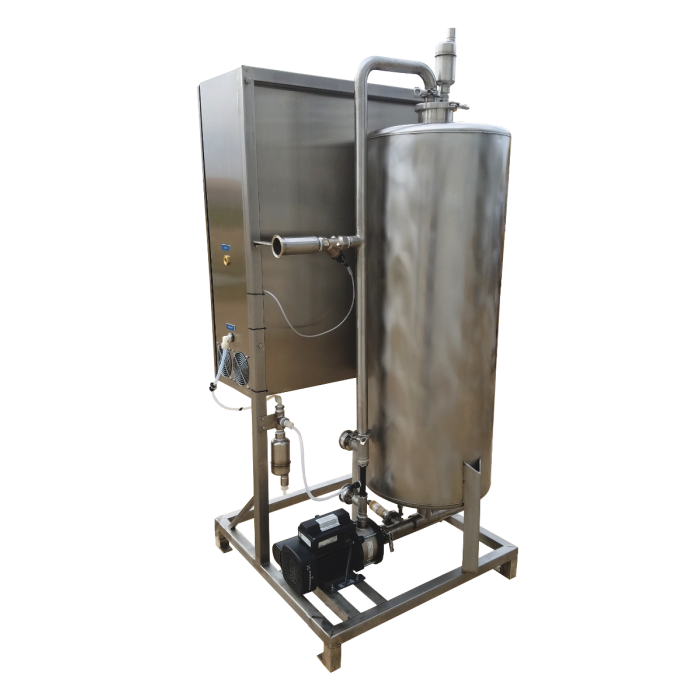  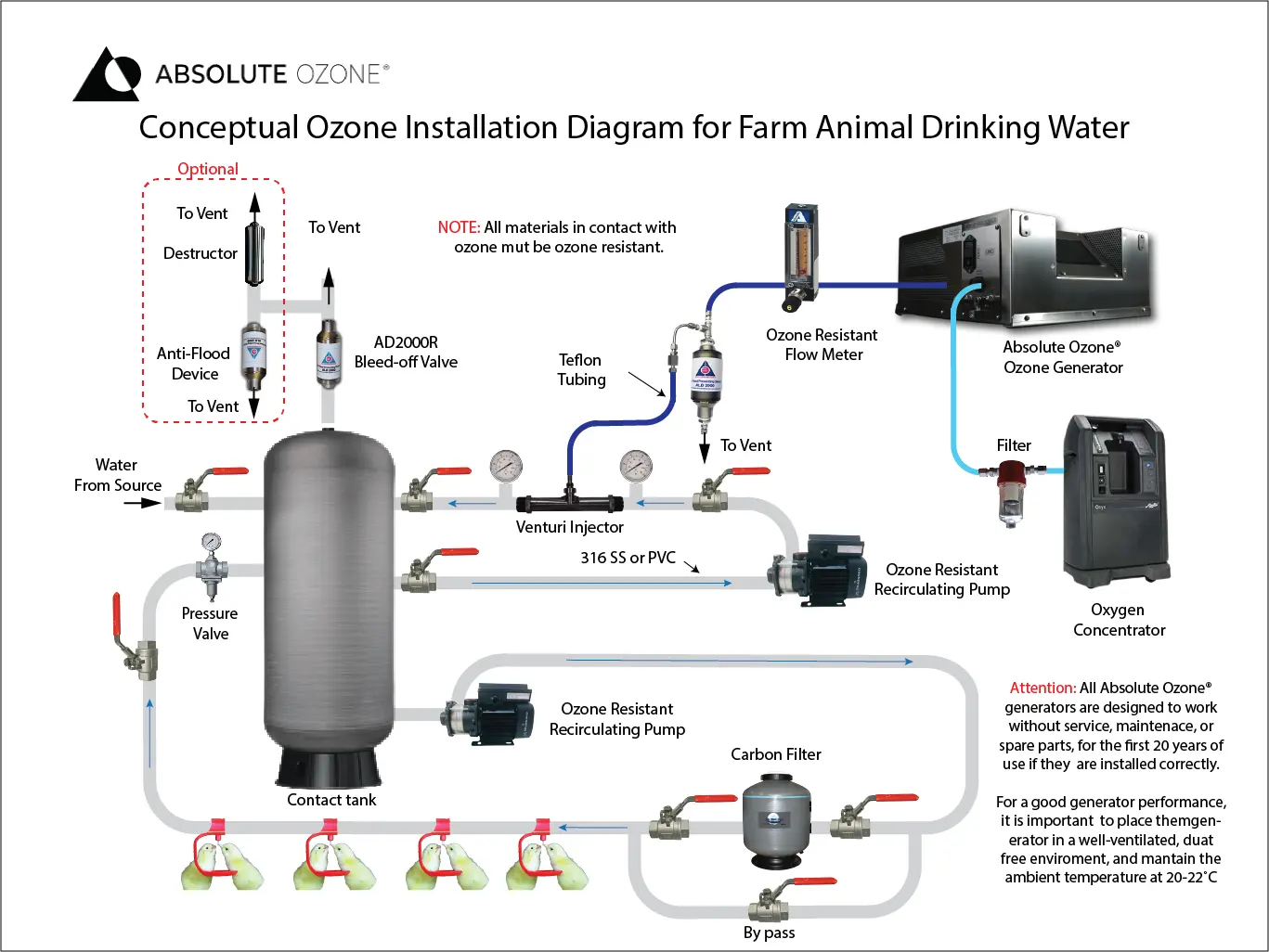 |
- Home
-
Products
- Pig Farming Equipment
- Cattle Farming Equipment
- Sheep & Goat Farming Equipment
- Poultry Farming Equipment
- Feeding & Drinking Systems
- Veterinary & Breeding Equipment
- Testing & Diagnostic Equipment
- Cleaning & Biosecurity Equipment
- Climate Control Equipment
- Livestock Weighing Equipment
- Manure & Waste Management
- Farm Transport & Handling
-
Solutions
- Pig Farm Solutions
- Dairy Farm Solutions
- Beef Cattle Farm Solutions
- Sheep & Goat Farm Solutions
- Layer Farm Solutions
- Broiler Farm Solutions
- Feeding & Drinking System Solutions
- Climate Control Solutions
- Biosecurity & Disinfection Solutions
- Manure & Waste Management
- Smart Farming Solutions
- Farm Renovation and Upgrade Solutions
- Partners
- Projects
- Resources
- News
- About Us
- Contact
Comments & Inquiries
Leave your questions or requirements below. We will reply as soon as possible.