Global Livestock Equipment Manufacturer & Supplier
SHEWUYOU · Livestock Equipment
Integrated Equipment Solutions for Pig, Cattle & Poultry Farms

Birth-to-30 kg Loose Farrowing Pen

Product Showcase Content
Product Name Birth-to-30 kg Loose Farrowing Pen
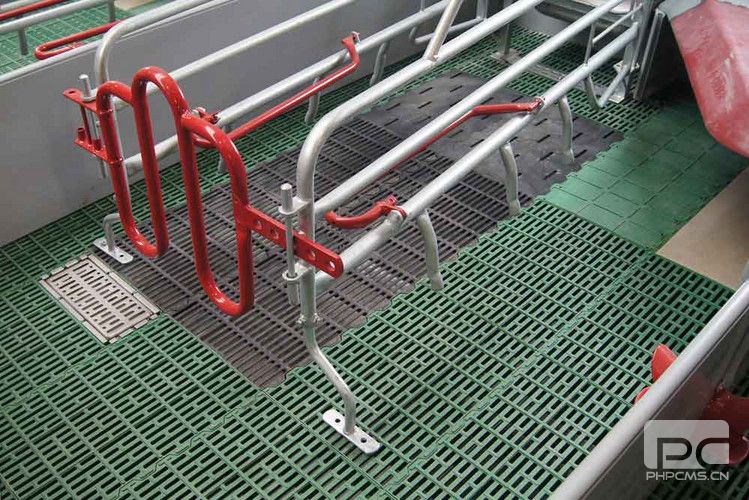
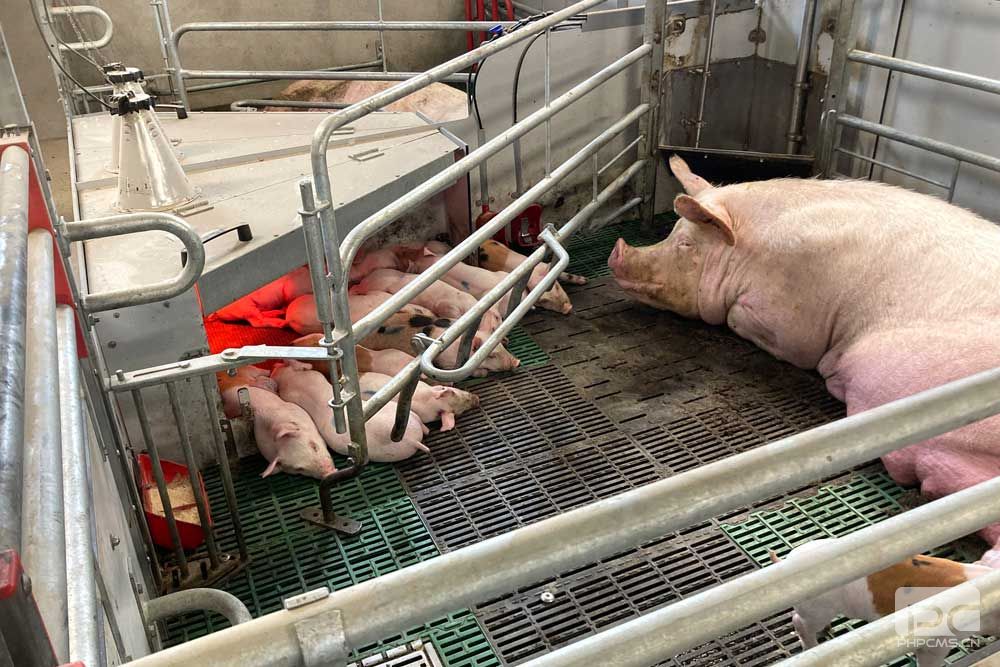
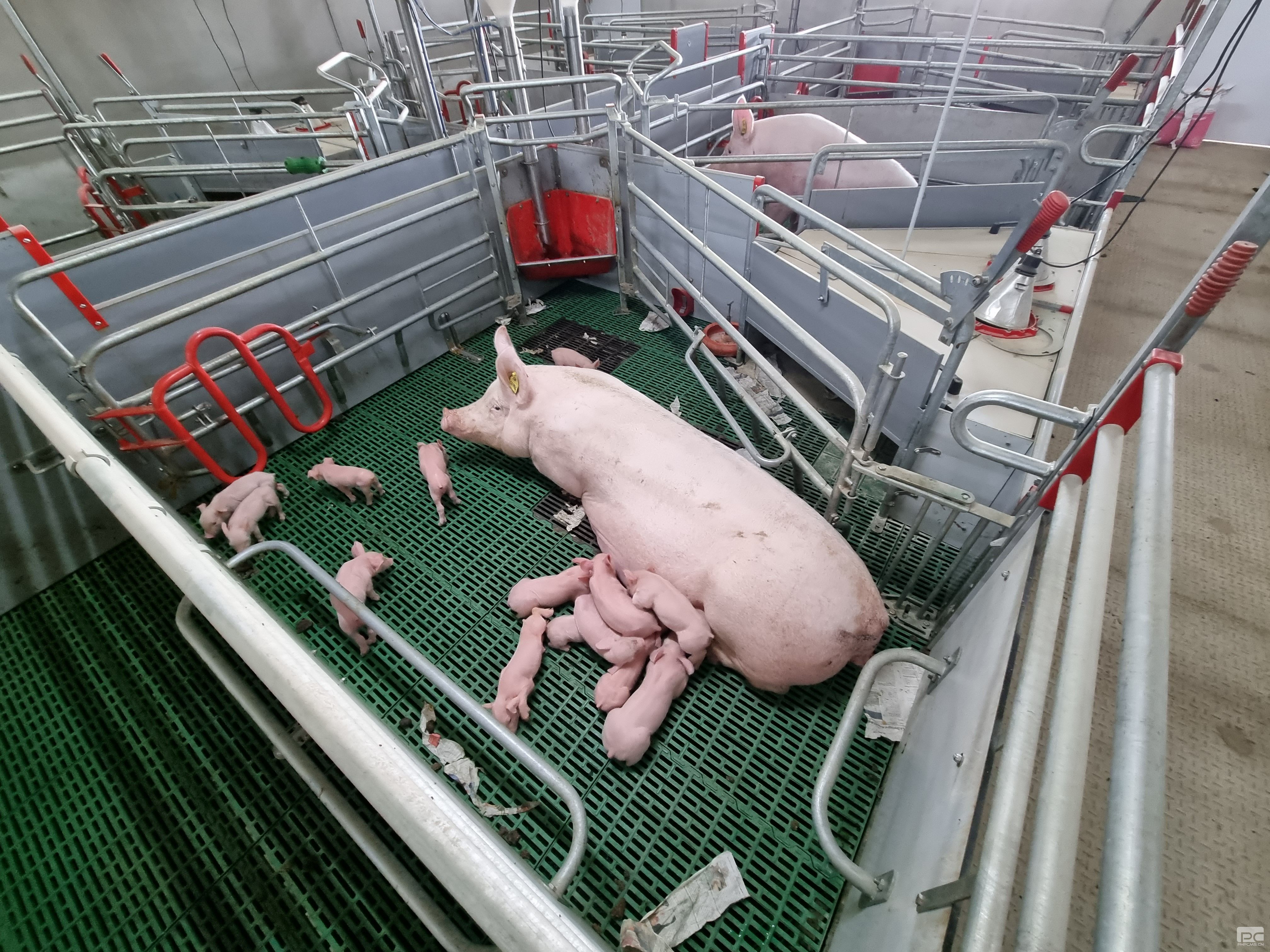
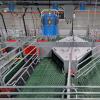
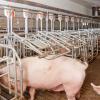
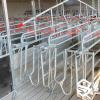
Product Image Birth-to-30 kg Loose Farrowing Pen
Product Overview

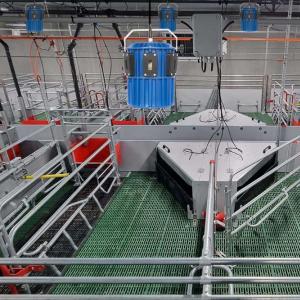
The Birth-to-30 kg Loose Farrowing Pen is a welfare-oriented sow and piglet housing system designed to keep piglets in the same pen from farrowing through the early growing stage up to approximately 30 kg. Unlike a conventional farrowing crate, the loose-housing layout provides the sow with freedom to turn around and move naturally within the pen.

After the lactation period, the sow can be removed while the piglets remain in their familiar environment. This birth-to-30 kg production concept reduces unnecessary piglet relocation between farrowing and weaner facilities and can simplify animal movement, washing and room-management procedures.

An enlarged piglet nest or climate corner provides a protected resting zone and can accommodate growing piglets beyond the conventional suckling period. Heating equipment, covered creep areas, feeding equipment, drinking systems and adjustable barriers can be integrated according to project requirements.

The system is suitable for commercial breeding farms, welfare-focused pig production and new or renovated farrowing facilities requiring flexible pen layouts and reduced animal transfers.

Key Features
  • Birth-to-30 kg Concept: Piglets can remain in the same pen from birth until approximately 30 kg, depending on the production program.
  • True Loose Sow Housing: The sow can turn around and move freely within the farrowing pen without permanent confinement.
  • Reduced Piglet Transfers: Eliminating an intermediate transfer to a separate weaner pen can reduce handling and disruption.
  • Large Piglet Nest: An enlarged protected area provides resting space suitable for growing piglets throughout an extended occupancy period.
  • Adjustable Piglet Access: Height-adjustable barriers or gates can be used to adapt access as piglets grow.
  • Localized Heating: Piglet nests can incorporate heat lamps, heating plates or other climate-control equipment.
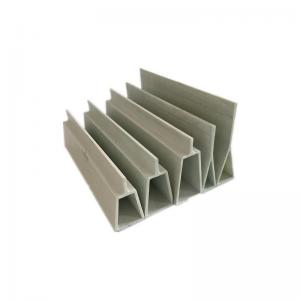
  • Flexible Pen Partitions: PVC boards, fiber panels and corrosion-resistant metal components can be selected according to project requirements.
  • Easy Observation: Covered piglet nests can be configured to allow convenient monitoring while limiting unnecessary disturbance.
  • Feeding System Integration: Sow feeding during lactation and piglet feeding after weaning can be coordinated within the same pen.
  • Commercial Farm Compatibility: Suitable for repeated installation in large farrowing rooms and batch-production systems.
  • Welfare-Focused Design: Provides additional sow movement space while maintaining dedicated feeding, resting, dunging and piglet areas.
Structural Components
  • Loose Sow Area: Open internal space designed to allow the sow to stand, lie down and turn around.
  • Pen Partitions: Durable PVC, fiber-panel or other livestock-grade partition systems.
  • Entry Gate: Secure gate with livestock-compatible locking mechanism for sow movement and routine management.
  • Safeguard Bars: Protective rails can be positioned along selected pen areas to provide additional piglet protection.
  • Piglet Nest: Enlarged enclosed or semi-enclosed resting area designed for piglets during suckling and early growth.
  • Nest Cover: Available with provisions for localized heating equipment according to project requirements.
  • Adjustable Barrier: Height-adjustable piglet barrier can help adapt the nest entrance as pigs grow.
  • Sow Feeder: Individual feeding equipment positioned for convenient sow access during lactation.
  • Piglet Feeder: Creep or post-weaning feeding equipment can be integrated into the pen.
  • Drinking Equipment: Separate water points can be provided for the sow and piglets.
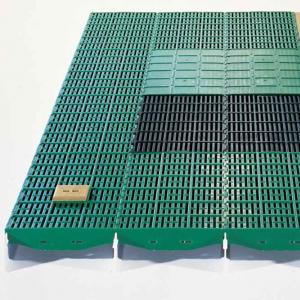
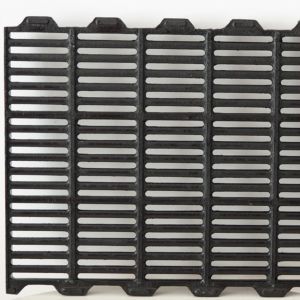
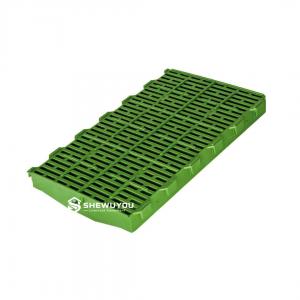
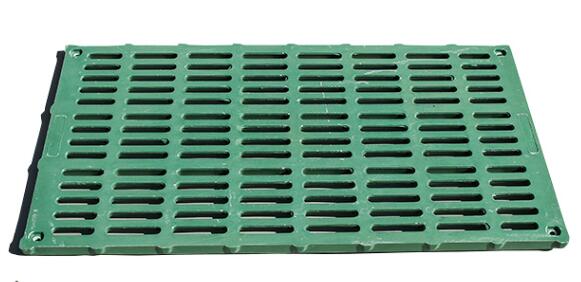
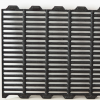
  • Flooring System: Solid, partially slatted or combination flooring according to animal and manure-management requirements.
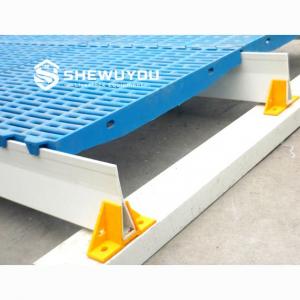
  • Mounting Components: Posts, brackets, stainless steel profiles, fasteners and floor-fixing components according to the installation design.
Working Principle / Structural Principle

Loose Farrowing: The sow occupies a larger pen where she can change position and turn around rather than remaining permanently confined inside a conventional farrowing crate.

Piglet Protection: A dedicated piglet nest and strategically positioned protective rails provide piglets with resting areas away from the sow's main movement zone.

Birth-to-30 kg Management: Piglets remain in the familiar farrowing pen after the sow leaves. The pen then functions as an early-growth housing area, reducing the need to transfer piglets into a separate weaner facility.

Climate Zoning: The sow and piglets have different thermal requirements. A covered and optionally heated piglet nest creates a warmer microclimate while the general room temperature can be managed primarily for the sow.

Feeding Transition: Feeding equipment can be arranged so that the pen supports sow feeding during lactation and appropriate piglet feeding after weaning.

Technical Specifications
Product Type Loose farrowing and birth-to-30 kg pig housing system
Application Farrowing, lactation and early piglet growth
Piglet Production Stage From birth to approximately 30 kg
Sow Housing Loose housing with freedom of movement
Pen Dimensions Customizable according to project requirements
Partition Material PVC board, fiber panel or other livestock-grade material
Metal Components Galvanized or stainless steel according to project requirements
Piglet Nest Extra-large configuration suitable for extended piglet occupancy
Nest Barrier Adjustable configuration available
Nest Cover Available with or without heating-lamp provision
Piglet Heating Heat lamp, heating plate or project-specific system
Floor System Solid, slatted or combination flooring
Feeding System Manual or automatic options available
Drinking System According to project requirements
Installation Modular installation according to barn and floor design
Applications
  • Welfare-focused commercial pig farms
  • Loose sow farrowing houses
  • Farrowing and lactation facilities
  • Birth-to-30 kg pig production systems
  • Breeding and multiplier pig farms
  • High-welfare pork production projects
  • New commercial farrowing-house construction
  • Existing pig house renovation projects
  • Farm expansion and modernization projects
  • Integrated commercial swine production facilities
Customization Options
  • Overall pen length and width
  • Sow movement and lying-area layout
  • PVC board or fiber-panel partitions
  • Galvanized or stainless steel components
  • Pen gate configuration
  • Safeguard bar arrangement
  • Piglet nest dimensions
  • Height-adjustable piglet barrier
  • Open or covered piglet nest
  • Heat-lamp opening in nest cover
  • Electric or hot-water heating plate
  • Sow feeder configuration
  • Piglet creep and post-weaning feeder
  • Sow and piglet drinking equipment
  • Solid, partially slatted or combination flooring
  • Manure drainage and collection interface
  • Automatic feeding system connection
  • New-building or renovation installation
  • Designed according to local farm conditions and management requirements
Installation & Maintenance

Typical Installation Process

  1. Confirm farrowing-room dimensions, service aisles and pen arrangement.
  2. Verify flooring, manure-channel and drainage layouts.
  3. Mark partition, post and gate mounting positions.
  4. Install main posts and structural pen partitions.
  5. Install gates, safeguard rails and supporting metal components.
  6. Assemble the enlarged piglet nest and adjustable access barrier.
  7. Install the nest cover and localized heating equipment where required.
  8. Install sow and piglet feeding equipment.
  9. Connect drinking lines and water equipment.
  10. Connect automatic feeding equipment where applicable.
  11. Check gates, fasteners and all animal-contact surfaces before commissioning.

Routine Maintenance

  • Inspect gates, locks, posts and partitions regularly.
  • Check safeguard bars and mounting hardware for looseness or damage.
  • Inspect galvanized and stainless steel components for wear or corrosion.
  • Clean sow and piglet feeding equipment between production batches.
  • Check drinking equipment for leakage and correct water flow.
  • Inspect piglet heating equipment before each farrowing cycle.
  • Keep slatted flooring and manure drainage systems unobstructed.
  • Inspect nest covers and adjustable barriers for correct operation.
  • Wash, disinfect and dry the complete pen according to farm biosecurity procedures.
Project Cases

Birth-to-30 kg loose farrowing pens can be arranged in repeated rows for new commercial farrowing houses or incorporated into renovation projects where producers are transitioning from conventional farrowing systems to loose sow housing.

For batch-production farms, individual rooms can be equipped with multiple loose farrowing positions together with centralized feeding, water supply, ventilation, piglet heating and manure-management systems.

Because piglets can remain in the same pen after the sow is removed, the farm layout can reduce dependence on a separate early weaner transfer stage. Final animal flow, stocking density and room scheduling should be designed according to the farm's production program.

Customized layouts, equipment configurations and project proposals are available upon request.

Product FAQ

Q: What is a Birth-to-30 kg Loose Farrowing Pen?
A: It is a loose sow farrowing system designed so that piglets can remain in the same pen from birth until approximately 30 kg instead of being moved immediately to a separate weaner facility.

Q: Is the sow permanently confined?
A: No. The loose-housing concept is designed to provide the sow with space to turn around and move within the pen.

Q: What happens after the sow is weaned?
A: The sow can be removed while the piglets remain in the familiar pen for the next growth stage, according to the selected farm production system.

Q: Why keep piglets in the same pen after weaning?
A: Keeping piglets in a familiar environment can reduce animal movement and handling while simplifying the transition between lactation and early growth management.

Q: Does the system include a piglet nest?
A: Yes. An enlarged piglet nest can be incorporated to provide a protected resting and climate-controlled area for growing piglets.

Q: Can the piglet nest include heating?
A: Yes. Heat lamps, heating plates and related temperature-control solutions are available according to project requirements.

Q: Can the piglet entrance be adjusted as the pigs grow?
A: Yes. Adjustable barrier configurations are available to adapt piglet access during different growth stages.

Q: What partition materials are available?
A: PVC board, fiber panels and corrosion-resistant metal components can be selected according to project requirements.

Q: Can automatic feeding be integrated?
A: Yes. Sow feeding during lactation and piglet feeding after weaning can be coordinated with manual or automatic feed-delivery systems.

Q: Is the pen suitable for existing farrowing-house renovation?
A: Yes. Dimensions, mounting points and equipment interfaces can be customized according to the existing building and flooring conditions.

Q: Can the complete pen dimensions be customized?
A: Yes. Pen size and internal zoning can be configured according to sow genetics, piglet production targets, building dimensions and applicable welfare requirements.

Q: What information is required for a quotation?
A: Please provide the number of farrowing places, sow size or genetics, barn dimensions, preferred flooring, feeding and drinking systems, piglet heating requirements and available layout drawings.

Product Gallery Loose Sow Farrowing Pen with Piglet Nest

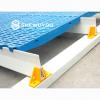
Loose Farrowing Sow and Piglets Housing System

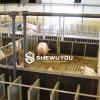
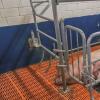
Commercial Loose Farrowing Pen for Sows and Piglets

Comments & Inquiries

Leave your questions or requirements below. We will reply as soon as possible.