

| Product Showcase | Content | ||||||||||||||||||||||||||
| Product Name | High Dust-Holding High-Efficiency Bag Filter for Pig Farms | ||||||||||||||||||||||||||
| Product Image | 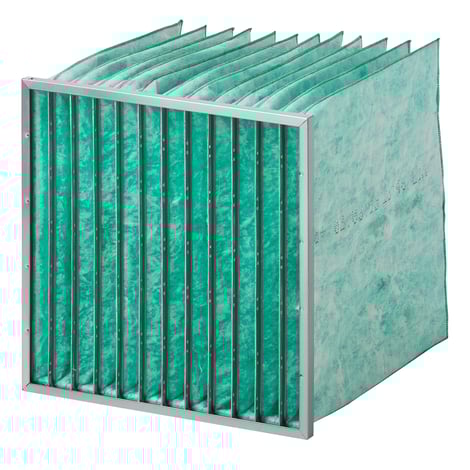 |
||||||||||||||||||||||||||
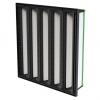
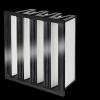
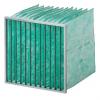
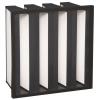
| Product Overview | The High Dust-Holding High-Efficiency Bag Filter for Pig Farms is designed for supply-air filtration in commercial swine buildings, breeding farms, boar studs, sow units and other livestock facilities where continuous ventilation requires efficient particulate removal with practical operating resistance. Its multi-pocket structure provides a large effective filtration area within a modular frame. The extended media surface allows the filter to accumulate a substantial dust load while maintaining stable airflow over a long operating period. This makes the design particularly suitable for agricultural environments where incoming air may contain dust, pollen and other airborne particulate matter. The filter can be incorporated into multi-stage pig house air filtration systems as a secondary or high-efficiency filtration stage. Filtration grade, dimensions, pocket quantity, pocket depth and installation configuration can be selected according to the ventilation design and farm biosecurity requirements. |
||||||||||||||||||||||||||
| Key Features |
|
||||||||||||||||||||||||||
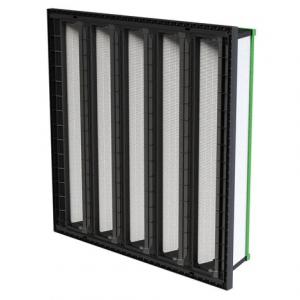
| Structural Components | Header Frame: A rigid metal or project-specified frame supports the filter pockets and provides a stable mounting interface for filter housings and filter walls. Filter Pockets: Multiple deep pockets maximize filtration media area while maintaining a practical frontal installation size. Filtration Media: Fine fibrous filter media captures airborne particulate matter as ventilation air passes through the pockets. Media selection is available according to required filtration efficiency. Pocket Spacers: Internal separators or pocket-control elements help maintain pocket shape and promote uniform airflow distribution. Sealing Interface: Gasket and sealing configurations can be supplied to minimize bypass leakage between the filter frame and supporting structure. Support System: The filter can be integrated with galvanized steel, stainless steel or other project-specific supporting frames used in livestock ventilation installations. |
||||||||||||||||||||||||||
| Working Principle / Structural Principle | During ventilation operation, supply or exhaust fans create the pressure differential required to move outdoor air through the filtration system. In a typical pig farm installation, incoming air first passes through a coarse pre-filter that captures larger dust particles, insects and debris. The air then enters the high-efficiency bag filter. Multiple filter pockets distribute the airflow across a large media surface, allowing fine airborne particles to be captured throughout the depth of the filter media. The large media area helps control air velocity through the filter and provides additional capacity for accumulated dust. Filtered air can then enter an air plenum, ceiling inlet system, ventilation duct or livestock room according to the building design. Proper sealing between filters, mounting frames and the building envelope is essential to reduce unfiltered bypass air. |
||||||||||||||||||||||||||
| Technical Specifications |
|
||||||||||||||||||||||||||
| Applications |
|
||||||||||||||||||||||||||
| Customization Options | SHEWUYOU can configure bag filters according to the ventilation requirements of different commercial livestock projects. Customization options can include overall width and height, pocket depth, number of pockets, filtration efficiency, filter media, frame construction, sealing arrangement and installation interface. Complete filter-bank configurations can also be developed according to building airflow, ventilation fan capacity, available installation space, stocking density, seasonal ventilation demand, local dust conditions and farm biosecurity requirements. Supporting filter frames, pre-filter stages and modular filtration walls are available according to project requirements. |
||||||||||||||||||||||||||
| Installation & Maintenance | Bag filters should be installed in a rigid filter housing or support frame with the correct airflow direction. Each filter should fit securely against the sealing surface to reduce the possibility of bypass leakage. For pig farm applications with heavy outdoor dust loading, installation of a coarse pre-filter upstream of the bag filter is recommended. A properly selected pre-filtration stage can reduce the amount of large particulate matter reaching the high-efficiency filter and help extend its useful operating period. Differential pressure across the filter bank should be monitored as part of routine ventilation management. Filter replacement should be based on system pressure drop, airflow performance, physical condition and the site's biosecurity or preventive maintenance procedures. Filter media should be protected from rain and uncontrolled moisture during storage and operation. Periodic inspections should also check the filter frame, gasket, support grid and surrounding building structure for gaps or damage. |
||||||||||||||||||||||||||
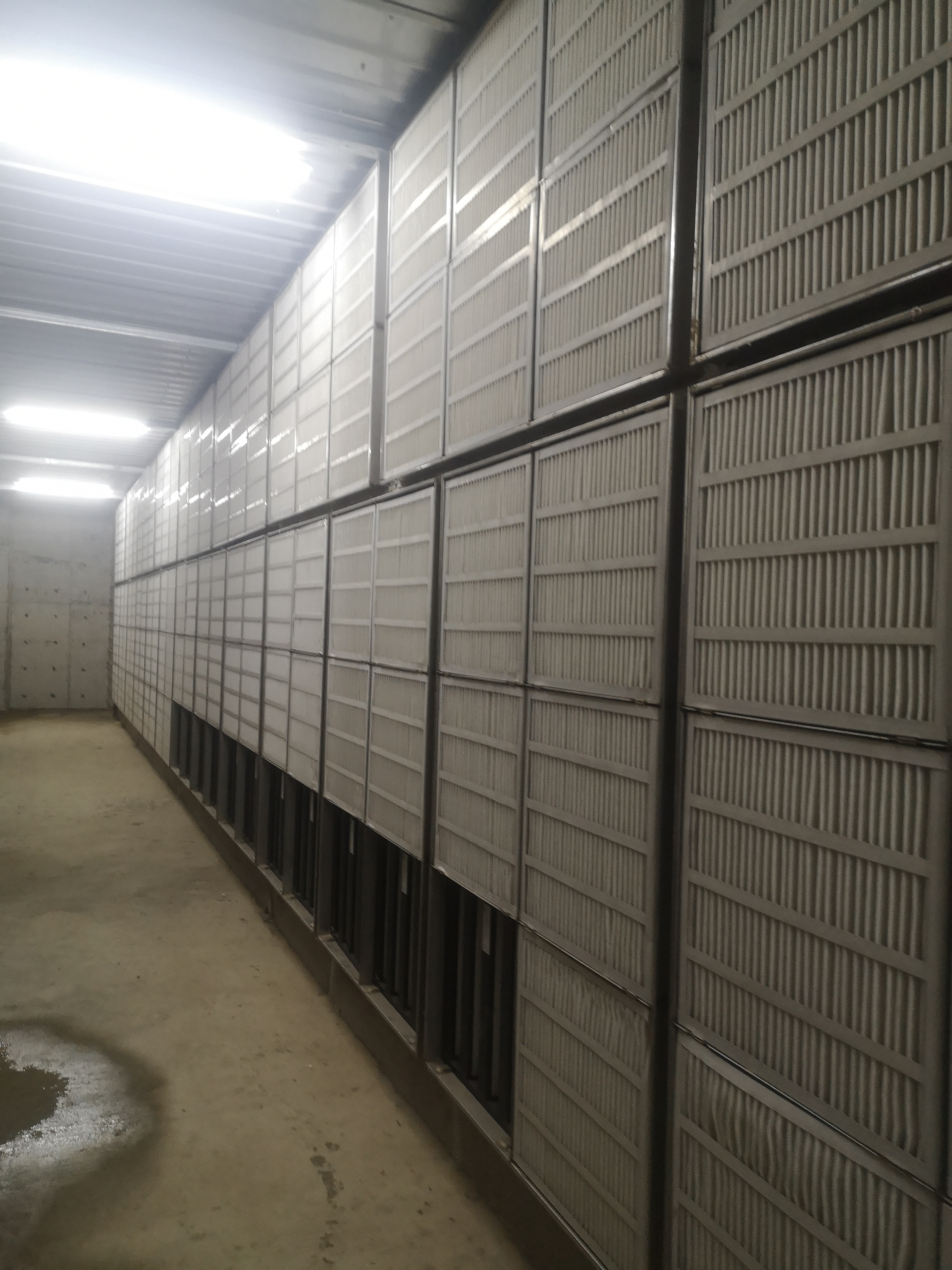
| Project Cases | A typical commercial pig farm filtration project uses a multi-stage air intake arrangement. Outdoor air first passes through a coarse pre-filter before entering the high dust-holding bag filter. The filtered air is then supplied through an air plenum, ceiling inlet or ducted ventilation system. In positive-pressure livestock buildings, multiple bag filters can be installed in vertical filter banks upstream of high-pressure ventilation fans. For negative-pressure pig houses, filters may be incorporated into sealed attic or air-inlet filtration assemblies. The number of filters, total filter area and supporting structure should be engineered according to the building ventilation rate and allowable system resistance rather than selected only by building floor area. |
||||||||||||||||||||||||||
| Product FAQ | Q: Why is a high dust-holding bag filter useful in pig farms? A: Livestock ventilation systems operate for long periods and may encounter substantial outdoor dust loading. A large media area provides additional capacity for captured particulate matter while helping maintain practical airflow through the ventilation system. Q: Can the bag filter be used as the only filtration stage? A: The required filtration arrangement depends on the farm environment and biosecurity objective. In dusty agricultural locations, a coarse pre-filter is generally recommended ahead of the higher-efficiency bag filter. Q: Can the filtration grade be customized? A: Yes. Filtration efficiency can be selected according to project requirements and the required air filtration strategy. Q: Can the dimensions and number of pockets be customized? A: Yes. Overall dimensions, pocket depth and pocket configuration can be adjusted to suit filter housings, ventilation rooms and project-specific supporting frames. Q: How is the correct filter quantity determined? A: Filter quantity should be calculated from the required building airflow, recommended face velocity, filter pressure drop and available installation area. Q: How should the filter be maintained? A: Inspect the filter bank regularly, monitor differential pressure, check for air bypass and replace filters according to pressure-drop limits, physical condition and farm maintenance procedures. Q: Can this product be supplied for new pig farm construction? A: Yes. It can be integrated into new steel-structure pig houses, centralized ventilation rooms and modular filtered-air intake systems. |
||||||||||||||||||||||||||
| Product Gallery | 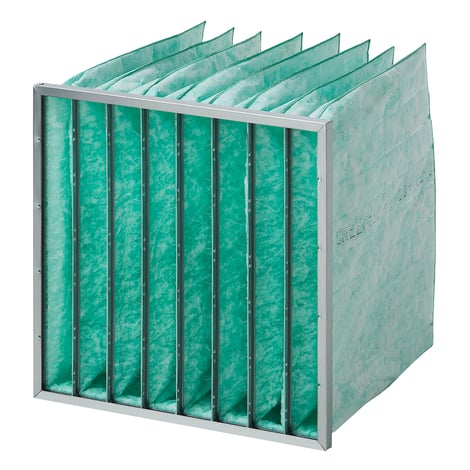   |
- Home
-
Products
- Pig Farming Equipment
- Cattle Farming Equipment
- Sheep & Goat Farming Equipment
- Poultry Farming Equipment
- Feeding & Drinking Systems
- Veterinary & Breeding Equipment
- Testing & Diagnostic Equipment
- Cleaning & Biosecurity Equipment
- Climate Control Equipment
- Livestock Weighing Equipment
- Manure & Waste Management
- Farm Transport & Handling
-
Solutions
- Pig Farm Solutions
- Dairy Farm Solutions
- Beef Cattle Farm Solutions
- Sheep & Goat Farm Solutions
- Layer Farm Solutions
- Broiler Farm Solutions
- Feeding & Drinking System Solutions
- Climate Control Solutions
- Biosecurity & Disinfection Solutions
- Manure & Waste Management
- Smart Farming Solutions
- Farm Renovation and Upgrade Solutions
- Partners
- Projects
- Resources
- News
- About Us
- Contact

Comments & Inquiries
Leave your questions or requirements below. We will reply as soon as possible.