
| Product Showcase | Content | ||||||||||||||||||||||||
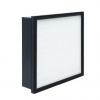
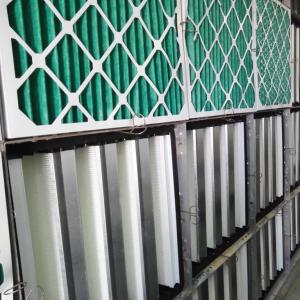
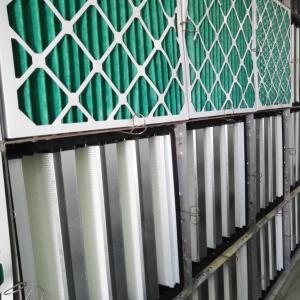
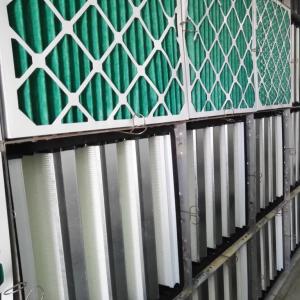
| Product Name | Sealed Quick-Change Filter Wall Frame System for Pig Houses | ||||||||||||||||||||||||
| Product Image |  |
||||||||||||||||||||||||
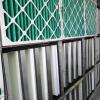
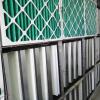
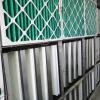
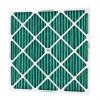
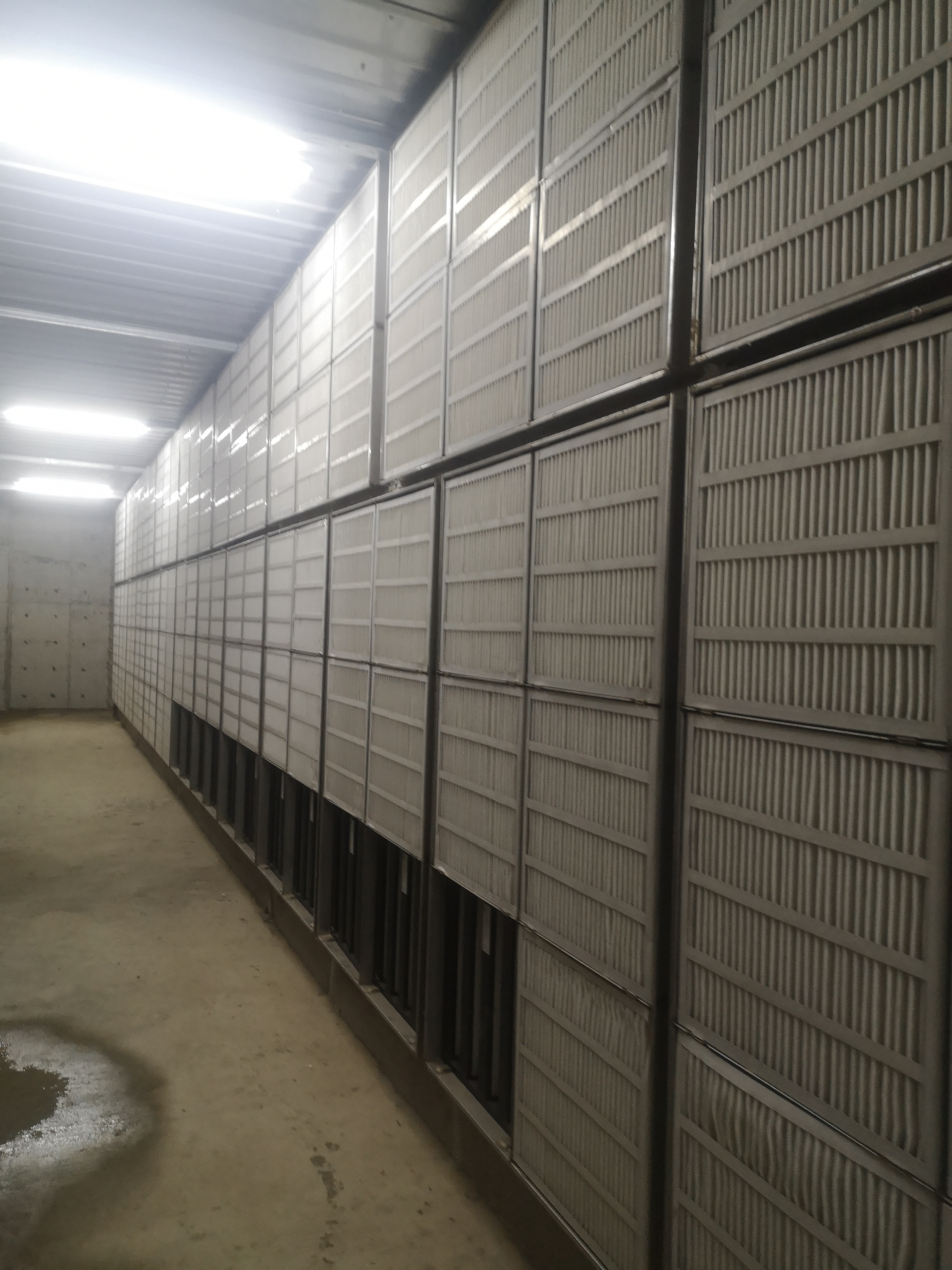
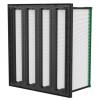
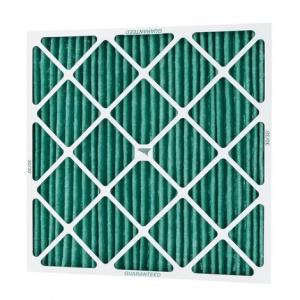
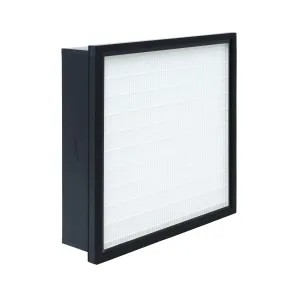
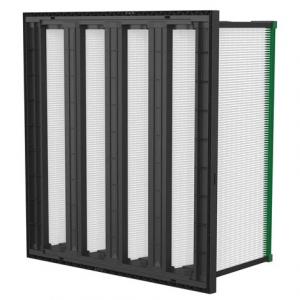
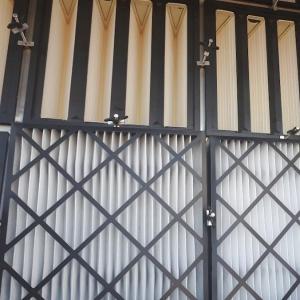
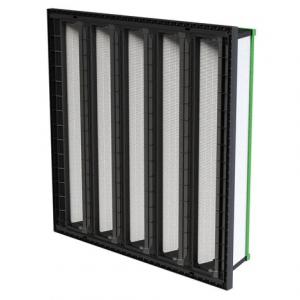
| Product Overview | The Sealed Quick-Change Filter Wall Frame System for Pig Houses is a modular filter-support structure developed for commercial swine ventilation and biosecurity projects. It provides a stable mounting platform for panel, bag, compact or other project-specified ventilation filters while helping maintain a controlled seal between the filter element and the supporting frame. The system can be assembled as an individual filter holder or combined into a large filter-bank wall for centralized pig house air-intake systems. Quick-release clamping or compression mechanisms allow filters to be removed and installed efficiently during routine maintenance without dismantling the complete wall structure. Frame dimensions, materials, filter configurations and installation arrangements can be customized according to pig house construction, ventilation capacity, local climate, filter type and farm biosecurity requirements. |
||||||||||||||||||||||||
| Key Features |
|
||||||||||||||||||||||||
| Structural Components |
|
||||||||||||||||||||||||
| Working Principle / Structural Principle | Each air filter is positioned inside the holding frame and pressed against the perimeter sealing gasket using mechanical clamps or a project-specific compression mechanism. The compression force creates close contact between the filter and the supporting frame, helping direct ventilation air through the filter media instead of allowing air to bypass around the filter edges. Multiple frames can be joined to create a continuous filter bank across the pig house air-intake opening. Incoming outdoor air passes through the installed filter elements before entering the ventilation chamber or livestock building. During maintenance, the retaining mechanism is released, allowing the loaded filter to be removed and a replacement unit to be installed. The new filter is then compressed against the gasket to restore the sealed airflow path. |
||||||||||||||||||||||||
| Technical Specifications |
|
||||||||||||||||||||||||
| Applications |
|
||||||||||||||||||||||||
| Customization Options | The filter wall frame can be engineered according to the ventilation and construction requirements of each livestock project.
|
||||||||||||||||||||||||
| Installation & Maintenance | The filter frames should be mounted on a rigid supporting structure capable of maintaining correct alignment across the complete filter wall. Frame-to-frame joints and connections between the filter bank and the livestock building should be properly sealed to minimize uncontrolled air leakage. During filter installation, the filter should be positioned evenly against the gasket before the retaining clamps are engaged. Compression should be distributed consistently around the filter perimeter to maintain effective contact with the sealing surface. Regular maintenance should include inspection of filter loading, clamps, structural connections and gasket condition. Damaged or permanently compressed sealing materials should be replaced when necessary. The frame surface can be cleaned according to farm hygiene procedures and material compatibility. |
||||||||||||||||||||||||
| Project Cases | Modular holding-frame systems are suitable for pig farm projects where multiple air filters must be assembled into large filtration banks while retaining convenient access for routine replacement. Typical project configurations include wall-mounted filter banks for filtered fresh-air rooms, centralized air-intake corridors and high-biosecurity breeding facilities. The required number of filter frames is calculated according to design airflow, selected filter face velocity, available installation area and acceptable system resistance. For new construction or retrofit projects, SHEWUYOU can configure the supporting steel structure and frame arrangement according to pig house drawings and ventilation system requirements. |
||||||||||||||||||||||||
| Product FAQ | Q: Why is sealing important in a pig house filter wall? A: Air that leaks around the edge of a filter does not pass through the filtration media. A properly compressed gasket helps control bypass leakage and supports consistent filter-wall performance. Q: Can different filter types be installed in the frame? A: Yes. The system can be configured for panel, bag, compact or other project-selected filters, provided the frame dimensions and retention mechanism are designed for the selected filter. Q: Can the frames be assembled into a large filter wall? A: Yes. The modular design allows multiple frames to be connected into filter banks sized according to pig house airflow and available installation space. Q: Is stainless steel available? A: Yes. Stainless steel or galvanized steel construction is available according to project requirements and farm environmental conditions. Q: Can filters be changed from one side of the wall? A: The maintenance side can be designed according to the building layout, filter type and access requirements. Q: Can this system be used for retrofit projects? A: Yes. Custom filter-bank dimensions and supporting structures can be developed for existing pig houses when sufficient installation and maintenance space is available. Q: What information is required for system design? A: Recommended information includes pig house dimensions, maximum ventilation capacity, filter type, filtration efficiency, air-intake dimensions, available maintenance space and building drawings. |
||||||||||||||||||||||||
| Product Gallery |    |
- Home
-
Products
- Pig Farming Equipment
- Cattle Farming Equipment
- Sheep & Goat Farming Equipment
- Poultry Farming Equipment
- Feeding & Drinking Systems
- Veterinary & Breeding Equipment
- Testing & Diagnostic Equipment
- Cleaning & Biosecurity Equipment
- Climate Control Equipment
- Livestock Weighing Equipment
- Manure & Waste Management
- Farm Transport & Handling
-
Solutions
- Pig Farm Solutions
- Dairy Farm Solutions
- Beef Cattle Farm Solutions
- Sheep & Goat Farm Solutions
- Layer Farm Solutions
- Broiler Farm Solutions
- Feeding & Drinking System Solutions
- Climate Control Solutions
- Biosecurity & Disinfection Solutions
- Manure & Waste Management
- Smart Farming Solutions
- Farm Renovation and Upgrade Solutions
- Partners
- Projects
- Resources
- News
- About Us
- Contact

Comments & Inquiries
Leave your questions or requirements below. We will reply as soon as possible.