
| Product Showcase | Content | ||||||||||||||||||||||||
| Product Name | Box Air Filter Wall for Pig House Biosecurity | ||||||||||||||||||||||||
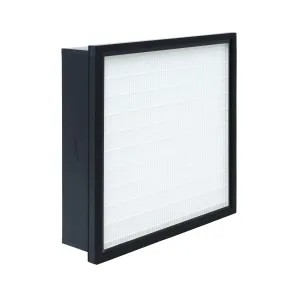
| Product Image |  |
||||||||||||||||||||||||
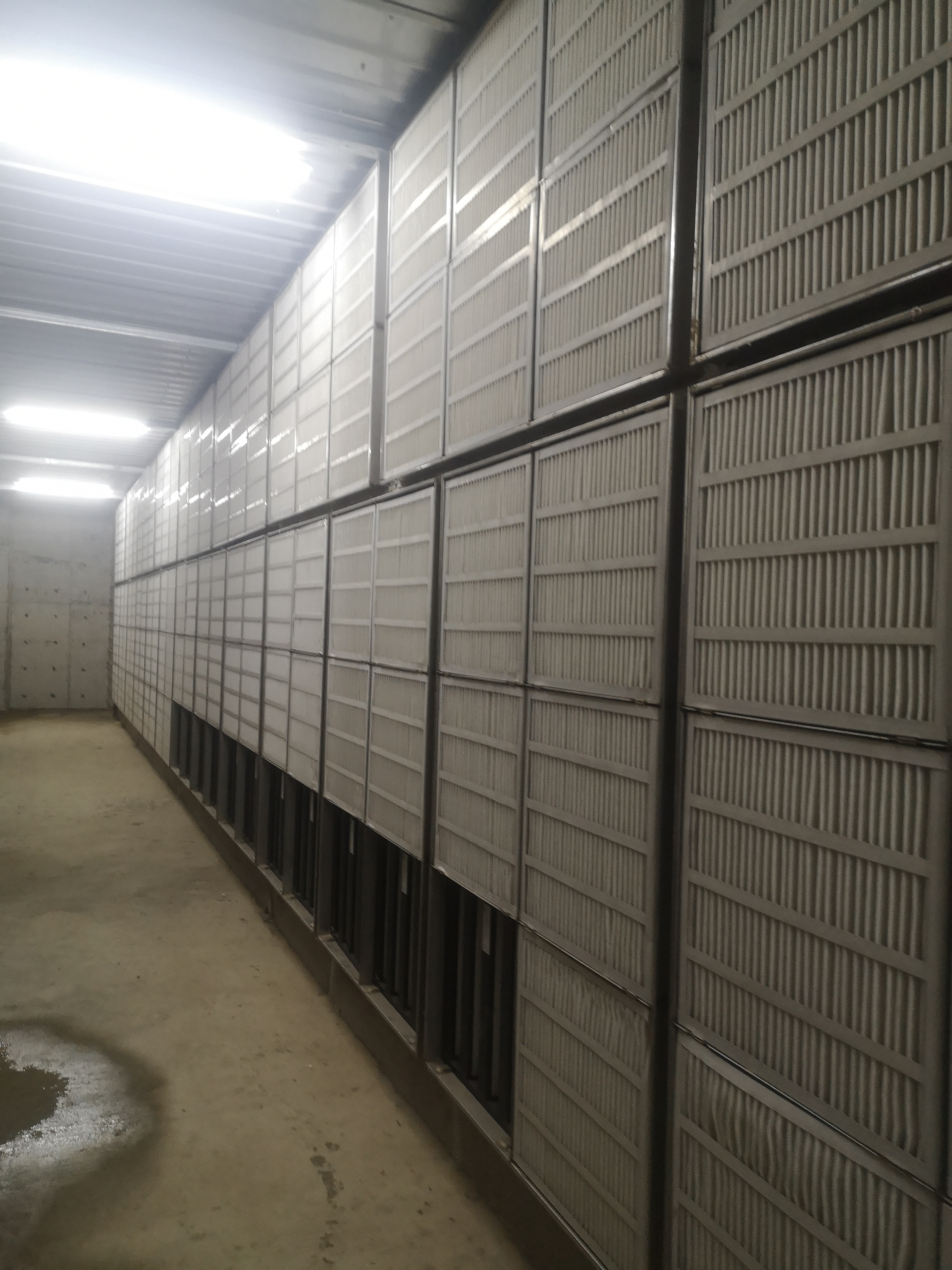
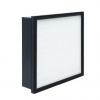
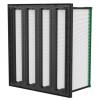
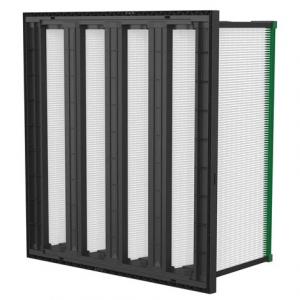
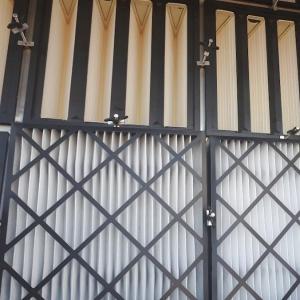
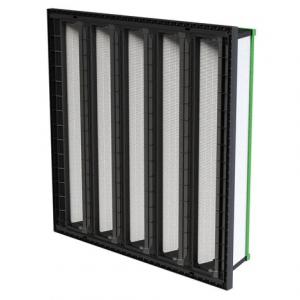
| Product Overview | The Box Air Filter Wall for Pig House Biosecurity is a modular air inlet filtration solution designed for commercial swine facilities requiring controlled and filtered supply air. Individual box-type filter modules are installed in a supporting wall or frame system to create a large-area filtration barrier between outdoor air and the livestock environment. The system is suitable for new pig house construction, renovation projects, breeding farms, sow farms, boar studs, nucleus farms, and other facilities where incoming-air management is an important part of the farm biosecurity strategy. Compared with an unfiltered air inlet, the filter wall helps reduce airborne dust and particulate contamination entering through the ventilation system. The filtration wall can be engineered according to required ventilation capacity, building dimensions, available installation space, filtration grade, pressure-drop requirements, and local climatic conditions. Final filter selection should be coordinated with the pig house ventilation design to maintain the required airflow and static pressure. |
||||||||||||||||||||||||
| Key Features |
|
||||||||||||||||||||||||
| Structural Components |
|
||||||||||||||||||||||||
| Working Principle / Structural Principle | Outdoor air is drawn toward the pig house by the mechanical ventilation system. Before the air enters the animal area, it passes through the box filter wall. The filtration media captures airborne particulate matter as air moves through the filter surface. The large media area of the box-type configuration allows the required farm airflow to be distributed across multiple filter modules, helping control face velocity and pressure drop. The filtered air then enters the clean-air plenum, inlet corridor, ventilation duct, attic space, or other designed distribution area before being supplied to the pig house. Proper sealing around the modules is important because uncontrolled bypass air can reduce the effectiveness of the filtration system. For higher biosecurity projects, the box filter wall can be designed as part of a multi-stage filtration arrangement combining pre-filtration and final filtration according to the farm's ventilation calculations and risk-management requirements. |
||||||||||||||||||||||||
| Technical Specifications |
|
||||||||||||||||||||||||
| Applications |
|
||||||||||||||||||||||||
| Customization Options | The Box Air Filter Wall can be engineered to match different pig house designs and ventilation concepts. Available customization may include:
|
||||||||||||||||||||||||
| Installation & Maintenance | The filter wall should be installed on a rigid and correctly aligned supporting structure. The frame must be securely connected to the pig house wall, steel structure, filtration room, or ventilation chamber. Each filter module should be seated correctly against its sealing surface to minimize air bypass. The complete filtration area should be coordinated with the designed maximum ventilation rate so that excessive airflow resistance is avoided. During operation, farm personnel should inspect the filter surface, supporting frame, gaskets, joints, and surrounding air inlet structure at regular intervals. Differential pressure monitoring is recommended where appropriate because increasing resistance can indicate filter loading. Filter replacement intervals depend on dust concentration, outdoor air quality, operating hours, ventilation rate, filter type, and farm conditions. Replacement criteria should follow the selected filter specification and the project's maintenance plan. |
||||||||||||||||||||||||
| Project Cases | Typical projects include filtered ventilation systems for breeding farms, sow farms, boar studs, genetic farms, and other commercial pig facilities requiring improved control of incoming airborne contaminants. A project normally begins with ventilation airflow calculations and an evaluation of the available building space. The filtration wall area, filter arrangement, support structure, sealing method, and service access are then designed to match the pig house environmental control system. For renovation projects, modular filter walls can also be integrated into existing air inlet rooms or newly constructed filtration corridors where sufficient installation and maintenance space is available. |
||||||||||||||||||||||||
| Product FAQ | Q: Can the filter wall size be customized? A: Yes. Wall dimensions, module quantity, filter arrangement, and supporting structure can be designed according to the pig house airflow and available installation space. Q: Can different filtration grades be supplied? A: Yes. Filtration efficiency can be selected according to project requirements, ventilation design, and the farm's biosecurity strategy. Q: Can a pre-filter be installed before the box filters? A: Yes. Multi-stage configurations can include upstream pre-filtration where required to reduce coarse dust loading on the final filter stage. Q: Can the system be used for existing pig houses? A: Yes, subject to an evaluation of the existing ventilation system, structural space, fan capacity, air inlet arrangement, and acceptable pressure drop. Q: How is the required filter wall area determined? A: The wall area should be calculated from the required maximum airflow, selected filter characteristics, allowable face velocity, and system pressure-drop requirements. Q: How often should the filters be replaced? A: There is no universal replacement interval. Service life depends on outdoor dust concentration, ventilation volume, operating conditions, filtration stages, and the selected filter media. Inspection and differential-pressure monitoring should be included in the maintenance program. Q: Does an air filter wall alone guarantee disease prevention? A: No. Air filtration is one component of an integrated farm biosecurity program. Building sealing, personnel control, animal movement, sanitation, ventilation management, and other biosecurity measures remain important. |
||||||||||||||||||||||||
| Product Gallery |   |
- Home
-
Products
- Pig Farming Equipment
- Cattle Farming Equipment
- Sheep & Goat Farming Equipment
- Poultry Farming Equipment
- Feeding & Drinking Systems
- Veterinary & Breeding Equipment
- Testing & Diagnostic Equipment
- Cleaning & Biosecurity Equipment
- Climate Control Equipment
- Livestock Weighing Equipment
- Manure & Waste Management
- Farm Transport & Handling
-
Solutions
- Pig Farm Solutions
- Dairy Farm Solutions
- Beef Cattle Farm Solutions
- Sheep & Goat Farm Solutions
- Layer Farm Solutions
- Broiler Farm Solutions
- Feeding & Drinking System Solutions
- Climate Control Solutions
- Biosecurity & Disinfection Solutions
- Manure & Waste Management
- Smart Farming Solutions
- Farm Renovation and Upgrade Solutions
- Partners
- Projects
- Resources
- News
- About Us
- Contact

Comments & Inquiries
Leave your questions or requirements below. We will reply as soon as possible.