
| Product Showcase | Content | ||||||||||||||||||||||||
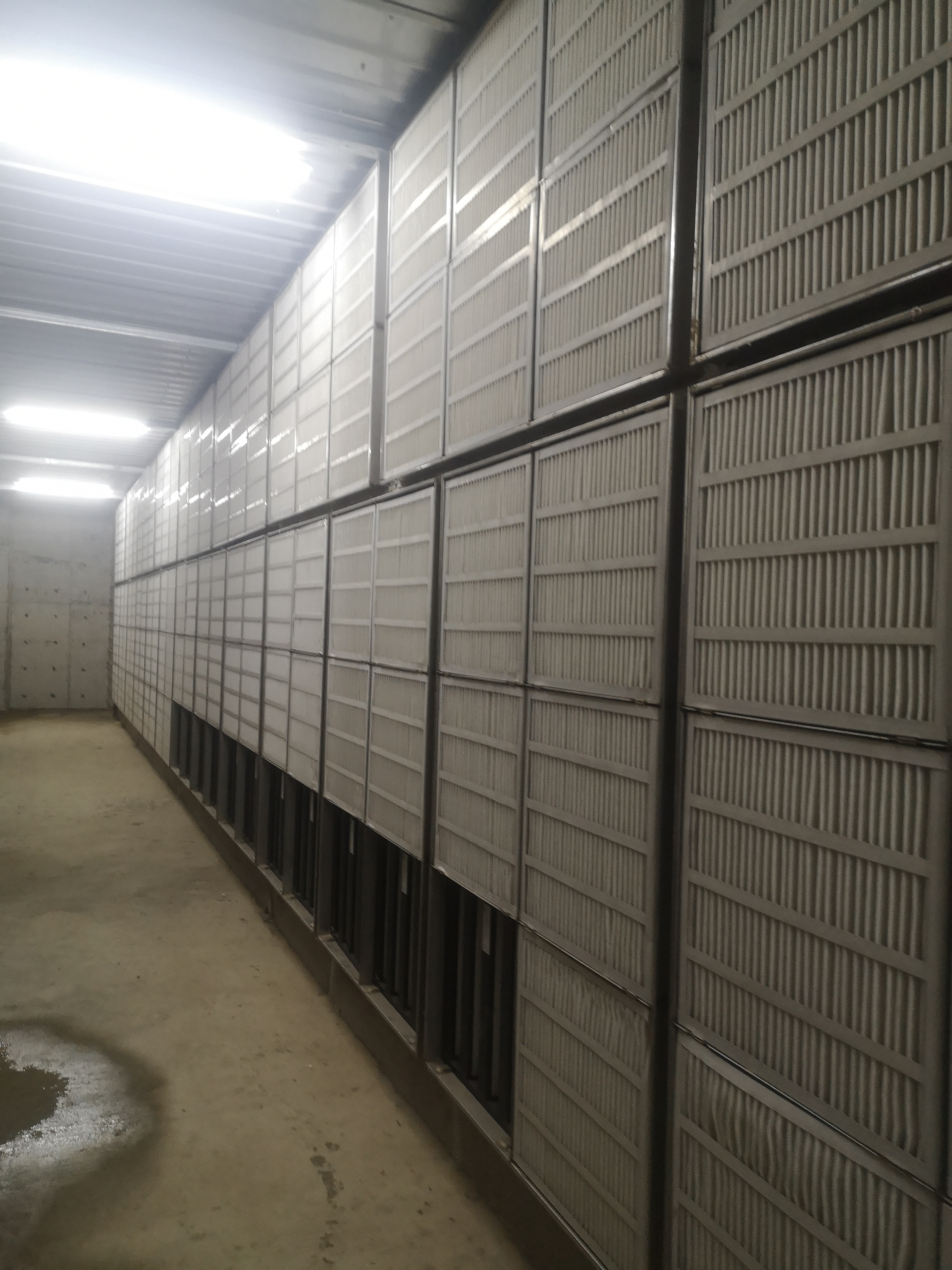
| Product Name | High-Biosecurity Pathogen Barrier Filter Wall for Pig Farms | ||||||||||||||||||||||||
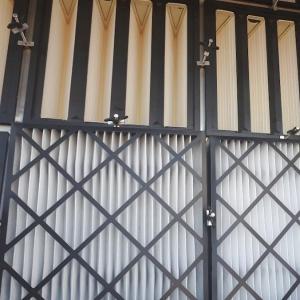
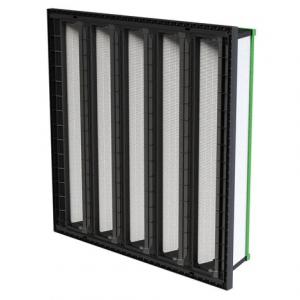
| Product Image |  |
||||||||||||||||||||||||
| Product Overview | The High-Biosecurity Pathogen Barrier Filter Wall for Pig Farms is an engineered incoming-air filtration system designed for commercial swine facilities requiring enhanced airborne biosecurity. The system creates a controlled filtration barrier between outdoor air and the livestock production environment, helping reduce the concentration of airborne particulate matter that may carry infectious agents into the pig house. Multiple high-efficiency filter modules are installed in a sealed modular wall structure and integrated with the farm ventilation system. The filter wall can be designed for positive-pressure ventilation, centralized fresh-air chambers, tunnel ventilation or cross-ventilated livestock buildings according to project requirements. The system is especially suitable for breeding farms, sow farms, genetic multiplication facilities, boar studs and other high-value pig production units where biosecurity, stable airflow and reliable environmental control are critical. |
||||||||||||||||||||||||
| Key Features |
|
||||||||||||||||||||||||
| Structural Components | A typical pathogen barrier filter wall can include:
|
||||||||||||||||||||||||
| Working Principle / Structural Principle | Outdoor air first enters the designated filtration chamber. When a pre-filter stage is installed, larger dust particles, fibers and debris are captured before the air reaches the main pathogen-barrier filter modules. The main filtration stage captures finer airborne particles through the filter media. Because many airborne microorganisms can travel in association with droplets, dust or aerosol particles, reducing these particles at the air inlet forms an important component of an integrated pig farm biosecurity strategy. Filtered air then passes into the fresh-air plenum and is distributed throughout the pig house by the ventilation system. In a positive-pressure configuration, supply fans maintain controlled airflow into the building and help reduce uncontrolled entry of unfiltered outdoor air through structural leakage points. The filter wall is engineered as part of the complete ventilation system. Filter area, fan capacity, allowable pressure drop, air leakage control and seasonal airflow demand should therefore be considered together during project design. |
||||||||||||||||||||||||
| Technical Specifications |
|
||||||||||||||||||||||||
| Applications |
|
||||||||||||||||||||||||
| Customization Options | The system can be engineered according to farm size, building structure, climate and required ventilation performance. Customization options include:
|
||||||||||||||||||||||||
| Installation & Maintenance | The filter wall is normally installed in a dedicated incoming-air chamber or fresh-air section of the pig house. The supporting structure should be accurately positioned and securely connected to the building or steel framework. Special attention should be given to sealing around filter frames, wall interfaces and structural penetrations. Uncontrolled bypass air can reduce the effectiveness of a high-biosecurity filtration system. Filters should be inspected regularly for dust loading, moisture damage, mechanical damage and gasket condition. Where differential-pressure monitoring is used, pressure-drop trends can assist farm personnel in planning filter maintenance and replacement. Pre-filters should be serviced according to local dust conditions. Main filters should be replaced according to actual operating conditions, pressure-drop limits, filter condition and the farm's established biosecurity maintenance program. |
||||||||||||||||||||||||
| Project Cases | Pathogen-barrier air filtration has been applied in commercial swine facilities where protection against airborne disease introduction is a major design objective. Such projects typically use sealed filter-support structures, pre-filters and high-efficiency final filters integrated with the building ventilation system. Different areas of a pig production site may require different airflow capacities and filter-bank dimensions. Breeding, maternity, nursery and finishing buildings should therefore be evaluated individually during ventilation and filtration design. SHEWUYOU can configure filter wall layouts for new pig farm construction, existing barn renovation and centralized air-filtration projects according to project requirements. |
||||||||||||||||||||||||
| Product FAQ | Q: What is the purpose of a pathogen barrier filter wall in a pig farm? A: It filters incoming ventilation air and reduces airborne particulate matter that may carry pathogens into the livestock building. It is intended to form part of a broader farm biosecurity program. Q: Does an air filter wall guarantee that disease cannot enter the farm? A: No. Air filtration can reduce airborne exposure risk, but effective swine biosecurity also requires appropriate controls for personnel, animals, vehicles, equipment, feed, water and other potential transmission routes. Q: Can the system be used for PRRS biosecurity projects? A: High-efficiency incoming-air filtration is used in swine facilities as one component of strategies intended to reduce exposure to airborne pathogen-carrying particles. The required filter specification should be determined according to the project's risk assessment and engineering design. Q: Why is sealing around the filters important? A: Air passing through gaps around the filter can bypass the filtration media. Proper frame construction, gasket compression and perimeter sealing are therefore important elements of the filter-wall design. Q: Is a pre-filter recommended? A: A pre-filter is commonly used where dust loading is significant. It captures larger particles before they reach the main filter and can help protect the more expensive high-efficiency filtration stage. Q: Can the filter wall be customized for different pig houses? A: Yes. Filter quantity, wall dimensions, filtration stages, frame material and airflow capacity can be customized according to project requirements. Q: Can the system be installed in an existing pig farm? A: Retrofit installation is possible when the building provides suitable space for the filter bank, service access and ventilation modifications. Existing fan capacity and system resistance should be evaluated before final design. Q: How should filter replacement be determined? A: Replacement depends on filter condition, accumulated dust, pressure drop, operating hours, environmental conditions and the maintenance criteria established for the specific farm. |
||||||||||||||||||||||||
| Product Gallery |   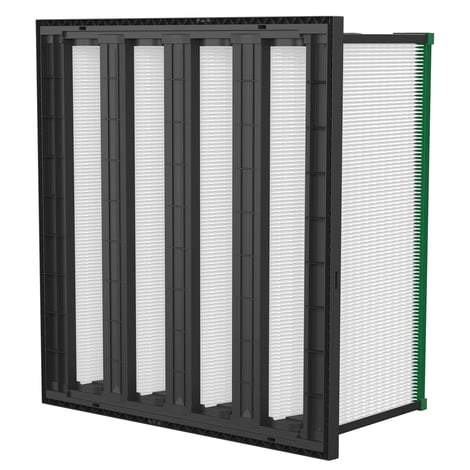 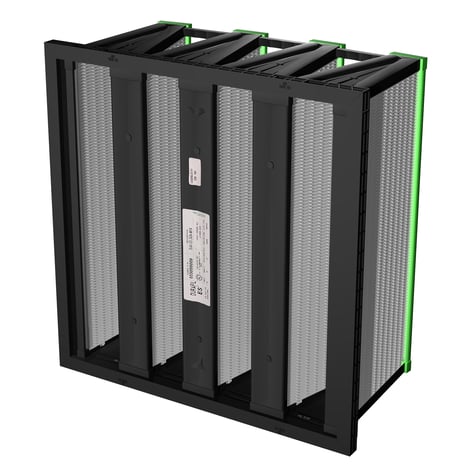  |
- Home
-
Products
- Pig Farming Equipment
- Cattle Farming Equipment
- Sheep & Goat Farming Equipment
- Poultry Farming Equipment
- Feeding & Drinking Systems
- Veterinary & Breeding Equipment
- Testing & Diagnostic Equipment
- Cleaning & Biosecurity Equipment
- Climate Control Equipment
- Livestock Weighing Equipment
- Manure & Waste Management
- Farm Transport & Handling
-
Solutions
- Pig Farm Solutions
- Dairy Farm Solutions
- Beef Cattle Farm Solutions
- Sheep & Goat Farm Solutions
- Layer Farm Solutions
- Broiler Farm Solutions
- Feeding & Drinking System Solutions
- Climate Control Solutions
- Biosecurity & Disinfection Solutions
- Manure & Waste Management
- Smart Farming Solutions
- Farm Renovation and Upgrade Solutions
- Partners
- Projects
- Resources
- News
- About Us
- Contact

Comments & Inquiries
Leave your questions or requirements below. We will reply as soon as possible.