

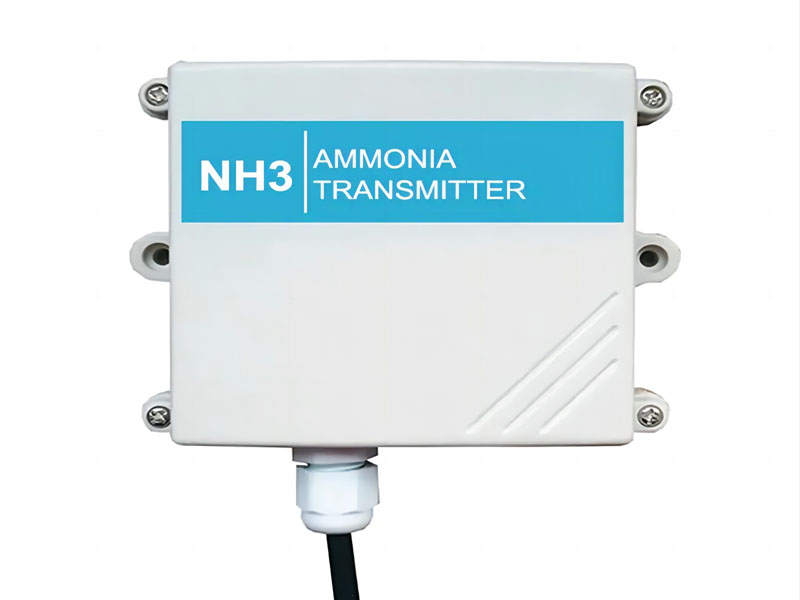
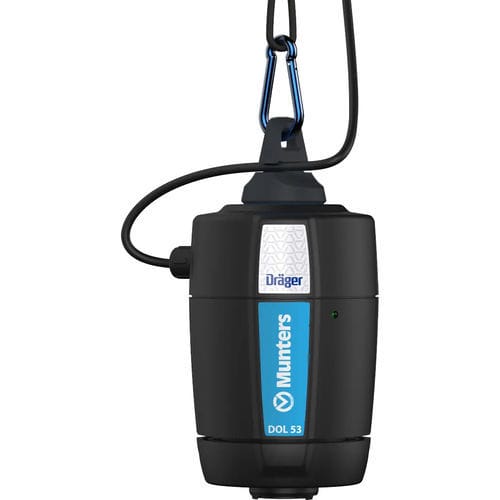

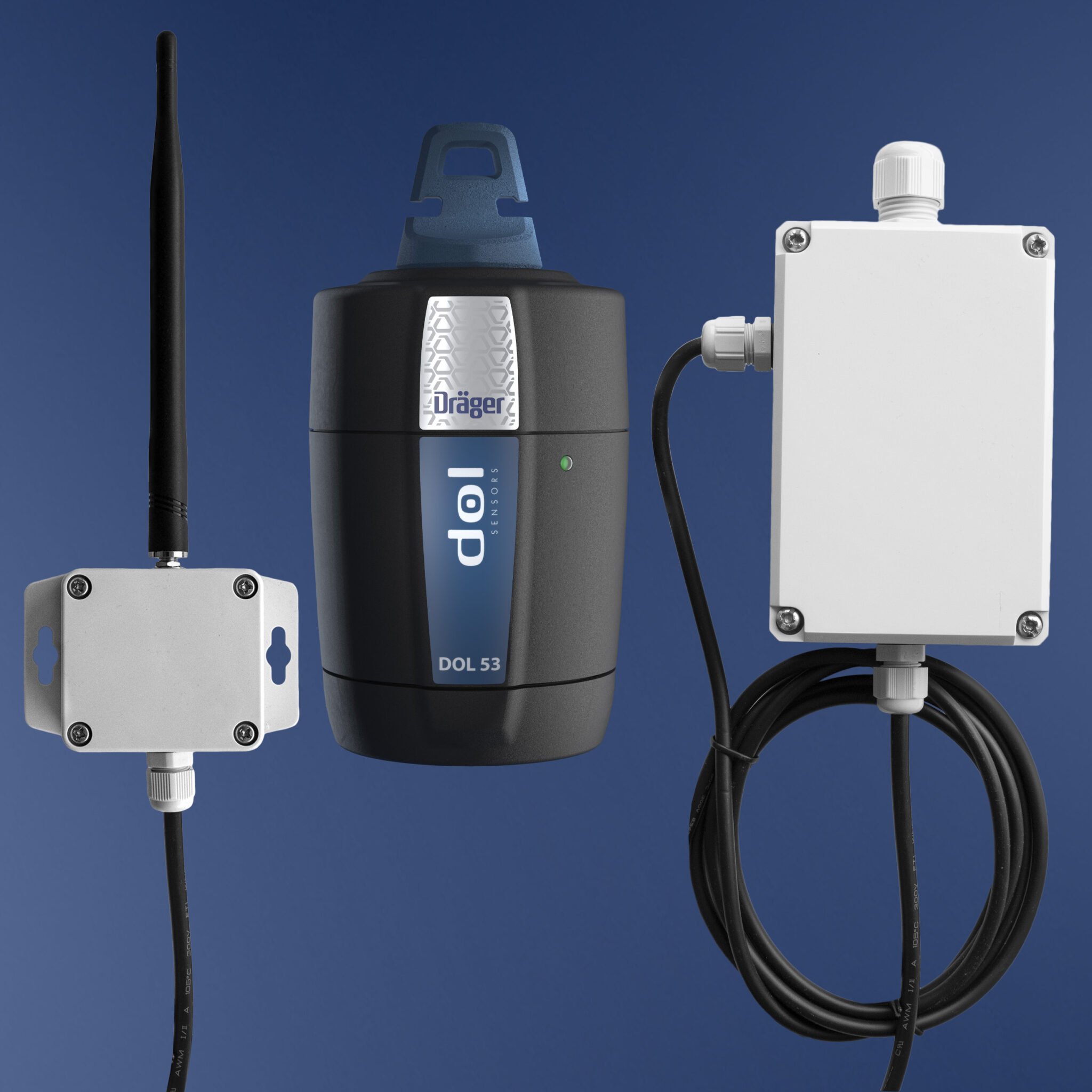
| Product Name | Multi-Point Poultry House Ammonia Monitoring System | ||||||||||||||||||||||||||||||||||||||
| Product Image | 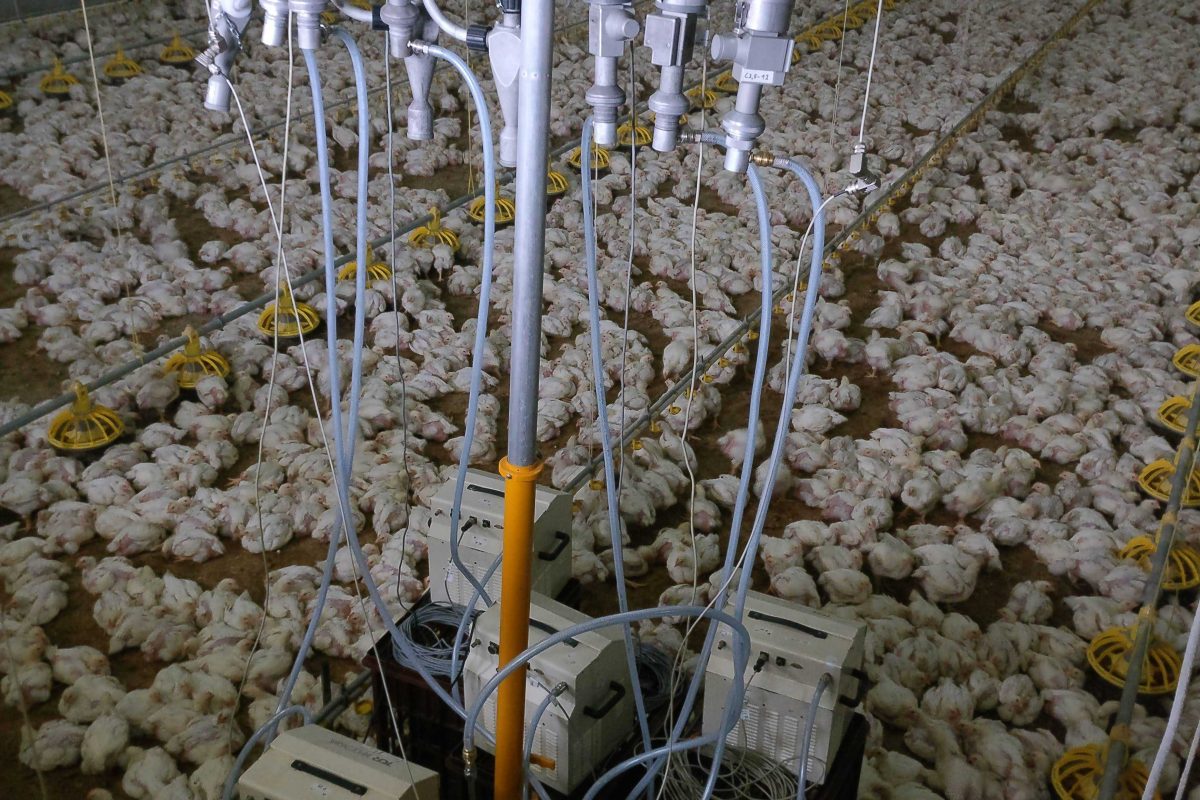 |
||||||||||||||||||||||||||||||||||||||
| Product Overview | The Multi-Point Poultry House Ammonia Monitoring System is a centralized NH3 monitoring solution designed to measure ammonia concentrations at multiple locations throughout commercial poultry buildings. Instead of installing a complete analyzer at every measuring position, remote sampling points collect air from selected locations and transport each sample through tubing to a central photoacoustic infrared analyzer. This architecture allows the sensitive analytical components to remain in a cleaner control-room environment while representative air samples are collected directly from the bird zone. The reference system supports up to eight ammonia sampling points in a standard poultry-house configuration, with expanded multi-point arrangements available for larger monitoring projects. The system is suitable for broiler houses, layer houses, breeder farms, poultry research facilities and new steel-structure poultry projects requiring continuous air-quality measurement, configurable alarms and integration with ventilation, heating or other environmental-control equipment. |
||||||||||||||||||||||||||||||||||||||
| Key Features | Multi-Point NH3 Monitoring: Collects ammonia samples from several predetermined locations in the poultry house and analyzes them through one centralized monitoring unit. Bird-Level Air Sampling: Sampling locations can be positioned close to bird level so measurements better represent the environment experienced by the flock. Photoacoustic Infrared Detection: Uses highly sensitive photoacoustic infrared technology for quantitative ammonia measurement. 1 ppm Sensitivity: The reference system provides 1 ppm measurement sensitivity and 1 ppm display resolution. Wide Measurement Range: The reference configuration supports ammonia measurement from 0 to 1000 ppm. Remote Analyzer Protection: The analytical unit can be installed outside the poultry-production area, reducing direct exposure of sensitive components to dust, moisture and corrosive ammonia vapor. Configurable Alarm Levels: Multiple alarm or warning thresholds can be configured to notify farm personnel when ammonia reaches selected concentrations. Environmental Equipment Control: Relay outputs can be used with compatible control systems to activate ventilation fans, dampers, heating equipment or remote alarms. Expandable Monitoring Architecture: Optional channel scanners and remote modules can expand the number of sample locations for larger poultry houses or multi-building projects. Additional Gas Monitoring: Modular configurations can incorporate other environmental gases such as carbon dioxide or oxygen according to project requirements. |
||||||||||||||||||||||||||||||||||||||
| Structural Components | Central Photoacoustic Analyzer: Measures ammonia concentration from air samples delivered from each monitoring point. Multi-Channel Sampling Module: Sequentially selects air from different poultry-house sampling locations. Bird-Level Sampling Points: Installed at representative positions throughout the livestock building to collect local air samples. Sample Tubing Network: Connects remote sampling points with the centralized analyzer and transports air through the system. Vacuum Sampling System: Draws air continuously or sequentially from the selected monitoring locations to the analyzer. End-of-Line Filters: Help protect sample tubing and analytical components from excessive poultry-house dust and particulate contamination. Digital Display: Shows channel information, ammonia concentration and system diagnostic information. Alarm Relays: Provide switching outputs for remote alarms, ventilation equipment or compatible environmental controllers. Protective Control Enclosure: Houses the analyzer, electrical components and user controls in a centralized installation location. |
||||||||||||||||||||||||||||||||||||||
| Working Principle | Sampling points are installed at selected positions throughout the poultry house. A vacuum system draws an air sample through tubing from each location and transports it to the centralized ammonia analyzer. Inside the analyzer, photoacoustic infrared technology exposes the gas sample to wavelength-selective infrared energy. Ammonia molecules absorb specific infrared wavelengths, producing a pressure variation inside the photoacoustic measurement chamber. A sensitive detector converts this response into an ammonia concentration value. In a multi-channel system, the analyzer sequentially scans individual sampling locations so farm managers can compare ammonia concentrations in different areas of the poultry house. When a measured concentration reaches a configured warning or alarm threshold, the system can activate local or remote alarms and provide relay or analog signals to compatible ventilation and environmental-control equipment. |
||||||||||||||||||||||||||||||||||||||
| Technical Specifications |
|
||||||||||||||||||||||||||||||||||||||
| Applications | Broiler Houses: Provides ammonia measurements from multiple positions along long commercial broiler buildings where litter conditions and ventilation can vary from one zone to another. Layer Houses: Suitable for environmental monitoring in cage, aviary and floor-based layer production systems. Breeder Houses: Supports continuous air-quality monitoring in parent-stock and poultry breeding facilities. Minimum Ventilation Management: NH3 measurements provide additional information for adjusting cold-weather minimum ventilation while maintaining acceptable house air quality. Ventilation Control: Alarm relays and compatible outputs can be linked to fans, air inlets, dampers or farm environmental controllers. Long Poultry Buildings: Multiple sampling locations provide more representative information than relying on a single ammonia measurement point. Steel Structure Poultry Projects: Suitable for integration during new poultry-house construction together with ventilation, heating, cooling and environmental-control systems. Poultry Research: Multi-point sampling can support environmental studies, ventilation evaluation and air-quality monitoring projects. Farm Modernization: Existing poultry facilities can be upgraded from occasional handheld measurements to continuous centralized NH3 monitoring. |
||||||||||||||||||||||||||||||||||||||
| Customization Options | System layout can be configured according to poultry species, building dimensions, ventilation design and environmental-control requirements. Available options may include: • 2, 4, 6 or 8 sampling-point configurations • Expanded remote sampling channels • Sampling-point positions according to poultry-house airflow • Sample tubing length according to project requirements • Multiple adjustable NH3 alarm thresholds • Remote audible and visual alarms • 4–20 mA analog output • 0–5 VDC or 0–10 VDC output • Serial or building-management communication interface • CO2 or oxygen monitoring modules • Ventilation fan control integration • Heating and damper control integration • Central farm environmental controller connection • NEMA-type enclosure options • OEM and engineering-project configurations Final sampling-point quantity and tubing layout should be designed according to poultry-house length, width, bird density, ventilation zones and local climate conditions. |
||||||||||||||||||||||||||||||||||||||
| Installation & Maintenance | Install the central analyzer in a clean, protected control-room or service-area location whenever possible. Keeping the analytical equipment outside the poultry-production zone helps reduce direct exposure to dust, moisture and high ammonia concentrations. Position individual sampling points at representative locations throughout the poultry house. For bird-level monitoring, sampling inlets should be located close to the breathing zone while remaining protected from bird contact, litter accumulation and direct water spray. Route sample tubing from each monitoring point to the central analyzer with smooth runs and minimal unnecessary bends. Clearly identify each line so the displayed channel can be matched with its physical sampling location. Install appropriate end-of-line filters and periodically inspect filters and tubing for dust accumulation, blockage, moisture or physical damage. Connect relay, analog or communication outputs to compatible poultry-house controllers according to the project wiring diagram. Test alarm functions and equipment-control outputs before commissioning. Routine maintenance should include inspection of sampling filters, tubing, vacuum performance, alarm operation and analyzer diagnostics. Calibration and service procedures should follow the requirements of the selected analytical configuration. |
||||||||||||||||||||||||||||||||||||||
| Project Cases | For a long commercial broiler house, sampling points can be distributed from the air-inlet end to the exhaust-fan end of the building. This arrangement allows operators to identify differences in ammonia concentration caused by litter moisture, bird distribution and airflow patterns. In multi-house poultry projects, centralized monitoring equipment can be configured with additional channel modules to collect samples from several zones or buildings according to project requirements. For new steel structure poultry houses, sampling tubing and control cables can be planned during construction together with ventilation fans, cooling pads, air inlets, heating systems and environmental controllers. The monitoring data can also be incorporated into farm environmental-management programs to support ventilation adjustment, litter management and long-term air-quality analysis. |
||||||||||||||||||||||||||||||||||||||
| Product FAQ | Q: Why use multiple ammonia sampling points in one poultry house? A: Ammonia concentration can vary along the length and width of a poultry building. Multiple sampling positions provide a more representative view of actual house conditions. Q: How many locations can the system monitor? A: The reference poultry configuration supports up to eight ammonia collection points. Larger systems can be configured with additional channel hardware. Q: Where are the sampling points installed? A: The reference system places sampling locations near bird level, approximately 10 inches above the litter, while final installation height should be adapted to the poultry-house configuration. Q: Does each monitoring point require a separate ammonia analyzer? A: No. Air from multiple locations is transported through sample tubing to a centralized photoacoustic analyzer. Q: What is the measurement sensitivity? A: The reference analyzer provides 1 ppm sensitivity and 1 ppm display resolution. Q: What is the ammonia measurement range? A: The reference configuration provides a 0–1000 ppm measurement range. Q: Can it activate ventilation equipment automatically? A: Yes. Relay and optional analog outputs can interface with compatible fans, dampers, alarms or environmental-control systems. Q: Can different ammonia warning levels be configured? A: Yes. Multiple warning or alarm thresholds can be configured according to the selected controller setup. Q: Can other gases be monitored? A: Modular configurations can incorporate additional sensing capabilities such as oxygen or carbon dioxide according to project requirements. Q: Why is the analyzer installed outside the poultry house? A: Remote air sampling allows the sensitive analytical equipment to remain in a cleaner control-room environment, reducing direct exposure to corrosive ammonia vapor and poultry-house contamination. Q: Is the system suitable for new poultry-house construction? A: Yes. Sampling tubing, monitoring equipment and control wiring can be incorporated into new steel structure poultry-house environmental-control projects. |
||||||||||||||||||||||||||||||||||||||
| Product Gallery | 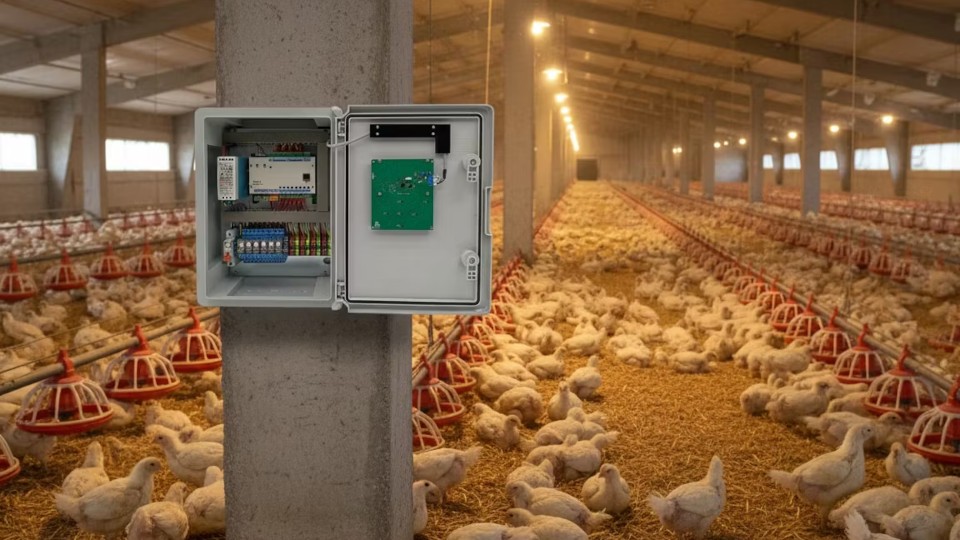 |
- Home
-
Products
- Pig Farming Equipment
- Cattle Farming Equipment
- Sheep & Goat Farming Equipment
- Poultry Farming Equipment
- Feeding & Drinking Systems
- Veterinary & Breeding Equipment
- Testing & Diagnostic Equipment
- Cleaning & Biosecurity Equipment
- Climate Control Equipment
- Livestock Weighing Equipment
- Manure & Waste Management
- Farm Transport & Handling
-
Solutions
- Pig Farm Solutions
- Dairy Farm Solutions
- Beef Cattle Farm Solutions
- Sheep & Goat Farm Solutions
- Layer Farm Solutions
- Broiler Farm Solutions
- Feeding & Drinking System Solutions
- Climate Control Solutions
- Biosecurity & Disinfection Solutions
- Manure & Waste Management
- Smart Farming Solutions
- Farm Renovation and Upgrade Solutions
- Partners
- Projects
- Resources
- News
- About Us
- Contact

Comments & Inquiries
Leave your questions or requirements below. We will reply as soon as possible.