


| Product Name | Pig House Multi-Parameter Environmental Monitor |
| Product Image | 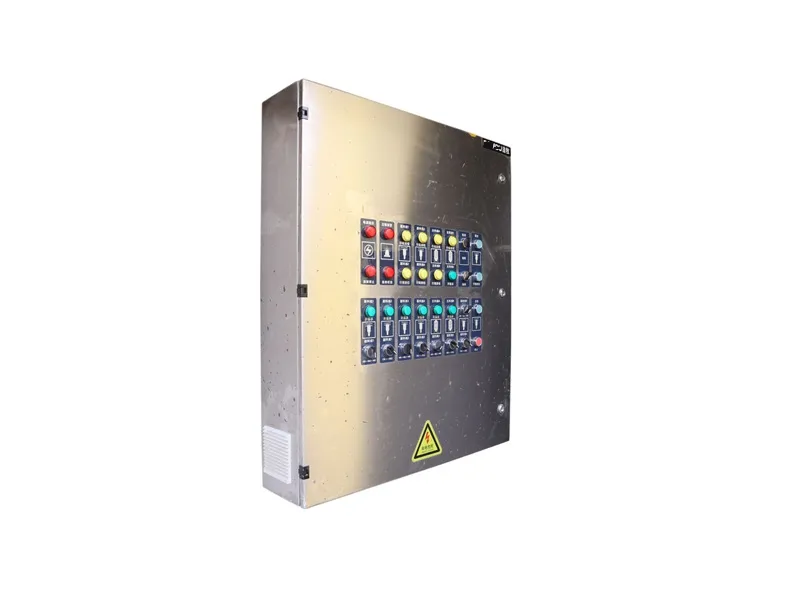 |
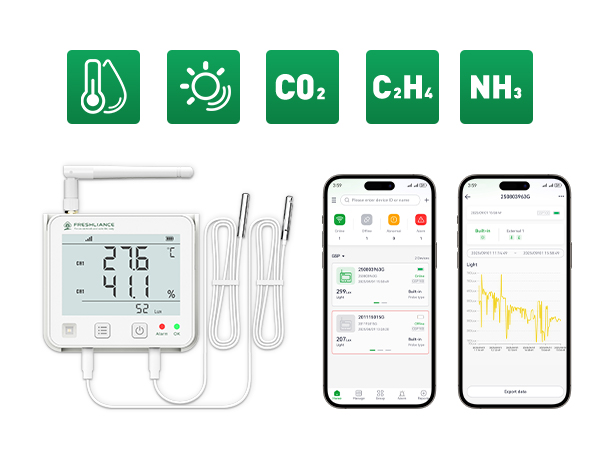
| Product Overview | The Pig House Multi-Parameter Environmental Monitor is designed for continuous environmental data collection in modern pig production facilities. It can integrate multiple sensing functions for temperature, relative humidity, ammonia, carbon dioxide and other selected environmental parameters, providing farm managers with a centralized view of pig-house climate and air-quality conditions. The system is suitable for farrowing houses, nursery barns, gestation buildings, breeding units, finishing houses and large commercial pig-farm complexes. Depending on project configuration, monitoring data can be displayed locally or transmitted to environmental controllers, farm management platforms and remote monitoring terminals. By combining several environmental parameters within one monitoring architecture, the system reduces the need for separate standalone instruments and supports data-based ventilation management, heating and cooling adjustment, alarm management and long-term farm environmental analysis. |
| Key Features | Multi-Parameter Monitoring: Integrates temperature, humidity, ammonia, carbon dioxide and other optional environmental measurements into one monitoring system. Continuous Real-Time Data: Supports ongoing monitoring of pig-house environmental conditions instead of relying only on periodic manual inspection. Gas and Climate Monitoring: Helps operators evaluate thermal conditions and livestock-house air quality at the same time. Configurable Alarm Functions: Compatible configurations can provide audible, visual or remote alarms when monitored values exceed defined limits. Local and Remote Monitoring: Data can be viewed through compatible displays, controllers, computers or remote farm management systems according to project requirements. Multiple Communication Options: RS485, Modbus, WiFi, 4G or other communication options are available according to system configuration. Historical Data Management: Compatible systems can provide data storage, trend analysis and environmental records for production management. Farm Automation Integration: Monitoring data can be connected with compatible ventilation, heating, cooling and alarm systems. Commercial Farm Design: Suitable for single pig houses, multi-house farms and integrated livestock engineering projects. |
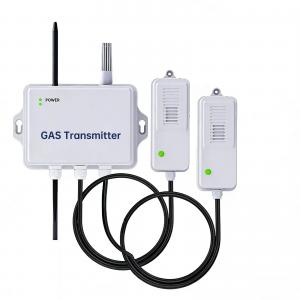
| Structural Components | Main Monitoring Controller: Collects sensor signals, processes environmental data and provides the main interface for system monitoring. Temperature Sensor: Measures indoor air temperature at representative locations within the pig house. Relative Humidity Sensor: Monitors moisture conditions that can influence pig comfort, condensation and building environment management. Ammonia Sensor: Detects ammonia concentration associated with manure decomposition and ventilation conditions. Carbon Dioxide Sensor: Provides additional information for evaluating air exchange and indoor air quality. Optional Hydrogen Sulfide Sensor: Available for projects requiring additional livestock-house gas monitoring. Optional Light Sensor: Can be incorporated when lighting conditions are included in the environmental management plan. Communication Module: Transfers measurement data between sensors, controllers, gateways and remote monitoring systems. Alarm Module: Provides compatible audible, visual or remote notification functions according to project configuration. Protective Enclosure and Mounting Accessories: Selected according to pig-house installation conditions and environmental requirements. |
| Working Principle / Structural Principle | Individual sensor modules continuously detect selected environmental parameters inside the pig house. Temperature and humidity sensors measure climate conditions, while gas sensors monitor selected air-quality parameters such as ammonia and carbon dioxide. Sensor signals are transmitted to the monitoring controller through wired or wireless communication according to the selected system architecture. The controller processes the incoming data and displays real-time values or forwards them to a data logger, environmental controller, gateway or farm management platform. Alarm thresholds can be configured according to production-stage requirements. When a monitored parameter exceeds the configured range, the connected system can generate an alarm or provide a signal to compatible environmental control equipment. For automated livestock projects, environmental data can be combined with ventilation and climate-control logic. Final operation of exhaust fans, air inlets, heaters, cooling pads or other equipment is performed by the connected control system rather than by the sensing element itself. |
| Technical Specifications | Product Type: Multi-parameter pig-house environmental monitoring system Primary Parameters: Temperature, relative humidity, ammonia and carbon dioxide Optional Parameters: Hydrogen sulfide, light intensity, particulate matter, air velocity, static pressure or other parameters available upon request Temperature Measurement Range: According to selected sensor configuration Humidity Measurement Range: According to selected sensor configuration Ammonia Measurement Range: According to project requirements Carbon Dioxide Measurement Range: According to project requirements Hydrogen Sulfide Monitoring: Optional Light Monitoring: Optional Display: LCD, LED or controller interface available according to configuration Communication: RS485 / Modbus / WiFi / 4G or other options available upon request Alarm Output: Audible, visual, SMS, app or controller alarm according to system configuration Data Storage: Local or cloud-based storage available upon request Historical Trend Analysis: Available with compatible monitoring platform Installation Method: Wall-mounted, hanging or customized installation Power Supply: According to selected system configuration Enclosure Protection: According to project requirements Sensor Quantity: Customizable Monitoring Points: Customizable System Integration: Available upon request |
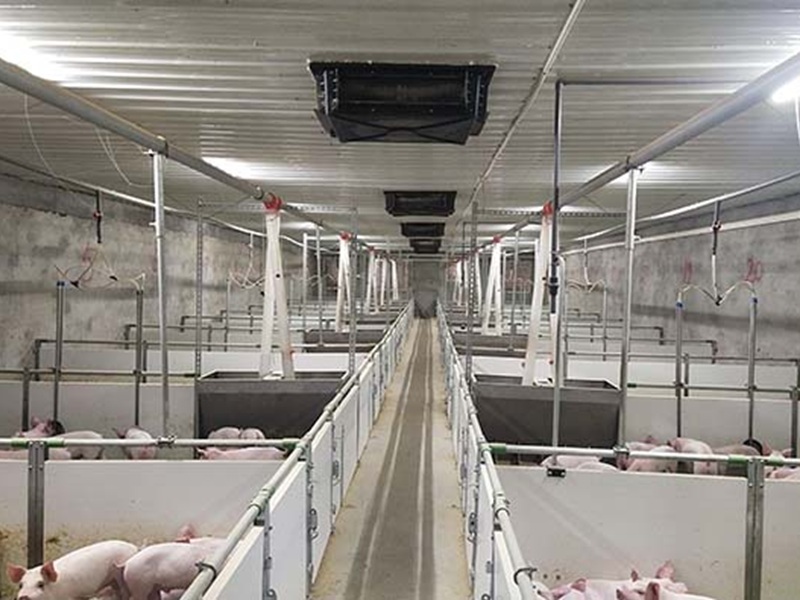
| Applications | Farrowing Houses: Monitoring temperature, humidity and air-quality conditions in sow and piglet production areas. Nursery Pig Houses: Continuous environmental monitoring for young pigs that require carefully managed thermal and ventilation conditions. Gestation Houses: Centralized monitoring of climate and air-quality parameters in group or individual sow housing systems. Breeding Units: Environmental data monitoring for boar and breeding-sow facilities. Growing and Finishing Houses: Monitoring of environmental conditions under minimum, transitional and high-temperature ventilation modes. Multi-House Pig Farms: Centralized monitoring of several production buildings through compatible communication and management platforms. Steel Structure Livestock Buildings: Suitable for integrated environmental-control systems in new pig-farm construction projects. Farm Renovation Projects: Can be incorporated into existing buildings to improve environmental data collection and alarm management. Research and Demonstration Farms: Suitable for projects requiring continuous collection and comparison of pig-house environmental data. |
| Customization Options | Monitoring Parameters: Temperature, humidity, ammonia, carbon dioxide, hydrogen sulfide, light, particulate matter, static pressure and other parameters can be selected according to project requirements. Sensor Quantity: Customizable according to pig-house dimensions, production zones and monitoring objectives. Sensor Locations: Designed according to ventilation layout, animal zone and building structure. Communication: RS485, Modbus, WiFi, 4G or compatible communication methods available upon request. Local Display: Display size and interface configuration available according to project requirements. Remote Platform: Cloud monitoring, mobile access and historical trend functions available upon request. Alarm Configuration: Audible, visual and remote alarm methods can be selected according to farm management requirements. Control Integration: Interface options for ventilation fans, air inlets, heating systems and cooling equipment available upon request. Cabinet and Enclosure: Housing materials and protection configuration available according to installation conditions. Project Design: Designed according to local climate, pig production stage, house structure and farm environmental-control requirements. |
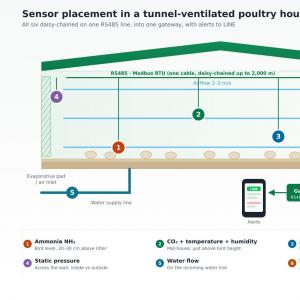
| Installation & Maintenance | Before installation, review the pig-house layout, ventilation direction, animal occupied zone and locations of fans, air inlets, heaters and cooling equipment. Sensor positions should represent normal house conditions rather than unusually concentrated local sources unless those areas are specifically being monitored. Temperature and humidity sensors should be installed where they can measure representative indoor conditions without direct exposure to heaters, cooling-pad discharge or sunlight. Gas sensors should be positioned according to the target gas, production system and project monitoring plan. The monitoring controller should be mounted in a convenient service location and protected from direct high-pressure washing, livestock contact and mechanical impact. Power and communication cables should be securely routed and protected from rodents and farm machinery. Sensor surfaces should be inspected regularly for dust, manure deposits, cobwebs and moisture contamination. Cleaning methods should follow the requirements of the selected sensing technology. Gas sensors may require periodic inspection, calibration or replacement according to operating conditions and manufacturer recommendations. Calibration intervals should be established according to farm conditions, monitoring importance and project requirements. Before washing or chemical disinfection, sensitive electronic equipment should be protected according to its enclosure rating and installation instructions. |
| Project Cases | Commercial Farrowing Farm: Temperature, humidity, ammonia and carbon dioxide monitoring can be installed in farrowing buildings to provide continuous environmental information for ventilation and heating management. Large Nursery Pig Project: Multiple monitoring points can be distributed throughout long nursery houses to compare environmental conditions between different production zones. Finishing Pig Farm: Centralized environmental monitoring can provide farm managers with real-time information from several finishing buildings through one compatible management platform. New Pig Farm Construction: Environmental sensors, monitoring controllers, ventilation equipment and alarm systems can be planned together during the livestock engineering design stage. Existing Farm Upgrade: A multi-parameter monitoring system can be added to an existing pig house to provide additional air-quality monitoring, historical data and remote alarm functions without replacing the complete farm equipment system. |
| Product FAQ | Q: What parameters can the monitor measure? A: Standard project configurations can include temperature, humidity, ammonia and carbon dioxide. Hydrogen sulfide, light and additional environmental parameters are available according to project requirements. Q: Can it monitor several parameters at the same time? A: Yes. The system is designed to collect data from multiple environmental sensors within one monitoring architecture. Q: Can it send alarms when ammonia or temperature is too high? A: Yes. Compatible configurations can generate local or remote alarms when measured values exceed configured thresholds. Q: Can the system communicate through RS485 or Modbus? A: Yes. RS485 and Modbus options are available according to the selected system configuration. Q: Is remote monitoring available? A: Yes. WiFi, 4G, gateways and compatible cloud platforms can be supplied according to project requirements. Q: Can historical environmental data be stored? A: Yes. Local or cloud-based data storage and trend analysis can be configured for suitable projects. Q: Can it work with an existing pig-house ventilation system? A: Integration is available when the existing environmental controller and communication or control interfaces are compatible. Q: How many sensors are required in one pig house? A: Sensor quantity depends on building dimensions, ventilation layout, pig production stage and monitoring objectives. The final arrangement should be determined according to project requirements. Q: Can it be customized for large pig farming groups? A: Yes. Multi-house monitoring, centralized data collection, remote alarms and system integration can be configured for commercial farm projects. |
| Product Gallery | 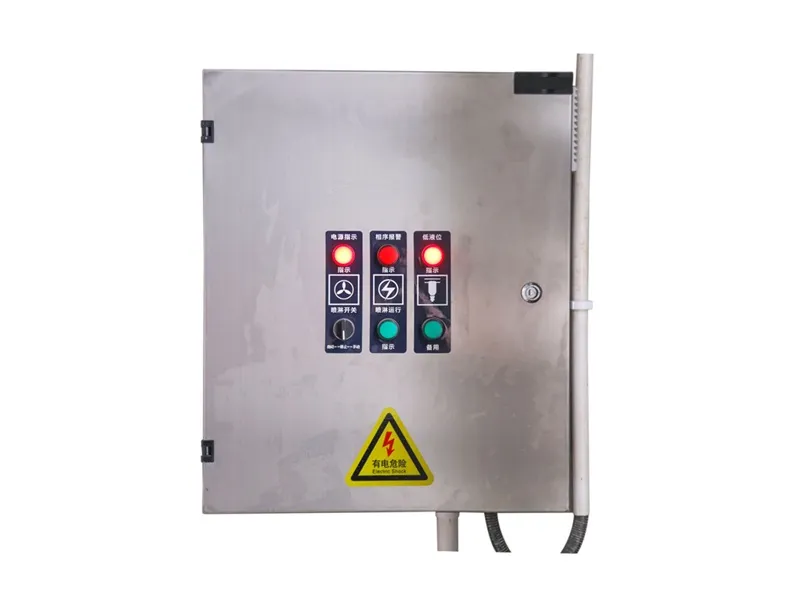   |
- Home
-
Products
- Pig Farming Equipment
- Cattle Farming Equipment
- Sheep & Goat Farming Equipment
- Poultry Farming Equipment
- Feeding & Drinking Systems
- Veterinary & Breeding Equipment
- Testing & Diagnostic Equipment
- Cleaning & Biosecurity Equipment
- Climate Control Equipment
- Livestock Weighing Equipment
- Manure & Waste Management
- Farm Transport & Handling
-
Solutions
- Pig Farm Solutions
- Dairy Farm Solutions
- Beef Cattle Farm Solutions
- Sheep & Goat Farm Solutions
- Layer Farm Solutions
- Broiler Farm Solutions
- Feeding & Drinking System Solutions
- Climate Control Solutions
- Biosecurity & Disinfection Solutions
- Manure & Waste Management
- Smart Farming Solutions
- Farm Renovation and Upgrade Solutions
- Partners
- Projects
- Resources
- News
- About Us
- Contact

Comments & Inquiries
Leave your questions or requirements below. We will reply as soon as possible.